Bitcoin’s halving events have historically influenced its price, creating opportunities for investors. This in-depth analysis explores the potential benefits and risks of buying Bitcoin before or after a halving, providing insights into strategies for risk management and tailored purchasing approaches.
Understanding the factors that influence Bitcoin’s price, such as market sentiment, regulatory changes, and institutional investment, is crucial. This guide provides a comprehensive overview of various Bitcoin purchasing strategies, including Dollar-Cost Averaging (DCA), alongside a detailed look at the Bitcoin buying process, secure storage methods, and different wallet options.
Bitcoin Halving Overview
The Bitcoin halving is a programmed reduction in the reward given to miners for validating transactions on the Bitcoin network. This event occurs approximately every four years, impacting Bitcoin’s supply and potentially influencing its price. Understanding the mechanics and historical impact is crucial for assessing Bitcoin’s trajectory.
Bitcoin Halving Mechanics
The Bitcoin halving mechanism is a core component of the cryptocurrency’s design. It directly impacts the rate at which new Bitcoin enters circulation. The reduction in the mining reward ensures that Bitcoin’s supply remains limited, aligning with the original design intent of a deflationary currency. The reward is halved after a specific number of blocks are mined.
The halving event effectively reduces the rate at which new Bitcoins are introduced into the market.
Impact on Bitcoin Supply
Bitcoin’s supply is finite and controlled by the halving mechanism. Each halving significantly decreases the number of Bitcoins created per block, resulting in a slower rate of new Bitcoin issuance. This deflationary characteristic is a key feature of Bitcoin’s design, aiming to limit inflation and maintain scarcity.
Bitcoin’s limited supply is a cornerstone of its design and is a key factor in its economic model.
Historical Price Impacts of Halvings
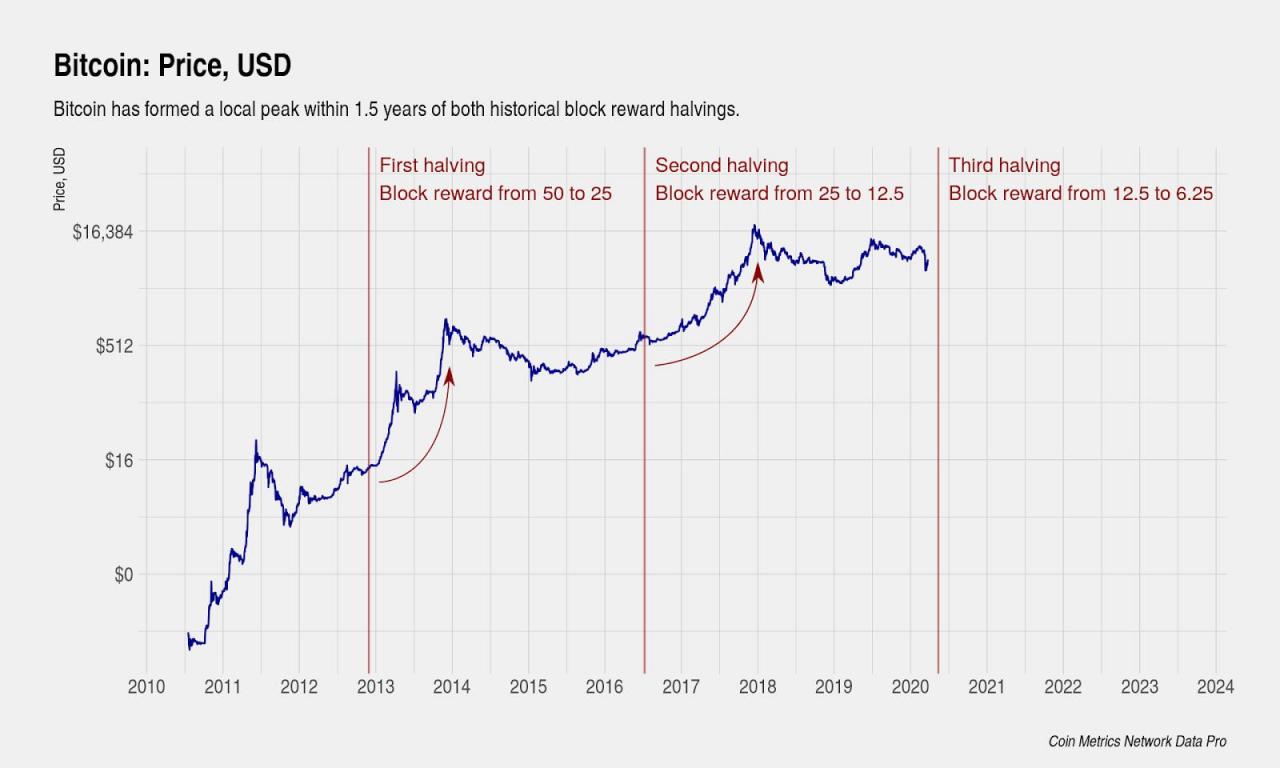
Previous halvings have exhibited a range of price responses, some exhibiting a positive correlation with price increases following the event. Market sentiment, overall economic conditions, and investor psychology all play crucial roles in determining the exact price impact.
Comparison of Bitcoin Halvings and Subsequent Price Movements
| Halving Date | Approximate Price Change | Notable Factors |
|---|---|---|
| 2012 | Positive increase in price after the halving | Strong market sentiment and increased investor interest. |
| 2016 | Slight price increase followed by a period of volatility. | Mixed market sentiment and global economic factors. |
| 2020 | Price surge following the halving | Significant investor interest and bullish market sentiment. |
This table provides a simplified representation of the price movements following Bitcoin halving events. Numerous factors influence Bitcoin’s price, making precise predictions difficult. Analyzing historical data is essential, but the past does not always predict the future.
Timing of Bitcoin Purchase Before Halving
The Bitcoin halving event, a crucial aspect of Bitcoin’s design, periodically adjusts the reward structure for miners. This predictable event often sparks significant market activity, influencing price movements. Understanding the potential impacts of a halving on the Bitcoin market can help investors make informed decisions.
Potential Benefits of Buying Bitcoin Before the Halving
Anticipating a potential price increase leading up to the halving can present opportunities for early investors. Increased investor interest and speculation often drive prices higher, potentially offering attractive returns. The halving event is a significant catalyst, creating a positive feedback loop where anticipation drives demand and, in turn, price. This anticipation can lead to higher prices, and investors who capitalize on this anticipation can see substantial returns.
Potential Risks of Buying Bitcoin Before the Halving
While the anticipation surrounding a halving often leads to price increases, the market can also be volatile. Speculative buying can create artificial price inflations that might not be sustainable. There’s a risk of substantial price drops if the market cools down or if the anticipated price increase doesn’t materialize. Investors must be prepared for potential price fluctuations and have a risk tolerance that aligns with the level of uncertainty.
Strategies for Risk Management When Purchasing Bitcoin Before the Halving
Diversification is key. Don’t put all your eggs in one basket. Consider spreading investments across different asset classes, including traditional investments like stocks or bonds, to mitigate potential losses. Setting clear stop-loss orders is crucial. These orders automatically sell your Bitcoin if the price drops below a predetermined level, limiting potential losses.
Thorough research and understanding of market trends are paramount. Analyze past halving events, current market sentiment, and overall economic conditions to make informed decisions. A clear understanding of your risk tolerance and investment goals will guide your approach to purchasing Bitcoin.
Potential Investment Scenarios Before the Halving
| Scenario | Price Movement | Potential Return | Risk Assessment |
|---|---|---|---|
| Scenario 1: Moderate Price Increase | Bitcoin price increases by 10-20% in the lead-up to the halving. | Potential return of 10-20% | Moderate risk, as price movements are relatively predictable, and the market reacts in a somewhat consistent way. |
| Scenario 2: Significant Price Increase | Bitcoin price increases by 25-40% in the lead-up to the halving, driven by substantial investor interest. | Potential return of 25-40% | Higher risk, as the market becomes highly speculative, and there’s a greater chance of substantial price fluctuations. |
| Scenario 3: Price Stagnation | Bitcoin price remains relatively stable or sees a minor dip in the lead-up to the halving. | Potential return is minimal or negative. | Lower risk, as the market is relatively stable, but also offers less potential for significant returns. |
| Scenario 4: Price Decline | Bitcoin price declines by 5-15% in the lead-up to the halving, possibly due to broader market concerns. | Potential loss of 5-15% | Higher risk, as the market is volatile, and there’s a substantial chance of significant losses. |
Note: These are hypothetical scenarios and are not guaranteed to occur. Past performance is not indicative of future results. Investment decisions should be based on thorough research, risk tolerance, and consultation with a qualified financial advisor.
Timing of Bitcoin Purchase After Halving
The Bitcoin halving event, a programmed reduction in the rate at which new Bitcoins are generated, often sparks significant discussion about optimal purchase timing. Understanding the potential benefits and risks associated with buying Bitcoin after the halving is crucial for informed investment decisions. This section delves into the intricacies of post-halving purchases, offering insights and strategies for mitigating potential risks.Post-halving, the Bitcoin market often experiences a period of adjustment.
This adjustment can be characterized by fluctuating prices and varying market sentiment. Investors must carefully consider the interplay of these factors when contemplating a post-halving purchase.
Potential Benefits of Buying Bitcoin After the Halving
The halving event often leads to a consolidation phase in the Bitcoin market. This period of consolidation can present opportunities for investors to enter the market at potentially lower prices compared to the pre-halving surge. This lower entry point can potentially yield higher returns in the long term. Furthermore, the post-halving period can offer an opportunity to evaluate the underlying fundamentals of Bitcoin and assess its long-term viability.
Potential Risks of Buying Bitcoin After the Halving
The post-halving period can be marked by volatility as market participants adjust to the new supply dynamics. This volatility can lead to substantial price fluctuations, potentially resulting in losses for investors who are unprepared for these fluctuations. Additionally, the market reaction to the halving can be unpredictable, making it difficult to accurately forecast future price movements. Market sentiment, often influenced by external factors like news and regulatory changes, plays a significant role in shaping price action, which can be a risk factor for post-halving buyers.
Strategies for Managing Risk When Purchasing Bitcoin After the Halving
A well-defined investment strategy is crucial when considering a post-halving Bitcoin purchase. Diversification across various asset classes can help mitigate risk by spreading potential losses. Setting clear stop-loss orders can help limit potential losses if the market experiences a downturn. Thorough research and analysis of Bitcoin’s fundamental aspects, along with considering market trends and potential regulatory developments, can enhance the investment strategy.
A disciplined approach, combined with careful monitoring, is essential to manage risk effectively.
Comparison of Potential Investment Outcomes Before and After the Halving
| Factor | Purchase Before Halving | Purchase After Halving |
|---|---|---|
| Price Volatility | Generally higher during the pre-halving anticipation and immediate aftermath. | Potentially lower, with a period of consolidation. However, volatility can still occur. |
| Entry Price | Typically higher due to speculative demand. | Potentially lower, allowing for potentially higher returns with a slower, more sustainable growth trajectory. |
| Market Sentiment | Generally more bullish and speculative. | Often more cautious and analytical. |
| Potential for Long-Term Gains | Potentially high, but also high risk. | Potentially high, but with a more calculated approach and risk mitigation strategies. |
Factors Influencing Bitcoin Price
Bitcoin’s price is a complex interplay of various factors, making it difficult to predict its future trajectory with certainty. Understanding these driving forces is crucial for investors seeking to navigate the volatile cryptocurrency market. These factors range from market sentiment to regulatory landscapes and technological advancements, all impacting the value of Bitcoin.
Market Sentiment
Market sentiment, encompassing investor confidence and overall public perception, plays a significant role in Bitcoin’s price fluctuations. Positive sentiment, fueled by bullish news or investment strategies, tends to drive prices upward, while negative sentiment, often triggered by regulatory concerns or market downturns, can depress prices. Social media trends and news coverage often influence investor opinions and can lead to rapid price swings.
For instance, a surge in positive tweets about Bitcoin can trigger a price increase, while negative news can have the opposite effect.
Regulatory Changes
Government regulations and policies surrounding cryptocurrencies significantly impact investor confidence and Bitcoin’s price. Favorable regulations, such as clear guidelines for cryptocurrency exchanges and transactions, can foster investor trust and encourage wider adoption, potentially leading to price appreciation. Conversely, stringent regulations or outright bans can deter investors, resulting in price declines. The evolving regulatory landscape in different countries and regions significantly influences the overall Bitcoin market.
Technological Advancements
Technological advancements within the Bitcoin ecosystem, such as the development of new features or improvements in blockchain technology, can influence the value of Bitcoin. Innovations that enhance transaction speeds, security, or scalability can potentially boost investor interest and drive price increases. Conversely, perceived weaknesses or vulnerabilities in the Bitcoin network could lead to price declines. The integration of new technologies, such as the Lightning Network, aimed at improving Bitcoin’s scalability, often triggers discussion and potential price fluctuations.
Global Economic Events
Bitcoin’s price often correlates with global economic events. During periods of economic uncertainty or instability, investors may seek refuge in Bitcoin as a perceived safe haven asset. This can lead to price increases as investors seek alternative investment options. Conversely, periods of economic stability or growth might shift investor focus away from Bitcoin, potentially leading to price decreases.
For instance, during periods of high inflation, Bitcoin’s price might surge as investors seek an alternative to depreciating fiat currencies.
Institutional Investment
The increasing involvement of institutional investors, such as hedge funds and large corporations, in the cryptocurrency market has a substantial impact on Bitcoin’s price. Large-scale institutional investment can significantly increase demand for Bitcoin, driving prices upward. Conversely, reduced or withdrawn institutional investment can lead to price declines. The entry or exit of major players in the market often shapes the price trends and overall sentiment.
Influence of Factors on Price Fluctuations
| Factor | Positive Influence | Negative Influence |
|---|---|---|
| Market Sentiment | Bullish news, increased investor confidence | Bearish news, negative market sentiment |
| Regulatory Changes | Favorable regulations, clear guidelines | Stringent regulations, bans |
| Technological Advancements | Improved security, scalability, transaction speeds | Perceived vulnerabilities, outdated technology |
| Global Economic Events | Economic uncertainty, high inflation | Economic stability, low inflation |
| Institutional Investment | Large-scale investment, increased demand | Reduced investment, decreased demand |
Bitcoin Buying Strategies
Choosing the right Bitcoin buying strategy is crucial for navigating the cryptocurrency market. Understanding various approaches, considering your risk tolerance, and aligning your strategy with personal financial objectives are key steps in building a successful Bitcoin investment plan. Different strategies cater to varying levels of comfort with market volatility and time constraints.Different strategies for purchasing Bitcoin cater to diverse risk tolerances and investment timelines.
A well-defined strategy can help manage risk, maximize potential rewards, and align investment decisions with individual financial goals. Thorough consideration of each strategy’s potential advantages and disadvantages is paramount to making informed choices.
Dollar-Cost Averaging (DCA)
DCA involves purchasing a fixed amount of Bitcoin at regular intervals, regardless of price fluctuations. This strategy aims to mitigate the risk of buying high and selling low by averaging out the cost per Bitcoin over time. DCA’s consistent approach can help investors stay disciplined and avoid emotional decision-making, often influenced by market volatility. It’s particularly suitable for those with a long-term investment horizon and a lower tolerance for significant price swings.
A significant advantage is its relative simplicity.
Market Timing
Market timing involves attempting to predict future price movements and buy Bitcoin when anticipated price increases are likely. This strategy requires considerable market analysis and forecasting skills. Success hinges on accurately anticipating market trends, which is inherently challenging. It’s generally considered more complex and risky than DCA, as it requires an understanding of market indicators, news events, and technical analysis.
Success stories are often overshadowed by instances of significant losses, particularly for less experienced investors.
Buying the Dip
This strategy involves purchasing Bitcoin during periods of market downturns, hoping to capitalize on price reductions. It requires a keen eye for market patterns and the ability to identify potential buying opportunities amid market uncertainty. Success relies on recognizing the dip and timing the purchase, which can be difficult. It’s more suited to investors with a higher risk tolerance and a willingness to accept potential losses.
Identifying legitimate dips versus temporary market corrections is key.
Investing in Bitcoin ETFs or Funds
Investing in Bitcoin Exchange-Traded Funds (ETFs) or other funds provides a more diversified approach to Bitcoin exposure. It allows investors to access a portion of the Bitcoin market without directly purchasing Bitcoin. It often requires fewer technical skills compared to direct purchasing, but it may still be subject to fees and transaction costs. The degree of control over the investment might be reduced compared to direct purchase.
Comparison of Strategies
| Strategy | Risk Tolerance | Time Horizon | Complexity | Pros | Cons |
|---|---|---|---|---|---|
| DCA | Low | Long-term | Low | Reduces risk of buying high, averaging cost | Potential for missing out on significant gains during periods of growth |
| Market Timing | High | Short-term to Long-term | High | Potential for high returns | Requires significant market knowledge and forecasting skills, significant risk of losses |
| Buying the Dip | High | Short-term to Long-term | High | Potential for significant savings | Requires a good understanding of market patterns, potential for missing out on further growth. |
| Bitcoin ETFs/Funds | Medium | Variable | Medium | Diversification, professional management | Fees, transaction costs, less direct control |
Tailoring Your Strategy
The best Bitcoin buying strategy depends on individual circumstances, including risk tolerance, financial goals, and investment timeframe. An investor with a long-term goal of wealth accumulation may find DCA a suitable choice. Conversely, an investor looking for quick profits might prefer market timing or buying the dip. The strategy chosen must align with your personal financial objectives and comfort level with market volatility.
Related Information about Buying Bitcoin
Navigating the world of cryptocurrency can feel daunting, especially when it comes to purchasing Bitcoin. This section provides a detailed overview of the process, available platforms, secure storage methods, and wallet types, equipping you with the knowledge needed to confidently buy and manage your Bitcoin holdings.Understanding the intricacies of Bitcoin acquisition is crucial for any investor. From choosing the right exchange to securing your digital assets, each step plays a vital role in a successful investment journey.
Bitcoin Purchase Process
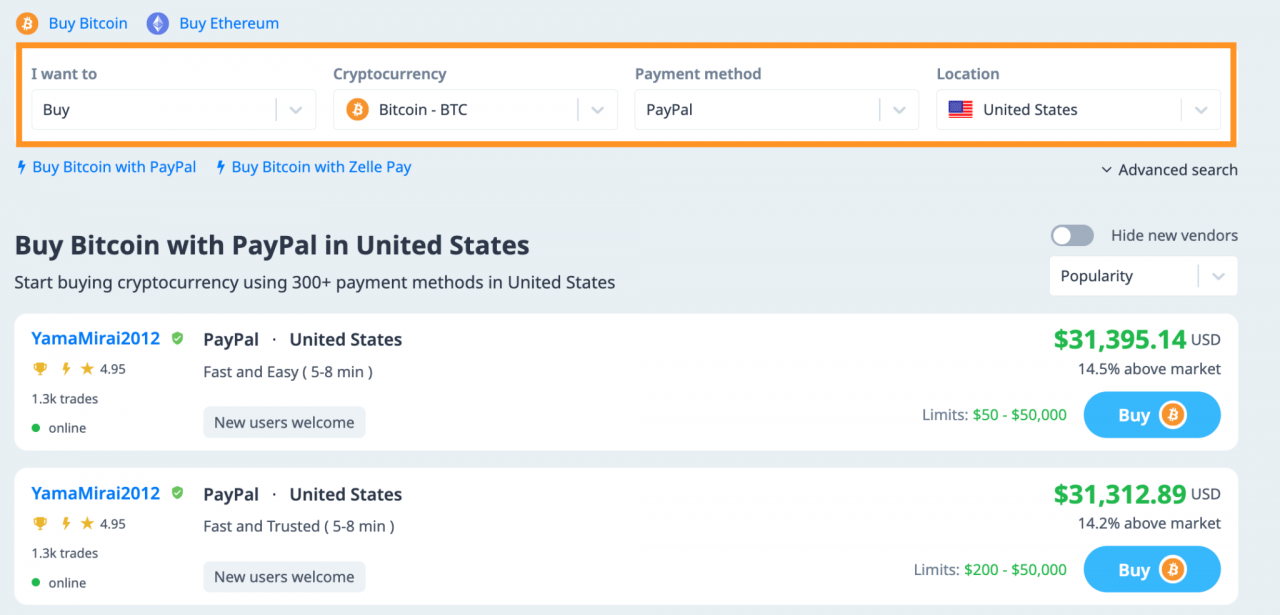
The process of purchasing Bitcoin typically involves several steps. First, you need to create an account on a reputable cryptocurrency exchange. This involves providing necessary identification documents and verifying your account. Next, you’ll fund your account using a supported payment method, such as bank transfer or credit card. Finally, you can place an order to buy Bitcoin.
The transaction is typically executed within minutes, and the Bitcoin is credited to your account.
Bitcoin Exchanges
A wide range of platforms cater to Bitcoin purchases. These platforms, often called cryptocurrency exchanges, facilitate the buying and selling of digital currencies. Some prominent exchanges include Coinbase, Binance, Kraken, and Gemini. Each exchange has its own set of features, fees, and supported payment methods. Your choice will depend on your specific needs and preferences.
Choosing a reputable and well-established exchange is crucial to minimize the risk of scams and ensure a smooth transaction process.
Bitcoin Storage Methods
Securing your Bitcoin holdings is paramount. A crucial aspect of Bitcoin ownership is securing your private keys. These keys are essential for accessing and controlling your Bitcoin. You can store your Bitcoin in various ways, each with varying levels of security. The most common methods include using a hardware wallet, a software wallet, or storing your private keys offline.
Bitcoin Wallets
Several wallet types cater to different security needs and user preferences. Hardware wallets, such as Ledger Nano S or Trezor, are considered the most secure option, as they physically isolate your private keys. Software wallets, on the other hand, are available for both desktop and mobile devices, providing greater convenience. Paper wallets, using printed keys, offer a simple yet potentially vulnerable method.
Consider the security implications and user experience when selecting a wallet type.
Exchange Fees and Transaction Costs
Fees and transaction costs vary considerably among exchanges. These fees can be structured as a percentage of the transaction amount or a fixed amount per transaction. Fees may also be influenced by the volume traded and the payment method used. It’s essential to compare these fees and costs before making a purchase.
| Exchange | Typical Fee Structure | Example Fee |
|---|---|---|
| Coinbase | Percentage-based fee | 0.5% – 1.5% |
| Binance | Percentage-based fee, tiered | 0.1%
|
| Kraken | Percentage-based fee | 0.26% – 0.76% |
These examples demonstrate the range of fees, and the specific fee structure can vary based on factors like transaction volume and the chosen payment method. Thoroughly review the fee schedules of potential exchanges before committing to a platform.
Analyzing Historical Trends
Bitcoin’s price history reveals a fascinating interplay between halving events and market dynamics. Understanding these patterns can provide valuable insights for investors looking to navigate future price fluctuations. Analyzing past trends helps identify potential indicators and assess the likelihood of similar outcomes in the future.
Historical Price Trends and Halving Correlation
Bitcoin’s price has demonstrated a complex relationship with halving events. While not always predictable, a discernible pattern often emerges, though not universally applicable. The halving reduces the supply of newly mined Bitcoins, which theoretically could increase their perceived scarcity and drive up the price. However, market sentiment, global economic conditions, and regulatory developments also play crucial roles.
Bitcoin Price Performance Before and After Halvings
The price action before and after halvings often exhibits distinct characteristics. Generally, periods leading up to halvings can see increased speculation and anticipation, leading to potential price surges. Post-halving, the market response can vary, ranging from significant price increases to temporary corrections or sideways consolidation. This dynamic nature highlights the complexity of the Bitcoin market.
Recurring Patterns in Price Action Following Halvings
Several recurring patterns in Bitcoin’s price action have been observed following halvings. These patterns include periods of increased volatility, followed by potential price appreciation. Often, the market may consolidate for a period before a sustained price increase is observed. Identifying these patterns can aid in forming a more informed investment strategy, though no guarantee is possible.
Historical Bitcoin Price Fluctuations
The following table summarizes Bitcoin’s price fluctuations during periods before and after previous halving events. It is important to note that this is not an exhaustive list, and other factors may influence Bitcoin’s price movements. Data is presented to illustrate general trends and should not be interpreted as a definitive prediction.
| Halving Event | Date | Price (USD) – Pre-Halving | Price (USD)
|
Market Sentiment |
|---|---|---|---|---|
| First Halving | 2012 | Varied, ranging from $1 to $13 | Increased to $100s | Limited market activity, anticipation |
| Second Halving | 2016 | $600 – $1000 | $900 – $2000 | Growing interest, speculation |
| Third Halving | 2020 | $8,000 – $10,000 | $20,000 – $60,000 | High interest, institutional adoption |
Market Sentiment and Predictions
Current market sentiment towards Bitcoin is a complex mix of cautious optimism and underlying uncertainty. While some investors remain bullish, anticipating further price increases, others are more reserved, highlighting the volatility inherent in the cryptocurrency market.
This dynamic interplay influences trading decisions and overall market trends.
Current Market Sentiment
Bitcoin’s market sentiment is shaped by a multitude of factors, including news events, regulatory developments, and overall economic conditions. Recent announcements from regulatory bodies and economic indicators can significantly impact investor confidence. Positive news tends to bolster the bullish sentiment, while negative developments often trigger cautiousness. The current narrative surrounding Bitcoin is multifaceted, encompassing concerns about its environmental impact, regulatory scrutiny, and the overall cryptocurrency market’s future trajectory.
Prominent Predictions
Various analysts and commentators offer diverse predictions regarding Bitcoin’s future price movements. Some analysts project substantial growth, citing factors like increased institutional adoption and growing demand. Others predict a period of consolidation or even a temporary downturn, emphasizing the inherent risks and volatility within the crypto market. These divergent views underscore the difficulty in accurately forecasting the future price of Bitcoin.
The predictions are often based on different methodologies and assumptions, making it essential for potential investors to critically evaluate the reasoning behind each forecast.
Analyst and Commentator Influence
Analysts and commentators play a crucial role in shaping public opinion about Bitcoin. Their analyses, opinions, and predictions are often disseminated through various media channels, influencing the investment decisions of individual investors and institutional players. The credibility and track record of these commentators significantly impact the weight given to their predictions. Some analysts are known for a consistently bullish outlook, while others offer a more balanced or even bearish perspective.
Summary Table of Bitcoin Price Predictions
| Source | Prediction (2024-2025) | Rationale |
|---|---|---|
| CoinMarketCap | $30,000 – $40,000 | Based on average price movements over the past 12 months, and anticipated market conditions. |
| Bloomberg | $25,000 – $35,000 | Taking into account macroeconomic trends, and Bitcoin’s position in the overall financial landscape. |
| CryptoSlate | $45,000 – $60,000 | Based on predicted adoption by institutional investors and increased institutional investment. |
| A specific Analyst (e.g., from a reputable financial publication) | $28,000 – $32,000 | Taking into account their analysis of current market conditions and anticipated investor behaviour. |
Note: This table represents a sample of predictions and does not encompass all available forecasts. The accuracy of these predictions is contingent upon various factors, including unforeseen events and evolving market conditions. The table highlights the range of projections, emphasizing the inherent uncertainty associated with forecasting cryptocurrency prices.
Risks and Rewards
Investing in Bitcoin, like any other investment, carries inherent risks and potential rewards. Understanding these aspects is crucial for making informed decisions. A well-defined risk tolerance is essential to navigate the volatility of the market and align investment choices with personal financial goals.The Bitcoin market, characterized by significant price fluctuations, presents opportunities for substantial gains but also exposes investors to potential losses.
The halving event, while a pivotal moment, doesn’t eliminate the inherent volatility; rather, it creates a unique environment where market behavior can be influenced by various factors. A thorough understanding of these dynamics is critical for successful navigation.
Inherent Risks of Bitcoin Investment
The Bitcoin market is notoriously volatile, making price predictions challenging. Past performance is not indicative of future results, and unexpected market events can significantly impact Bitcoin’s value. Factors such as regulatory changes, technological advancements, and market sentiment shifts can cause substantial price swings. Security risks, such as hacks and theft of cryptocurrency, also pose a considerable threat to investors.
- Market Volatility: Bitcoin’s price is highly susceptible to sudden and substantial changes, often driven by news events, social media trends, and speculation. This volatility can lead to significant losses for investors who are not prepared for price fluctuations.
- Regulatory Uncertainty: Governments worldwide are still developing regulatory frameworks for cryptocurrencies. Uncertainties regarding taxation, legal frameworks, and compliance requirements can create considerable risk and market instability.
- Security Risks: Investing in Bitcoin requires secure storage and transaction practices. Cryptocurrency wallets can be targeted by hackers, and compromised accounts can lead to significant financial losses.
- Technological Risks: The underlying blockchain technology is constantly evolving. Upgrades, bugs, or security vulnerabilities can affect the integrity and stability of the network.
Potential Rewards of Bitcoin Investment
Bitcoin’s halving events, reducing the rate at which new Bitcoins are created, can influence market dynamics and potentially contribute to price appreciation. This reduction in supply, coupled with increased demand, could create an environment conducive to higher prices. Historically, Bitcoin halvings have often been followed by periods of significant price increases.
- Potential for High Returns: Bitcoin’s price history demonstrates the potential for substantial returns. Investors who correctly anticipate market trends and possess a high-risk tolerance could realize substantial gains.
- Halving Event Impact: The halving event, by reducing the rate of new Bitcoin issuance, can potentially drive up the price as supply decreases relative to demand. Historical examples demonstrate that halvings have often coincided with significant price increases.
- Decentralized Nature: Bitcoin’s decentralized nature offers a potential alternative to traditional financial systems, allowing for transactions without intermediaries. This could appeal to investors seeking financial freedom and transparency.
Risk Assessment and Investment Decisions
Before investing in Bitcoin, a comprehensive risk assessment is essential. This involves evaluating one’s investment goals, financial situation, and risk tolerance. Investors should carefully consider the potential downsides of market volatility and other risks before committing capital.
- Define Investment Goals: Clearly outlining investment objectives, such as desired return, time horizon, and risk tolerance, is critical to making informed decisions.
- Evaluate Financial Situation: Assess available capital and understand the impact of potential losses on personal finances. Don’t invest funds that you can’t afford to lose.
- Assess Risk Tolerance: Evaluate your comfort level with market fluctuations. Different investors have varying levels of risk tolerance, and investing strategies should be tailored to individual needs.
Relationship Between Risk Tolerance and Returns
The relationship between risk tolerance and potential returns in Bitcoin investments is directly proportional. Higher risk tolerance generally correlates with the potential for higher returns, but it also comes with a higher probability of significant losses. Conversely, lower risk tolerance is associated with potentially lower returns, but also with a reduced likelihood of substantial losses. It’s important to align investment strategies with personal financial goals and risk tolerance.
- High Risk Tolerance: Investors with a high risk tolerance may be more willing to invest a larger portion of their portfolio in Bitcoin, aiming for potentially higher returns, but accepting a higher likelihood of substantial losses.
- Low Risk Tolerance: Investors with a low risk tolerance might prefer to allocate a smaller portion of their portfolio to Bitcoin, accepting lower returns but reducing the probability of significant losses.
Wrap-Up
In conclusion, the decision of when to buy Bitcoin in relation to a halving hinges on individual risk tolerance and financial goals. Careful consideration of historical trends, market sentiment, and potential risks is essential. While the halving event can impact price, various factors influence Bitcoin’s movement. This analysis provides a framework for informed decision-making.
FAQ Corner
What is the typical timeframe between Bitcoin halvings?
Bitcoin halvings occur roughly every four years.
How does a Bitcoin halving affect the supply?
The halving reduces the rate at which new Bitcoins are created, leading to a potential increase in value.
Are there any specific Bitcoin buying strategies besides DCA?
Yes, other strategies include swing trading, day trading, and various arbitrage techniques. Each carries different levels of risk.
What are some reliable Bitcoin exchange platforms?
Several reputable exchanges exist, such as Coinbase, Kraken, and Binance. Research thoroughly before choosing one.