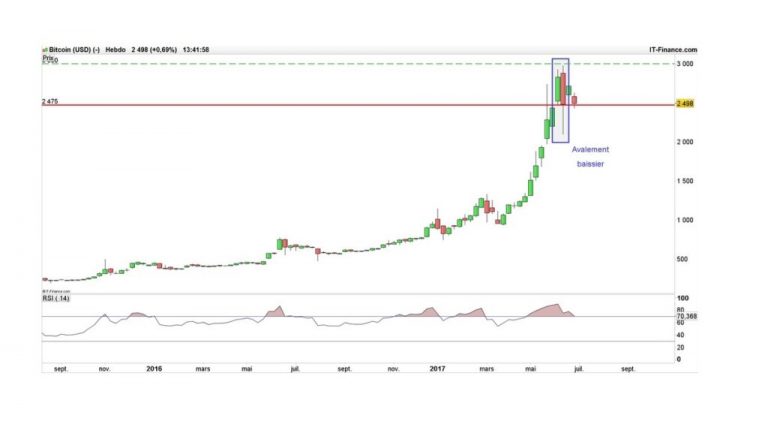
Bitcoin to USD serves as a fascinating lens through which we can explore the evolving landscape of digital currency and its market implications. With the surge in popularity of Bitcoin, understanding how its value measures against the US dollar is crucial for both investors and everyday users alike.
This exploration delves into the factors that influence Bitcoin’s value, historical price movements, current market trends, and even its future outlook, providing a comprehensive understanding of this prominent cryptocurrency.
Understanding Bitcoin’s Value
Bitcoin’s value in relation to USD is influenced by various dynamic factors that reflect both its unique nature as a digital asset and broader market trends. Understanding these factors is essential for anyone looking to grasp the intricacies of cryptocurrency trading and investment. A multitude of elements, including market demand, investor sentiment, regulatory developments, and macroeconomic conditions, all play significant roles in shaping Bitcoin’s price.Market demand and supply are at the core of determining Bitcoin’s value.
Unlike traditional currencies, Bitcoin operates in a decentralized manner, with no central authority controlling its supply. The basic economic principle of supply and demand states that when demand increases and supply remains constant or decreases, prices tend to rise. Conversely, when supply outstrips demand, prices tend to fall. This principle holds true in the Bitcoin market, where factors such as investor interest, speculative trading, and market sentiment can lead to significant price fluctuations.
Factors Influencing the Bitcoin to USD Exchange Rate
Several key factors directly impact the Bitcoin to USD exchange rate, making it crucial for investors to stay informed. These factors include:
- Market Demand: Increased interest from individual and institutional investors often drives up demand, leading to higher prices.
- Supply Dynamics: Bitcoin’s supply is capped at 21 million coins, introducing scarcity that can affect its value as demand grows.
- Market Sentiment: News events, social media trends, and public perception can influence investor behavior, impacting price volatility.
- Regulatory Developments: Government regulations and legal frameworks can significantly affect market confidence and investment activity.
- Technological Advances: Improvements in blockchain technology or security can enhance Bitcoin’s value proposition, attracting more users.
Timeline of Significant Events Affecting Bitcoin’s Price Against USD
Over the years, various significant events have shaped Bitcoin’s price trajectory against the USD. Below are pivotal moments that have influenced market behavior:
- 2010: The first recorded Bitcoin transaction occurred when 10,000 BTC were exchanged for two pizzas, marking Bitcoin’s real-world value.
- 2013: Bitcoin experienced its first major price surge, reaching over $1,000 due to rising media attention and investment.
- 2017: Bitcoin’s price skyrocketed to nearly $20,000, driven by investor speculation and the launch of Bitcoin futures by major exchanges.
- 2020: Amid the COVID-19 pandemic, institutional investments surged, pushing Bitcoin’s price to new all-time highs of around $40,000.
- 2021: Bitcoin reached an unprecedented peak of over $64,000, with increased adoption by companies and major investors.
Historical Trends of Bitcoin to USD
The historical price movements of Bitcoin against the US dollar offer a fascinating glimpse into the evolution of this digital asset. Over the past decade, Bitcoin has not only redefined how we perceive currency but has also demonstrated remarkable volatility and growth. Understanding these trends provides valuable insights for investors and enthusiasts alike.Bitcoin’s journey began in earnest in 2010 when it first started to be traded on cryptocurrency exchanges.
Since then, its price trajectory has been nothing short of extraordinary, marked by periods of explosive growth alongside significant corrections.
Key Milestones in Bitcoin’s Price History
Throughout its history, several key milestones have significantly impacted Bitcoin’s valuation against the USD. These events not only reflect Bitcoin’s market dynamics but also highlight the broader acceptance of cryptocurrencies.
- 2013 Surge: In late 2013, Bitcoin experienced its first major price surge, reaching over $1,000 for the first time. This milestone attracted mainstream media attention and sparked interest among retail investors.
- 2017 Bull Run: The year 2017 marked a historic bull run where Bitcoin’s price soared to nearly $20,000 by December. This spike was driven by increased adoption and speculation, leading to a monumental surge in market capitalization.
- 2018 Correction: Following the highs of 2017, Bitcoin faced a significant correction throughout 2018, dropping to about $3,200 by December. This downturn underscored the volatility inherent in cryptocurrency markets.
- 2020 Institutional Investment: In 2020, Bitcoin began gaining traction among institutional investors, with companies like MicroStrategy and Tesla investing substantial amounts. This shift helped propel Bitcoin’s price to new heights, surpassing $40,000 in January 2021.
- 2021 All-Time High: Bitcoin reached an all-time high of approximately $64,000 in April 2021, driven by increasing mainstream adoption and investment from large financial institutions.
- 2022 Market Adjustment: The subsequent bear market in 2022 saw Bitcoin’s price fluctuate significantly, reflecting changing investor sentiment and macroeconomic factors, leading to a dip below $20,000.
These milestones illustrate Bitcoin’s ability to capture investor interest and its responsiveness to market conditions.
Comparison with Traditional Currencies
When comparing Bitcoin’s performance against traditional currencies, it becomes evident that Bitcoin has often outpaced many fiat currencies in terms of growth potential, albeit with greater volatility. Historically, Bitcoin has offered a hedge against inflation, particularly in times of economic uncertainty. For example, during periods when fiat currencies like the USD faced inflationary pressures, Bitcoin has often been viewed as a store of value.
| Year | Bitcoin Price (USD) | USD Inflation Rate |
|---|---|---|
| 2013 | $1,000 | 1.5% |
| 2017 | $20,000 | 2.1% |
| 2021 | $64,000 | 7.0% |
| 2022 | $20,000 | 6.5% |
The table above illustrates how Bitcoin’s price movements correlate with the inflation rates of the USD, showcasing its potential as a hedge against diminishing purchasing power in traditional currencies. In conclusion, examining Bitcoin’s historical trends against the USD reveals a complex interplay of factors influencing its value over the years. As Bitcoin continues to evolve, its historical patterns will undoubtedly provide valuable lessons for future investors and analysts.
Current Market Analysis
The current landscape of Bitcoin’s trading environment reveals significant insights into its valuation against the US dollar. As of now, Bitcoin continues to show a robust trading volume, reflecting an active participation from both retail and institutional investors. This dynamic activity plays a crucial role in determining its price fluctuations and overall market sentiment.
Bitcoin Trading Volume and USD Valuation
The trading volume of Bitcoin serves as an essential indicator of market health and liquidity. Recently, we have observed that high trading volumes correlate with increased price stability and upward trends in value. When trading volume spikes, it often suggests heightened interest and market confidence, which can lead to a stronger valuation against the USD. For example, during periods of significant volume, Bitcoin has experienced price surges, often breaking previous resistance levels.
A notable instance was in early 2023, when Bitcoin’s trading volume surged following the announcement of major corporate adoption, leading to a sharp increase in its price against the dollar. This relationship underscores the importance of trading activity in understanding Bitcoin’s market dynamics.
Current Market Sentiment
The sentiment surrounding Bitcoin is a critical driver of its price movement. Presently, a bullish sentiment has emerged among traders and investors, largely fueled by positive news regarding technological advancements and broader acceptance of cryptocurrency. Market sentiment can be gauged through various metrics, including social media trends, search engine interest, and derivatives market behavior.Recent surveys have indicated that an increasing number of retail investors are optimistic about Bitcoin’s future, driven by institutional endorsements and mainstream media coverage.
This positive sentiment often leads to increased buying pressure, further influencing the price upwards. The rapid adoption of Bitcoin by major financial institutions has also contributed to this bullish outlook, lending it a sense of legitimacy and stability.
Influence of Regulatory News
Regulatory news is a key factor that impacts Bitcoin’s value against the USD. Changes in regulations can create significant volatility in the market, as investors react to potential risks and opportunities. Recent developments in regulatory frameworks, particularly in major economies like the United States and the European Union, have led to a more structured approach to cryptocurrency trading.For instance, the announcement of clearer guidelines for cryptocurrency exchanges has provided a more secure trading environment, fostering investor confidence.
However, adverse regulatory news can lead to price drops, as seen in previous instances when regulatory crackdowns were announced, leading to panic selling among investors. Therefore, staying informed about regulatory changes is paramount for understanding potential price movements in Bitcoin.
“The relationship between regulation and market confidence plays a pivotal role in shaping Bitcoin’s trajectory against the USD.”
Investment Perspectives
Investing in Bitcoin presents a unique opportunity for those looking to diversify their portfolios or capitalize on the burgeoning cryptocurrency market. As Bitcoin’s value continues to fluctuate against the USD, understanding the potential benefits and risks associated with this digital asset is crucial for informed investment decisions. Below, we explore the pros and cons of investing in Bitcoin, provide a guide on effective investment strategies, and discuss risk management approaches.
Pros and Cons of Investing in Bitcoin
Considering both the advantages and disadvantages of Bitcoin investment helps investors make informed decisions tailored to their risk tolerance and financial goals. Below is a summary of key points to consider.
- Pros:
-
High Return Potential:
Bitcoin has shown the ability to yield significant returns over time, attracting investors seeking substantial profits.
-
Portfolio Diversification:
Including Bitcoin can enhance portfolio diversity, potentially reducing overall risk while increasing return opportunities.
-
Decentralization:
Bitcoin operates independently of central banks and governments, appealing to those wary of traditional financial systems.
-
Growing Acceptance:
Increased acceptance of Bitcoin by retailers and institutional investors boosts its credibility and market stability.
-
- Cons:
-
Volatility:
Bitcoin’s price is notoriously volatile, which can lead to substantial short-term losses.
-
Regulatory Risks:
Changes in regulatory frameworks can affect Bitcoin’s legality and market value.
-
Security Concerns:
Cybersecurity threats, such as hacking of exchanges or wallets, pose risks to investors’ assets.
-
Lack of Consumer Protections:
Unlike traditional investments, there are fewer protections for Bitcoin investors in case of fraud or loss.
-
Investment Guide Based on USD Price Trends
Understanding Bitcoin’s price trends in USD can guide strategic investment decisions. Analyzing historical data and current market conditions enables investors to identify entry and exit points more effectively.
1. Research Historical Trends
Review past price movements and key events that influenced Bitcoin’s value, such as regulatory changes or technological advancements. For instance, the 2017 price surge was fueled by increasing media coverage and institutional interest.
2. Utilize Technical Analysis
Apply technical indicators, such as moving averages or the Relative Strength Index (RSI), to gauge market momentum and potential price reversals. For example, a moving average crossover might signal a buying opportunity.
3. Follow Market News
Stay informed of news regarding regulations, technological updates, and major market shifts. Events like the Bitcoin halving or significant partnerships can impact price trends significantly.
4. Dollar-Cost Averaging
Consider investing a fixed amount periodically, regardless of Bitcoin’s price. This strategy helps mitigate the effects of volatility over time and reduces the risk of making poor investment decisions based on emotional reactions to price swings.
Risk Management Strategies for Bitcoin Investments
Implementing robust risk management strategies is vital to safeguard investments in Bitcoin. Through various techniques, investors can minimize potential losses while maximizing their investment potential.
- Diversification: Spread investments across different assets to reduce exposure to Bitcoin’s volatility. This could include stocks, bonds, or other cryptocurrencies.
- Setting Stop-Loss Orders: Establish price levels at which to automatically sell Bitcoin to limit losses. For example, setting a stop-loss at 10% below the purchase price can help protect capital.
- Regular Portfolio Review: Continuously review and adjust your investment strategy based on market conditions and personal financial goals to ensure alignment with risk tolerance.
- Remaining Informed: Engage with cryptocurrency research and stay updated on market trends to make timely, informed decisions.
Bitcoin’s Future Outlook
As the landscape of cryptocurrency continues to evolve, Bitcoin’s future remains a subject of significant interest and speculation. Understanding the potential trends and influences that could impact Bitcoin’s value against the USD can provide valuable insights for investors and enthusiasts alike. With developments in technology, market dynamics, and institutional behaviors, Bitcoin’s path forward is likely to be shaped by several critical factors.
Potential Future Trends for Bitcoin’s Price in USD
The future price of Bitcoin in USD is anticipated to be influenced by various macroeconomic factors, including inflation rates, monetary policy changes, and investor sentiment. Historical data suggests that Bitcoin tends to perform well during times of economic uncertainty, as it is seen as a store of value, akin to gold. Key future trends to consider include:
- Market Cycles: Bitcoin has historically undergone significant price cycles, characterized by surges and corrections. Analysts predict that following the next halving event in 2024, a potential upward trend could emerge.
- Adoption Rates: Increased acceptance of Bitcoin as a payment method and investment vehicle could drive prices up. Companies like Tesla and Square have already embraced Bitcoin, setting a precedent for others.
- Regulatory Developments: Evolving regulations globally could either bolster confidence in Bitcoin or stifle its growth. Tracking regulatory news will be essential for predicting price movements.
Emerging Technologies Influencing Bitcoin Valuation
Innovative technologies and trends within the blockchain and cryptocurrency ecosystems are poised to impact Bitcoin’s valuation significantly. The integration of advancements such as Layer 2 solutions, decentralized finance (DeFi), and non-fungible tokens (NFTs) expands Bitcoin’s utility.Relevant technologies to monitor include:
- Layer 2 Solutions: Technologies such as the Lightning Network aim to enhance Bitcoin’s transaction speed and reduce costs, potentially making it more appealing for everyday transactions.
- Smart Contracts: Emerging platforms incorporating smart contracts can create additional use cases for Bitcoin, intertwining it with DeFi applications and enhancing its appeal.
- Interoperability: Technologies that bridge Bitcoin with other blockchain networks can increase its usability and liquidity, thus positively affecting its market valuation.
Impact of Institutional Adoption on Bitcoin’s Future Price
Institutional adoption of Bitcoin has been a game-changer in the cryptocurrency market. As more financial institutions, hedge funds, and corporations invest in Bitcoin, the sentiment and stability of the market are significantly enhanced.The implications of institutional adoption are profound and include:
- Increased Legitimacy: Institutional investments lend credibility to Bitcoin, attracting more retail investors and driving demand.
- Market Maturity: A diversified institutional presence can lead to a more stable market, reducing volatility and encouraging long-term investment strategies.
- Price Stability: The influx of large capital can cushion Bitcoin against market fluctuations, potentially leading to higher price floors and a more predictable growth trajectory.
“The growing trend of institutional adoption illustrates Bitcoin’s transition from a speculative investment to an integral part of financial portfolios.”
Comparative Analysis with Other Cryptocurrencies
The cryptocurrency landscape is vast and varied, with Bitcoin often seen as the market leader. However, understanding how it compares to other cryptocurrencies is essential for anyone looking to invest or simply gain insight into the digital currency ecosystem. This section will delve into Bitcoin’s exchange rates against other cryptocurrencies, its volatility compared to these assets, and its market capitalization relative to the broader crypto market.
Bitcoin’s USD Exchange Rates Compared to Other Cryptocurrencies
Bitcoin’s performance in USD terms can be contrasted with other major cryptocurrencies like Ethereum, Ripple, and Litecoin. These comparisons provide valuable insights into Bitcoin’s standing in the market. Here’s how several cryptocurrencies stack up against Bitcoin in terms of their USD exchange rates as of the latest data:
| Cryptocurrency | Current USD Exchange Rate | Market Position |
|---|---|---|
| Bitcoin (BTC) | $40,000 | 1 |
| Ethereum (ETH) | $2,500 | 2 |
| Ripple (XRP) | $0.80 | 6 |
| Litecoin (LTC) | $150 | 10 |
These exchange rates illustrate Bitcoin’s dominance, with its price significantly higher than that of other cryptocurrencies. This offers a perspective on Bitcoin’s perceived value and acceptance as a leading digital asset.
Volatility Measures of Bitcoin Against Other Digital Assets
Volatility is a critical factor for investors as it measures the price fluctuation of an asset over time. Bitcoin is known for its extreme volatility, often experiencing significant price swings within short periods. Below is a summary of how Bitcoin’s volatility compares to other cryptocurrencies:
Bitcoin (BTC)
Notably, Bitcoin can exhibit daily price changes of 5-10%, reflecting its speculative nature.
Ethereum (ETH)
Ethereum has also shown high volatility, particularly during major market movements, yet averages around 4-8% daily fluctuations.
Ripple (XRP)
Ripple’s volatility tends to be lower than Bitcoin’s, often ranging from 2-5% daily, making it a somewhat stable option within the crypto market.
Litecoin (LTC)
Litecoin mirrors Bitcoin’s volatility more closely but generally remains less erratic, with daily changes typically around 3-6%.Understanding these volatility metrics is crucial for risk assessment and investment strategy formulation.
Market Capitalization of Bitcoin in Relation to Other Cryptocurrencies
Bitcoin’s market capitalization is a key indicator of its influence and stability in the crypto space. As of the latest figures, Bitcoin’s market cap is approximately $800 billion, making up a significant portion of the total cryptocurrency market cap, which is currently around $1.5 trillion. Here’s how Bitcoin’s market cap compares to other notable cryptocurrencies:
| Cryptocurrency | Market Capitalization (USD) |
|---|---|
| Bitcoin (BTC) | $800 billion |
| Ethereum (ETH) | $300 billion |
| Ripple (XRP) | $40 billion |
| Litecoin (LTC) | $10 billion |
Bitcoin’s dominance, often referred to as Bitcoin dominance, reflects its ability to hold the market’s attention and investment interest. As Bitcoin continues to evolve, its position relative to other cryptocurrencies remains a key focal point for investors looking to navigate the complexities of the digital asset world.
Practical Usage of Bitcoin
The practical applications of Bitcoin have evolved significantly since its inception, transitioning from a niche digital currency to a viable payment method for various goods and services. Businesses and consumers are increasingly recognizing the potential benefits of using Bitcoin for transactions, particularly when converting it to USD equivalents. This section explores how Bitcoin is utilized in real-world transactions, the advantages and disadvantages of its use in purchases, and some notable case studies of businesses that accept Bitcoin payments.
Ways Bitcoin is Used in Transactions
Bitcoin serves multiple purposes in transactions, allowing users to leverage its unique characteristics in various scenarios. Here are some common ways Bitcoin is used in transactions converted to USD equivalents:
- Online Shopping: Many e-commerce platforms accept Bitcoin as a payment method, allowing customers to purchase everything from electronics to fashion items. For instance, retailers like Overstock and Newegg enable customers to pay directly with Bitcoin, often providing real-time conversion rates to USD.
- Travel and Accommodation: Travel agencies and booking platforms, such as Expedia and Travala, enable users to book flights and hotels with Bitcoin. This provides a modern alternative for international travelers wishing to avoid traditional bank fees.
- Food and Beverage: Some restaurants and cafes have started accepting Bitcoin, allowing patrons to enjoy meals paid for with digital currency. Examples include PizzaForCoins, which lets users order pizzas using Bitcoin.
- Charity Donations: Various charitable organizations accept Bitcoin donations, making it easier for supporters to contribute while potentially benefiting from tax deductions on appreciated assets.
Advantages of Using Bitcoin for Purchases
Utilizing Bitcoin for transactions comes with several enticing advantages that appeal to both consumers and businesses. Here are notable benefits:
- Lower Transaction Fees: Compared to traditional credit card processing fees, Bitcoin transactions often involve lower fees, particularly for international payments.
- Secure Transactions: Bitcoin transactions are secured by blockchain technology, reducing the risk of fraud and chargebacks to both buyers and sellers.
- Decentralization: Bitcoin operates independently of central banks, allowing users to conduct transactions without interference or control from financial institutions.
- Fast Transactions: Bitcoin transactions can be processed more quickly than traditional bank transfers, especially for cross-border payments, which can take days through banks.
Disadvantages of Using Bitcoin for Purchases
Despite its advantages, using Bitcoin for purchases can also pose challenges. Here are some significant drawbacks:
- Price Volatility: The value of Bitcoin can fluctuate dramatically, leading to uncertainty in the worth of transactions at the time of payment.
- Limited Acceptance: While growing, Bitcoin is not universally accepted, limiting its usability compared to traditional currencies.
- Complexity for New Users: Understanding how to securely store and use Bitcoin can be confusing for those unfamiliar with cryptocurrency and blockchain technology.
Case Studies of Businesses Accepting Bitcoin
Several businesses have successfully integrated Bitcoin as a payment method, showcasing its practicality in various industries. Here are some notable examples:
- Overstock: This online retail giant was one of the first major retailers to accept Bitcoin. Overstock allows customers to purchase a wide range of products, from furniture to electronics, directly with Bitcoin, often promoting its acceptance as a forward-thinking move that attracts tech-savvy customers.
- AT&T: As one of the largest telecommunications companies in the US, AT&T has enabled its customers to pay their bills using Bitcoin through a partnership with BitPay, demonstrating that large enterprises can successfully harness cryptocurrency for everyday transactions.
- Shopify: This e-commerce platform allows merchants to accept Bitcoin, expanding payment options for small businesses and providing flexibility in transaction processing.
Overall, the practical usage of Bitcoin continues to expand, providing consumers and businesses with a modern alternative to traditional payment systems. As the landscape evolves, the adoption of Bitcoin for transactions is likely to increase, paving the way for a more decentralized financial future.
Technical Analysis Tools
In the world of Bitcoin trading against USD, technical analysis tools play a pivotal role in understanding price movements and making informed decisions. These tools provide traders with insights into market trends, potential entry and exit points, and overall price behavior. By utilizing various indicators and chart patterns, investors can gauge the momentum and volatility of Bitcoin’s price.Reading Bitcoin price charts and indicators requires familiarity with several key concepts and tools.
Successful traders often rely on a combination of different analysis methods to enhance their strategies. Below are some essential technical analysis tools used for evaluating Bitcoin’s price against USD.
Chart Types and Patterns
Understanding chart types and patterns is fundamental in technical analysis for Bitcoin trading. Here’s a breakdown of the most commonly used chart types and their significance:
- Line Charts: A simple representation of price movements over time, connecting closing prices with a continuous line. Useful for identifying trends at a glance.
- Candlestick Charts: These provide more information than line charts by displaying open, high, low, and close prices for a specific time period. Each ‘candlestick’ represents price action for a particular timeframe, helping traders identify potential reversal or continuation patterns.
- Bar Charts: Similar to candlestick charts, they show price movements but in a different format. Each bar represents the open, high, low, and close prices, aiding in a deeper analysis of price trends.
These chart types help traders visualize price data, making it easier to identify patterns such as head and shoulders, double tops, or flags, which can signal potential market movements.
Key Indicators for Bitcoin
Indicators are mathematical calculations based on price, volume, or open interest data. They provide insights into market trends and potential reversals. Here are some key indicators commonly used in Bitcoin technical analysis:
- Moving Averages (MA): These smooth out price data to identify trends. The Simple Moving Average (SMA) and Exponential Moving Average (EMA) are widely used to determine support and resistance levels.
- Relative Strength Index (RSI): A momentum oscillator that measures the speed and change of price movements. An RSI above 70 indicates overbought conditions, while below 30 indicates oversold conditions, signaling potential reversals.
- Bollinger Bands: These consist of a middle band (SMA) and two outer bands that represent price volatility. The bands expand and contract based on market conditions, aiding in the identification of overbought or oversold conditions.
These indicators can help traders make educated decisions about entering or exiting trades based on the prevailing market conditions.
Automated Trading Systems
Automated trading systems, also known as algorithmic trading, are increasingly popular among Bitcoin traders. These systems use algorithms to execute trades based on predefined criteria, eliminating emotional decision-making. Here’s why they are essential in trading Bitcoin for USD:
- Speed: Automated systems can execute trades within milliseconds, ensuring traders can capitalize on fleeting opportunities in a volatile market.
- Consistency: By following a set strategy without deviation, automated systems can help maintain discipline and consistency in trading decisions.
- Backtesting: Traders can test their strategies on historical data before deploying them in real-time, allowing for optimization based on past performance.
Overall, automated trading systems present a streamlined approach to trading Bitcoin against USD, enabling traders to react swiftly to market changes while adhering to their strategic plans.
Final Conclusion
In summary, navigating the intricacies of Bitcoin to USD requires an attentive eye on market trends, historical data, and upcoming technologies that could influence its future. Whether you are an investor or simply curious about this digital currency, staying informed will empower you in this rapidly changing financial landscape.
FAQ Insights
What factors affect Bitcoin’s price against USD?
Factors include market demand and supply, regulatory news, and macroeconomic trends.
Is Bitcoin a safe investment compared to traditional assets?
Bitcoin carries higher risks due to volatility but can offer significant returns compared to traditional investments.
How can I track Bitcoin’s price changes?
There are various cryptocurrency exchanges and financial news websites that provide real-time price updates.
What is the best way to invest in Bitcoin?
Investing through reputable exchanges and employing risk management strategies is advisable.
Can Bitcoin be used for everyday purchases?
Yes, many businesses accept Bitcoin as payment, allowing for transactions in USD equivalents.