May 18, 2026

cryptocurrency

Bitcoin to USD serves as a fascinating lens through which we can explore the evolving landscape of digital currency and its market implications. With the surge in popularity of Bitcoin, understanding how its value measures against the US dollar is crucial for both investors and everyday users alike.

This exploration delves into the factors that influence Bitcoin’s value, historical price movements, current market trends, and even its future outlook, providing a comprehensive understanding of this prominent cryptocurrency.

Understanding Bitcoin’s Value

Bitcoin’s value in relation to USD is influenced by various dynamic factors that reflect both its unique nature as a digital asset and broader market trends. Understanding these factors is essential for anyone looking to grasp the intricacies of cryptocurrency trading and investment. A multitude of elements, including market demand, investor sentiment, regulatory developments, and macroeconomic conditions, all play significant roles in shaping Bitcoin’s price.Market demand and supply are at the core of determining Bitcoin’s value.

Unlike traditional currencies, Bitcoin operates in a decentralized manner, with no central authority controlling its supply. The basic economic principle of supply and demand states that when demand increases and supply remains constant or decreases, prices tend to rise. Conversely, when supply outstrips demand, prices tend to fall. This principle holds true in the Bitcoin market, where factors such as investor interest, speculative trading, and market sentiment can lead to significant price fluctuations.

Factors Influencing the Bitcoin to USD Exchange Rate

Several key factors directly impact the Bitcoin to USD exchange rate, making it crucial for investors to stay informed. These factors include:

  • Market Demand: Increased interest from individual and institutional investors often drives up demand, leading to higher prices.
  • Supply Dynamics: Bitcoin’s supply is capped at 21 million coins, introducing scarcity that can affect its value as demand grows.
  • Market Sentiment: News events, social media trends, and public perception can influence investor behavior, impacting price volatility.
  • Regulatory Developments: Government regulations and legal frameworks can significantly affect market confidence and investment activity.
  • Technological Advances: Improvements in blockchain technology or security can enhance Bitcoin’s value proposition, attracting more users.

Timeline of Significant Events Affecting Bitcoin’s Price Against USD

Over the years, various significant events have shaped Bitcoin’s price trajectory against the USD. Below are pivotal moments that have influenced market behavior:

  • 2010: The first recorded Bitcoin transaction occurred when 10,000 BTC were exchanged for two pizzas, marking Bitcoin’s real-world value.
  • 2013: Bitcoin experienced its first major price surge, reaching over $1,000 due to rising media attention and investment.
  • 2017: Bitcoin’s price skyrocketed to nearly $20,000, driven by investor speculation and the launch of Bitcoin futures by major exchanges.
  • 2020: Amid the COVID-19 pandemic, institutional investments surged, pushing Bitcoin’s price to new all-time highs of around $40,000.
  • 2021: Bitcoin reached an unprecedented peak of over $64,000, with increased adoption by companies and major investors.

Historical Trends of Bitcoin to USD

The historical price movements of Bitcoin against the US dollar offer a fascinating glimpse into the evolution of this digital asset. Over the past decade, Bitcoin has not only redefined how we perceive currency but has also demonstrated remarkable volatility and growth. Understanding these trends provides valuable insights for investors and enthusiasts alike.Bitcoin’s journey began in earnest in 2010 when it first started to be traded on cryptocurrency exchanges.

Since then, its price trajectory has been nothing short of extraordinary, marked by periods of explosive growth alongside significant corrections.

Key Milestones in Bitcoin’s Price History

Throughout its history, several key milestones have significantly impacted Bitcoin’s valuation against the USD. These events not only reflect Bitcoin’s market dynamics but also highlight the broader acceptance of cryptocurrencies.

  • 2013 Surge: In late 2013, Bitcoin experienced its first major price surge, reaching over $1,000 for the first time. This milestone attracted mainstream media attention and sparked interest among retail investors.
  • 2017 Bull Run: The year 2017 marked a historic bull run where Bitcoin’s price soared to nearly $20,000 by December. This spike was driven by increased adoption and speculation, leading to a monumental surge in market capitalization.
  • 2018 Correction: Following the highs of 2017, Bitcoin faced a significant correction throughout 2018, dropping to about $3,200 by December. This downturn underscored the volatility inherent in cryptocurrency markets.
  • 2020 Institutional Investment: In 2020, Bitcoin began gaining traction among institutional investors, with companies like MicroStrategy and Tesla investing substantial amounts. This shift helped propel Bitcoin’s price to new heights, surpassing $40,000 in January 2021.
  • 2021 All-Time High: Bitcoin reached an all-time high of approximately $64,000 in April 2021, driven by increasing mainstream adoption and investment from large financial institutions.
  • 2022 Market Adjustment: The subsequent bear market in 2022 saw Bitcoin’s price fluctuate significantly, reflecting changing investor sentiment and macroeconomic factors, leading to a dip below $20,000.

These milestones illustrate Bitcoin’s ability to capture investor interest and its responsiveness to market conditions.

Comparison with Traditional Currencies

When comparing Bitcoin’s performance against traditional currencies, it becomes evident that Bitcoin has often outpaced many fiat currencies in terms of growth potential, albeit with greater volatility. Historically, Bitcoin has offered a hedge against inflation, particularly in times of economic uncertainty. For example, during periods when fiat currencies like the USD faced inflationary pressures, Bitcoin has often been viewed as a store of value.

Year Bitcoin Price (USD) USD Inflation Rate
2013 $1,000 1.5%
2017 $20,000 2.1%
2021 $64,000 7.0%
2022 $20,000 6.5%

The table above illustrates how Bitcoin’s price movements correlate with the inflation rates of the USD, showcasing its potential as a hedge against diminishing purchasing power in traditional currencies. In conclusion, examining Bitcoin’s historical trends against the USD reveals a complex interplay of factors influencing its value over the years. As Bitcoin continues to evolve, its historical patterns will undoubtedly provide valuable lessons for future investors and analysts.

Current Market Analysis

The current landscape of Bitcoin’s trading environment reveals significant insights into its valuation against the US dollar. As of now, Bitcoin continues to show a robust trading volume, reflecting an active participation from both retail and institutional investors. This dynamic activity plays a crucial role in determining its price fluctuations and overall market sentiment.

Bitcoin Trading Volume and USD Valuation

The trading volume of Bitcoin serves as an essential indicator of market health and liquidity. Recently, we have observed that high trading volumes correlate with increased price stability and upward trends in value. When trading volume spikes, it often suggests heightened interest and market confidence, which can lead to a stronger valuation against the USD. For example, during periods of significant volume, Bitcoin has experienced price surges, often breaking previous resistance levels.

A notable instance was in early 2023, when Bitcoin’s trading volume surged following the announcement of major corporate adoption, leading to a sharp increase in its price against the dollar. This relationship underscores the importance of trading activity in understanding Bitcoin’s market dynamics.

Current Market Sentiment

The sentiment surrounding Bitcoin is a critical driver of its price movement. Presently, a bullish sentiment has emerged among traders and investors, largely fueled by positive news regarding technological advancements and broader acceptance of cryptocurrency. Market sentiment can be gauged through various metrics, including social media trends, search engine interest, and derivatives market behavior.Recent surveys have indicated that an increasing number of retail investors are optimistic about Bitcoin’s future, driven by institutional endorsements and mainstream media coverage.

This positive sentiment often leads to increased buying pressure, further influencing the price upwards. The rapid adoption of Bitcoin by major financial institutions has also contributed to this bullish outlook, lending it a sense of legitimacy and stability.

Influence of Regulatory News

Regulatory news is a key factor that impacts Bitcoin’s value against the USD. Changes in regulations can create significant volatility in the market, as investors react to potential risks and opportunities. Recent developments in regulatory frameworks, particularly in major economies like the United States and the European Union, have led to a more structured approach to cryptocurrency trading.For instance, the announcement of clearer guidelines for cryptocurrency exchanges has provided a more secure trading environment, fostering investor confidence.

However, adverse regulatory news can lead to price drops, as seen in previous instances when regulatory crackdowns were announced, leading to panic selling among investors. Therefore, staying informed about regulatory changes is paramount for understanding potential price movements in Bitcoin.

“The relationship between regulation and market confidence plays a pivotal role in shaping Bitcoin’s trajectory against the USD.”

Investment Perspectives

Investing in Bitcoin presents a unique opportunity for those looking to diversify their portfolios or capitalize on the burgeoning cryptocurrency market. As Bitcoin’s value continues to fluctuate against the USD, understanding the potential benefits and risks associated with this digital asset is crucial for informed investment decisions. Below, we explore the pros and cons of investing in Bitcoin, provide a guide on effective investment strategies, and discuss risk management approaches.

Pros and Cons of Investing in Bitcoin

Considering both the advantages and disadvantages of Bitcoin investment helps investors make informed decisions tailored to their risk tolerance and financial goals. Below is a summary of key points to consider.

  • Pros:
    • High Return Potential:

      Bitcoin has shown the ability to yield significant returns over time, attracting investors seeking substantial profits.

    • Portfolio Diversification:

      Including Bitcoin can enhance portfolio diversity, potentially reducing overall risk while increasing return opportunities.

    • Decentralization:

      Bitcoin operates independently of central banks and governments, appealing to those wary of traditional financial systems.

    • Growing Acceptance:

      Increased acceptance of Bitcoin by retailers and institutional investors boosts its credibility and market stability.

  • Cons:
    • Volatility:

      Bitcoin’s price is notoriously volatile, which can lead to substantial short-term losses.

    • Regulatory Risks:

      Changes in regulatory frameworks can affect Bitcoin’s legality and market value.

    • Security Concerns:

      Cybersecurity threats, such as hacking of exchanges or wallets, pose risks to investors’ assets.

    • Lack of Consumer Protections:

      Unlike traditional investments, there are fewer protections for Bitcoin investors in case of fraud or loss.

Investment Guide Based on USD Price Trends

Understanding Bitcoin’s price trends in USD can guide strategic investment decisions. Analyzing historical data and current market conditions enables investors to identify entry and exit points more effectively.

1. Research Historical Trends

Review past price movements and key events that influenced Bitcoin’s value, such as regulatory changes or technological advancements. For instance, the 2017 price surge was fueled by increasing media coverage and institutional interest.

2. Utilize Technical Analysis

Apply technical indicators, such as moving averages or the Relative Strength Index (RSI), to gauge market momentum and potential price reversals. For example, a moving average crossover might signal a buying opportunity.

3. Follow Market News

Stay informed of news regarding regulations, technological updates, and major market shifts. Events like the Bitcoin halving or significant partnerships can impact price trends significantly.

4. Dollar-Cost Averaging

Consider investing a fixed amount periodically, regardless of Bitcoin’s price. This strategy helps mitigate the effects of volatility over time and reduces the risk of making poor investment decisions based on emotional reactions to price swings.

Risk Management Strategies for Bitcoin Investments

Implementing robust risk management strategies is vital to safeguard investments in Bitcoin. Through various techniques, investors can minimize potential losses while maximizing their investment potential.

  • Diversification: Spread investments across different assets to reduce exposure to Bitcoin’s volatility. This could include stocks, bonds, or other cryptocurrencies.
  • Setting Stop-Loss Orders: Establish price levels at which to automatically sell Bitcoin to limit losses. For example, setting a stop-loss at 10% below the purchase price can help protect capital.
  • Regular Portfolio Review: Continuously review and adjust your investment strategy based on market conditions and personal financial goals to ensure alignment with risk tolerance.
  • Remaining Informed: Engage with cryptocurrency research and stay updated on market trends to make timely, informed decisions.

Bitcoin’s Future Outlook

As the landscape of cryptocurrency continues to evolve, Bitcoin’s future remains a subject of significant interest and speculation. Understanding the potential trends and influences that could impact Bitcoin’s value against the USD can provide valuable insights for investors and enthusiasts alike. With developments in technology, market dynamics, and institutional behaviors, Bitcoin’s path forward is likely to be shaped by several critical factors.

Potential Future Trends for Bitcoin’s Price in USD

The future price of Bitcoin in USD is anticipated to be influenced by various macroeconomic factors, including inflation rates, monetary policy changes, and investor sentiment. Historical data suggests that Bitcoin tends to perform well during times of economic uncertainty, as it is seen as a store of value, akin to gold. Key future trends to consider include:

  • Market Cycles: Bitcoin has historically undergone significant price cycles, characterized by surges and corrections. Analysts predict that following the next halving event in 2024, a potential upward trend could emerge.
  • Adoption Rates: Increased acceptance of Bitcoin as a payment method and investment vehicle could drive prices up. Companies like Tesla and Square have already embraced Bitcoin, setting a precedent for others.
  • Regulatory Developments: Evolving regulations globally could either bolster confidence in Bitcoin or stifle its growth. Tracking regulatory news will be essential for predicting price movements.

Emerging Technologies Influencing Bitcoin Valuation

Innovative technologies and trends within the blockchain and cryptocurrency ecosystems are poised to impact Bitcoin’s valuation significantly. The integration of advancements such as Layer 2 solutions, decentralized finance (DeFi), and non-fungible tokens (NFTs) expands Bitcoin’s utility.Relevant technologies to monitor include:

  • Layer 2 Solutions: Technologies such as the Lightning Network aim to enhance Bitcoin’s transaction speed and reduce costs, potentially making it more appealing for everyday transactions.
  • Smart Contracts: Emerging platforms incorporating smart contracts can create additional use cases for Bitcoin, intertwining it with DeFi applications and enhancing its appeal.
  • Interoperability: Technologies that bridge Bitcoin with other blockchain networks can increase its usability and liquidity, thus positively affecting its market valuation.

Impact of Institutional Adoption on Bitcoin’s Future Price

Institutional adoption of Bitcoin has been a game-changer in the cryptocurrency market. As more financial institutions, hedge funds, and corporations invest in Bitcoin, the sentiment and stability of the market are significantly enhanced.The implications of institutional adoption are profound and include:

  • Increased Legitimacy: Institutional investments lend credibility to Bitcoin, attracting more retail investors and driving demand.
  • Market Maturity: A diversified institutional presence can lead to a more stable market, reducing volatility and encouraging long-term investment strategies.
  • Price Stability: The influx of large capital can cushion Bitcoin against market fluctuations, potentially leading to higher price floors and a more predictable growth trajectory.

“The growing trend of institutional adoption illustrates Bitcoin’s transition from a speculative investment to an integral part of financial portfolios.”

Comparative Analysis with Other Cryptocurrencies

The cryptocurrency landscape is vast and varied, with Bitcoin often seen as the market leader. However, understanding how it compares to other cryptocurrencies is essential for anyone looking to invest or simply gain insight into the digital currency ecosystem. This section will delve into Bitcoin’s exchange rates against other cryptocurrencies, its volatility compared to these assets, and its market capitalization relative to the broader crypto market.

Bitcoin’s USD Exchange Rates Compared to Other Cryptocurrencies

Bitcoin’s performance in USD terms can be contrasted with other major cryptocurrencies like Ethereum, Ripple, and Litecoin. These comparisons provide valuable insights into Bitcoin’s standing in the market. Here’s how several cryptocurrencies stack up against Bitcoin in terms of their USD exchange rates as of the latest data:

Cryptocurrency Current USD Exchange Rate Market Position
Bitcoin (BTC) $40,000 1
Ethereum (ETH) $2,500 2
Ripple (XRP) $0.80 6
Litecoin (LTC) $150 10

These exchange rates illustrate Bitcoin’s dominance, with its price significantly higher than that of other cryptocurrencies. This offers a perspective on Bitcoin’s perceived value and acceptance as a leading digital asset.

Volatility Measures of Bitcoin Against Other Digital Assets

Volatility is a critical factor for investors as it measures the price fluctuation of an asset over time. Bitcoin is known for its extreme volatility, often experiencing significant price swings within short periods. Below is a summary of how Bitcoin’s volatility compares to other cryptocurrencies:

Bitcoin (BTC)

Notably, Bitcoin can exhibit daily price changes of 5-10%, reflecting its speculative nature.

Ethereum (ETH)

Ethereum has also shown high volatility, particularly during major market movements, yet averages around 4-8% daily fluctuations.

Ripple (XRP)

Ripple’s volatility tends to be lower than Bitcoin’s, often ranging from 2-5% daily, making it a somewhat stable option within the crypto market.

Litecoin (LTC)

Litecoin mirrors Bitcoin’s volatility more closely but generally remains less erratic, with daily changes typically around 3-6%.Understanding these volatility metrics is crucial for risk assessment and investment strategy formulation.

Market Capitalization of Bitcoin in Relation to Other Cryptocurrencies

Bitcoin’s market capitalization is a key indicator of its influence and stability in the crypto space. As of the latest figures, Bitcoin’s market cap is approximately $800 billion, making up a significant portion of the total cryptocurrency market cap, which is currently around $1.5 trillion. Here’s how Bitcoin’s market cap compares to other notable cryptocurrencies:

Cryptocurrency Market Capitalization (USD)
Bitcoin (BTC) $800 billion
Ethereum (ETH) $300 billion
Ripple (XRP) $40 billion
Litecoin (LTC) $10 billion

Bitcoin’s dominance, often referred to as Bitcoin dominance, reflects its ability to hold the market’s attention and investment interest. As Bitcoin continues to evolve, its position relative to other cryptocurrencies remains a key focal point for investors looking to navigate the complexities of the digital asset world.

Practical Usage of Bitcoin

The practical applications of Bitcoin have evolved significantly since its inception, transitioning from a niche digital currency to a viable payment method for various goods and services. Businesses and consumers are increasingly recognizing the potential benefits of using Bitcoin for transactions, particularly when converting it to USD equivalents. This section explores how Bitcoin is utilized in real-world transactions, the advantages and disadvantages of its use in purchases, and some notable case studies of businesses that accept Bitcoin payments.

Ways Bitcoin is Used in Transactions

Bitcoin serves multiple purposes in transactions, allowing users to leverage its unique characteristics in various scenarios. Here are some common ways Bitcoin is used in transactions converted to USD equivalents:

  • Online Shopping: Many e-commerce platforms accept Bitcoin as a payment method, allowing customers to purchase everything from electronics to fashion items. For instance, retailers like Overstock and Newegg enable customers to pay directly with Bitcoin, often providing real-time conversion rates to USD.
  • Travel and Accommodation: Travel agencies and booking platforms, such as Expedia and Travala, enable users to book flights and hotels with Bitcoin. This provides a modern alternative for international travelers wishing to avoid traditional bank fees.
  • Food and Beverage: Some restaurants and cafes have started accepting Bitcoin, allowing patrons to enjoy meals paid for with digital currency. Examples include PizzaForCoins, which lets users order pizzas using Bitcoin.
  • Charity Donations: Various charitable organizations accept Bitcoin donations, making it easier for supporters to contribute while potentially benefiting from tax deductions on appreciated assets.

Advantages of Using Bitcoin for Purchases

Utilizing Bitcoin for transactions comes with several enticing advantages that appeal to both consumers and businesses. Here are notable benefits:

  • Lower Transaction Fees: Compared to traditional credit card processing fees, Bitcoin transactions often involve lower fees, particularly for international payments.
  • Secure Transactions: Bitcoin transactions are secured by blockchain technology, reducing the risk of fraud and chargebacks to both buyers and sellers.
  • Decentralization: Bitcoin operates independently of central banks, allowing users to conduct transactions without interference or control from financial institutions.
  • Fast Transactions: Bitcoin transactions can be processed more quickly than traditional bank transfers, especially for cross-border payments, which can take days through banks.

Disadvantages of Using Bitcoin for Purchases

Despite its advantages, using Bitcoin for purchases can also pose challenges. Here are some significant drawbacks:

  • Price Volatility: The value of Bitcoin can fluctuate dramatically, leading to uncertainty in the worth of transactions at the time of payment.
  • Limited Acceptance: While growing, Bitcoin is not universally accepted, limiting its usability compared to traditional currencies.
  • Complexity for New Users: Understanding how to securely store and use Bitcoin can be confusing for those unfamiliar with cryptocurrency and blockchain technology.

Case Studies of Businesses Accepting Bitcoin

Several businesses have successfully integrated Bitcoin as a payment method, showcasing its practicality in various industries. Here are some notable examples:

  • Overstock: This online retail giant was one of the first major retailers to accept Bitcoin. Overstock allows customers to purchase a wide range of products, from furniture to electronics, directly with Bitcoin, often promoting its acceptance as a forward-thinking move that attracts tech-savvy customers.
  • AT&T: As one of the largest telecommunications companies in the US, AT&T has enabled its customers to pay their bills using Bitcoin through a partnership with BitPay, demonstrating that large enterprises can successfully harness cryptocurrency for everyday transactions.
  • Shopify: This e-commerce platform allows merchants to accept Bitcoin, expanding payment options for small businesses and providing flexibility in transaction processing.

Overall, the practical usage of Bitcoin continues to expand, providing consumers and businesses with a modern alternative to traditional payment systems. As the landscape evolves, the adoption of Bitcoin for transactions is likely to increase, paving the way for a more decentralized financial future.

Technical Analysis Tools

In the world of Bitcoin trading against USD, technical analysis tools play a pivotal role in understanding price movements and making informed decisions. These tools provide traders with insights into market trends, potential entry and exit points, and overall price behavior. By utilizing various indicators and chart patterns, investors can gauge the momentum and volatility of Bitcoin’s price.Reading Bitcoin price charts and indicators requires familiarity with several key concepts and tools.

Successful traders often rely on a combination of different analysis methods to enhance their strategies. Below are some essential technical analysis tools used for evaluating Bitcoin’s price against USD.

Chart Types and Patterns

Understanding chart types and patterns is fundamental in technical analysis for Bitcoin trading. Here’s a breakdown of the most commonly used chart types and their significance:

  • Line Charts: A simple representation of price movements over time, connecting closing prices with a continuous line. Useful for identifying trends at a glance.
  • Candlestick Charts: These provide more information than line charts by displaying open, high, low, and close prices for a specific time period. Each ‘candlestick’ represents price action for a particular timeframe, helping traders identify potential reversal or continuation patterns.
  • Bar Charts: Similar to candlestick charts, they show price movements but in a different format. Each bar represents the open, high, low, and close prices, aiding in a deeper analysis of price trends.

These chart types help traders visualize price data, making it easier to identify patterns such as head and shoulders, double tops, or flags, which can signal potential market movements.

Key Indicators for Bitcoin

Indicators are mathematical calculations based on price, volume, or open interest data. They provide insights into market trends and potential reversals. Here are some key indicators commonly used in Bitcoin technical analysis:

  • Moving Averages (MA): These smooth out price data to identify trends. The Simple Moving Average (SMA) and Exponential Moving Average (EMA) are widely used to determine support and resistance levels.
  • Relative Strength Index (RSI): A momentum oscillator that measures the speed and change of price movements. An RSI above 70 indicates overbought conditions, while below 30 indicates oversold conditions, signaling potential reversals.
  • Bollinger Bands: These consist of a middle band (SMA) and two outer bands that represent price volatility. The bands expand and contract based on market conditions, aiding in the identification of overbought or oversold conditions.

These indicators can help traders make educated decisions about entering or exiting trades based on the prevailing market conditions.

Automated Trading Systems

Automated trading systems, also known as algorithmic trading, are increasingly popular among Bitcoin traders. These systems use algorithms to execute trades based on predefined criteria, eliminating emotional decision-making. Here’s why they are essential in trading Bitcoin for USD:

  • Speed: Automated systems can execute trades within milliseconds, ensuring traders can capitalize on fleeting opportunities in a volatile market.
  • Consistency: By following a set strategy without deviation, automated systems can help maintain discipline and consistency in trading decisions.
  • Backtesting: Traders can test their strategies on historical data before deploying them in real-time, allowing for optimization based on past performance.

Overall, automated trading systems present a streamlined approach to trading Bitcoin against USD, enabling traders to react swiftly to market changes while adhering to their strategic plans.

Final Conclusion

In summary, navigating the intricacies of Bitcoin to USD requires an attentive eye on market trends, historical data, and upcoming technologies that could influence its future. Whether you are an investor or simply curious about this digital currency, staying informed will empower you in this rapidly changing financial landscape.

FAQ Insights

What factors affect Bitcoin’s price against USD?

Factors include market demand and supply, regulatory news, and macroeconomic trends.

Is Bitcoin a safe investment compared to traditional assets?

Bitcoin carries higher risks due to volatility but can offer significant returns compared to traditional investments.

How can I track Bitcoin’s price changes?

There are various cryptocurrency exchanges and financial news websites that provide real-time price updates.

What is the best way to invest in Bitcoin?

Investing through reputable exchanges and employing risk management strategies is advisable.

Can Bitcoin be used for everyday purchases?

Yes, many businesses accept Bitcoin as payment, allowing for transactions in USD equivalents.
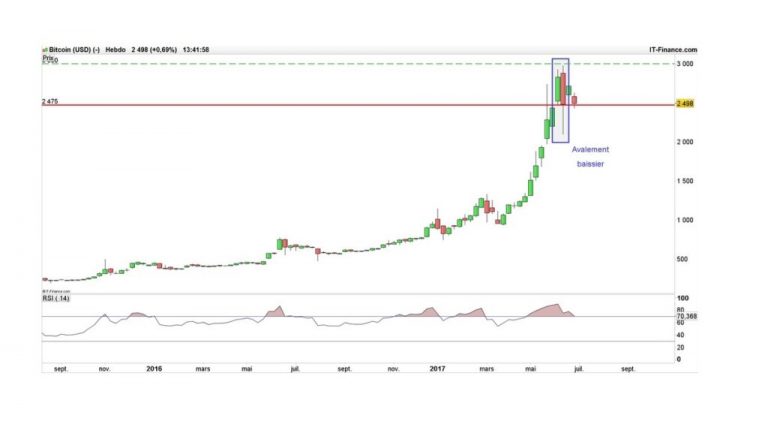
Bitcoin news price continues to capture the attention of investors and enthusiasts alike as it navigates through a maze of market fluctuations and global events. The landscape is ever-changing, and understanding the driving forces behind Bitcoin’s value is essential for anyone looking to invest or stay informed.

Currently, Bitcoin prices are influenced by a variety of factors, including regulatory changes, market sentiment, and comparisons with other cryptocurrencies. By exploring these elements, we can gain a clearer picture of where Bitcoin stands today and what it means for the future.

Current State of Bitcoin Prices

The Bitcoin market has been exhibiting notable volatility in recent weeks. As of the latest updates, Bitcoin prices have fluctuated between significant support and resistance levels, indicating a period of consolidation amid broader market movements. Investors are closely monitoring these price dynamics, seeking to understand both the potential risks and rewards associated with Bitcoin investments.Recent trends illustrate that Bitcoin has seen a resurgence, climbing back to levels reminiscent of its previous peaks.

This rebound can be attributed to a mix of various factors, including macroeconomic conditions, regulatory developments, and market sentiment. Despite previous downturns, Bitcoin remains a focal point of interest among both seasoned and new investors.

Factors Influencing Bitcoin Price Fluctuations

Understanding what drives Bitcoin’s price is crucial for any investor or enthusiast. Several key factors play a role in the price dynamics of this cryptocurrency:

  • Market Sentiment: The overall mood in the cryptocurrency markets significantly impacts Bitcoin’s price. Positive news can drive prices up, while negative developments can trigger declines.
  • Regulatory News: Changes in regulations, especially in major markets like the U.S. and Europe, can lead to swift price adjustments. For instance, announcements regarding security classification or taxation can create uncertainty, impacting investor behavior.
  • Institutional Adoption: Increased interest from institutional investors has historically led to price surges. High-profile investments or endorsements from major financial firms can boost confidence in Bitcoin’s value.
  • Technological Developments: Upgrades to the Bitcoin network, like the implementation of the Lightning Network, aim to improve transaction efficiency and scalability, positively influencing investor outlook.
  • Market Liquidity: The availability of Bitcoin in the market affects its price. Low liquidity often leads to higher volatility, whereas increased trading volume can stabilize prices.

The historical price data of Bitcoin provides essential context. For example, Bitcoin’s price soared to nearly $64,000 in April 2021 before experiencing a significant correction. As of recent updates, the price is hovering around the $30,000 mark, reflecting a substantial drop yet showcasing resilience as it remains above critical support levels. This historical perspective underscores the cyclical nature of Bitcoin, where spikes and corrections have been a recurring theme.

“Bitcoin’s historical trends reveal the necessity for patience and risk management in an ever-evolving market landscape.”

Major News Events Impacting Bitcoin Prices

Recent developments in technology, finance, and regulation have significantly influenced Bitcoin prices. As the cryptocurrency landscape continues to evolve, various news events have played pivotal roles in shaping market dynamics. Observing these events helps investors gauge potential price movements and understand the underlying factors driving changes in Bitcoin’s valuation.Regulatory changes have emerged as a critical factor impacting Bitcoin prices. As governments worldwide adapt to the growing influence of cryptocurrencies, new legislation often leads to sharp market reactions.

For instance, the recent announcement by the U.S. Securities and Exchange Commission (SEC) regarding stricter oversight of crypto exchanges created waves of concern among investors, leading to a temporary decline in Bitcoin’s value. Similarly, news surrounding regulatory frameworks in countries like China, which initially enforced a crackdown on mining and trading, continues to shape market sentiment and investor confidence.

Regulatory Changes Affecting Bitcoin

Regulatory developments are crucial to understanding Bitcoin’s price volatility. Several key changes have emerged recently:

  • Increased scrutiny from regulatory bodies: The SEC’s recent push for more stringent regulations on cryptocurrency exchanges has heightened anxiety among traders, leading to price fluctuations.
  • International regulatory alignment: Countries are beginning to harmonize their crypto regulations, which could lead to greater market stability. This includes discussions in the European Union about a unified regulatory framework.
  • Tax implications for crypto transactions: New guidelines on taxation of cryptocurrency transactions in the U.S. have created uncertainty, impacting investor behavior and overall market enthusiasm.

Market sentiment, heavily influenced by news coverage and public perception, also plays a significant role in Bitcoin’s pricing. Positive news, such as institutional adoption or major companies announcing Bitcoin integration, often leads to bullish market behavior. Conversely, negative headlines—such as security breaches or unfavorable regulations—can incite fear and lead to rapid sell-offs.

Market Sentiment and Its Influence on Bitcoin Pricing

Understanding market sentiment is essential for grasping Bitcoin price movements. Recent events have underscored how sentiment can sway prices dramatically.

  • The announcement of major companies, such as Tesla and MicroStrategy, buying substantial amounts of Bitcoin created a positive sentiment, leading to a significant price surge.
  • Conversely, the backlash against Bitcoin mining due to environmental concerns has led to negative sentiment, resulting in price corrections.
  • Social media trends and influential endorsements or criticisms can rapidly alter public perception, impacting Bitcoin’s price trajectory within days.

As investors navigate the complexities of the Bitcoin market, keeping an eye on regulatory changes and market sentiment is vital for making informed decisions. The interplay between news events and Bitcoin pricing remains a critical area for both seasoned and new investors alike.

Comparison with Other Cryptocurrencies

The landscape of cryptocurrencies is vast and dynamic, with Bitcoin often seen as the benchmark for other digital assets. Understanding how Bitcoin’s price movements correlate with other major cryptocurrencies can provide deeper insights into market behavior and investment strategies. This comparison reveals not only the shifts in individual prices but also the collective trends that influence the overall market sentiment.

Price Movements of Bitcoin vs. Major Altcoins

Bitcoin’s price movements are frequently mirrored by several major altcoins, though the degree of correlation can vary. This relationship is crucial for investors seeking to diversify their portfolios while still maintaining exposure to Bitcoin’s market dynamics.

Ethereum (ETH)

Historically, Ethereum has shown a strong correlation with Bitcoin. When Bitcoin experiences significant price swings, Ethereum often follows suit, albeit sometimes with amplified volatility. For instance, during the bull run of late 2020, Bitcoin’s surge above $20,000 was paralleled by Ethereum’s rise past $600.

Ripple (XRP)

XRP’s price movements have been less predictable relative to Bitcoin. While there are occasions where XRP follows Bitcoin’s upward trends, regulatory developments and legal challenges often lead to price decouplings.

Litecoin (LTC)

Litecoin has often mirrored Bitcoin’s price, especially during market uptrends. The “silver to Bitcoin’s gold” analogy holds as Litecoin tends to follow Bitcoin’s price action closely, benefiting from its reputation as a testbed for Bitcoin technology.The correlation between Bitcoin and altcoins is essential as it highlights the interconnected nature of the cryptocurrency market.

Market Capitalization and Its Implications

Market capitalization plays a significant role in understanding Bitcoin’s pricing dynamics in relation to other cryptocurrencies. Bitcoin consistently maintains the largest market cap, significantly influencing market trends.

Dominance

Bitcoin’s market dominance, which hovers around 40-50%, often dictates the overall market sentiment. When Bitcoin rallies, it typically pulls altcoins along with it, whereas a decline may lead to a sell-off across the board.

Market Cycles

The differing market capitalizations of altcoins compared to Bitcoin lead to varied reactions during market cycles. Smaller market cap coins can experience exaggerated price movements, leading to higher risk but also potential rewards during bullish phases.

Investor Strategy

Understanding market cap differences can guide investment strategies. Investors may prefer Bitcoin for stability while allocating funds to altcoins for potential high returns. This strategy reflects the risk-reward balance present in cryptocurrency investments.The interplay of Bitcoin’s price movements with these factors underscores the importance of comprehensive market analysis, providing investors with clarity in their decision-making processes.

Predictions and Future Trends

As the cryptocurrency landscape continues to evolve, predictions regarding Bitcoin’s future price trends are at the forefront of many investors’ minds. Industry experts and analysts are closely monitoring various market indicators, technological advancements, and macroeconomic factors to gauge where Bitcoin might be heading. Understanding these elements can provide valuable insights for making informed decisions about Bitcoin investments.The future of Bitcoin pricing is influenced by several critical factors, including regulatory changes, market sentiment, and technological developments.

Analysts have made varying predictions based on current trends and historical data, often citing significant price movements in response to global events. As we delve deeper, it becomes evident that several key conditions are likely to shape Bitcoin’s trajectory in the near future.

Expert Predictions on Bitcoin Price Trends

Industry experts have offered diverse predictions regarding Bitcoin’s price movements based on the current market dynamics and historical performance. Some notable predictions include:

  • Long-Term Bullish Outlook: Prominent analysts, such as those at Goldman Sachs, project that Bitcoin could reach upwards of $100,000 by the end of 2025, driven by increased adoption and institutional investment.
  • Market Volatility: Many experts acknowledge that while the long-term outlook may be positive, short-term volatility is expected. Historical patterns suggest that Bitcoin’s price often reacts dramatically to market sentiment and economic news.
  • Impact of Halving Events: The next Bitcoin halving, expected in 2024, typically leads to price surges due to reduced supply. Analysts speculate this could push prices significantly higher in the months following the event.

Market Conditions Influencing Bitcoin Prices

Several market conditions can directly impact Bitcoin’s price in the coming months. Understanding these conditions is crucial for predicting potential price movements:

  • Regulatory Environment: Changes in regulations across key markets, particularly in the U.S. and Europe, could either bolster Bitcoin’s legitimacy or create barriers to entry for investors.
  • Inflation and Economic Recovery: As central banks worldwide respond to inflationary pressures, Bitcoin is increasingly viewed as a hedge against fiat currency devaluation, influencing its attractiveness to investors.
  • Institutional Investment Trends: The growing participation of institutional investors, such as hedge funds and publicly traded companies, has the potential to stabilize Bitcoin prices and contribute to upward momentum.

Technological Developments Affecting Bitcoin Pricing Dynamics

Technological advancements play a crucial role in shaping Bitcoin’s pricing dynamics. Recent developments include:

  • Layer 2 Solutions: Technologies like the Lightning Network are designed to improve Bitcoin’s scalability and transaction speed, potentially making it more appealing for everyday transactions and increasing overall demand.
  • Smart Contracts and Decentralized Finance (DeFi): Innovations that integrate Bitcoin into DeFi ecosystems could broaden its utility and strengthen its market position, influencing its price positively.
  • Environmental Concerns and Energy Solutions: Ongoing discussions regarding Bitcoin’s environmental impact are prompting developments in sustainable mining practices. A shift towards greener alternatives could enhance Bitcoin’s public perception and drive investment.

Investment Strategies in Relation to Bitcoin Prices

As Bitcoin continues to evolve within the financial landscape, investors are developing various strategies tailored to capitalize on its price movements. Understanding these strategies can help maximize returns while managing risks effectively. This discussion will explore essential investment strategies, methods for analyzing market trends, and specific risk management techniques that can be applied to Bitcoin investments.

Investment Strategies Tailored to Bitcoin Price Movements

A variety of investment strategies can be employed to navigate the volatility and potential profitability of Bitcoin. These strategies range from long-term holding to active trading.

  • Buy and Hold: This long-term strategy involves purchasing Bitcoin and holding it for an extended period, regardless of price fluctuations. The rationale is based on the belief that Bitcoin’s value will appreciate significantly over time.
  • Dollar-Cost Averaging: This approach entails investing a fixed amount of money into Bitcoin at regular intervals, regardless of its price. This method helps mitigate the impact of volatility and reduces the risk of making poor investment decisions based on market timing.
  • Active Trading: Traders may engage in short-term buying and selling based on market trends and price actions. This strategy requires a good understanding of technical analysis and the ability to react quickly to market changes.
  • Margin Trading: This involves borrowing funds to increase the position size when trading Bitcoin. While this can amplify profits, it also significantly increases the risk of losses.

Methods for Analyzing Bitcoin Market Trends

Effective analysis of Bitcoin market trends is crucial for making informed investment decisions. Various techniques can be employed, including fundamental analysis and technical analysis.

  • Technical Analysis: This method involves analyzing price charts and market data to forecast future price movements. Key indicators include moving averages, Relative Strength Index (RSI), and Bollinger Bands, which help identify trends and potential reversal points.
  • On-Chain Analysis: This technique evaluates blockchain data to uncover insights about market trends. Metrics like active addresses, transaction volume, and miner activity can provide valuable information about market sentiment and potential price movements.
  • Sentiment Analysis: Monitoring social media, news articles, and community discussions can help gauge market sentiment. High levels of optimism or pessimism can indicate potential price movements.

Risk Management Techniques for Bitcoin Investments

Given the inherent volatility of Bitcoin, implementing effective risk management techniques is vital for protecting investments.

  • Setting Stop-Loss Orders: A stop-loss order automatically sells Bitcoin once it reaches a predetermined price, helping limit potential losses.
  • Diversification: Spreading investments across different assets can help reduce risk. While Bitcoin can be a significant part of an investment portfolio, including other cryptocurrencies and asset classes can help mitigate volatility.
  • Position Sizing: Determining the appropriate amount to invest in Bitcoin relative to the overall portfolio size is essential. A commonly used rule is to risk only a small percentage of the total portfolio on any single trade.
  • Regular Portfolio Review: Continually monitoring and adjusting the investment strategy based on market conditions and performance can help ensure that investments remain aligned with financial goals and risk tolerance.

Bitcoin Price Analysis Tools and Resources

Bitcoin price analysis is essential for investors and traders seeking to make informed decisions in the volatile cryptocurrency market. With the right tools and resources, one can track price movements, analyze trends, and understand market sentiment. This section delves into various tools used for Bitcoin price tracking, along with platforms providing real-time updates.

Tools for Bitcoin Price Tracking

Numerous tools can assist in tracking Bitcoin prices effectively. These tools often include advanced features for technical analysis, allowing users to identify trends and potential market movements.

  • CoinMarketCap: This widely recognized platform offers real-time tracking of Bitcoin and other cryptocurrencies, displaying current prices, market capitalizations, and trading volumes across various exchanges.
  • TradingView: An advanced charting tool that provides comprehensive technical analysis features, including various indicators and customizable charts for Bitcoin price movements.
  • Blockfolio: A mobile app that enables users to track their cryptocurrency investments and provides real-time price updates for Bitcoin and altcoins, along with portfolio management features.
  • CryptoCompare: This platform offers price tracking, charting tools, and a community forum, allowing users to compare Bitcoin prices across different exchanges.

Websites and Platforms for Real-Time Bitcoin Price Updates

Access to real-time Bitcoin price updates is crucial for traders. Here is a list of reliable websites and platforms that provide such updates, ensuring investors stay informed about market movements.

  • CoinGecko: Offers real-time price updates, historical data, and a full range of analytics for Bitcoin and other cryptocurrencies.
  • Binance: As one of the largest cryptocurrency exchanges, Binance provides a real-time Bitcoin price feed along with trading pairs and market analysis tools.
  • Kraken: This exchange provides up-to-date Bitcoin pricing information along with charts and trading tools to assist users in making informed trading decisions.
  • Yahoo Finance: By including cryptocurrency section updates, Yahoo Finance provides users with Bitcoin price changes and related financial news.

Utilizing Technical Analysis for Bitcoin Pricing Insights

Technical analysis is an invaluable method for interpreting Bitcoin price movements. It involves studying past market data, primarily price and volume, to forecast future price actions.

  • Chart Patterns: Understanding patterns such as head and shoulders, triangles, and flags can help predict future price movements and market trends.
  • Indicators and Tools: Common indicators like Moving Averages, Relative Strength Index (RSI), and Bollinger Bands provide insights into market momentum and potential reversal points.
  • Volume Analysis: Analyzing trading volume alongside price movements can indicate the strength of a price trend. Increased volume during a price rise often signifies a solid upward trend.

“Technical analysis provides insights into potential future price movements based on historical data, allowing traders to make informed decisions.”

Social Media and Bitcoin Price Influence

Social media has become a vital force in shaping public perception and influencing the price of Bitcoin. With millions of users engaging in discussions about cryptocurrencies, platforms like Twitter, Reddit, and Facebook have created a dynamic environment where information spreads rapidly, affecting market sentiment.The impact of social media trends and discussions on Bitcoin prices can be significant. When certain topics gain traction, they can lead to increased buying or selling activities.

A spike in positive sentiment can drive prices upward, while negative news can trigger panic selling. Consequently, tracking social media buzz is often seen as an essential part of market analysis.

Influencers and Public Figures in Bitcoin Market Perception

Influencers and public figures play a crucial role in shaping perceptions of Bitcoin and the broader cryptocurrency market. Their endorsements or criticisms can lead to swift price movements, and their opinions are often regarded as indicators of market sentiment.

Influencer Impact

Social media influencers can sway their followers through well-timed posts or comments about Bitcoin, leading to significant price changes. For instance, when Elon Musk tweets about Bitcoin, it often results in immediate fluctuations in its price. This highlights the power influencers wield in this digital age.

Celebrity Endorsements

Public figures, like celebrities, can also affect Bitcoin’s market perception. When a celebrity shares their support for Bitcoin or discusses its potential, it can create a fan-driven rush to buy, pushing prices higher.The following platforms have notably impacted Bitcoin pricing through these influences:

  • Twitter: Known for real-time discussions, Twitter hosts influential figures whose tweets can lead to rapid market reactions. A single tweet from a well-known personality can set off a buying frenzy.
  • Reddit: With communities dedicated to cryptocurrencies (like r/Bitcoin), discussions and opinions shared here can significantly influence price movements. Posts that gain traction can lead to increased interest and investment in Bitcoin.
  • Instagram: While visual content dominates Instagram, influencers can use this platform to promote Bitcoin, reaching a younger audience and generating interest in the cryptocurrency space.

The interconnectedness of social media and Bitcoin prices illustrates how much market sentiment can be influenced by online discussions. As engagement on these platforms continues to grow, the relationship between social media trends and Bitcoin pricing will likely deepen.

“In the digital age, social media is as powerful as any financial report when it comes to influencing market movements.”

Global Economic Factors Affecting Bitcoin Prices

Bitcoin’s price is significantly influenced by global economic conditions, making it essential for investors and enthusiasts to understand these factors. Economic stability, inflation rates, currency strength, and geopolitical events all play pivotal roles in shaping the cryptocurrency market. As Bitcoin continues to gain traction as an alternative asset, its prices increasingly reflect broader economic trends, impacting investor sentiment and market volatility.One of the primary economic indicators affecting Bitcoin prices is the overall state of financial markets.

Economic growth or recession can lead to increased or decreased investment in cryptocurrencies. Furthermore, central bank policies regarding interest rates and monetary supply heavily influence Bitcoin’s valuation. When traditional markets face uncertainty, Bitcoin can act as a hedge against economic instability.

Key Economic Indicators to Monitor for Bitcoin Price Predictions

Monitoring specific economic indicators can provide valuable insight into potential Bitcoin price movements. The following indicators are crucial for assessing market conditions:

  • Inflation Rates: Rising inflation often leads investors to seek alternative assets like Bitcoin as a store of value.
  • Interest Rates: Lower interest rates typically make Bitcoin more attractive compared to traditional savings, influencing demand.
  • Stock Market Performance: Correlations between Bitcoin and stock indices can indicate investor sentiment and risk appetite.
  • Economic Growth Metrics: GDP growth can signal economic health, affecting market confidence in both traditional and digital currencies.
  • Currency Strength: The strength of fiat currencies, particularly the US dollar, can impact Bitcoin pricing globally.

The relationship between inflation and Bitcoin pricing has become increasingly apparent. As inflation rises, the purchasing power of fiat currencies declines, prompting investors to consider Bitcoin as a more stable long-term investment. Historical data shows that during periods of significant inflation, Bitcoin’s value has often outperformed traditional assets, leading to a growing narrative around it being “digital gold.”

“Bitcoin is seen by many investors as a hedge against inflation, reinforcing its appeal during uncertain economic times.”

In addition to inflation, geopolitical events such as trade wars, political instability, and global pandemics can lead to sudden price fluctuations in Bitcoin. These events often create a ripple effect, influencing investor behavior and market dynamics. The ongoing dialogue about Bitcoin as a safe-haven asset continues to gain traction, particularly as economic uncertainties persist globally.Overall, keeping an eye on these economic indicators and understanding their implications can aid in making informed decisions about Bitcoin investments in an ever-evolving economic landscape.

Summary

In summary, the world of Bitcoin is dynamic and filling with opportunities and challenges. Keeping an eye on the latest news, market trends, and technological advancements will empower investors to make informed decisions in the fast-paced crypto market. Understanding these factors is key to navigating Bitcoin’s ongoing evolution effectively.

Commonly Asked Questions

What causes Bitcoin price fluctuations?

Bitcoin prices fluctuate due to various factors, including market demand, investor sentiment, regulatory news, and macroeconomic trends.

How often do Bitcoin prices change?

Bitcoin prices can change rapidly, often multiple times within a single day, due to the volatile nature of cryptocurrency markets.

What are the best tools for tracking Bitcoin prices?

Popular tools include cryptocurrency exchanges like Binance and Coinbase, as well as dedicated market tracking websites like CoinMarketCap and CoinGecko.

How does social media influence Bitcoin prices?

Social media plays a significant role in shaping public perception and investor behavior, with trends and discussions affecting market sentiment and price movements.

What are the future predictions for Bitcoin prices?

Experts have varied opinions, but many believe that technological advancements and increased adoption could drive Bitcoin prices higher in the long run.

As bitcoin japan takes center stage, this opening passage beckons readers into a world rich with information about the evolution of Bitcoin in Japan. From its early adoption to its current status, Japan has become a pivotal player in the global cryptocurrency arena.

This article delves into the history of Bitcoin in Japan, highlighting key milestones in its regulation, examining the role of major exchanges, and exploring how Japanese businesses are integrating Bitcoin into their operations. With public perception evolving and technology advancing, understanding Bitcoin’s journey in Japan is essential for anyone interested in the future of digital currency.

Overview of Bitcoin in Japan

Japan has become one of the most significant players in the cryptocurrency landscape, particularly with Bitcoin. This overview will delve into the history of Bitcoin adoption in Japan, key regulatory milestones, and the current usage among Japanese citizens. The journey of Bitcoin in Japan began shortly after the cryptocurrency’s inception in 2009. In 2013, the Japanese government acknowledged Bitcoin as a legitimate form of payment, marking the first major step towards adoption.

The public’s interest surged, leading to a rise in Bitcoin exchanges and mining operations. However, the infamous Mt. Gox exchange, which was based in Tokyo, collapsed in 2014 after a massive hack, causing a setback in the industry. Despite this, the Japanese government took further steps to regulate the market to enhance security and consumer protection.

Milestones in Bitcoin Regulation and Legislation

Japan has witnessed several key milestones in Bitcoin regulation that shaped the framework of cryptocurrency operations. The following points highlight notable regulatory actions:

  • In April 2017, Japan officially recognized Bitcoin as a legal payment method under the Payment Services Act, which laid the groundwork for regulated trading and the establishment of exchanges.
  • In 2018, the Financial Services Agency (FSA) began registering cryptocurrency exchanges, requiring them to comply with strict security measures to protect users’ funds.
  • In 2019, Japan introduced regulations requiring exchanges to report transactions to prevent money laundering and other illicit activities.
  • In 2020, the FSA approved several new cryptocurrency exchanges, enhancing consumer trust and fostering a more competitive market environment.

This regulatory environment aims to promote growth in the cryptocurrency sector while ensuring consumer protection and market integrity.

Current Status of Bitcoin Usage Among Japanese Citizens

Bitcoin adoption among Japanese citizens has grown considerably, reflecting a positive trend towards digital currencies. As of now, a notable percentage of the population is aware of Bitcoin, and many have engaged in its use:

  • A 2022 survey indicated that approximately 15% of Japanese individuals owned Bitcoin, showcasing a steady increase in interest and investment.
  • In urban areas, Bitcoin is increasingly accepted as a payment method by various businesses, including restaurants and retail stores, enhancing its practical use.
  • The rise of Bitcoin ATMs across major cities provides easy access for users to buy and sell Bitcoin, catering to the growing demand.
  • Local companies are also integrating Bitcoin into their payment systems, further normalizing its use in everyday transactions.

The combination of regulatory support and increasing consumer acceptance positions Japan as a leading nation in the global Bitcoin ecosystem.

Regulatory Environment

Japan has established itself as a frontrunner in the adoption and regulation of cryptocurrencies, particularly Bitcoin. The regulatory landscape in Japan is characterized by a proactive approach, aiming to balance innovation with consumer protection. This approach is crucial as it fosters a safe environment for users while encouraging the growth of the digital currency sector. Japan’s commitment to creating a robust regulatory framework provides clarity and security for both investors and businesses operating in the cryptocurrency space.

Overview of Japan’s Regulatory Framework

Japan’s regulatory framework for cryptocurrencies is primarily governed by the Payment Services Act (PSA), enacted in April 2017. This legislation defines cryptocurrencies as a form of digital money and sets out key guidelines for their use and trading. The law also mandates that cryptocurrency exchanges must register with the Financial Services Agency (FSA), which oversees compliance with anti-money laundering (AML) and know-your-customer (KYC) regulations.

To ensure the safety and integrity of the market, the FSA requires exchanges to maintain adequate security measures and to report any suspicious activity. This regulatory oversight not only aims to protect consumers but also to prevent illicit activities associated with cryptocurrencies. As part of its commitment to transparency and security, the FSA has conducted inspections and audits of registered exchanges, providing an additional layer of regulation in this emerging market.

Role of the Financial Services Agency (FSA)

The Financial Services Agency plays a pivotal role in the regulation of Bitcoin and other cryptocurrencies in Japan. The FSA is tasked with implementing and enforcing the rules laid out in the Payment Services Act. This includes the registration of cryptocurrency exchanges, which must meet specific criteria to operate legally within the country. Failure to comply with these regulations can result in severe penalties, including suspension or revocation of licenses.

The FSA also engages in continuous dialogue with industry stakeholders to ensure that regulations keep pace with technological advancements and market developments. For instance, after the major hacks on cryptocurrency exchanges, such as the Coincheck incident in January 2018, the FSA responded by tightening regulations and enhancing scrutiny of the industry. This proactive stance demonstrates the agency’s commitment to consumer protection and market integrity.

Comparison with Other Countries

When comparing Japan’s cryptocurrency regulations with those of other countries, it becomes evident that Japan has adopted one of the most comprehensive frameworks globally. Countries like the United States and the European Union have been slower to implement concrete regulations, resulting in a patchwork of rules that can vary significantly by state or member country. In contrast, Japan’s single regulatory body, the FSA, provides unified guidelines that enhance clarity for businesses and consumers alike.

For example, while the United States primarily relies on agencies like the SEC and CFTC for oversight, Japan’s FSA encompasses a broader scope that includes licensing for exchanges and oversight of ICOs (Initial Coin Offerings). Furthermore, nations like China have taken a more restrictive approach, imposing outright bans on cryptocurrency trading and ICOs, which contrasts sharply with Japan’s open and regulated market.

In summary, Japan serves as a model for cryptocurrency regulation, demonstrating a balance between encouraging innovation while ensuring consumer protection. By continuously adapting its regulatory framework, Japan maintains its status as a leader in the global cryptocurrency landscape.

Bitcoin Exchanges in Japan

Bitcoin exchanges play a crucial role in facilitating the buying, selling, and trading of Bitcoin and other cryptocurrencies in Japan. With the country being a leader in the crypto market, a variety of exchanges cater to both beginners and experienced traders. This section offers a detailed look at the major Bitcoin exchanges operating in Japan, their unique features, services, and security measures implemented to protect users.

Major Bitcoin Exchanges in Japan

The following list highlights some of the prominent Bitcoin exchanges that operate within Japan’s vibrant cryptocurrency ecosystem. Each exchange has its own set of features and ensures user security through various measures.

  • BITPoint Japan

    BITPoint offers a user-friendly platform suitable for both newcomers and seasoned traders. It provides services such as spot trading, cryptocurrency wallets, and a mobile app for trading on the go.

    “Designed for simplicity, BITPoint is an excellent entry point for those new to cryptocurrency.”

  • Coincheck

    Coincheck is one of the most popular exchanges in Japan, known for its intuitive interface and wide range of supported cryptocurrencies. It also offers a wallet service and a mobile trading app.

    “Coincheck supports over 14 cryptocurrencies, making it a versatile option for traders.”

  • Zaif

    Zaif caters to both casual and professional traders, offering features like spot trading, margin trading, and a unique token sale platform. It also has a loyalty program that rewards users for trading activities.

    “Zaif’s diverse offerings and incentives make it an attractive choice in the competitive exchange market.”

  • Bittrex Japan

    Bittrex is renowned for its robust security protocols and wide selection of cryptocurrencies. The Japan-specific platform adheres to local regulations and provides advanced trading options along with a comprehensive API for developers.

    “Bittrex prioritizes security, offering two-factor authentication and cold storage for assets.”

  • bitFlyer

    bitFlyer is one of the largest Bitcoin exchanges in Japan, offering a range of services including a professional trading platform and a marketplace for digital assets. Its focus on compliance ensures a secure trading environment.

    “With a strong emphasis on safety, bitFlyer implements industry-leading security practices.”

Security Measures Implemented by Exchanges

Security is a paramount concern for cryptocurrency exchanges, particularly in light of past incidents involving hacks and thefts. The major exchanges in Japan have implemented a variety of security measures to protect user assets and personal information.

  • Two-Factor Authentication (2FA)

    Most exchanges, such as Coincheck and bitFlyer, require users to enable 2FA, adding a crucial layer of security during login and transactions.

  • Cold Storage Solutions

    Exchanges like Bittrex and BITPoint utilize cold storage for the majority of user funds, keeping them offline to minimize the risk of cyber attacks.

  • Regular Security Audits

    Exchanges frequently conduct internal and external audits to assess their systems’ vulnerabilities and compliance with security protocols.

  • Insurance against Hacks

    Some exchanges, including Coincheck, have introduced insurance policies to safeguard users against potential losses arising from security breaches.

Bitcoin and Japanese Businesses

In recent years, Bitcoin has seen a significant rise in acceptance among Japanese businesses, reflecting the country’s progressive attitude towards cryptocurrency. Many local companies are recognizing the potential benefits of integrating Bitcoin payments into their operations, which range from attracting a tech-savvy customer base to reducing transaction fees compared to traditional payment methods.As businesses begin to adopt Bitcoin, they encounter various challenges.

These obstacles can stem from regulatory complexities, market volatility, and technological integration. Understanding these hurdles is crucial for businesses to navigate the cryptocurrency landscape effectively.

Integration of Bitcoin Payments

The integration of Bitcoin payments in Japanese businesses has surged, driven largely by the need for innovative payment solutions. Many companies have started to offer Bitcoin as a payment option, catering to a growing demographic of consumers who prefer using cryptocurrency. Some notable examples include:

  • Rakuten: This e-commerce giant allows customers to use Bitcoin for purchases on its platform, enhancing customer experience and expanding payment options.
  • Travel agencies: Several travel companies in Japan accept Bitcoin for booking flights and accommodations, appealing to international travelers who prefer to use cryptocurrency.
  • Restaurants and cafes: Establishments such as the Bitcoin Sushi restaurant have successfully implemented Bitcoin payments, attracting patrons interested in cryptocurrency.

Challenges Faced by Businesses

While the adoption of Bitcoin offers numerous benefits, Japanese businesses also face significant challenges. Some of the main hurdles include:

  • Regulatory uncertainty: The constantly evolving regulatory environment in Japan can create confusion for businesses trying to operate in compliance with laws surrounding cryptocurrency.
  • Volatility: Bitcoin’s price fluctuations can pose risks for businesses, as the value of transactions may change dramatically from the time of payment to the time of conversion into fiat currency.
  • Technical integration: Implementing the necessary technology and infrastructure to accept Bitcoin can be a complex process, requiring specialized knowledge and resources.

Successful Examples of Bitcoin Adoption

Several Japanese businesses have successfully navigated the challenges of accepting Bitcoin, serving as inspiring examples for others looking to follow suit.

“Leading the way in cryptocurrency acceptance, these businesses have shown that innovation can drive success in the digital economy.”

Noteworthy examples include:

  • Bitflyer: As one of Japan’s largest cryptocurrency exchanges, Bitflyer has also ventured into retail payments, allowing businesses to accept Bitcoin seamlessly.
  • Ginza’s Bitcoin Bar: This unique bar allows customers to pay for drinks in Bitcoin, creating an engaging atmosphere for crypto enthusiasts.
  • Payke: A mobile app that facilitates Bitcoin payments in stores, enhancing the shopping experience for users while promoting cryptocurrency utilization.

Public Perception of Bitcoin

The public perception of Bitcoin in Japan is a multifaceted topic, reflecting the country’s unique relationship with technology and finance. As a nation that embraces innovation, the sentiment towards Bitcoin is generally more progressive compared to many other countries. However, the nuances of this perception are influenced by a mixture of enthusiasm, skepticism, and a misunderstanding of the cryptocurrency’s fundamental nature.One significant aspect shaping the public’s view of Bitcoin is misinformation and misconceptions that have permeated discussions about cryptocurrency.

Many individuals still associate Bitcoin primarily with illicit activities, due to its early use in dark web transactions. This has led to a perception that Bitcoin is a “criminal currency,” overshadowing its legitimate applications and potential benefits. Furthermore, the volatile nature of Bitcoin’s price often fuels fear rather than excitement, leading to hesitance among potential investors.

Common Misconceptions about Bitcoin in Japan

The Japanese public harbors several misconceptions regarding Bitcoin, which can hinder its broader acceptance. Understanding these misconceptions is vital as they often stem from a lack of comprehensive education on the subject. Below are some prevalent misunderstandings:

  • Bitcoin is purely for illegal transactions: This belief persists despite Bitcoin being increasingly used for legitimate purchases and services, particularly in sectors like technology and retail.
  • Bitcoin is a scam: Many people view Bitcoin as a fraudulent scheme, largely due to high-profile scams and hacks, rather than recognizing its potential as a valid investment or payment method.
  • Bitcoin is too risky for average investors: The volatility associated with Bitcoin often deters individuals, but this perception overlooks the potential for significant returns and the growing trend of institutional investment.
  • It is difficult to use Bitcoin: While the technology may seem complex, numerous user-friendly platforms and wallets have simplified the process, making it more accessible.

Impact of Media Coverage on Public Awareness of Bitcoin

Media coverage plays a crucial role in shaping public awareness and sentiment towards Bitcoin. The way Bitcoin is reported can significantly influence how the public perceives its legitimacy and potential. Positive coverage can lead to increased awareness and interest, driving adoption among both businesses and consumers. Conversely, negative coverage, particularly concerning security breaches and regulatory crackdowns, can exacerbate fears and hinder growth.For instance, when Bitcoin’s price reaches new highs, media outlets often highlight success stories, capturing the attention of potential investors.

However, during market downturns, headlines tend to focus on losses and scams, reinforcing a cautious approach among the public.

The relationship between media portrayal and public perception underscores the importance of accurate, balanced reporting in cultivating a more informed understanding of Bitcoin in Japan.

Ultimately, the Japanese public’s perception of Bitcoin is a dynamic and evolving narrative, influenced by ongoing education, media presentation, and direct experiences with the cryptocurrency.

Bitcoin Technology and Innovations

The technological landscape of Bitcoin in Japan is marked by significant advancements and innovations that have positioned the country as a leader in the cryptocurrency arena. As Bitcoin continues to evolve, Japan’s commitment to leveraging cutting-edge technology has led to the development of unique solutions and initiatives that enhance the Bitcoin ecosystem.Japan has seen a number of technological advancements surrounding Bitcoin, driven by local tech companies and startups.

Innovations in blockchain technology, payment processing, and security measures are all crucial to the growth of Bitcoin in the region. Notably, Japan’s emphasis on regulatory compliance has also spurred advancements that align with legal frameworks, fostering a secure environment for cryptocurrency transactions.

Local Initiatives and Projects

Several initiatives in Japan focus on Bitcoin innovation, contributing to a more robust ecosystem. These projects often aim to address specific challenges or enhance user experience. Key initiatives include:

  • Bitcoin Wallet Development: Several Japanese startups have created user-friendly wallets that prioritize security and accessibility. These wallets often integrate advanced features like multi-signature security, biometric authentication, and instant transactions.
  • Blockchain Research Collaborations: Universities and research institutions in Japan are collaborating with tech companies to explore blockchain applications beyond finance, such as supply chain management and digital identity verification.
  • Payment Solutions for Merchants: Initiatives aimed at enabling local businesses to accept Bitcoin as a payment method have gained traction, simplifying the process for merchants through intuitive point-of-sale systems.
  • Community Engagement Programs: Organizations like the Japan Blockchain Association conduct regular workshops and meetups to promote Bitcoin education and foster community engagement among enthusiasts and businesses alike.

Role of Japanese Tech Companies

Japanese tech companies play a pivotal role in the development of Bitcoin-related technologies, actively investing in research and development. Major firms are focusing on integrating Bitcoin into their services while also creating proprietary solutions that enhance security and user experience. Some notable contributions include:

  • Security Enhancements: Companies like GMO Internet and BitFlyer have developed advanced encryption techniques to enhance the security of Bitcoin exchanges, reducing the risk of hacks and fraud.
  • Blockchain Solutions: Major corporations such as Fujitsu and Hitachi are exploring blockchain technology for various applications, showcasing its versatility and potential for efficiency in sectors beyond cryptocurrency.
  • Mobile Payment Integration: Companies are developing mobile apps that allow seamless Bitcoin transactions alongside traditional payment options, catering to a tech-savvy consumer base.

Through these innovations and initiatives, Japan continues to solidify its position at the forefront of the Bitcoin revolution, demonstrating a commitment to technological advancement that benefits both users and the broader financial landscape.

Future Trends in Bitcoin in Japan

As Japan continues to embrace the cryptocurrency landscape, the future of Bitcoin presents an intriguing array of possibilities. With its rich technological heritage and innovative spirit, the nation is poised to shape the evolution of Bitcoin regulation, investment, and overall market dynamics. This section delves into the anticipated changes in regulation, emerging investment trends, and the risks and challenges that could impact Bitcoin’s trajectory in Japan.

Potential Changes in Bitcoin Regulation in Japan

Japan has been at the forefront of cryptocurrency regulation, setting a precedent for other nations. The Financial Services Agency (FSA) has actively worked to create a secure environment for both businesses and consumers. Future regulatory changes may include:

  • Increased scrutiny on exchanges to enhance consumer protection and security measures.
  • Possibly stricter compliance requirements for Initial Coin Offerings (ICOs) to prevent fraud.
  • Expansion of taxation guidelines for cryptocurrency transactions, aiming for clearer reporting mechanisms.
  • Potentially integrating blockchain technology into government processes, leading to more favorable regulations for innovative companies.

These changes may position Japan as a leading destination for cryptocurrency innovation while ensuring consumer safety and fostering industry growth.

Emerging Trends in Bitcoin Investment Among Japanese Citizens

Japanese citizens are increasingly looking at Bitcoin as a viable investment option, driven by several factors:

  • A growing acceptance of Bitcoin in mainstream financial conversations and investment portfolios.
  • The influence of younger generations who are more inclined to explore digital assets.
  • Institutional interest from Japanese financial firms, indicating a shift towards more structured investment opportunities.
  • Development of user-friendly platforms that empower individuals to engage in Bitcoin trading and investment.

These trends reflect a burgeoning interest in Bitcoin that could lead to higher participation rates among retail investors.

Potential Risks and Challenges Facing Bitcoin’s Future in the Japanese Market

Despite the promising outlook for Bitcoin in Japan, several risks and challenges remain that could affect its future:

  • Market volatility that may deter new investors or cause existing investors to pull back.
  • Regulatory hurdles that could emerge from evolving government policies or international pressures.
  • Technological vulnerabilities that could lead to security breaches and loss of consumer trust.
  • Competition from emerging cryptocurrencies and financial technologies that may overshadow Bitcoin.

Addressing these challenges will be crucial for the sustainable growth of Bitcoin in Japan, requiring collaboration between regulators, businesses, and the community to foster a resilient investment landscape.

Epilogue

In summary, the journey of bitcoin japan showcases a dynamic landscape characterized by innovative regulations, widespread business adoption, and a growing acceptance among the public. As we look ahead, the future of Bitcoin in Japan appears promising yet filled with challenges, making it an exciting subject for investors and enthusiasts alike.

FAQ Insights

What is the current status of Bitcoin usage in Japan?

Bitcoin is widely accepted in Japan, with many businesses incorporating it as a payment option, and a growing number of citizens investing in it.

How does Japan’s regulation of Bitcoin compare to other countries?

Japan is known for its clear and structured regulatory framework for cryptocurrencies, often seen as more progressive compared to many countries.

What are the major Bitcoin exchanges in Japan?

Some of the largest Bitcoin exchanges in Japan include Bitflyer, Coincheck, and Zaif, each offering unique features and services.

What challenges do Japanese businesses face when accepting Bitcoin?

Challenges include volatility of Bitcoin’s value, regulatory compliance, and consumer understanding of cryptocurrency transactions.

How has public perception of Bitcoin changed in Japan?

Initially met with skepticism, public perception of Bitcoin is now more positive, particularly following regulatory clarity and increased acceptance.

Starting off with bitcoin exchange rate, it’s a crucial component in the world of cryptocurrency that influences how digital assets are traded and valued. Understanding this rate is not just for investors but for anyone curious about the financial landscape shaped by these digital currencies.

The bitcoin exchange rate reflects the value of bitcoin in various fiat currencies and is determined by numerous factors including supply and demand, market sentiment, and external economic indicators. As we dive deeper into the complexities surrounding this rate, we will uncover the historical trends, forecasting methods, and practical implications for traders and investors alike.

Understanding Bitcoin Exchange Rate

Bitcoin Exchange Rate Is at Its Highest

The bitcoin exchange rate is a fundamental concept in the cryptocurrency market, representing the value of Bitcoin relative to other currencies, including fiat currencies like the US Dollar, Euro, and others. This rate is crucial for traders, investors, and anyone dealing with Bitcoin, as it directly influences buying, selling, and overall market sentiment. The bitcoin exchange rate is influenced by a variety of factors that can cause fluctuations.

One key factor is supply and demand; as more people buy Bitcoin, its value tends to rise, while an increase in selling can lead to a decrease in price. Other factors include market sentiment, regulatory news, technological advancements, and macroeconomic trends. For instance, positive news about crypto adoption by financial institutions can drive prices up, while stringent regulations can lead to declines.

Factors Influencing Bitcoin Exchange Rate

Several important factors play a significant role in determining the bitcoin exchange rate. Understanding these factors can provide insights into potential future movements of Bitcoin’s value.

  • Market Sentiment: Public perception and investor sentiment regarding Bitcoin’s future can dramatically impact its exchange rate. Positive developments or endorsements can lead to an influx of buyers, raising the price.
  • Supply and Demand: The basic economic principle dictates that when demand exceeds supply, prices rise. Bitcoin’s supply is capped at 21 million coins, adding a unique scarcity factor that can drive value.
  • Regulatory Environment: Changes in regulations across different jurisdictions can either bolster or hinder Bitcoin’s value. For example, the announcement of new regulations in major markets can create uncertainty, leading to price volatility.
  • Technological Changes: Upgrades to the Bitcoin protocol, such as improvements in transaction speed and security, can enhance its usability and attractiveness, which may positively influence the exchange rate.
  • Macroeconomic Factors: Global economic conditions, including inflation rates, currency devaluation, and economic crises, can lead to increased interest in Bitcoin as an alternative asset, affecting its price.

Determination of Bitcoin Exchange Rate in Different Exchanges

The determination of the bitcoin exchange rate varies across different platforms, influenced by factors such as transaction volume, liquidity, and user demographics. Each exchange may display slightly different rates due to these conditions. The key aspects of how exchanges set their rates include:

  • Order Book Dynamics: Each exchange operates using an order book system where buyers and sellers place orders. The highest buying price and the lowest selling price determine the exchange rate at any given moment.
  • Liquidity Levels: Exchanges with higher liquidity tend to have more stable prices, as large trades do not significantly affect the market. Conversely, lower liquidity can lead to wild price swings.
  • Geographical Variations: Different regions might experience varying demand for Bitcoin, resulting in different exchange rates. Local factors, like currency strength and economic conditions, contribute to these discrepancies.
  • Exchange Fees: Fees imposed by exchanges can also affect the effective exchange rate for users, as they may need to account for these costs when buying or selling Bitcoin.

“The exchange rate of Bitcoin is not just a number; it embodies the intricate dynamics of market psychology, global economic conditions, and technological advancements.”

Historical Trends of Bitcoin Exchange Rate

Over the past decade, Bitcoin has undergone significant fluctuations in its exchange rate, shaping its perception as a digital asset. The volatility of Bitcoin has attracted both investors and skeptics, leading to a dynamic market environment that reflects broader economic sentiments and technological advancements.The historical trends of Bitcoin’s exchange rate reveal a rollercoaster journey characterized by rapid highs and sobering lows.

Since its inception, Bitcoin has experienced several dramatic price movements influenced by a multitude of events, including regulatory changes, technological innovations, and macroeconomic factors.

Major Historical Fluctuations

To understand the historical trends of Bitcoin’s exchange rate, it’s important to acknowledge key periods of volatility that have defined its market trajectory. Below are notable events that significantly impacted Bitcoin’s value:

  • 2011 – First Major Bubble: Bitcoin rose from around $1 in February to over $30 by June, before crashing to $2 by November, marking the first major bubble burst.
  • 2013 – Price Surges: Bitcoin’s price skyrocketed to over $1,100 in December, driven by increased media attention and speculative trading.
  • 2014 – Mt. Gox Collapse: The bankruptcy of the Mt. Gox exchange led to a price drop below $500, shaking investor confidence.
  • 2017 – All-Time High: Bitcoin experienced an unprecedented rally, reaching nearly $20,000 in December, fueled by institutional interest and the rise of Initial Coin Offerings (ICOs).
  • 2018 – Bear Market: Following the 2017 highs, Bitcoin’s value plummeted to around $3,200 by December 2018, marking a prolonged bear market.
  • 2020 – Pandemic Influence: The COVID-19 pandemic triggered economic uncertainty, prompting Bitcoin to rebound and reach over $60,000 by April 2021, as it gained traction as a hedge against inflation.

Market Cycles Comparison

Bitcoin’s exchange rate has consistently shown distinct behaviors during different market cycles, notably bull and bear markets. Each cycle illustrates investor sentiment, market dynamics, and external influences that shape pricing patterns.In bull markets, enthusiasm among investors often drives prices to new heights, characterized by rapid increases in value and widespread media coverage. Conversely, bear markets are marked by declining prices, often leading to fear and uncertainty among investors.

This cyclical nature can be summarized through notable price movements:

“Bitcoin’s exchange rate tends to follow a pattern of explosive growth during bull phases, followed by significant corrections in bear phases.”

The below table summarizes the performance of Bitcoin during the last few notable cycles:

Market Cycle Peak Price Trough Price Duration
2011 Bubble $30 $2 June – November
2013 Surge $1,100 $200 December – January 2015
2017 Boom $19,783 $3,194 December 2017 – December 2018
2020 Pandemic Rally $64,000 $28,000 March 2020 – May 2021

These trends reflect the inherent volatility and speculative nature of Bitcoin, highlighting the importance of understanding market cycles for potential investors. The interplay between investor psychology, global events, and technological advancements continues to shape the future trajectory of Bitcoin’s exchange rate.

Bitcoin Exchange Rate and Market Sentiment

Understanding the dynamics of market sentiment is essential when evaluating the volatility of the Bitcoin exchange rate. Market sentiment refers to the overall attitude of investors toward a particular market or asset, in this case, Bitcoin. This sentiment can significantly influence price movements, as emotional responses to news, events, and market trends can lead to rapid changes in buying and selling behavior, impacting the exchange rate.The relationship between market sentiment and Bitcoin exchange rate movements is evident in how traders react to both positive and negative news.

For instance, favorable regulatory developments or endorsements from influential figures can lead to a bullish sentiment, driving prices upward. Conversely, negative news such as hacks, regulatory crackdowns, or market crashes can trigger panic selling, causing the exchange rate to plummet. The interplay of these factors creates a cycle where sentiment and price movements influence one another.

Psychological Factors Affecting Bitcoin Value Perception

Several psychological factors play a pivotal role in shaping traders’ perceptions of Bitcoin’s value. These include fear of missing out (FOMO), herd behavior, and confirmation bias.

Fear of Missing Out (FOMO)

This phenomenon drives investors to buy Bitcoin when they observe others profiting from price increases. When Bitcoin experiences a significant rise, FOMO can lead to a surge in demand, further driving up the price. Traders often feel compelled to participate in the market, fearing they might miss out on potential profits.

Herd Behavior

Many investors tend to follow the actions of the majority rather than conducting their own independent analysis. This can create a snowball effect where a surge in buying activity can lead to inflated prices, while a sudden sell-off can trigger widespread panic and cause prices to dive.

Confirmation Bias

Traders may selectively search for information that confirms their existing beliefs about Bitcoin’s value. For example, if they believe that Bitcoin will rise, they may focus on positive news while ignoring negative reports, which can distort their perception of market conditions.These psychological factors contribute to the volatility of the Bitcoin market, making it essential for traders to recognize the influence of sentiment on their investment decisions.

Influence of News and Social Media on Bitcoin Exchange Rate

The impact of news and social media on the Bitcoin exchange rate has become increasingly prominent. In today’s digital age, information spreads rapidly, and social media platforms serve as significant channels for news dissemination. This immediacy can lead to swift reactions in the market, often resulting in dramatic price fluctuations.For instance, when influential figures in the tech or financial sectors share their opinions on Bitcoin, their statements can lead to immediate changes in market sentiment.

A tweet or post from a prominent figure can rally supporters and instigate buying frenzies, while negative commentary can have the opposite effect.Additionally, news cycles can create a sense of urgency or panic among investors.

Regulatory Announcements

Positive regulatory news can bolster confidence, while announcements of crackdowns can incite fear.

Market Events

Events such as high-profile hacks or significant market crashes tend to dominate news cycles, affecting investor behavior and subsequently the exchange rate.The speed at which news travels in the digital age means that traders must remain vigilant, as sentiment can shift rapidly based on the latest headlines and social media discussions. Understanding this influence is key to navigating the complex landscape of Bitcoin trading.

Bitcoin Exchange Rate Forecasting

Forecasting the Bitcoin exchange rate is crucial for traders, investors, and enthusiasts alike. As the cryptocurrency market evolves, understanding the potential future price movements of Bitcoin can lead to better investment decisions. This section delves into how various frameworks and methodologies can be employed to predict Bitcoin’s future exchange rate trends.

Framework for Predicting Future Bitcoin Exchange Rate Trends

Creating a robust framework for predicting Bitcoin exchange rates involves multiple components, including historical data analysis, current market conditions, and anticipated future events. The framework typically consists of the following key elements:

1. Historical Data Analysis

Analyzing past price movements, patterns, and market behavior plays a pivotal role in developing forecasts. By identifying trends, analysts can project future price movements.

2. Technical Analysis

This method uses statistical trends derived from trading activity. Indicators such as moving averages, RSI (Relative Strength Index), and Bollinger Bands help traders make informed predictions about future price performance.

3. Fundamental Analysis

This approach evaluates Bitcoin’s intrinsic value by considering external factors like regulatory news, adoption rates, technological advancements, and macroeconomic indicators. For example, news regarding institutional investment in Bitcoin can significantly impact price predictions.

4. Sentiment Analysis

The sentiment of market participants can influence Bitcoin’s exchange rate. Analyzing social media trends, news articles, and investor sentiment surveys can help gauge public perception and its potential effect on market prices.

5. Economic Indicators

Macroeconomic factors such as inflation rates, interest rates, and currency strength can correlate with Bitcoin’s value. Understanding these relationships can refine forecasting accuracy.

Methods Used for Bitcoin Price Forecasting

Various methods can be employed to forecast Bitcoin prices, each with its strengths and limitations. Here are some commonly used techniques in the cryptocurrency sphere:

Technical Analysis Tools

This involves chart patterns and technical indicators. For instance, Fibonacci retracement levels can help predict support and resistance levels in Bitcoin’s price chart, providing insight into potential price movements.

Machine Learning Algorithms

Machine learning models can analyze vast datasets to identify patterns and predict future Bitcoin prices. Algorithms such as regression analysis, neural networks, and decision trees are frequently utilized to enhance predictive capabilities.

ARIMA Models

Autoregressive Integrated Moving Average (ARIMA) models are statistical methods used for time series forecasting. They are useful for predicting Bitcoin prices based on historical data trends without the need for external factors.

Regression Analysis

By analyzing the relationship between Bitcoin prices and various independent variables (such as trading volume, market capitalization, or economic indicators), regression models can provide insights into future price movements.

“The effectiveness of a forecasting method often depends on the market condition and the time frame under consideration.”

Role of Algorithms and Machine Learning in Forecasting Bitcoin Exchange Rates

The integration of algorithms and machine learning techniques in Bitcoin exchange rate forecasting is revolutionizing how traders and analysts approach the market. These advanced technologies can process large volumes of data faster and more accurately than traditional methods. Key aspects include:

Data Processing

Machine learning algorithms can quickly analyze historical price data and identify patterns that may not be visible through manual analysis. This capability allows for real-time predictions based on the latest market conditions.

Adaptive Learning

Machine learning models can adapt to new data inputs, refining their predictions as market dynamics change. This adaptability makes them particularly valuable in the volatile cryptocurrency landscape.

Sentiment Analysis

Algorithms can also be trained to analyze social media and news articles, quantifying public sentiment and correlating it with price movements. This insight can enhance the forecasting model’s accuracy by incorporating market psychology.

Automated Trading Systems

Many traders use algorithmic trading systems that execute trades based on predefined criteria derived from machine learning forecasts. This automation can capitalize on price movements more efficiently than manual trading.In summary, the combination of historical data analysis, technical and fundamental methods, and advanced machine learning techniques provides a comprehensive approach to forecasting Bitcoin exchange rates. By employing these methodologies, traders and investors can enhance their decision-making processes in a complex and rapidly changing market.

Bitcoin Exchange Rate and Global Economics

The relationship between Bitcoin’s exchange rate and global economics is intricate and multifaceted. Various global economic indicators, such as inflation rates, employment figures, and geopolitical stability, play a pivotal role in shaping the value of Bitcoin across different markets. Unlike traditional currencies, Bitcoin operates outside of the conventional banking system, making its exchange rate particularly sensitive to global economic shifts.Global economic indicators significantly impact Bitcoin’s exchange rate, influencing investor behavior and market dynamics.

For instance, when traditional markets face downturns, such as during financial crises, Bitcoin often experiences increased demand as investors seek alternative assets. Factors like inflation, interest rates, and fiscal policies create an environment where Bitcoin can either thrive or struggle. An understanding of these relationships is crucial for anyone looking to navigate the cryptocurrency landscape effectively.

Bitcoin Exchange Rate Trends in Different Countries

Examining Bitcoin exchange rate trends across various countries reveals how localized economic conditions can drive differences in valuation. Factors such as currency stability, regulatory environment, and economic growth impact how Bitcoin is perceived and traded in different regions.

United States

In the U.S., Bitcoin’s exchange rate is often influenced by Federal Reserve policies and economic indicators like GDP growth. Recent trends show that Bitcoin tends to rise during periods of economic uncertainty or when inflation rates increase.

Venezuela

Hyperinflation has led many Venezuelans to turn to Bitcoin as a store of value, resulting in significant price premiums on exchange platforms within the country. This scenario highlights how economic distress can trigger increased interest in cryptocurrencies.

Japan

With a more stable economy and regulatory support, Bitcoin has been integrated into various financial systems, leading to relatively stable exchange rates compared to more volatile markets.These examples illustrate how localized economic conditions shape Bitcoin’s value, showing that the cryptocurrency’s perception can vastly differ even among similar markets.

Correlations Between Traditional Financial Markets and Bitcoin Exchange Rate

Understanding the correlations between traditional financial markets and Bitcoin’s exchange rate provides insight into market behavior and investor psychology. The price of Bitcoin often reflects sentiments observed in traditional markets, showcasing its role as an asset in broader financial contexts.

Stock Market Trends

Significant declines in stock markets often correlate with rises in Bitcoin prices, suggesting that investors may seek refuge in cryptocurrencies during downturns. For example, during the 2020 market crash triggered by the COVID-19 pandemic, Bitcoin saw notable gains as investors looked for alternative assets.

Gold Prices

Bitcoin is frequently compared to gold as a “safe haven” asset. When gold prices rise, it can indicate growing inflation concerns, which may simultaneously increase Bitcoin’s appeal as a digital store of value.

Interest Rates

Lower interest rates tend to drive investors toward non-yielding assets like Bitcoin, as the opportunity cost of holding cash is diminished. Observations from past trends reveal that, during periods of low interest rates, Bitcoin’s demand and price often rise in tandem with rising stock market indices.These correlations highlight the interconnectedness of Bitcoin with traditional financial systems, emphasizing the need for investors to monitor broader economic indicators alongside cryptocurrency market trends.

Practical Implications of Bitcoin Exchange Rate

The exchange rate of Bitcoin has significant implications for both investors and traders, shaping their strategies and influencing decision-making processes. Understanding these implications is crucial for anyone looking to navigate the volatile world of cryptocurrency effectively. The fluctuations in Bitcoin’s value against traditional currencies can create opportunities, but they also come with inherent risks that need to be managed wisely.

Implications for Investors and Traders

The Bitcoin exchange rate can dramatically impact investment portfolios and trading strategies. Investors often view the exchange rate as a measure of Bitcoin’s performance over time, which can dictate their buying and selling decisions. Volatility in the exchange rate presents both potential for gains and risk of losses. It is essential for traders to stay informed about market trends, economic indicators, and regulatory changes that can affect Bitcoin’s value.Bitcoin’s exchange rate also influences market sentiment, with positive trends often leading to increased buying activity, while negative trends can result in panic selling.

As a result, understanding how the exchange rate interacts with broader financial markets can help investors and traders make better-informed decisions.

Strategies for Managing Risks

To navigate the inherent volatility of Bitcoin’s exchange rate, investors and traders should adopt effective risk management strategies. These strategies can minimize potential losses while maximizing opportunities for profit. Key approaches include:

  • Diversification: Spreading investments across various cryptocurrencies or asset classes can reduce exposure to any single asset’s volatility. This approach helps in mitigating risks associated with drastic price swings of Bitcoin.
  • Stop-Loss Orders: Setting stop-loss orders allows traders to automatically sell their Bitcoin holdings at a predetermined price. This can help protect against significant losses during rapid downturns in the market.
  • Position Sizing: Adjusting the size of trades based on risk tolerance and market conditions ensures that investors do not overextend their capital on any single trade, reducing the impact of adverse price movements.
  • Regular Monitoring: Keeping an eye on Bitcoin’s price movements and market trends enables timely adjustments to trading strategies. This proactive approach can help traders respond swiftly to changing market conditions.

Choosing the Right Time to Buy or Sell Bitcoin

Timing is crucial when it comes to buying or selling Bitcoin, and understanding exchange rate trends can aid in making these decisions. Certain indicators and market patterns can signal optimal trading opportunities:

  • Technical Analysis: Utilizing charts and indicators, such as moving averages and RSI (Relative Strength Index), helps traders identify trends and potential reversal points in Bitcoin’s price movement.
  • Market Sentiment: Monitoring news, social media, and public sentiment can provide insights into market psychology. Positive sentiment can indicate a favorable time to buy, while negative news might suggest selling.
  • Economic Indicators: Keeping track of macroeconomic factors, such as inflation rates and interest rate changes, can impact Bitcoin’s exchange rate and provide context for trading decisions.
  • Historical Trends: Analyzing past performance during similar market conditions can provide guidance on potential future movements, helping traders make informed timing decisions.

Tools and Resources for Monitoring Bitcoin Exchange Rate

Staying updated on the Bitcoin exchange rate is crucial for investors and enthusiasts alike. Numerous tools and platforms are available that allow users to track real-time prices, historical data, and market trends, helping them make informed decisions. This section will explore popular resources for monitoring Bitcoin exchange rates and highlight the advantages of using real-time exchange rate applications.

Popular Platforms and Tools for Tracking Bitcoin Exchange Rates

Several platforms provide reliable data on Bitcoin exchange rates, each offering unique features that cater to different user needs. Here are some notable options:

  • CoinMarketCap: Known for its comprehensive data aggregation, CoinMarketCap offers real-time prices, market capitalization, and trading volume across various exchanges.
  • CoinGecko: This platform not only tracks Bitcoin but also provides detailed metrics on thousands of cryptocurrencies, including developer statistics and community engagement.
  • Binance: As one of the largest cryptocurrency exchanges, Binance allows users to monitor real-time prices and trading pairs, with the added benefit of being able to trade directly on the platform.
  • Kraken: This is another major exchange that provides comprehensive data on Bitcoin and other cryptocurrencies, along with advanced trading features.
  • Blockfolio: A mobile app that allows users to track their cryptocurrency investments in real time while also providing news and updates about market changes.

Features and Benefits of Using Real-Time Exchange Rate Apps

Real-time exchange rate applications offer several advantages that can enhance the trading and investment experience. Their key features include:

  • Instant Notifications: Users can set up alerts for significant price changes or market movements, allowing them to react swiftly to trading opportunities.
  • User-Friendly Interfaces: Many apps prioritize ease of use, making it simple for both beginners and experienced traders to navigate through features and data.
  • Comprehensive Data Analysis: These apps often include charts, historical data, and market trends, assisting users in making informed decisions based on thorough analysis.
  • Portfolio Tracking: Users can manage their cryptocurrency investments in one place, monitoring performance and making adjustments as needed.
  • Access to News and Insights: Many apps also aggregate relevant news and analytical content, keeping users informed about the factors influencing the market.

Comparison Table of Different Cryptocurrency Exchanges and Their Exchange Rates

Understanding the differences between cryptocurrency exchanges is vital for users looking to trade efficiently. The table below compares some of the leading exchanges based on their Bitcoin exchange rates and key features:

Exchange Bitcoin Exchange Rate Trading Fees Features
Coinbase $X,XXX.XX 1.49% per trade User-friendly interface, educational resources
Binance $X,XXX.XX 0.1% per trade Wide range of altcoins, advanced trading tools
Kraken $X,XXX.XX 0.16% maker, 0.26% taker Advanced security features, margin trading
Gemini $X,XXX.XX 0.35% per trade Highly regulated, insured assets
Bitstamp $X,XXX.XX 0.5% per trade Long-standing reputation, fiat currency support

Conclusive Thoughts

In summary, the bitcoin exchange rate is not merely a number but a reflection of market conditions, investor psychology, and global economic factors. As we continue to witness the evolution of cryptocurrency, staying informed about these dynamics can empower individuals to make informed trading decisions.

User Queries

What affects the bitcoin exchange rate?

The bitcoin exchange rate is influenced by factors such as market demand, investor sentiment, regulatory news, and economic indicators.

How can I track the bitcoin exchange rate?

You can track the bitcoin exchange rate using various cryptocurrency exchanges, financial news websites, or dedicated apps that provide real-time data.

Is the bitcoin exchange rate the same on all exchanges?

No, the bitcoin exchange rate can vary between exchanges due to differing supply and demand, transaction fees, and liquidity.

How often does the bitcoin exchange rate change?

The bitcoin exchange rate can change rapidly, often fluctuating within seconds due to market volatility.

What is a good strategy for trading based on the exchange rate?

A good strategy includes setting clear entry and exit points, staying updated on market news, and using tools for technical analysis to make informed trading decisions.

Beginning with bitcoin price live, the narrative unfolds in a compelling and distinctive manner, drawing readers into a story that promises to be both engaging and uniquely memorable.

Bitcoin has become a focal point in the financial world, with its price fluctuations capturing the attention of investors and enthusiasts alike. Understanding the current trends, the tools available for tracking prices, and the factors influencing these changes provides a comprehensive overview of the ever-evolving landscape of cryptocurrency.

Current Bitcoin Price Trends

Recent fluctuations in Bitcoin prices have captured the attention of investors and analysts alike. Over the last few weeks, Bitcoin has experienced notable volatility, oscillating between highs and lows influenced by various economic factors and market sentiment. Understanding these trends is crucial for anyone looking to navigate the cryptocurrency landscape effectively.Several factors contribute to the live changes in Bitcoin prices.

Market demand and supply dynamics play a pivotal role, with large trades and investor sentiment heavily influencing price movements. Additionally, regulatory developments, macroeconomic indicators, and technological advancements within the blockchain space can either bolster or suppress prices. As we witness the evolution of Bitcoin as a mainstream asset, these elements collectively shape its market behavior.

Recent Price Fluctuations

The recent price movements of Bitcoin reveal a pattern of sharp rises followed by corrections, reflecting investor reactions to news and market conditions. In particular, the following points highlight key elements of this trend:

  • The price surged past $30,000 for the first time in months, driven by positive sentiment from major financial institutions entering the market.
  • A subsequent correction occurred, dropping to around $28,000 as profit-taking by traders led to increased selling pressure.
  • The introduction of new regulations in prominent markets, like the U.S. and Europe, has led to fluctuations as investors reassess risks and opportunities.

Historical price charts serve as valuable tools for understanding current trends. They not only illustrate the volatility of Bitcoin but also provide context regarding its overall growth trajectory. Analyzing these charts, we notice notable price resistance and support levels formed over the years.

Influencing Market Factors

Various factors influence the price of Bitcoin, including but not limited to:

  • Market Sentiment: Social media trends and news articles contribute significantly to traders’ emotions, often leading to rapid price shifts.
  • Institutional Adoption: Increased investment from institutional players has sparked confidence, leading to higher price expectations.
  • Regulatory News: Announcements regarding the legal status of cryptocurrencies in major economies result in immediate market responses, either positively or negatively.

Each of these factors emphasizes the intricate nature of Bitcoin’s price dynamics. The interplay between market sentiment and regulatory developments illustrates why keeping abreast of news is essential for investors.

“Bitcoin’s price is a reflection of collective market psychology, driven by a mix of speculation, fear, and optimism.”

In summary, current Bitcoin price trends are shaped by a complex array of factors, from market dynamics to historical influences. Understanding these elements allows investors to make more informed decisions as they navigate this volatile market.

Tools for Live Bitcoin Price Tracking

To stay updated on the volatile world of Bitcoin, utilizing the right tools for live price tracking is essential. Various platforms offer real-time updates, analytics, and additional features that can aid both casual investors and serious traders. This section highlights some popular options for monitoring Bitcoin prices and provides a comprehensive comparison of their features.

Popular Platforms for Live Bitcoin Price Updates

Several platforms are known for delivering accurate and timely Bitcoin price updates. These platforms not only track prices but also often include market insights and trading tools.

  • CoinMarketCap: Offers a comprehensive overview of Bitcoin and other cryptocurrencies, including historical data, market capitalization, and volume statistics.
  • CoinGecko: Provides real-time price tracking, along with additional metrics such as developer activity and community engagement.
  • Blockfolio (now FTX App): A mobile app that allows users to track their cryptocurrency portfolios and receive price alerts directly to their devices.
  • Binance: Apart from being a major exchange, Binance allows users to track live prices and market trends for Bitcoin and thousands of altcoins.

Features Comparison of Bitcoin Tracking Apps

Understanding the features offered by different platforms can help users choose the best option for their needs. Below is a comparison table highlighting key features of popular Bitcoin tracking apps.

Platform Real-time Price Updates Portfolio Tracking Price Alerts Market Analysis Tools
CoinMarketCap Yes No Not Available Basic Charts
CoinGecko Yes No Available Advanced Charts
Blockfolio (FTX App) Yes Yes Available Limited Analysis
Binance Yes Yes Available Comprehensive Tools

Setting Up Price Alerts for Bitcoin

Setting up price alerts is a strategic way to stay informed about significant price changes without constantly monitoring the market. Below are steps for configuring alerts on different platforms.

  • CoinMarketCap: Users can create price alerts by signing up for an account, navigating to the ‘Alerts’ section, and specifying the price point at which they wish to be notified.
  • CoinGecko: After creating an account, users can access the ‘Price Alerts’ feature under their profile settings, select Bitcoin, and set their desired price thresholds.
  • Blockfolio (FTX App): Users can simply add Bitcoin to their portfolio and set alerts for specific price movements directly from the app’s interface.
  • Binance: Users can set alerts by accessing the ‘Markets’ tab, selecting Bitcoin, and using the alert feature to receive notifications via the app or email.

Utilizing price alerts ensures that you never miss critical market movements that could significantly impact your investments.

Impacts of Market News on Bitcoin Prices

Market news plays a pivotal role in influencing the price movements of Bitcoin. The cryptocurrency market is highly sensitive to news events, and traders often react swiftly to developments, leading to immediate fluctuations in price. Understanding how these news events impact Bitcoin can provide valuable insights for investors and analysts alike.Bitcoin’s price is often affected by a multitude of factors, including regulatory announcements, technological advancements, security breaches, and macroeconomic indicators.

The rapid dissemination of information means that sentiment can shift dramatically within short periods, driving prices up or down.

Examples of Major News Stories Affecting Bitcoin Prices

Several high-profile news stories have had significant immediate impacts on Bitcoin prices. These incidents illustrate how the market reacts to both positive and negative news.

  • China’s Cryptocurrency Ban (September 2021): When China announced a renewed crackdown on cryptocurrency trading and mining, Bitcoin’s price dropped sharply, losing approximately 10% within hours.
  • El Salvador Adopts Bitcoin as Legal Tender (September 2021): Following El Salvador’s announcement, Bitcoin’s value surged, hitting an all-time high as optimism surged around its adoption.
  • SEC’s Bitcoin ETF Decision (October 2021): The approval of a Bitcoin exchange-traded fund (ETF) in the U.S. led to a significant price increase, as institutional interest in Bitcoin swelled, pushing prices above $60,000.

Methods for Analyzing News Sentiment

Analyzing news sentiment can provide traders with actionable insights regarding potential price movements. Various tools and techniques can help gauge how news affects Bitcoin prices.One effective method is to use sentiment analysis tools that assess the tone of news articles and social media discussions surrounding Bitcoin. These tools utilize algorithms to classify news as positive, negative, or neutral.

Sentiment analysis can be a game-changer, as it helps traders understand the prevailing market mood and make informed decisions based on collective sentiment.

Additionally, monitoring trading volumes and price action following major news announcements can indicate how significantly the market reacts. Higher volumes during a news event often signify strong sentiment, whether positive or negative.Investors may also consider correlating news sentiment with historical price patterns. For instance, by analyzing past instances where similar news stories led to price movements, traders can create predictive models to forecast potential outcomes.In summary, market news is a critical driver of Bitcoin price movements.

By staying informed and utilizing sentiment analysis, traders can navigate the volatile landscape of Bitcoin investing with greater confidence.

Bitcoin Price Predictions

As the cryptocurrency market continues to evolve, predicting the price of Bitcoin has become a significant focus for traders and investors alike. Various methodologies are utilized to forecast Bitcoin’s price movements, and understanding these predictions can be crucial for making informed investment decisions. By analyzing historical trends and utilizing advanced analytical tools, traders can better position themselves in a volatile market.Technical analysis plays a vital role in Bitcoin price forecasting.

Traders examine price charts and patterns to identify potential future movements based on historical data. This analysis often incorporates various technical indicators that help to inform decision-making processes. The application of these tools allows for a more systematic approach to predicting Bitcoin’s price fluctuations.

Technical Analysis Tools for Price Forecasting

Utilizing technical analysis tools can enhance the accuracy of Bitcoin price predictions. These tools focus on chart patterns and statistical indicators derived from market behavior. Here are some commonly used indicators that traders leverage to anticipate Bitcoin price movements:

  • Moving Averages: This indicator smooths out price data to identify trends over a specific period. For instance, the 50-day and 200-day moving averages are critical for spotting long-term trends.
  • Relative Strength Index (RSI): RSI measures the speed and change of price movements, helping traders identify overbought or oversold conditions. A reading above 70 indicates an overbought market, while below 30 indicates oversold conditions.
  • Bollinger Bands: These bands consist of a middle band (moving average) and two outer bands that indicate volatility. Price movements toward the upper band can suggest overbought conditions, while movements toward the lower band can indicate oversold conditions.
  • MACD (Moving Average Convergence Divergence): This trend-following momentum indicator shows the relationship between two moving averages of a security’s price. It is useful for spotting changes in the strength, direction, momentum, and duration of a trend.
  • Fibonacci Retracement Levels: These levels can indicate potential reversal points in the market. Traders often use Fibonacci levels to establish entry and exit points based on historical price movements.

Moreover, the combination of these indicators creates a comprehensive view of market conditions, assisting traders in refining their strategies.

Understanding the interplay between these technical indicators can provide traders with valuable insights into potential Bitcoin price movements.

Comparing Bitcoin with Other Cryptocurrencies

Bitcoin, often referred to as the pioneer of digital currencies, sets the benchmark against which many alternative cryptocurrencies are measured. While its price trends can be indicative of the overall market sentiment, each cryptocurrency possesses unique characteristics and market dynamics that influence their price movements. Understanding these differences is crucial for any investor or enthusiast looking to navigate the complex world of cryptocurrencies.Price trends between Bitcoin and alternative cryptocurrencies often showcase stark contrasts, influenced by factors such as market capitalization, technology, and community support.

Bitcoin remains the dominant player, often leading price movements within the market. However, altcoins like Ethereum, Ripple, and Litecoin exhibit distinct trends due to their unique functionalities and adoption levels.

Price Comparison with Top Competitors

Comparing live prices among Bitcoin and its top competitors highlights the competitive landscape of the cryptocurrency market. The following table showcases the latest prices of Bitcoin alongside some well-known altcoins:

Cryptocurrency Symbol Live Price (USD) Market Cap (USD)
Bitcoin BTC $?? $??
Ethereum ETH $?? $??
Ripple XRP $?? $??
Litecoin LTC $?? $??

Distinct market factors play a role in influencing Bitcoin’s price in ways that may not equally affect other cryptocurrencies. For instance, Bitcoin often reacts to regulatory news or adoption by major financial institutions more significantly than altcoins due to its established reputation and first-mover advantage. Moreover, Bitcoin’s limited supply model creates a scarcity factor that can lead to higher price volatility during market movements.

In contrast, alternative cryptocurrencies may experience price shifts driven by technological advancements, project developments, or community engagement initiatives.

“The unique attributes of each cryptocurrency can lead to divergent price trends, and understanding these dynamics is essential for effective investment strategies.”

Overall, the interplay between Bitcoin and its competitors is a fascinating aspect of the cryptocurrency ecosystem, reflecting a blend of innovation, market psychology, and technological evolution.

Bitcoin Price in the Context of Global Economics

The price of Bitcoin is intricately linked to global economic events, making it essential to understand how these factors influence its market value. As a decentralized digital currency, Bitcoin often reacts to economic indicators, geopolitical tensions, and market sentiments that dominate worldwide economies. This connection highlights the importance of monitoring economic trends to gauge potential price movements.Global economic events such as changes in monetary policy, trade agreements, and financial crises can have immediate effects on Bitcoin prices.

For instance, when central banks implement stimulus measures or lower interest rates, investors might turn to Bitcoin as a hedge against inflation or currency devaluation. Conversely, economic stability and robust growth can lead to reduced demand for Bitcoin as a speculative asset, impacting its price negatively.

Inflation Rates and Bitcoin Price Trends

Inflation has become a significant concern for investors globally, and its relationship with Bitcoin prices is noteworthy. As inflation rates rise, the purchasing power of fiat currencies declines, prompting many to seek alternative stores of value, such as Bitcoin. This trend has been particularly evident in periods of high inflation, where Bitcoin often experiences price surges.Monitoring inflation rates can provide valuable insights for potential Bitcoin price movements.

Key factors include:

  • Consumer Price Index (CPI): A primary indicator of inflation that measures the average change in prices over time for a basket of goods and services. A rising CPI often signals increased inflation, which can lead to higher Bitcoin prices as investors seek refuge.
  • Producer Price Index (PPI): This index measures the average changes in prices received by domestic producers for their output. A significant increase in the PPI can foreshadow rising consumer prices, potentially affecting Bitcoin demand.
  • Central Bank Policies: Decisions made by central banks regarding interest rates and monetary policy can have direct implications for inflation and, subsequently, Bitcoin prices. Lowering interest rates generally boosts asset prices, including cryptocurrencies.
  • Geopolitical Tensions: Events such as wars, trade disputes, or political instability can lead to economic uncertainty and inflation, driving individuals towards Bitcoin as a safer asset.

“Inflation can serve as a catalyst for Bitcoin’s price increase, as it compels investors to look for assets that can preserve value.”

Key Economic Indicators for Bitcoin Price Analysis

Analyzing Bitcoin’s price requires keeping an eye on various economic indicators that reflect the overall health of the economy. These indicators provide context and can help predict future price movements. Important economic indicators to watch include:

  • Gross Domestic Product (GDP): A strong GDP growth can indicate a healthy economy and reduce demand for Bitcoin as an alternative investment, while a declining GDP may increase Bitcoin’s appeal as a hedge against economic downturns.
  • Unemployment Rates: High unemployment can lead to economic instability, prompting an increase in Bitcoin investments as people seek alternatives during tough times.
  • Interest Rates: Changes in interest rates directly affect investment strategies. Lower rates typically lead to increased borrowing and spending, which can boost Bitcoin’s price as investors seek higher returns in alternative assets.
  • Currency Strength: The strength of the U.S. dollar or other currencies can influence Bitcoin pricing. A weakening dollar often correlates with rising Bitcoin prices as investors look for assets to hedge against currency depreciation.

“Understanding how these economic indicators interact with Bitcoin’s price can enhance investment strategies and market forecasting.”

Understanding Price Volatility

Bitcoin’s price volatility is a defining characteristic that can lead to significant gains or losses for investors and traders alike. This volatility is influenced by various factors ranging from market sentiment to external economic conditions. Real-time price swings can be dramatic, making it crucial for participants in the Bitcoin market to understand the underlying reasons for these fluctuations.The primary reasons behind Bitcoin’s price volatility include its relatively low market capitalization compared to traditional financial assets, speculative trading, and the influence of news cycles.

Additionally, Bitcoin’s decentralized nature means that it is less immune to market shocks, whether from regulatory news, technological developments, or macroeconomic factors. Such elements contribute to rapid price changes, making real-time analysis essential for effective trading.

Strategies for Managing Risk During High Volatility

Given the unpredictable nature of Bitcoin’s price movements, managing risk effectively is essential for anyone involved in trading. The following strategies can help mitigate the risks associated with these price swings:Before diving into specific strategies, it is important to recognize that trading during high volatility requires a clear plan and discipline. The following points Artikel effective techniques for trading in such conditions:

  • Set Stop-Loss Orders: Implementing stop-loss orders can protect your investment by automatically selling your Bitcoin when it reaches a certain price point, thereby limiting potential losses.
  • Use Limit Orders: Instead of market orders, limit orders allow you to specify a price at which you are willing to buy or sell, providing more control in volatile markets.
  • Diversify Your Portfolio: Spreading investments across various assets can reduce risk exposure and cushion against Bitcoin’s price fluctuations.
  • Stay Updated on Market News: Real-time updates on market sentiment and major news events can provide insights into potential price movements, allowing for quicker decision-making.
  • Practice Risk Management: Establish the amount of capital you are willing to risk on each trade and stick to that plan, avoiding emotional decision-making.
  • Engage in Dollar-Cost Averaging: Regularly investing a fixed amount in Bitcoin can reduce the impact of volatility, as prices can average out over time.

Final Conclusion

In summary, the exploration of bitcoin price live reveals not only the intricacies of its market dynamics but also the broader economic implications tied to its fluctuations. As the market continues to evolve, staying informed about these trends and developments will be essential for anyone looking to navigate the world of cryptocurrencies successfully.

User Queries

What is the current bitcoin price?

The current bitcoin price can be found on various cryptocurrency exchange platforms and financial news websites, as it changes frequently.

How often do bitcoin prices update?

Bitcoin prices update in real-time, reflecting the latest trades and market activity every second.

What factors influence bitcoin price changes?

Factors include market demand, investor sentiment, regulatory news, and macroeconomic trends.

Can I set price alerts for bitcoin?

Yes, many trading platforms and apps allow users to set price alerts for bitcoin based on their preferences.

Is bitcoin price volatile?

Yes, bitcoin price is known for its volatility, which can be influenced by various market and economic factors.

Buying Bitcoin with a PayPal debit card offers a convenient way to enter the cryptocurrency world. This method combines the familiarity of PayPal with the potential rewards of Bitcoin investment. Understanding the process, associated fees, and security considerations is crucial for a smooth and safe transaction.

This guide delves into the specifics of buying Bitcoin using your PayPal debit card, contrasting it with other common methods. We’ll explore the steps involved, typical transaction times, and the security protocols employed to protect your investment.

Introduction to Bitcoin Purchases

Bitcoin is a decentralized digital currency, operating independently of central banks. It utilizes cryptography for security and transaction verification, enabling peer-to-peer transactions without intermediaries. This eliminates the need for traditional financial institutions, potentially offering greater financial freedom and reduced transaction fees.Different methods exist for acquiring Bitcoin, each with its own advantages and disadvantages. Understanding these methods allows individuals to choose the most suitable option based on their financial circumstances and risk tolerance.

Crucially, security is paramount when handling digital assets, emphasizing the need for informed decision-making.

Bitcoin Purchase Methods

Several methods are available for purchasing Bitcoin. Choosing the right method depends on factors like transaction speed, fees, and personal financial preferences.

  • Cryptocurrency Exchanges: These platforms facilitate the buying and selling of Bitcoin and other cryptocurrencies. They typically provide a wider range of payment options and often have lower fees than other methods. Exchanges operate as intermediaries connecting buyers and sellers, enabling secure transactions in a controlled environment.
  • P2P (Peer-to-Peer) Platforms: These platforms connect buyers and sellers directly, eliminating the need for an exchange. This often results in potentially lower fees compared to exchanges but introduces a higher degree of risk due to the lack of intermediary protection. The security of the transaction rests solely on the trustworthiness of both parties involved.
  • Debit/Credit Cards: Several exchanges and payment processors now allow Bitcoin purchases using debit or credit cards. This offers convenience for those comfortable with online transactions. However, these transactions typically incur higher fees compared to other methods.
  • Bank Transfers: Bank transfers are a common method for larger Bitcoin purchases. They usually have lower fees than credit cards, but transactions can take longer to process.

Cryptocurrency Exchanges

Cryptocurrency exchanges are online platforms where individuals can buy, sell, and trade cryptocurrencies like Bitcoin. They typically offer various payment options, including bank transfers, credit cards, and other digital wallets.

  • Popular Bitcoin Exchanges: Several prominent exchanges facilitate Bitcoin transactions. Examples include Coinbase, Binance, Kraken, and Gemini. Each platform offers unique features, transaction fees, and security measures. Choosing the right exchange involves considering factors like transaction fees, available payment methods, and security protocols.

Comparison of Bitcoin Purchase Methods

The following table summarizes the advantages, disadvantages, and security considerations associated with various Bitcoin purchase methods.

Method Advantages Disadvantages Security Considerations
Cryptocurrency Exchanges Wide payment options, lower fees compared to other methods, typically safer due to intermediary protection. Potential for platform-specific fees, platform risks, and exchange outages. Verify the exchange’s security measures, use strong passwords, and enable two-factor authentication.
P2P Platforms Potentially lower fees, direct interaction with sellers. Higher risk due to lack of intermediary protection, potential for scams, and disputes resolution complexities. Thorough seller verification, secure communication channels, and use of escrow services to mitigate risks.
Debit/Credit Cards Convenience for online transactions. Higher fees compared to other methods, potential for card fraud risks. Use secure payment gateways, monitor transaction activity closely, and ensure card details are protected.
Bank Transfers Lower fees compared to credit cards, widely accessible. Longer transaction times, potential for delays. Use secure online banking platforms, monitor transaction status, and avoid suspicious links.

Buying Bitcoin with PayPal Debit Card

Purchasing Bitcoin with a PayPal debit card is a convenient option for many users. This method combines the familiarity of PayPal with the potential for cryptocurrency gains. However, it’s crucial to understand the specifics of this process, including its availability, procedure, associated fees, and security measures.The availability of Bitcoin purchases using PayPal debit cards varies depending on the region and the specific cryptocurrency exchange or platform.

Some platforms may not support this payment method, or it may be restricted to certain users. Always check the terms and conditions of the platform you intend to use before proceeding.

Availability and Process Overview

Numerous cryptocurrency exchanges and platforms now offer the option to buy Bitcoin using a PayPal debit card. This typically involves linking your PayPal account to the platform, confirming your identity, and initiating the purchase. The process generally involves a few key steps:

  • Selecting the desired amount of Bitcoin.
  • Reviewing the transaction details, including the exchange rate and fees.
  • Authorizing the payment via your PayPal debit card.
  • Receiving the Bitcoin to your designated wallet address.

Comparison with Other Methods

Comparing Bitcoin purchase methods reveals that using a PayPal debit card provides a user-friendly interface, especially for those already familiar with PayPal’s ecosystem. However, it might not always offer the most competitive exchange rates. Other methods, like using bank transfers or credit cards, might present alternative advantages depending on the specific exchange platform and the user’s needs. Each method has its own set of advantages and disadvantages.

Fees Involved

Fees associated with buying Bitcoin using a PayPal debit card can include platform fees, transaction fees, and potential exchange rate markups. It’s important to understand that these fees can vary significantly depending on the platform and the specific transaction. The fees are often presented clearly within the platform’s transaction details, allowing for transparency and informed decision-making.

Security Protocols

The security protocols used in these transactions are designed to protect user funds and data. These protocols may include two-factor authentication, secure payment gateways, and measures to prevent fraudulent activities. Cryptocurrency exchanges frequently employ industry-standard security measures to safeguard user accounts and transactions.

Transaction Timeframes

The transaction timeframe for buying Bitcoin with a PayPal debit card typically ranges from a few minutes to a few hours. This depends on factors like the platform’s processing capabilities, network congestion, and the specific payment gateway involved. Real-time updates during the process are generally available, enabling users to track the status of their transactions.

Step-by-Step Guide

This guide provides a structured approach to purchasing Bitcoin using a PayPal debit card.

  1. Choose a reputable cryptocurrency exchange or platform. Research the platform’s reputation, security measures, and fees. Look for a platform that clearly displays its fees and transaction details.
  2. Link your PayPal account. Follow the platform’s instructions to link your PayPal account and verify your identity. This often involves providing required information.
  3. Select the amount of Bitcoin. Determine the desired amount of Bitcoin and confirm the exchange rate.
  4. Review transaction details. Carefully review the exchange rate, fees, and other transaction details to ensure accuracy.
  5. Authorize the payment. Authorize the payment via your PayPal debit card. Pay close attention to the confirmation messages.
  6. Receive the Bitcoin. The Bitcoin will be sent to the designated wallet address you provide. Monitor the transaction confirmation on the platform.

Step-by-Step Table

Step Description
1 Select a reputable cryptocurrency exchange.
2 Link your PayPal account and verify your identity.
3 Specify the Bitcoin amount and review the exchange rate.
4 Review transaction details, including fees.
5 Authorize the payment via your PayPal debit card.
6 Receive the Bitcoin to your designated wallet address.

Buying Bitcoin – General Overview

Bitcoin, a decentralized digital currency, can be purchased through various online platforms. Understanding the process, security measures, and potential risks is crucial for safe and informed investment. This section provides a comprehensive overview of buying Bitcoin, outlining the steps involved, security considerations, and potential pitfalls.Buying Bitcoin involves several steps, from choosing a reputable platform to completing the transaction.

Security is paramount, as Bitcoin transactions are irreversible. Thorough research and due diligence are essential before investing. Different strategies and platforms exist, each with its own strengths and weaknesses. This section will detail these aspects and help you navigate the Bitcoin purchase process effectively.

Steps Involved in Buying Bitcoin

A typical process involves selecting a platform, creating an account, funding it with your preferred payment method (like a debit card or bank transfer), and then placing a buy order for Bitcoin. Each platform might have slight variations in their procedure. Understanding the platform’s specific steps is vital for a smooth transaction.

Security Considerations

Protecting your Bitcoin investments is critical. Use strong passwords, enable two-factor authentication (2FA), and store your private keys securely. Avoid sharing sensitive information with untrusted parties, and be cautious of phishing attempts or fraudulent websites. Regularly monitoring your account activity and promptly reporting any suspicious activity is essential.

Risks Associated with Buying Bitcoin

Investing in Bitcoin carries inherent risks. Price volatility is a major concern, as Bitcoin’s value can fluctuate significantly. Security breaches and scams are potential threats. Market manipulation, and regulatory uncertainty, are additional risk factors to consider. Thorough research and a diversified investment strategy can mitigate these risks.

Importance of Research and Due Diligence

Before purchasing Bitcoin, conducting thorough research on different platforms and their reputations is essential. Review user reviews, examine transaction fees, and compare available features. Understanding the platform’s security measures and customer support capabilities is equally important. This diligence helps to minimize risks and ensure a secure investment.

Strategies for Buying Bitcoin

Several strategies exist for buying Bitcoin. One approach involves purchasing a predetermined amount of Bitcoin regularly, known as dollar-cost averaging. Another strategy might focus on buying during market dips. Diversification is often a recommended strategy to manage risk. Understanding the nuances of these strategies is essential to aligning them with your investment goals and risk tolerance.

Comparison of Bitcoin Exchange Platforms

Choosing the right platform for purchasing Bitcoin is crucial. Different platforms cater to various user needs and offer distinct features. Factors such as fees, security measures, user interface, and customer support should be considered. Reviews and comparisons from reputable sources can provide valuable insights.

Platform Features User Reviews Fees
Coinbase User-friendly interface, wide range of payment options Generally positive, with some complaints about fees Variable, dependent on the volume traded
Kraken Advanced trading tools, large volume support Positive reviews for its advanced features Variable, dependent on the volume traded
Binance High trading volume, wide range of cryptocurrencies Mixed reviews, often positive for volume but some negative feedback regarding security Variable, dependent on the volume traded

Security and Risks of Bitcoin Purchases

Bitcoin’s decentralized nature, while offering advantages, also presents unique security challenges. Understanding these risks is crucial for safe and successful Bitcoin transactions. Protecting your digital assets requires a proactive approach, combining strong security practices with awareness of potential pitfalls.Bitcoin’s volatility and the allure of quick profits can lead to temptation and potentially risky behaviors. Knowing the possible threats and how to mitigate them is key to safeguarding your investment.

Security Measures for Bitcoin Wallets

Protecting your Bitcoin wallet is paramount. Robust security measures are essential to prevent unauthorized access and theft. Implementing these practices minimizes the risk of losing your digital assets.

  • Strong Passwords and Two-Factor Authentication (2FA): Using complex, unique passwords for each wallet is critical. Enabling 2FA adds an extra layer of security, requiring a second verification method beyond a password, like a code from a mobile app.
  • Hardware Wallets: These devices, like Ledger Nano S or Trezor, store your private keys offline, significantly reducing the risk of online hacking or malware. They provide an added layer of security against online threats.
  • Regular Software Updates: Keeping your wallet software up-to-date is vital. Vulnerabilities in outdated software can be exploited, so staying current with security patches is crucial.
  • Cold Storage: Storing your private keys offline in a secure location, away from internet access, significantly reduces the risk of online attacks.

Risks Associated with Bitcoin Purchases

Several risks accompany Bitcoin transactions. Understanding these risks is crucial for making informed decisions.

  • Scams and Phishing Attacks: Be wary of unsolicited emails, messages, or websites promising high returns or offering to help with transactions. Scammers often use deceptive tactics to steal your Bitcoin.
  • Exchange Security Breaches: While reputable exchanges employ robust security measures, the possibility of a breach always exists. Diversifying your holdings and understanding the security protocols of your chosen exchange are vital.
  • Market Volatility: Bitcoin’s price can fluctuate significantly. This volatility can lead to substantial losses if you’re not prepared for price drops.
  • Incorrect or Fraudulent Transactions: Errors in transaction details can result in irreversible losses. Carefully reviewing all transaction details before confirmation is paramount.

Spotting Bitcoin Scams

Scammers often employ sophisticated tactics to deceive individuals. Recognizing these patterns can prevent losses.

  • Promises of High Returns: Be skeptical of offers promising exceptionally high returns on your Bitcoin investment. These are often scams.
  • Unsolicited Contact: Avoid responding to unsolicited messages or emails about Bitcoin opportunities.
  • Suspicious Links and Websites: Verify the legitimacy of any website or link before providing personal information or making transactions.
  • Requests for Personal Information: Avoid sharing your private keys or sensitive information with unknown parties.

Password Management and Security Practices

Strong password management is crucial for protecting your Bitcoin accounts and other online assets.

  • Use Strong Passwords: Create unique and complex passwords for each account. Use a combination of uppercase and lowercase letters, numbers, and symbols.
  • Enable Multi-Factor Authentication: Enabling multi-factor authentication adds an extra layer of security, requiring a second verification method beyond a password.
  • Regularly Change Passwords: Change your passwords periodically to enhance security and protect against breaches.

Importance of Reputable Exchanges

Choosing reputable Bitcoin exchanges is crucial for safe transactions.

  • Research and Reviews: Research and read reviews before selecting a Bitcoin exchange. Look for established platforms with a good track record.
  • Security Measures: Ensure the exchange employs robust security measures, including encryption and two-factor authentication.
  • Transparency and Regulation: Choose exchanges that operate transparently and comply with relevant regulations.

Price Fluctuations and Market Volatility

Bitcoin’s price can fluctuate dramatically. Understanding this volatility is essential.

  • Diversification: Diversifying your investments can help mitigate potential losses during periods of market downturns.
  • Risk Tolerance: Assess your risk tolerance before investing in Bitcoin. Consider your ability to handle potential losses.
  • Market Research: Stay informed about market trends and news affecting Bitcoin’s price.

Comparing Security Measures

Measure Description Effectiveness
Strong Passwords Complex, unique passwords for each account. High
Two-Factor Authentication (2FA) Requires a second verification method beyond a password. High
Hardware Wallets Store private keys offline. Very High
Cold Storage Offline storage of private keys. Very High

Alternatives to Buying Bitcoin with PayPal Debit Card

Beyond PayPal debit cards, various methods facilitate Bitcoin purchases. Understanding these alternatives empowers informed decision-making, allowing you to choose the most suitable approach based on individual needs and preferences. Each method presents its own set of advantages and disadvantages, requiring careful consideration before selecting a particular option.

Alternative Payment Methods for Bitcoin Purchases

Choosing a payment method for Bitcoin purchases hinges on factors like transaction speed, fees, security, and the level of familiarity with the platform. Different platforms cater to diverse needs and preferences. Exploring available alternatives is crucial for identifying the optimal solution.

Comparison of Payment Methods

A comprehensive comparison of payment methods for Bitcoin purchases helps users assess the trade-offs involved in each option. The table below provides a structured overview of different alternatives, highlighting their strengths and weaknesses.

Alternative Description Pros Cons
Credit Cards (Visa, Mastercard) Directly purchasing Bitcoin using a credit card through reputable exchanges. Widely accepted, often quick transactions, convenient for many users. Potentially higher fees compared to bank transfers, may be subject to credit card interest if not paid in full, security risks if not using secure platforms.
Bank Transfers (ACH, SEPA) Transferring funds from a bank account to a Bitcoin exchange. Generally lower fees compared to credit cards, secure if conducted through reputable exchanges. Slower transaction times compared to credit cards, potentially more complicated setup depending on the bank and exchange.
Debit Cards (other than PayPal) Using a debit card from a bank or financial institution to buy Bitcoin. Convenient, fast transactions, and often integrated with existing payment systems. Fees may vary, potential security concerns if not used on secure platforms.
Cryptocurrency Exchanges Exchanging other cryptocurrencies for Bitcoin. Flexibility, access to a wider range of cryptocurrencies, often lower fees than traditional methods for crypto-to-crypto exchanges. Requires familiarity with cryptocurrencies, potential risks associated with volatile crypto markets.
Gift Cards (e.g., Amazon, Google Play) Using gift cards to purchase Bitcoin through exchanges. Can be a convenient method for those with unused gift cards. Limited availability, often involves additional fees and restrictions.

Importance of Research and Comparison

Thorough research and comparison are paramount when selecting a payment method for Bitcoin purchases. Each alternative presents distinct advantages and disadvantages, making careful consideration vital. Evaluating transaction fees, security protocols, and user experience significantly influences the best choice for individual circumstances. Before committing to any specific option, a comprehensive assessment of available choices is essential.

Illustrative Examples of Bitcoin Purchases

Bitcoin purchases have become increasingly common, spanning various demographics and use cases. Understanding these real-world examples helps contextualize the technology and its applications. These examples illustrate how people use Bitcoin for everyday transactions and beyond.The diverse ways Bitcoin is utilized highlight its potential as a digital currency, offering a different approach to financial transactions compared to traditional methods.

These examples demonstrate the versatility and evolving adoption of Bitcoin.

Real-World Examples of Bitcoin Purchases

Real-world examples showcase the practical applications of Bitcoin beyond theoretical discussions. People buy goods and services, invest, and conduct international transactions using Bitcoin.

  • A user purchases a new gaming PC from an online retailer, opting for Bitcoin payment to maintain privacy and potentially leverage a favorable exchange rate.
  • A freelancer receives payment for a project completed remotely, choosing Bitcoin as the payment method to potentially benefit from its decentralized nature.
  • A traveler exchanges currency to Bitcoin before heading to a foreign country to make purchases while avoiding high transaction fees associated with traditional exchange services.

Bitcoin Use in Online Marketplaces

Bitcoin has found a significant presence in online marketplaces, empowering buyers and sellers.

  • Online marketplaces like Etsy and eBay allow sellers to accept Bitcoin, reaching a wider customer base and potentially attracting buyers looking for alternative payment options.
  • Digital art and collectibles often see Bitcoin as a preferred payment method due to its potential for higher security and transparency.
  • Users might purchase rare digital assets on a platform that accepts Bitcoin, enabling transactions that are not limited by traditional banking systems.

Hypothetical User Experience

Imagine Sarah, a graphic designer living in the US. She needs to pay for a new laptop from a company in the UK. Traditionally, this transaction would involve multiple bank transfers and potentially high fees. Using a Bitcoin exchange service, Sarah can quickly convert her USD to Bitcoin, send it to the UK company, and receive the laptop without the added complexity and cost of traditional international transfers.

The entire process is relatively fast and secure, and she gains the benefits of a peer-to-peer payment system.

Final Review

In conclusion, buying Bitcoin with a PayPal debit card presents a viable option for those familiar with PayPal and seeking entry into the cryptocurrency market. However, careful consideration of fees, security measures, and potential risks is essential. This guide provides a comprehensive overview to empower informed decision-making. Ultimately, thorough research and understanding are key to successful Bitcoin acquisition.

FAQ Explained

Can I use any PayPal debit card for buying Bitcoin?

Generally, yes, but specific requirements might vary based on the exchange platform. Always check the platform’s terms of service for detailed information.

What are the typical fees involved in buying Bitcoin with a PayPal debit card?

Fees can vary significantly depending on the exchange platform and the amount being purchased. Some platforms charge transaction fees, while others may include fees in the exchange rate itself. It’s crucial to understand these fees before completing a transaction.

What are some common scams related to Bitcoin purchases?

Look out for promises of guaranteed high returns, requests for upfront payments, and websites that seem too good to be true. Always verify the legitimacy of the exchange and avoid sharing personal information with unknown parties.

How long does a Bitcoin purchase using a PayPal debit card typically take?

Transaction times vary, but usually, it takes a few minutes to a few hours, depending on the exchange platform and network congestion. Keep in mind that during high-volume periods, transaction times may be longer.

Understanding how to acquire Bitcoin is crucial in today’s digital economy. This exploration dives into the possibility of using Discover credit cards for Bitcoin purchases, comparing it with alternative payment methods. We’ll also examine the security considerations and risks involved.

Bitcoin, a decentralized digital currency, has gained significant traction. Its value fluctuates, making it an attractive yet volatile investment. Different platforms and methods exist for buying Bitcoin, each with its own advantages and disadvantages. This comprehensive guide will illuminate the intricacies of purchasing Bitcoin using Discover, offering a detailed comparison against other payment options.

Introduction to Bitcoin Purchases

Bitcoin is a decentralized digital currency, meaning it operates independently of central banks or governments. Its value is determined by supply and demand, making it susceptible to market fluctuations. Transactions are verified and recorded on a public ledger called the blockchain, ensuring transparency and security. This characteristic also makes it attractive for certain transactions, but also poses some risks.Different methods exist for acquiring Bitcoin, each with its own advantages and disadvantages.

These methods range from direct purchases through exchanges to more complex approaches involving peer-to-peer transactions. Understanding these methods is crucial for navigating the Bitcoin market safely and effectively.

Methods for Buying Bitcoin

Various avenues are available for purchasing Bitcoin, ranging from user-friendly exchanges to more intricate peer-to-peer transactions. Choosing the right method depends on individual needs and risk tolerance.

  • Cryptocurrency Exchanges: These platforms facilitate the buying and selling of cryptocurrencies, including Bitcoin. They often provide user-friendly interfaces and robust security measures, but may have associated fees. Exchanges typically have different verification levels and security measures to protect users. A well-known example is Coinbase.
  • Peer-to-Peer (P2P) Transactions: These transactions involve direct interactions between buyers and sellers, bypassing intermediaries like exchanges. This can offer potentially lower fees compared to exchanges, but also carries greater risk due to the absence of a centralized platform. This method necessitates careful due diligence on the part of the buyer to verify the seller’s identity and the legitimacy of the transaction.

    An example of a P2P platform would be LocalBitcoins.

  • Over-the-Counter (OTC) Markets: OTC markets facilitate large-volume Bitcoin purchases and sales. These are typically used by institutional investors and high-net-worth individuals due to their bespoke nature. They offer tailored services and can handle transactions beyond the capabilities of regular exchanges.
  • Bitcoin ATMs: These physical machines allow for the purchase and sale of Bitcoin using cash. They provide an accessible method for acquiring Bitcoin, but often charge higher fees and may have limited transaction amounts. These are commonly found in public locations, offering a convenient option for some users.

Cryptocurrency Exchanges Explained

Cryptocurrency exchanges are platforms that allow users to buy, sell, and trade cryptocurrencies like Bitcoin. They act as intermediaries, connecting buyers and sellers. These exchanges typically offer a range of features, including security measures, different payment methods, and various trading tools.

  • Security Measures: Exchanges employ various security protocols to safeguard user funds and transactions, including two-factor authentication, encryption, and cold storage.
  • Payment Methods: Many exchanges support a range of payment methods, allowing users to purchase Bitcoin with credit cards, bank transfers, or other digital payment systems.
  • Trading Tools: Exchanges often provide trading tools to assist users in making informed decisions, such as charts, order books, and market analysis tools. These tools can assist users in determining when to buy or sell.

Steps Involved in Buying Bitcoin

The process of purchasing Bitcoin typically involves several steps. Understanding these steps is crucial for navigating the process successfully.

  1. Account Creation: Create an account on a chosen cryptocurrency exchange or platform.
  2. Verification: Complete the necessary verification steps, typically involving identity confirmation.
  3. Funding the Account: Fund your account using the selected payment method.
  4. Placing an Order: Specify the amount of Bitcoin you wish to purchase and initiate the transaction.
  5. Receiving Bitcoin: Bitcoin will be credited to your account once the transaction is complete.

Comparison of Bitcoin Purchase Methods

This table Artikels the pros and cons of different Bitcoin purchase methods.

Method Description Pros Cons
Cryptocurrency Exchanges Centralized platforms for buying/selling Bitcoin. User-friendly interfaces, robust security, diverse payment options. Potentially higher fees, regulatory scrutiny, centralized risk.
P2P Transactions Direct transactions between buyers and sellers. Potentially lower fees, more control. Higher risk due to lack of intermediary, verification challenges.
Bitcoin ATMs Physical machines for cash-based Bitcoin purchases. Accessibility, convenience in certain locations. Higher fees, limited transaction amounts, security concerns.
OTC Markets Customizable transactions for large volumes. Tailored services, potential for favorable pricing. Complexity, limited accessibility, potential for fraud.

Buying Bitcoin with Discover Credit Cards

Using a Discover credit card to purchase Bitcoin is currently a feasible option, though not universally available. This method relies on a third-party platform that facilitates the transaction, connecting the Discover card to the Bitcoin exchange. The availability of this feature can vary depending on the specific Discover card issuer and the chosen Bitcoin exchange.

Current Availability

Discover credit cards do not directly support Bitcoin purchases. Users must utilize a third-party platform that acts as an intermediary. This means the transaction is not conducted directly through Discover but rather through a platform that accepts Discover as a payment method. This indirect approach is a common practice in the cryptocurrency market.

Pros and Cons of Using a Discover Card

Using a Discover card for Bitcoin purchases has advantages and disadvantages compared to other payment methods. A key advantage is the established reliability of Discover as a payment network. Disadvantages include potential transaction fees charged by both the exchange and the Discover network.

  • Advantages: The familiarity and security associated with Discover cards can be attractive. Many users already have a Discover account, making this method potentially convenient. The wide acceptance of Discover cards for various online purchases provides a sense of familiarity.
  • Disadvantages: Transaction fees from both the Bitcoin exchange and Discover can reduce the overall profit. There might be restrictions on the maximum purchase amount or the daily transaction limit. Depending on the specific exchange, there might be differences in the exchange rates compared to other payment methods.

Comparison with Other Payment Methods

Several payment methods facilitate Bitcoin purchases. Comparing Discover to other methods, like bank transfers or other credit cards, is important. Direct bank transfers offer potential lower fees but might not be as readily accessible for all users. Other credit cards may offer different advantages and disadvantages, depending on the specific cardholder’s needs and the exchange’s policies.

Feature Description Advantages Disadvantages
Payment Method Discover Credit Card Familiarity, Existing Account Potential Transaction Fees
Payment Method Bank Transfer Potentially Lower Fees Less Accessibility, Potential Delays
Payment Method Other Credit Cards Varying Benefits, Exchange-Specific Rates Exchange-Specific Fees, Restrictions

Security Considerations

Security is paramount when engaging in cryptocurrency transactions. Users should ensure that the chosen platform is reputable and employs robust security measures. The platform should have clear policies on data protection and user privacy. Always verify the exchange’s security protocols and user reviews before proceeding.

Step-by-Step Procedure (Illustrative Example)

A precise step-by-step procedure depends heavily on the specific Bitcoin exchange and the particular Discover card. A general Artikel would include:

  1. Selecting a reputable Bitcoin exchange that accepts Discover.
  2. Creating an account on the selected exchange and verifying the account.
  3. Adding the Discover card to the exchange’s payment options.
  4. Entering the desired Bitcoin purchase amount.
  5. Reviewing the transaction details, including fees, and confirming the purchase.

Alternatives to Using Discover Cards

While Discover cards offer a convenient way to buy Bitcoin, other payment methods exist with varying advantages and disadvantages. Understanding these alternatives allows you to choose the option best suited to your needs and risk tolerance. This section explores popular methods, their pros and cons, and a comparative analysis.

Alternative Payment Methods for Bitcoin Purchases

Several methods allow you to acquire Bitcoin without using a Discover card. These methods often involve different levels of security, transaction fees, and processing times. The most common options include bank transfers, peer-to-peer (P2P) platforms, and cryptocurrency exchanges.

Bank Transfers

Direct bank transfers are a traditional method for moving funds. However, they are often slower than other options and may involve fees from the bank or the recipient. The transfer of funds is typically tracked through the bank’s system, making it relatively transparent. This method can be a suitable option for established users or those with a strong understanding of the financial system.

The security of bank transfers varies depending on the specific bank and the security measures implemented.

Peer-to-Peer (P2P) Platforms

P2P platforms facilitate direct transactions between buyers and sellers. These platforms often offer a quicker transaction process compared to bank transfers, potentially enabling faster Bitcoin acquisition. However, the security of these transactions depends on the platform’s security measures and the buyer’s due diligence. P2P platforms usually have lower transaction fees than traditional payment gateways, although the absence of a central authority can pose certain security concerns.

Users must verify the seller’s legitimacy and understand the risks involved. Examples of P2P platforms include LocalBitcoins and Paxful.

Cryptocurrency Exchanges

Cryptocurrency exchanges provide a centralized platform for buying and selling cryptocurrencies. These platforms often offer a wide variety of payment options, including bank transfers and other cryptocurrencies. Exchanges generally have higher transaction fees compared to P2P platforms, although the fees may vary depending on the exchange and the amount transacted. Security measures on exchanges typically involve multiple layers, such as two-factor authentication and transaction verification, to protect user funds.

These platforms are often more user-friendly for beginners. Examples of major cryptocurrency exchanges include Coinbase, Binance, and Kraken.

Comparison of Payment Methods

Method Transaction Fees Processing Time Security Availability
Bank Transfers Potentially high, depending on the bank Slow (days) Generally high, dependent on the bank’s security Widely available
P2P Platforms Usually lower than exchanges Variable (hours to days) Medium to high, dependent on platform security and user due diligence Widely available
Cryptocurrency Exchanges Potentially high, dependent on the exchange Faster (minutes to hours) High, dependent on exchange security measures Widely available

Note: Transaction fees, processing times, and security measures can vary based on the specific platform or bank used. It’s essential to research and compare these factors before selecting a method.

Security and Risks Involved

Bitcoin transactions, while offering potential financial benefits, carry inherent security risks. Understanding these risks and implementing appropriate security measures is crucial for a safe experience. This section delves into the precautions necessary for safe Bitcoin purchases.Bitcoin transactions are inherently irreversible, and mistakes can lead to financial losses. Carefully verifying details and platforms is paramount to mitigate potential issues.

Understanding the security protocols and potential pitfalls associated with Bitcoin transactions is key to a secure experience.

Security Measures for Bitcoin Purchases

Thorough research and due diligence are critical before engaging in any Bitcoin purchase. Verify the legitimacy of the exchange or platform by checking reviews, reputable news sources, and user testimonials. Look for established platforms with robust security measures.

Potential Risks Associated with Bitcoin Purchases

Scams and fraudulent activities are prevalent in the cryptocurrency market. Be wary of unsolicited offers, especially those promising high returns with little to no risk. Verify the identity of any party involved in the transaction. Phishing attempts and fraudulent websites are common methods of theft.

Protecting Yourself from Scams and Fraudulent Activities

Verify the legitimacy of websites and platforms before entering any sensitive information. Be cautious of deals that seem too good to be true. Use strong, unique passwords for all accounts and enable two-factor authentication (2FA) whenever possible. Report any suspicious activity immediately.

Importance of Secure Wallets and Online Platforms

Secure wallets and online platforms are essential for protecting your Bitcoin holdings. Choose platforms with strong encryption and security protocols. Back up your wallets regularly to prevent data loss. Understand the security features offered by different platforms and wallets.

Security Best Practices

Practice Description Impact
Thorough Research Carefully investigate platforms and exchanges before using them. Reduces the risk of falling victim to scams or fraudulent activities.
Strong Passwords Use complex, unique passwords for all accounts and enable 2FA whenever possible. Increases the security of your accounts and reduces the risk of unauthorized access.
Secure Wallets Utilize reputable and secure wallets that offer robust encryption and security measures. Protects your Bitcoin holdings from theft or loss.
Regular Backups Regularly back up your wallets to prevent data loss due to hardware failure or other issues. Preserves your Bitcoin holdings in case of unexpected circumstances.
Verify Platform Legitimacy Use reputable news sources, user reviews, and other resources to verify the legitimacy of the platform. Reduces the risk of using fraudulent or compromised platforms.
Avoid Suspicious Deals Be wary of deals that seem too good to be true or require unusual payment methods. Helps avoid scams and fraudulent activities.

Buying Bitcoin in General

Bitcoin, a decentralized digital currency, can be purchased through various platforms. Understanding the process, the factors impacting its price, and the different exchange options is crucial for any prospective buyer. This section details the steps involved in acquiring Bitcoin, from wallet creation to navigating diverse exchange platforms.

Bitcoin Purchase Platforms

Various platforms facilitate Bitcoin purchases. These platforms range from specialized Bitcoin exchanges to brokerage platforms integrated with crypto trading. Each platform has its own set of procedures, fees, and security measures. Understanding these nuances is important to make informed choices.

  • Specialized Bitcoin Exchanges: These dedicated platforms are often designed specifically for crypto trading. They typically offer a wider range of trading options, including spot trading, margin trading, and futures trading. They may have advanced charting tools and analytics features to assist with trading decisions.
  • Brokerage Platforms: Many brokerage platforms now offer Bitcoin trading capabilities alongside traditional financial instruments. This integration allows investors to buy and sell Bitcoin alongside stocks, bonds, and other assets within the same platform, potentially simplifying the investment process.
  • Peer-to-Peer (P2P) Platforms: P2P platforms connect buyers and sellers directly, allowing for transactions without intermediaries. These platforms often involve a degree of risk, as the buyer and seller are dealing directly with each other, and verification of identity and funds can be more challenging.

Factors Influencing Bitcoin Price

The price of Bitcoin is volatile and influenced by a multitude of factors. Market sentiment, news events, regulatory changes, and technological advancements all play a role in its fluctuations.

  • Market Sentiment: Investor confidence and overall market mood can significantly impact Bitcoin’s price. Positive news and increasing adoption can drive up the price, while negative news and market corrections can lead to downward pressure.
  • News Events: Major news events, including regulatory announcements or significant technological developments in the cryptocurrency space, can cause price swings. For example, a major adoption by a large corporation or a positive regulatory development could lead to a significant price increase.
  • Technological Advancements: Innovations in Bitcoin technology, such as the implementation of new features or improvements in blockchain scalability, can impact investor confidence and the price.

Creating a Bitcoin Wallet

A Bitcoin wallet is essential for storing and managing your Bitcoin holdings. It acts as a digital address where your Bitcoin is held. Different types of wallets exist, each with its own security considerations.

  • Software Wallets: These wallets are downloaded and installed on your computer or mobile device. They offer a high degree of control and customization but require careful management to avoid security breaches. Examples include Electrum and Exodus.
  • Hardware Wallets: These wallets are physical devices designed to securely store your private keys. They offer enhanced security by keeping your private keys offline, reducing the risk of online hacking.
  • Online Wallets: These wallets are hosted by third-party providers and accessible through a web browser. While convenient, they can pose a security risk if not used with strong security practices.

Bitcoin Exchanges Overview

Numerous exchanges facilitate the buying and selling of Bitcoin. The following table provides a glimpse into some prominent platforms, their associated fees, security ratings, and user reviews.

Exchange Name Fees Security Rating User Reviews
Coinbase Variable, based on trading volume High Generally positive, highlighting user-friendliness and security
Binance Variable, tiered based on trading volume High Mixed reviews, with some highlighting high trading volume and others noting occasional issues
Kraken Variable, based on trading volume High Generally positive, often praised for security and advanced features
Gemini Variable, based on trading volume High Positive, frequently cited for its user-friendly interface and strong security

Note: Security ratings and user reviews are subjective and can vary based on individual experiences.

Regulatory Aspects

The legal landscape surrounding Bitcoin purchases is constantly evolving, with jurisdictions adopting varying approaches to regulating cryptocurrencies. Understanding these regulations is crucial for both buyers and sellers to navigate the complexities of the market responsibly and avoid potential legal issues. This section delves into the nuances of current regulations and their impact on Bitcoin transactions.

Current Regulations Concerning Bitcoin

Different countries and regions have implemented various regulations regarding Bitcoin. Some jurisdictions have adopted a more permissive stance, while others have taken a more cautious or restrictive approach. This diversity reflects the ongoing debate about the appropriate regulatory framework for cryptocurrencies.

Implications of Regulations on Bitcoin Purchases

Regulations directly impact Bitcoin purchases in several ways. For instance, regulations may affect the availability of services for purchasing Bitcoin, potentially limiting access for certain users. Moreover, compliance with regulations can increase the cost of purchasing Bitcoin, due to fees associated with adhering to regulatory requirements. Further, regulatory compliance can impact the level of security and transparency in Bitcoin transactions.

Summary of Regulatory Frameworks Related to Bitcoin

Globally, there’s no single, unified regulatory framework for Bitcoin. Instead, a patchwork of regulations exists, influenced by various factors such as economic policies, financial stability concerns, and the need to protect consumers. This complex regulatory environment can lead to uncertainty and challenges for those engaging in Bitcoin purchases.

Regulatory Aspects by Country/Region

Country/Region Regulations Compliance
United States A mix of federal and state regulations, with ongoing developments in the SEC’s stance on Bitcoin. Different approaches by states exist. Navigating compliance requires careful attention to evolving guidelines and specific state laws.
European Union The EU has adopted a phased approach, with directives and regulations impacting various aspects of cryptocurrencies. Focus is on consumer protection and market integrity. Compliance with EU regulations necessitates adherence to guidelines on financial services, money laundering, and other relevant aspects.
United Kingdom The UK has established a framework for regulating cryptoassets, aiming for a balance between innovation and consumer protection. Compliance requires understanding and adhering to the Financial Conduct Authority (FCA) guidelines for cryptoasset businesses.
China China has largely banned cryptocurrency exchanges and related activities. Bitcoin purchases are largely restricted in China due to the government’s stance.
Japan Japan has implemented a relatively progressive regulatory approach towards cryptocurrencies, aiming to balance innovation with consumer protection. Compliance in Japan requires adhering to the regulations set by the Financial Services Agency (FSA).

Illustrative Examples of Bitcoin Transactions

Bitcoin transactions, while often portrayed as simple, can involve various complexities. Understanding these examples, from successful purchases to potential pitfalls, is crucial for navigating the cryptocurrency landscape safely. Different methods and scenarios highlight the importance of due diligence and security precautions.

Buying Bitcoin with a Discover Card

A user with a Discover credit card wishes to acquire Bitcoin. They select a reputable exchange platform compatible with Discover and initiate a purchase. The transaction is processed through the Discover network, following standard payment procedures. The exchange platform verifies the purchase, and upon successful authorization, the Bitcoin is credited to the user’s designated wallet address. The Discover cardholder receives a confirmation notification, and the transaction details are recorded in their Discover account statement.

This scenario exemplifies a typical, straightforward Bitcoin purchase using a Discover card. The key is choosing a trustworthy exchange platform that adheres to security standards and has a clear transaction process.

Using an Alternative Payment Method

A user decides to buy Bitcoin using a prepaid debit card. They select a reputable exchange that accepts this payment method. They enter their card details, input the desired Bitcoin amount, and confirm the purchase. The exchange platform processes the transaction through the prepaid card network. Once the transaction is approved, the Bitcoin is transferred to the user’s designated wallet address. The user receives a confirmation from both the exchange and the prepaid card provider.

This illustrates a transaction using a prepaid card, a common alternative payment method. The process typically involves inputting card details and confirming the purchase. This method offers a level of privacy, as the transaction isn’t directly linked to a bank account.

A Bitcoin Transaction Going Wrong

A user purchases Bitcoin on a platform with poor security measures. The platform experiences a security breach, and unauthorized actors gain access to user accounts. The user’s Bitcoin holdings are stolen, and the platform fails to rectify the situation quickly. Notably, this user did not properly secure their wallet address or use two-factor authentication.

This scenario emphasizes the importance of security measures. Lack of proper security protocols can lead to substantial financial losses. It underscores the critical role of strong passwords, two-factor authentication, and secure wallets in protecting Bitcoin holdings.

Resolving a Transaction Issue

A user encounters issues with a Bitcoin transaction, such as a delayed payment or a failed authorization. They contact the exchange’s customer support, providing details about the transaction and the issue. The support team investigates the problem, providing a detailed explanation of the delay or reason for failure. The support team might require additional information, such as transaction IDs or supporting documents. Eventually, the issue is resolved, and the Bitcoin transaction is processed successfully.

Addressing transaction issues requires a methodical approach. Prompt communication with the exchange’s customer support, providing necessary details, and following their guidance are key to resolving these problems. Patience and thoroughness are important factors.

Illustrative Example of Bitcoin Exchange Platforms

Bitcoin exchange platforms are crucial for facilitating the buying and selling of Bitcoin. These platforms act as intermediaries, connecting buyers and sellers, and handling transactions securely. Choosing a reputable and user-friendly platform is essential for a smooth and safe experience.

Coinbase

Coinbase is a widely recognized and popular Bitcoin exchange platform. Its user-friendly interface makes it accessible to both novice and experienced users. Coinbase offers a range of features beyond simply buying and selling Bitcoin, encompassing other cryptocurrencies and related services. Security is paramount on Coinbase, and they employ robust measures to protect user funds and data.

Coinbase’s security measures include two-factor authentication, advanced fraud detection systems, and cold storage for cryptocurrency holdings.

User Interface and Features

Coinbase’s intuitive interface allows users to easily navigate various functionalities. The platform displays clear information on available cryptocurrencies, transaction history, and account balances. Users can manage their accounts, deposit funds, and execute trades with ease. Key features include:

  • Multiple Cryptocurrency Support: Coinbase supports a diverse range of cryptocurrencies, allowing users to expand their investments beyond Bitcoin.
  • Intuitive Trading Tools: The platform offers various trading tools, including charts, order books, and real-time market data, empowering users to make informed decisions.
  • Educational Resources: Coinbase provides educational materials and resources to enhance users’ understanding of cryptocurrency and its related concepts.

Security Measures

Coinbase employs advanced security protocols to protect user accounts and funds. These measures aim to mitigate risks associated with unauthorized access and fraudulent activities. Key security measures include:

  • Two-Factor Authentication (2FA): This adds an extra layer of security, requiring a code from a separate device to confirm login attempts.
  • Cold Storage: A significant portion of Coinbase’s cryptocurrency holdings are stored offline in secure facilities, minimizing the risk of hacking.
  • Advanced Fraud Detection: Sophisticated algorithms monitor transactions and identify potentially fraudulent activities, safeguarding user assets.

Purchase Procedure

Making a purchase on Coinbase typically involves these steps:

  1. Account Creation: Users need to create a Coinbase account by providing necessary personal information.
  2. Verification: Coinbase verifies user identities to comply with regulatory requirements.
  3. Funding the Account: Users can deposit funds into their Coinbase account using various methods, including bank transfers.
  4. Buying Bitcoin: Once the account is funded, users can initiate a purchase of Bitcoin using the platform’s trading interface.
  5. Transaction Confirmation: The transaction is confirmed after meeting the necessary conditions, and Bitcoin is credited to the user’s account.

Closure

In conclusion, purchasing Bitcoin with a Discover credit card presents a viable option, but it’s essential to weigh the pros and cons. Security is paramount, and understanding the alternative payment methods available is crucial. This guide has equipped you with the knowledge to navigate the world of Bitcoin purchases confidently and make informed decisions.

FAQ Overview

Can I use Discover to buy Bitcoin directly from a Bitcoin exchange?

Unfortunately, not all exchanges directly support Discover credit cards for Bitcoin purchases. You’ll typically need to use a supported payment method like bank transfers, other credit cards, or cryptocurrency-specific payment platforms.

What are the typical transaction fees when buying Bitcoin with Discover?

Transaction fees vary based on the exchange and your specific transaction. It’s crucial to check the exchange’s fee structure before making a purchase. Discover’s own fees may also apply.

Are there any security risks when buying Bitcoin with Discover?

Security concerns exist with any online financial transaction. Use secure websites, enable two-factor authentication, and be wary of suspicious emails or links.

What are some alternatives to Discover for buying Bitcoin?

Several alternatives exist, including bank transfers, wire transfers, other credit cards, or cryptocurrency-specific payment platforms. Each has its own set of advantages and disadvantages regarding fees, processing time, and security.

Cryptocurrency investments are gaining popularity, and understanding how to buy Bitcoin on platforms like Crypto.com is crucial for navigating this exciting market. This guide explores the process of purchasing Bitcoin using a credit card on Crypto.com, examining the associated fees, limitations, and security measures. We also delve into alternative purchasing methods and security considerations for safe transactions.

Crypto.com offers a user-friendly platform for buying Bitcoin, but understanding the specifics of credit card transactions, fees, and potential risks is vital for making informed decisions. This detailed guide provides a comprehensive overview of the process, including step-by-step instructions, comparisons to other platforms, and crucial security advice.

Overview of Bitcoin and Crypto.com

Bitcoin, the pioneering cryptocurrency, is a decentralized digital or virtual currency. It operates independently of central banks, relying on a distributed ledger technology called blockchain. This allows for secure and transparent transactions, without intermediaries. Bitcoin’s value is determined by supply and demand in the market.Crypto.com, a prominent cryptocurrency exchange, provides a platform for buying, selling, and holding various cryptocurrencies.

It facilitates access to a diverse range of digital assets for users worldwide. Its services often include trading tools, wallets, and other financial products related to cryptocurrencies.

Bitcoin’s Nature and Function

Bitcoin’s core function is facilitating peer-to-peer transactions. It operates as a digital store of value, independent of governmental control. Its supply is limited, a key characteristic influencing its value. Transactions are verified and recorded on the blockchain, ensuring transparency and security.

Cryptocurrency Exchanges: Role and Function

Cryptocurrency exchanges, like Crypto.com, are online platforms enabling users to buy, sell, and trade various cryptocurrencies. They connect buyers and sellers, providing a marketplace for trading digital assets. Exchanges often offer additional services like wallets, and trading tools. They facilitate the liquidity and accessibility of cryptocurrencies to a broader audience.

Different Types of Cryptocurrencies

Beyond Bitcoin, numerous cryptocurrencies exist, each with unique characteristics and purposes. Altcoins, as they are often called, differ from Bitcoin in their underlying technologies, functionalities, and use cases. Some altcoins focus on specific applications, such as decentralized finance (DeFi) or stablecoins. Ethereum, for example, is known for its smart contract capabilities, while Litecoin emphasizes faster transaction speeds.

Comparison of Bitcoin and Other Popular Cryptocurrencies

Characteristic Bitcoin Ethereum Litecoin
Network Bitcoin blockchain Ethereum blockchain Litecoin blockchain
Transaction Speed Slower Variable Faster
Use Case Primary digital currency Smart contracts, decentralized applications Alternative digital currency
Market Capitalization Generally high Significantly high Comparatively lower

Benefits and Drawbacks of Using Crypto.com for Buying Bitcoin

Benefit Drawback
User-friendly interface: Crypto.com offers a platform that is relatively easy to navigate and use. Fees and charges: Crypto.com may have transaction fees or other charges associated with using the platform.
Wide range of cryptocurrencies: Crypto.com supports a diverse range of cryptocurrencies beyond just Bitcoin. Security concerns: Like any online platform, Crypto.com may be susceptible to security breaches, and users should be mindful of protecting their account credentials.
Multiple payment methods: Users can often use credit cards or other methods to buy Bitcoin on the platform. Market volatility: The value of Bitcoin and other cryptocurrencies can fluctuate significantly, leading to potential losses for investors.
24/7 accessibility: Crypto.com services are typically accessible anytime, anywhere. Regulatory environment: Crypto regulations can vary across different jurisdictions, and users should be aware of any applicable laws.

Buying Bitcoin with Credit Cards on Crypto.com

Purchasing Bitcoin using credit cards on Crypto.com is a convenient option for many users. This method allows users to acquire Bitcoin without needing to transfer funds from traditional bank accounts. However, it’s crucial to understand the associated fees, limitations, and security measures to make informed decisions.Crypto.com offers a streamlined process for credit card purchases, but like any financial transaction, understanding the specifics is essential for responsible use.

This section details the process, fees, potential limitations, security, and compares it to other exchanges, providing a comprehensive overview for users considering this method.

Credit Card Purchase Process on Crypto.com

The process for purchasing Bitcoin with a credit card on Crypto.com is generally straightforward. Users typically navigate to the dedicated Bitcoin purchase section within the Crypto.com platform. They select the desired amount of Bitcoin and input their credit card details. The platform verifies the transaction, and if approved, the Bitcoin is credited to the user’s account. The process often involves security checks and may vary slightly based on the user’s location and the credit card issuer.

Fees Associated with Credit Card Purchases

Crypto.com’s credit card purchase process often involves several fees. These fees can include processing fees, potentially a markup on the exchange rate, and any fees levied by the user’s credit card issuer. It is essential to review all fees explicitly displayed within the platform to avoid any unexpected charges.

Limitations and Restrictions

There might be limitations on the amount of Bitcoin a user can purchase with a credit card at any given time, which may vary based on the user’s credit history and the overall platform limits. Furthermore, certain credit cards might not be supported by Crypto.com, and users should confirm their credit card compatibility prior to initiating a purchase.

Security Measures Employed by Crypto.com

Crypto.com utilizes robust security measures to protect user transactions. These measures often include encryption protocols, multi-factor authentication, and fraud detection systems. Users should also maintain strong passwords and be cautious of phishing attempts to further enhance security. Furthermore, Crypto.com frequently updates its security protocols to adapt to emerging threats.

Step-by-Step Guide to Buying Bitcoin on Crypto.com

  1. Log in to your Crypto.com account.
  2. Navigate to the Bitcoin purchase section.
  3. Specify the desired amount of Bitcoin to buy.
  4. Enter your credit card details.
  5. Review the transaction details, including the exchange rate and fees.
  6. Confirm the purchase.
  7. Monitor your Crypto.com account for the Bitcoin deposit.

Comparison with Other Exchanges

Different cryptocurrency exchanges have varying approaches to credit card purchases. Some exchanges might have lower fees than Crypto.com, while others might have different security protocols. Crypto.com’s credit card buying process is often considered user-friendly and efficient, but a thorough comparison of fees, security, and limitations is essential when evaluating different options. Users should consider these factors in addition to the overall user experience and support available when choosing a platform.

Alternatives to Buying Bitcoin with Credit Cards

Beyond credit card purchases, various methods facilitate Bitcoin acquisition. These alternatives cater to diverse preferences and financial situations, offering varying degrees of convenience and security. Understanding these options is crucial for making informed decisions about Bitcoin investment.Different methods for acquiring Bitcoin exist, each with its own set of advantages and disadvantages. This section details several common alternatives, including bank transfers, other payment methods, and peer-to-peer platforms, providing a comprehensive overview of the process and potential implications.

Bank Transfers

Bank transfers are a secure and widely accepted method for purchasing Bitcoin. This approach leverages existing bank accounts, offering a straightforward and often readily accessible way to fund Bitcoin purchases.

The process typically involves initiating a wire transfer from your bank account to a designated wallet address associated with a Bitcoin exchange or platform. The recipient verifies the transfer, and once confirmed, the Bitcoin is credited to your account.

Pros: Relatively secure, widely accessible, often lower transaction fees compared to some credit card options.

Cons: Can be slower than other methods, requires specific details and procedures to be followed correctly, and might incur bank transfer fees depending on the institution.

Other Payment Methods

Beyond bank transfers, various other payment methods facilitate Bitcoin purchases. These options may include debit cards, digital wallets, and other financial instruments, offering diverse payment flexibility.

  • Debit Cards: Debit cards can be used directly on certain platforms, allowing for instant transactions. The process often involves linking your debit card to the platform, and the purchase is directly debited from your account.
  • Digital Wallets: Digital wallets often act as intermediaries, storing funds and enabling transactions with various platforms. Using a digital wallet for Bitcoin purchases involves transferring funds from the wallet to the platform.
  • Prepaid Cards: Prepaid cards can be a suitable option for those seeking additional control over funds or who may not have traditional bank accounts. The process typically involves loading funds onto the card and using it for Bitcoin purchases.

Pros: Potential for faster transactions, convenience, and greater control over spending.

Cons: May have associated fees, varying levels of security, and possible limitations depending on the payment method and platform.

Peer-to-Peer Platforms

Peer-to-peer (P2P) platforms offer a direct exchange of Bitcoin between individuals. This method bypasses intermediaries, offering potentially lower fees and a more direct interaction with sellers.

The process typically involves using a P2P platform to find sellers offering Bitcoin for a particular currency. You agree on the price, terms, and payment method, and then complete the transaction securely, ensuring verification and the safe transfer of Bitcoin to your account.

Pros: Potentially lower fees, direct interaction with sellers, diverse pricing options.

Cons: Increased risk compared to using regulated exchanges, potential for scams, requires thorough due diligence on the part of buyers.

Comparison Table

Method Process Pros Cons
Bank Transfer Wire transfer to a designated wallet Secure, often lower fees Slower, requires correct procedures
Other Payment Methods Debit/credit, digital wallets, prepaid cards Faster, convenient Fees, security concerns
Peer-to-Peer Direct exchange with individuals Lower fees, direct interaction Higher risk, potential scams

Security Considerations for Buying Bitcoin

Investing in Bitcoin, like any financial endeavor, carries inherent risks. Understanding these risks and implementing robust security measures is crucial for protecting your investments and personal information. Thorough preparation and vigilance are key to navigating the digital landscape of cryptocurrency safely.

Bitcoin Investment Risks

Bitcoin’s volatile nature presents significant investment risks. Price fluctuations can lead to substantial losses if not managed carefully. Market crashes, regulatory changes, and unforeseen technological issues can all impact the value of your holdings. Understanding these potential risks before investing is paramount. Diversification and risk tolerance assessments are essential components of responsible investment strategies.

Importance of Strong Passwords and Security Protocols

Strong passwords and robust security protocols are fundamental to safeguarding your cryptocurrency accounts. Use a unique and complex password for each account, and enable two-factor authentication (2FA) whenever possible. 2FA adds an extra layer of security by requiring a code from a separate device in addition to your password. Regularly reviewing and updating your security settings is essential to maintaining a secure digital environment.

Safe Practices When Dealing with Cryptocurrency

Safe practices in cryptocurrency transactions include verifying the legitimacy of platforms and exchanges. Conduct thorough research before engaging with any cryptocurrency service, and be wary of unsolicited offers or promises of high returns. Only interact with reputable platforms and exchanges that employ robust security measures. Never share your private keys or passwords with anyone, and be cautious about clicking links or downloading attachments from unknown sources.

Protecting Personal Financial Information

Protecting personal financial information is crucial when engaging with cryptocurrency platforms. Avoid using the same passwords and login credentials for your cryptocurrency accounts as you use for other online services. Be mindful of phishing attempts that aim to deceive users into revealing sensitive information. Only use secure and reputable platforms that encrypt your financial data.

Avoiding Scams and Fraudulent Activities

Scams and fraudulent activities are prevalent in the cryptocurrency market. Be wary of promises of quick riches or guaranteed profits, as these are often red flags. Never invest in cryptocurrency based on recommendations from untrusted sources or individuals. Always conduct thorough research before engaging in any cryptocurrency transaction, and report any suspicious activity to the appropriate authorities.

Security Tips for Buying Bitcoin

  • Thorough Research: Carefully research and verify the legitimacy of cryptocurrency platforms and exchanges before using them. Read reviews, check for security certifications, and verify the platform’s reputation.
  • Strong Passwords: Use strong, unique passwords for all cryptocurrency accounts, and enable two-factor authentication (2FA) wherever possible.
  • Secure Storage: Store your cryptocurrency in reputable and secure wallets. Avoid storing large amounts of cryptocurrency on exchanges, as this increases the risk of loss.
  • Avoid Phishing: Be vigilant about phishing attempts that aim to steal your login credentials. Do not click on suspicious links or provide personal information to unknown entities.
  • Regular Monitoring: Regularly monitor your cryptocurrency accounts for any suspicious activity. Set up alerts for unusual transactions or login attempts.
  • Report Scams: Report any suspected scams or fraudulent activities to the appropriate authorities, and share the information with the cryptocurrency platform.

Buying Bitcoin in General

Bitcoin, a decentralized digital currency, is purchased through various online platforms known as exchanges. These exchanges facilitate the buying and selling of Bitcoin and other cryptocurrencies, providing a marketplace for transactions. Understanding the process and the different platforms involved is crucial for navigating this digital asset market safely and effectively.The fundamental concept behind buying Bitcoin involves exchanging fiat currency (like US dollars or Euros) for Bitcoin.

This exchange happens on specialized platforms that act as intermediaries, enabling the transaction. Different exchanges offer varying features and functionalities, catering to different user needs and preferences. Understanding these platforms is essential for making informed decisions about where to purchase Bitcoin.

Different Bitcoin Exchanges

Numerous platforms serve as exchanges for Bitcoin, each with its own set of advantages and disadvantages. Some prominent exchanges include Coinbase, Kraken, Binance, and Gemini. Each exchange often caters to different user bases and market demands, and the best choice depends on individual needs.

Steps Involved in Buying Bitcoin

The steps involved in purchasing Bitcoin on various platforms are generally similar. The process typically involves creating an account, verifying identity, depositing funds, and then selecting the Bitcoin purchase option. The specific steps may vary slightly depending on the exchange platform.

  • Account Creation: Users typically need to create an account on the exchange platform, providing personal information for verification purposes.
  • Verification: Verification procedures are put in place to ensure compliance with regulations and reduce the risk of fraud. This often involves identity checks, sometimes requiring government-issued identification documents.
  • Fund Deposit: Users deposit fiat currency into their exchange account. This is often done through bank transfers, wire transfers, or other payment methods.
  • Bitcoin Purchase: Once funds are deposited, users can initiate the purchase of Bitcoin by selecting the desired amount and confirming the transaction.

Common Mistakes to Avoid

Avoiding common mistakes is crucial for a smooth and safe Bitcoin buying experience. These include not thoroughly researching the exchange platform, failing to verify account security, and neglecting to understand transaction fees.

  • Insufficient Research: Carefully researching the exchange platform, fees, and security measures before initiating a transaction is paramount.
  • Weak Security Practices: Implementing strong passwords, enabling two-factor authentication, and regularly monitoring account activity is crucial for mitigating security risks.
  • Ignoring Transaction Fees: Be aware of transaction fees, which can vary significantly between platforms, and factor them into your purchase decisions.

Comparison of Bitcoin Exchange Platforms

Comparing different Bitcoin exchange platforms helps users identify the best fit based on their specific needs. Factors like fees, security measures, available features, and user reviews are key considerations.

Exchange Security Fees Features
Coinbase Strong Moderate User-friendly interface, suitable for beginners
Kraken Strong Competitive Advanced trading tools, suitable for experienced traders
Binance Strong Low Large trading volume, wide range of cryptocurrencies
Gemini Strong Moderate Excellent security, strong focus on user experience

Storing Bitcoin Securely

Storing Bitcoin securely is essential to protect against theft and loss. Choosing the right storage method, whether a hardware wallet or software wallet, is crucial. The security of the wallet depends on its features and implementation.

  • Hardware Wallets: Hardware wallets, like Ledger Nano S or Trezor, are physically separate devices that store private keys offline, providing an enhanced level of security. This offline storage significantly reduces the risk of hacking.
  • Software Wallets: Software wallets, like those provided by many exchanges, are stored on a computer or mobile device, and require strong passwords and two-factor authentication to enhance security.

Comparison of Bitcoin Wallet Security

Different wallets offer varying levels of security, impacting the protection of Bitcoin holdings. The security measures employed by different wallet types significantly influence the risk of loss.

  • Hardware Wallets: These wallets offer superior security because the private keys are stored offline, making them less vulnerable to hacking or malware.
  • Software Wallets: These wallets, while convenient, are more susceptible to security breaches if the device is compromised.

Crypto.com Specifics

Crypto.com offers a comprehensive platform for cryptocurrency trading and services, including Bitcoin purchases. Understanding its unique features, support, and terms is crucial for making informed decisions about using their platform. This section delves into Crypto.com’s specificities regarding Bitcoin purchases, providing clarity and insights.Crypto.com’s platform distinguishes itself through various features designed for a user-friendly and secure experience. These features, coupled with their customer support, regulatory compliance, and supported cryptocurrencies, offer valuable insight into the platform’s offerings.

Crypto.com’s Unique Features for Bitcoin Purchases

Crypto.com provides various methods for buying Bitcoin, including credit cards. Their platform integrates a seamless user experience, offering a range of features that enhance the user journey. These features, along with robust security measures, are tailored to ensure a secure and convenient experience for users.

  • Multiple Payment Options: Crypto.com supports a variety of payment methods beyond credit cards, including bank transfers and other digital wallets, providing flexibility to users.
  • Crypto Rewards Program: Crypto.com’s unique program offers rewards for holding and using cryptocurrencies, including Bitcoin. This incentivizes users to engage with the platform further.
  • Crypto.com Visa Card: Users can link their Crypto.com accounts to a debit card, facilitating instant access to funds and enabling convenient spending with their crypto holdings.

Crypto.com’s Customer Support

Crypto.com prioritizes customer satisfaction. Their customer support is accessible through various channels, including live chat, email, and phone support. Comprehensive resources, such as FAQs and tutorials, are readily available on their website to address common queries. The aim is to offer users timely assistance and comprehensive solutions to any issues encountered.

  • Accessibility: Customer support is readily available through multiple channels, enabling users to contact the support team when needed.
  • Response Time: Crypto.com strives to provide timely responses to customer inquiries, aiming to address user concerns promptly.
  • Resourcefulness: Extensive resources, such as FAQs and tutorials, are available on their website to provide users with self-service support options.

Crypto.com’s Terms and Conditions for Credit Card Purchases

Crypto.com’s terms and conditions Artikel the specific rules and regulations governing credit card purchases. These terms often include fees, limitations, and other details. Understanding these terms is critical for users to make informed decisions.

  • Transaction Fees: Crypto.com may charge fees for credit card transactions, typically varying based on the card type and transaction amount.
  • Credit Card Limits: Users should be aware of the limits imposed on credit card transactions, ensuring compliance with their credit card agreements.
  • Interest Rates: Credit card interest rates might apply to unpaid balances on purchases. These rates can vary, and users should review their card agreement for details.

Crypto.com’s Regulatory Compliance

Crypto.com adheres to various regulations to ensure user safety and maintain a secure environment. They operate within the guidelines of relevant regulatory bodies, aiming to maintain user trust and compliance.

  • Compliance Standards: Crypto.com complies with relevant regulatory standards, aiming to provide a safe and secure platform for users.
  • Licensing and Permits: Crypto.com operates with the necessary licenses and permits required to operate legally in various jurisdictions.
  • Security Measures: Crypto.com implements robust security measures to protect user funds and data, complying with industry best practices.

Different Cryptocurrencies Supported by Crypto.com

Crypto.com supports a diverse range of cryptocurrencies beyond Bitcoin. These offerings expand the platform’s capabilities, catering to a broader range of user needs. Users can explore various cryptocurrencies available on the platform.

  • Variety of Assets: Crypto.com offers a range of cryptocurrencies, providing users with options beyond Bitcoin.
  • Diversified Portfolio: The selection of cryptocurrencies supported by Crypto.com allows for a diverse investment portfolio.
  • Up-to-date Information: Users should always check the latest supported list on the Crypto.com website for the most current information.

User Interface for Buying Bitcoin on Crypto.com

Crypto.com’s user interface is designed for ease of use. The platform offers a straightforward and intuitive interface for navigating Bitcoin purchases. The layout facilitates a smooth user experience, making transactions effortless.

  • Intuitive Navigation: The platform’s design prioritizes user-friendliness, guiding users through the process of buying Bitcoin.
  • Clear Instructions: Crypto.com provides clear instructions and guidance throughout the Bitcoin purchase process.
  • Visual Clarity: The platform uses visual cues and clear labeling to enhance the user experience, making it easy to find and complete Bitcoin purchases.

Epilogue

In conclusion, purchasing Bitcoin on Crypto.com with a credit card is a viable option, but it’s essential to understand the associated fees, limitations, and security protocols. Alternatives like bank transfers and peer-to-peer platforms exist, each with its own advantages and disadvantages. Ultimately, careful consideration of security measures and thorough research are key to successful and safe Bitcoin transactions.

FAQs

Can I use any credit card on Crypto.com?

Generally, Crypto.com accepts major credit cards, but specific card types and acceptance might vary.

What are the typical fees for credit card purchases?

Fees depend on the card type and Crypto.com’s current policies. Check the platform’s terms and conditions for precise details.

Are there any limitations on the amount I can buy?

Crypto.com typically has transaction limits, which may differ depending on the user’s account status or specific circumstances.

How do I securely store my Bitcoin after purchasing?

Crypto.com provides various wallet options for secure Bitcoin storage. Review their instructions for detailed information.

The rapid rise of cryptocurrency has led to a surge in demand for convenient purchasing methods. This guide delves into the specifics of the “buy bitcoin with credit card instantly app,” exploring its features, functionalities, and crucial aspects, including security, costs, and legal considerations.

This app offers a streamlined approach to acquiring Bitcoin, contrasting with traditional methods. Understanding the nuances of this system is essential for informed decision-making.

Introduction to Bitcoin and Buying Methods

Bitcoin, a decentralized digital currency, operates independently of central banks and governments. Its unique design allows for secure and transparent transactions, making it an attractive investment option for many. However, understanding the various methods to acquire Bitcoin is crucial for both newcomers and seasoned investors.Bitcoin’s value fluctuates significantly, and the methods used to purchase it can influence the overall cost and transaction speed.

Knowing the advantages and disadvantages of each approach is essential for making informed decisions.

Fundamental Concept of Bitcoin

Bitcoin is a cryptocurrency, a digital or virtual currency secured by cryptography, which means it’s not issued by any central authority. Transactions are verified and recorded on a public ledger called a blockchain. This decentralized nature makes it resistant to censorship and single points of failure. Bitcoin’s value is determined by market forces, driven by supply and demand. It’s often used for international payments, investments, and as a store of value.

Methods to Purchase Bitcoin

Several avenues exist for acquiring Bitcoin. These range from traditional banking methods to specialized cryptocurrency exchanges and peer-to-peer platforms. Each method presents a unique set of advantages and disadvantages.

Traditional Banking

Traditional banking methods, while often accessible, can involve higher fees and longer transaction times compared to other methods. This method typically requires linking a bank account to a cryptocurrency exchange or broker.

Cryptocurrency Exchanges

Cryptocurrency exchanges are specialized platforms that facilitate the buying and selling of Bitcoin and other cryptocurrencies. They often offer competitive pricing and diverse trading options. However, security is paramount, and users need to be cautious about platform security measures.

Peer-to-Peer Platforms

Peer-to-peer (P2P) platforms connect buyers and sellers directly, bypassing intermediaries. This approach can potentially reduce fees and provide greater control over the transaction. However, security and verification processes are often less regulated, increasing the risk of scams.

Comparison of Bitcoin Purchase Methods

Method Speed Cost Security Accessibility
Traditional Banking Moderate (days) High (fees and processing time) High (regulated banking) High (needs bank account)
Cryptocurrency Exchanges High (minutes to hours) Moderate (fees vary) Moderate (platform security varies) Moderate (requires account creation)
Peer-to-Peer Platforms Variable (minutes to days) Low (potentially) Low (less regulated) Moderate (requires verification)

This table provides a basic overview of the speed, cost, security, and accessibility of various Bitcoin purchase methods. Individual experiences may vary based on factors such as platform reputation, transaction volume, and geographic location.

Instant Bitcoin Purchase with Credit Cards

Instant Bitcoin purchases using credit cards have become increasingly popular, offering a convenient and relatively quick way to acquire Bitcoin. This method bypasses the traditional bank transfer or other payment methods, enabling users to buy Bitcoin almost immediately. However, it’s crucial to understand the nuances of these transactions, including the involved fees, security measures, and available platforms.The ease of instant Bitcoin purchases with credit cards stems from specialized platforms and payment processors that handle the transaction in real-time.

These apps often integrate directly with credit card networks, accelerating the entire process from authorization to the final Bitcoin deposit into the user’s wallet. This immediacy makes them attractive for users seeking quick access to Bitcoin for various purposes.

Features and Functionalities of Instant Bitcoin Purchase Apps

These applications are designed to streamline the Bitcoin purchase process. Key functionalities typically include secure wallet integration, a user-friendly interface, and various payment options. Many offer support for different cryptocurrency wallets, ensuring compatibility with diverse user preferences. Additionally, some platforms allow users to set up recurring purchases or schedule transactions for future dates. This flexibility is particularly useful for investors seeking to automate their Bitcoin acquisitions.

Accepted Credit Card Types

The types of credit cards accepted for Bitcoin purchases can vary depending on the specific platform. Generally, major credit cards, including Visa, Mastercard, and American Express, are commonly supported. However, some platforms may have specific requirements or restrictions regarding the accepted card types. It’s essential to verify the accepted card types on the platform’s website or app before proceeding with a transaction.

Security Measures in Instant Bitcoin Purchase Apps

Robust security measures are essential for protecting user data and transactions. These platforms typically employ industry-standard encryption protocols, such as SSL, to safeguard sensitive information during transmission. Multi-factor authentication (MFA) is often implemented to add an extra layer of security, requiring users to verify their identity using multiple methods. Furthermore, secure storage of private keys and transaction records is a critical aspect of maintaining user safety.

Regular security audits and updates further enhance the protection offered by these platforms.

Comparison of Instant Bitcoin Purchase Apps

App Name Fees Transaction Time Security Features
Coinbase Variable, depending on the purchase amount and other factors. Generally, within minutes. 2-factor authentication, encryption, and regular security audits.
Binance Variable, depending on the purchase amount and other factors. Generally, within minutes. 2-factor authentication, encryption, and security protocols.
Kraken Variable, depending on the purchase amount and other factors. Generally, within minutes. 2-factor authentication, encryption, and secure transaction handling.
LocalBitcoins Fees may vary significantly based on the seller. Transaction time depends on the seller and the specific transaction. Transaction security varies by seller; user should take necessary precautions.

Note: This table provides a general overview and the specific details may vary across platforms and individual transactions. Always verify the precise details on the respective platform’s website.

Exploring the “Buy Bitcoin” Process

Buying Bitcoin with credit cards, while seemingly straightforward, involves several crucial steps and considerations. Understanding these nuances can help users make informed decisions and navigate the process smoothly. This section delves into the typical steps, the role of intermediaries, verification requirements, potential risks, and compares this method to others.

Typical Steps in a Credit Card Bitcoin Purchase

The process usually begins with selecting a reputable platform that facilitates Bitcoin purchases using credit cards. Users typically provide their credit card details and specify the amount of Bitcoin they wish to acquire. The platform verifies the transaction, and if successful, the Bitcoin is transferred to the user’s designated wallet.

Role of Intermediaries and Payment Processors

Intermediary platforms act as the central point of contact between the user and the Bitcoin network. These platforms typically use payment processors to handle the credit card transactions, ensuring secure handling of sensitive financial data. Payment processors play a critical role in validating transactions and processing payments. They typically follow strict security protocols to safeguard both user and merchant information.

Verification Procedures and KYC/AML Requirements

Robust verification procedures are standard practice to combat illicit activities and maintain financial integrity. These procedures often involve verifying user identities through Know Your Customer (KYC) checks and Anti-Money Laundering (AML) regulations. This involves requesting identification documents, such as government-issued IDs, to confirm the user’s identity.

Potential Risks and Challenges

Users should be aware of potential risks. Transaction fees, sometimes hidden or not clearly stated, can impact the net amount of Bitcoin received. Market fluctuations can significantly affect the value of the Bitcoin purchased. Users must also be wary of scams and fraudulent platforms that may try to exploit their financial information. Security breaches or platform failures are also possible risks.

Comparison with Other Purchasing Methods

Buying Bitcoin with credit cards is often faster than other methods, like bank transfers. However, it typically incurs higher fees compared to other methods. Other options, such as peer-to-peer transactions or using cryptocurrency exchanges with other payment methods, might offer lower fees but can involve greater transaction times and potentially different security levels. Each method has its trade-offs.

User Questions Regarding Bitcoin Purchases

Users often have questions about the process, security, and associated risks. Understanding the specific details of these questions and their potential answers is essential for transparency and user confidence. These questions range from inquiries about the process itself to concerns regarding security and market volatility. Understanding these concerns can enhance the user experience.

Security and Risks Associated with Instant Bitcoin Purchases

Instant Bitcoin purchases, while convenient, come with inherent security risks. Users need to be aware of potential vulnerabilities to protect their financial information and cryptocurrency holdings. Understanding these risks and adopting appropriate safety measures is crucial for a secure transaction experience.While instant transactions offer speed, they also increase the potential for fraudulent activities and data breaches. The allure of quick access to Bitcoin can tempt users to overlook important security protocols, potentially leading to significant losses.

Credit Card Risks in Cryptocurrency Purchases

Using credit cards for Bitcoin purchases introduces a significant risk of fraud and data breaches. Criminals may target vulnerable platforms or exploit weaknesses in security protocols to steal sensitive information like credit card numbers and CVV codes. This can result in unauthorized charges and financial losses for users. Phishing scams, where users are tricked into revealing their credentials on fake websites, are particularly prevalent in the online cryptocurrency marketplace.

Potential Scams, Fraud, and Data Breaches

Several types of scams and fraudulent activities can target users involved in instant Bitcoin purchases. These include phishing scams, where fraudulent websites mimic legitimate platforms to steal login credentials and personal information. Malware attacks can infect devices, allowing hackers to gain access to sensitive data and make unauthorized transactions. Data breaches, where large amounts of user data are compromised, can lead to widespread fraud and financial losses.

For instance, a significant data breach at a cryptocurrency exchange could expose millions of user accounts and financial information, potentially leading to widespread losses.

Mitigation Strategies for Transactions

Several measures can mitigate risks during Bitcoin transactions. Using strong, unique passwords for all online accounts, enabling two-factor authentication (2FA) wherever available, and regularly monitoring account activity for suspicious transactions are vital. Avoiding suspicious links or websites and verifying the legitimacy of platforms before making any transactions are critical. Users should also ensure they have a reliable antivirus program installed on their devices to prevent malware infections.

Finally, choosing reputable platforms with robust security protocols is essential for a secure transaction experience.

Comparison of Platform Security Protocols

Different platforms and apps employ varying security protocols to protect user data. Some may use advanced encryption technologies like TLS/SSL to secure transactions, while others may have weaker security measures. Regular audits and security assessments of platforms are crucial to identify and address potential vulnerabilities. It is crucial to research and compare the security measures employed by various platforms before choosing one.

Security Risks and Mitigation Strategies

Security Risk Mitigation Strategy
Phishing Scams Verify the legitimacy of websites and avoid suspicious links.
Malware Attacks Use a reputable antivirus program and avoid downloading files from untrusted sources.
Data Breaches Choose platforms with robust security protocols and monitor account activity regularly.
Unauthorized Transactions Enable two-factor authentication (2FA) and monitor account activity for suspicious transactions.
Weak Passwords Use strong, unique passwords for all accounts and enable password managers.

Fees and Transaction Costs

Buying Bitcoin with credit cards, while often convenient, isn’t free. Various fees can significantly impact the final price you pay. Understanding these costs is crucial for making informed decisions and maximizing your returns.

Different Types of Fees

Several fees contribute to the overall cost of buying Bitcoin using credit cards. Transaction fees, platform fees, and exchange rate markups are all factors to consider. Transaction fees are charged by the payment network (e.g., Visa, Mastercard) for processing the credit card transaction. Platform fees are levied by the Bitcoin exchange platform itself for facilitating the purchase. Exchange rate markups represent the difference between the displayed exchange rate and the actual rate the platform uses for the conversion.

Impact of Fees on Overall Cost

These fees add up, and they can noticeably affect the amount of Bitcoin you receive. For instance, a seemingly small transaction fee can become significant when multiplied by a larger purchase amount. A platform fee, though typically a fixed amount, can still substantially decrease the net Bitcoin received. The combined effect of these fees can often be higher than expected.

A careful comparison of fees between different platforms is necessary to ensure the best possible deal.

Fluctuating Bitcoin Prices and Transaction Costs

Bitcoin’s price volatility can also influence transaction costs. If the Bitcoin price drops during the purchase, the overall cost, including fees, will become proportionally higher, given that the amount of Bitcoin you receive will be less. Conversely, a rise in the Bitcoin price could decrease the apparent impact of fees.

Examples of Transaction Fees

The following table illustrates examples of transaction fees for different Bitcoin purchasing methods and amounts. Keep in mind that these are illustrative examples and actual fees can vary.

Bitcoin Purchasing Method Purchase Amount (USD) Transaction Fee (USD) Platform Fee (USD) Estimated Exchange Rate Markup (USD) Net Bitcoin Received (approx.)
Method A (Platform X) 1000 10 15 5 0.088 BTC
Method B (Platform Y) 500 5 10 3 0.044 BTC
Method A (Platform X) 5000 50 75 25 0.44 BTC
Method B (Platform Y) 2000 20 40 10 0.176 BTC

Regulation and Legal Considerations

The landscape surrounding Bitcoin purchases using credit cards is complex and varies significantly across jurisdictions. Different countries have differing levels of regulation for cryptocurrencies, impacting the availability and legality of such transactions. Understanding these regulations is crucial for both users and service providers.The legal framework for Bitcoin transactions is in constant evolution. Governments and regulatory bodies worldwide are grappling with how to effectively oversee this emerging asset class.

This often involves balancing the need to protect consumers with the desire to foster innovation in the digital economy. Navigating these complexities can be challenging for individuals and businesses alike.

Regulatory Landscape of Bitcoin Purchases

The regulatory landscape surrounding Bitcoin purchases using credit cards is fragmented and dynamic. Varying legal frameworks across countries necessitate careful consideration of local laws before engaging in such transactions. Jurisdictions differ in their approach to cryptocurrencies, ranging from outright prohibitions to more permissive regulatory frameworks.

Legal Implications and Potential Liabilities

Users engaging in instant Bitcoin purchases with credit cards should be aware of potential legal implications. The absence of clear legal precedents in some regions could expose users to unforeseen liabilities. This underscores the importance of thoroughly researching local laws and understanding the specific terms and conditions of the service provider.

Comparison of Legal Frameworks Across Regions

Different regions have adopted varying approaches to regulating Bitcoin transactions. Some countries have embraced a more permissive approach, allowing for greater freedom in the market. Others have adopted a more cautious approach, introducing stringent regulations or outright bans.

  • Europe: Several European countries have introduced regulations on cryptocurrencies, with varying degrees of stringency. The EU’s Markets in Crypto Assets (MiCA) regulation is a significant step toward harmonizing the regulatory environment within the bloc. However, individual member states may still have their own specific laws and enforcement mechanisms.
  • United States: The US regulatory landscape for Bitcoin is complex and evolving. Different agencies, such as the Securities and Exchange Commission (SEC) and the Commodity Futures Trading Commission (CFTC), have jurisdiction over various aspects of cryptocurrencies. This can lead to uncertainty and ongoing legal battles over the classification of crypto assets.
  • Asia: The regulatory landscape in Asia varies significantly, ranging from countries with supportive regulations to those with more restrictive ones. China, for example, has largely banned cryptocurrency exchanges, while other Asian countries have implemented different regulatory frameworks.

Role of Financial Institutions and Government Agencies

Financial institutions and government agencies play a crucial role in regulating Bitcoin transactions. Their actions often influence the overall environment for cryptocurrency activities. Regulations and oversight can impact the accessibility and safety of Bitcoin purchases using credit cards. These institutions are often tasked with developing and implementing rules to protect consumers and maintain financial stability.

Regulatory Status Summary Table

Region Regulatory Status Specific Considerations
United States Evolving, fragmented. Jurisdictional overlap, ongoing legal battles, varying interpretations of crypto assets.
European Union Harmonizing, MiCA regulation. Member states have their own specifics, implementation varies.
China Restrictive, largely banned. Limited or no access to cryptocurrency exchanges.
Asia (Other Regions) Varying, from supportive to restrictive. Individual countries have specific regulations; further research is needed.

Alternative Methods and Comparisons

Purchasing Bitcoin isn’t limited to credit cards. Various methods offer different advantages and disadvantages, each catering to specific needs and preferences. Understanding these alternatives is crucial for making an informed decision.

Alternative Payment Methods

Several avenues exist for acquiring Bitcoin without using credit cards. These alternatives offer varying levels of convenience, cost, and security. Exploring these methods can broaden your options and potentially reduce risks.

  • Bank Transfers: This traditional method involves transferring funds from your bank account to a Bitcoin exchange. The process typically takes a few business days, providing a slower transaction time compared to credit cards. Security relies on the security measures implemented by both your bank and the exchange platform. A key advantage is the avoidance of credit card fees, and the potential for lower transaction costs depending on your bank’s policies.

    This method is generally secure when using reputable exchanges, but delays in transaction processing can be a drawback.

  • Debit Cards: Many exchanges support debit card transactions, offering a speedier process than bank transfers. However, transaction fees and the security measures involved are similar to those associated with credit cards. The availability and processing speed of debit card purchases vary across different exchanges. Potential advantages include convenience and speed, while disadvantages include the potential for higher fees compared to other methods and potential security risks.

  • Peer-to-Peer (P2P) Transactions: These transactions involve direct exchanges between buyers and sellers. This approach can offer flexibility in terms of pricing and potentially lower fees, but it carries a higher level of risk due to the lack of intermediary protection. Speed depends on the buyer and seller’s agreement. Security is dependent on the trustworthiness of the counterparty, with potential risks of fraud and scams.

    It can be advantageous for those comfortable with direct transactions but requires vigilance to ensure secure interactions.

  • Cryptocurrency Exchanges: These platforms facilitate the exchange of various cryptocurrencies, including Bitcoin. Using existing crypto holdings to buy Bitcoin is a straightforward method. The process is generally faster than traditional methods, but fees and security depend on the exchange platform’s policies. The advantage is using existing crypto assets, but security is dependent on the reliability of the platform.

    Using stablecoins like USDT or USDC to buy Bitcoin can offer an additional layer of security.

Comparison Table

The following table contrasts various Bitcoin purchase methods, considering speed, cost, security, and user experience.

Method Transaction Time Cost Security User Experience
Credit Card Instant (typically) High (credit card fees, exchange fees) Medium (relies on credit card security, exchange security) Generally convenient, readily available
Bank Transfer 2-5 business days Low (often no exchange fees) High (relies on bank security, exchange security) Less convenient, requires more steps
Debit Card Instant (typically) Medium (debit card fees, exchange fees) Medium (relies on debit card security, exchange security) Convenient, readily available
P2P Variable (depends on agreement) Variable (potentially lower) Low (no intermediary protection) Variable (requires due diligence)
Crypto Exchange (using existing crypto) Instant (often) Medium (exchange fees) Medium (relies on exchange security) Convenient if using existing crypto

User Experience and Customer Support

The user experience (UX) and customer support offered by Bitcoin purchasing apps are crucial factors influencing user satisfaction and trust. A seamless and intuitive platform, combined with responsive and helpful customer support, fosters a positive experience and encourages repeat business. Conversely, a poor UX or unhelpful support can deter users and lead to negative reviews.The ease of navigating the app, the clarity of information presented, and the speed of transactions all contribute to the overall user experience.

Strong customer support is vital in resolving issues quickly and efficiently, thereby mitigating potential frustrations and concerns. This section examines the user experience and support offered by various Bitcoin purchasing apps, highlighting areas for improvement and providing examples of user feedback.

User Interface and Navigation

The design and layout of a Bitcoin purchasing app significantly impact user experience. A clean, intuitive interface allows users to quickly find the necessary information and complete transactions without confusion. A well-organized structure, clear instructions, and visual cues can enhance the ease of use. Conversely, a cluttered or confusing interface can lead to user frustration and errors. Some users may struggle with complex processes or insufficient guidance, leading to negative feedback.

Customer Support Channels

Effective customer support is essential for addressing user queries and resolving issues promptly. The availability and effectiveness of different support channels significantly influence user satisfaction. This includes email, live chat, phone support, and social media channels. The responsiveness and helpfulness of the support staff play a key role in user perception.

User Feedback and Reviews

User reviews and feedback provide valuable insights into the strengths and weaknesses of Bitcoin purchasing apps. Positive reviews often highlight ease of use, fast transactions, and helpful customer service. Negative reviews frequently mention slow response times, confusing interfaces, or difficulties in resolving issues. Analyzing these reviews can help identify areas for improvement in both the app’s functionality and customer support.

For instance, some users may complain about the lack of clear instructions on a particular feature, while others might criticize the app’s security protocols.

Customer Support Effectiveness

The effectiveness of different customer support channels varies. Some apps excel at providing quick and helpful responses through live chat, while others may struggle with response times via email. Phone support often offers personalized assistance, but its availability may be limited. Social media support can be efficient for quick inquiries but might not be ideal for complex issues.

Strengths and Weaknesses of Customer Support Channels

Support Channel Strengths Weaknesses
Email Suitable for detailed inquiries, provides a record of communication. Can be slow; not ideal for immediate issues.
Live Chat Provides immediate assistance; often very responsive. May not be available 24/7; staff expertise can vary.
Phone Support Offers personalized support; can handle complex issues. Limited availability; not suitable for all issues.
Social Media Accessible to a large user base; suitable for quick inquiries. May not be the best channel for sensitive information; responses may be delayed.

Final Summary

7 Best Apps to Buy Bitcoin in India 2025 - CoinCodeCap

In conclusion, buying Bitcoin instantly with a credit card presents a quick and accessible option. However, it’s crucial to be aware of the associated fees, security risks, and regulatory landscape. Careful consideration of alternatives and a thorough understanding of the process are paramount for a secure and profitable experience.

Clarifying Questions

What are the typical fees associated with using this app?

Transaction fees, platform fees, and potential exchange rate markups are common. The exact amount varies by platform and transaction amount.

What security measures do these apps employ?

Robust security measures, such as encryption and two-factor authentication, are usually in place. However, users should remain vigilant about potential scams and fraud.

Are there any alternatives to buying Bitcoin with credit cards?

Yes, alternative methods like bank transfers, other crypto exchanges, or peer-to-peer platforms exist. These methods often differ in speed, cost, and security.

What are the legal implications of using this app?

Regulations regarding Bitcoin purchases vary by region. Users should research the local laws and regulations applicable to them.

Buying Bitcoin with Apple Pay is gaining traction, but what are the practicalities and considerations? This guide delves into the process, comparing it to other payment methods, and addressing the security aspects involved.

Apple Pay, a popular mobile payment system, has broadened its reach. This introduction explores the possibility of using your Apple balance to purchase Bitcoin, highlighting the potential benefits and drawbacks of this method.

Introduction to Bitcoin Buying

Bitcoin is a decentralized digital currency, operating independently of central banks. It utilizes cryptography for security and transaction verification, allowing for peer-to-peer transactions without intermediaries. This decentralized nature distinguishes it from traditional currencies.The process of buying and selling Bitcoin involves exchanging fiat currency (like USD or EUR) for Bitcoin, or vice versa. This exchange occurs on specialized platforms known as Bitcoin exchanges.

These exchanges act as intermediaries, facilitating the transactions and providing a secure environment for buyers and sellers. Various methods exist for purchasing Bitcoin, each with its own set of advantages and disadvantages.

Methods for Purchasing Bitcoin

Several methods facilitate the acquisition of Bitcoin. Understanding these methods allows users to select the most suitable approach based on their individual circumstances and preferences.

  • Using a Credit or Debit Card:
  • This method is straightforward and readily accessible, enabling users to purchase Bitcoin directly with their credit or debit cards. However, transaction fees and potential limitations imposed by card providers may apply.
  • Using Bank Transfers:
  • Bitcoin can be purchased using bank transfers, a traditional financial method. This option often involves a waiting period for the transfer to be processed, potentially delaying the Bitcoin acquisition.
  • Using Other Cryptocurrencies:
  • Trading one cryptocurrency for another, a method known as crypto-to-crypto exchange, offers flexibility. This involves exchanging existing cryptocurrencies for Bitcoin, providing an alternative pathway for acquisition.

Bitcoin Exchanges

Bitcoin exchanges serve as crucial platforms for trading Bitcoin. These platforms provide a structured environment for buyers and sellers to interact and facilitate transactions.

Exchange Fees Verification Payment Methods
Example Exchange 1 Low Easy Credit/Debit, Bank Transfer
Example Exchange 2 High Complex Crypto-to-crypto, etc

The table above provides a comparative overview of different Bitcoin exchanges. Factors like fees, verification processes, and accepted payment methods influence the choice of exchange. Thorough research and comparison of various options are recommended to identify the most suitable platform for individual needs.

Buying Bitcoin with Apple Balance

Purchasing Bitcoin using your Apple Balance presents a convenient, albeit limited, method. This approach leverages the familiar Apple Pay ecosystem, but it’s crucial to understand the inherent restrictions and the specific process involved to avoid potential pitfalls. The security and ease of use compared to other methods will be explored in detail.Apple Pay acts as a digital wallet, facilitating transactions by connecting your bank account or credit/debit card to your Apple device.

This allows for seamless purchases within the Apple ecosystem and beyond, including Bitcoin exchanges. However, not all exchanges support Apple Pay for Bitcoin transactions.

Apple Pay and Bitcoin Transactions

Apple Pay significantly simplifies transactions by acting as an intermediary, ensuring secure payment processing. It works by securely storing payment information on your device, allowing for quick and easy purchases. However, its functionality is limited to conventional transactions, and integrating it with Bitcoin exchanges requires a specific setup and support from both the exchange and Apple Pay.

Limitations of Using Apple Pay for Bitcoin Purchases

Several limitations exist when using Apple Pay for Bitcoin purchases. Not all Bitcoin exchanges support Apple Pay as a payment method. Additionally, Apple Pay’s primary function is for fiat currency transactions, making its integration with cryptocurrencies a relatively recent and evolving feature. This means that availability and functionality vary significantly depending on the exchange.

Linking Apple Pay to a Bitcoin Exchange

Linking Apple Pay to a Bitcoin exchange often involves a two-step process. First, you need to ensure the exchange supports Apple Pay for Bitcoin purchases. Secondly, you need to add your Apple Pay account to the exchange’s payment options. This usually requires entering your Apple ID and authenticating the connection within the exchange’s platform. The specific steps may differ slightly depending on the exchange.

Comparing Ease and Security

Compared to other Bitcoin purchasing methods, using Apple Pay can be relatively straightforward, particularly for users already familiar with Apple Pay’s ecosystem. Security is also a key consideration. Apple Pay employs robust security measures, including encryption and two-factor authentication, to protect user data during transactions. However, security also depends on the exchange’s security protocols. Other methods, such as bank transfers or credit card purchases, may have their own security measures.

Each method has its trade-offs in terms of speed, security, and accessibility.

Step-by-Step Guide for Buying Bitcoin with Apple Pay

This guide assumes you’ve already created an account on a Bitcoin exchange that supports Apple Pay.

  1. Verify Apple Pay support: Check if the exchange you plan to use supports Apple Pay for Bitcoin purchases. Some exchanges may have specific terms or limits for Apple Pay usage.
  2. Add your Apple Pay account: Access the exchange’s payment options and select Apple Pay. Enter your Apple ID and authenticate the connection.
  3. Choose your Bitcoin amount: Specify the amount of Bitcoin you wish to purchase.
  4. Review and confirm: Double-check the transaction details, including the amount, recipient, and fees. Confirm the purchase using Apple Pay’s authentication process.
  5. Monitor transaction: Track the transaction status on the exchange’s platform until it’s finalized.

Alternative Payment Methods for Bitcoin

Beyond Apple Pay, numerous methods exist for acquiring Bitcoin. Understanding these alternatives allows for a more comprehensive approach to Bitcoin purchases, considering various factors like transaction speed, fees, and security. Choosing the right method depends on individual needs and priorities.Alternative payment methods offer a range of options for buying Bitcoin, each with its own set of advantages and disadvantages.

This section explores several popular alternatives, providing insights into their pros, cons, and practical implications for Bitcoin transactions.

Credit/Debit Cards

Credit and debit cards are a common and widely accessible method for Bitcoin purchases. They facilitate quick transactions, enabling users to acquire Bitcoin directly from exchanges or vendors.

  • Pros: Ease of use; wide availability; relatively quick transactions.
  • Cons: Higher transaction fees compared to other methods; potential security risks if not used cautiously.

Bank Transfer

Bank transfers are another prevalent option for purchasing Bitcoin. They typically involve initiating a transfer from a bank account to a designated Bitcoin wallet address.

  • Pros: Lower transaction fees than credit/debit cards; often considered a secure method if the transfer is managed appropriately.
  • Cons: Slower transaction processing times compared to other methods; may require verification steps from the exchange or vendor.

PayPal

PayPal offers a convenient platform for purchasing Bitcoin, integrating it with its existing user base. This integration streamlines the process, allowing users to utilize their existing PayPal accounts.

  • Pros: User-friendly interface; ease of use for those already familiar with PayPal.
  • Cons: Potential for higher fees compared to bank transfers; specific limitations or restrictions might apply depending on the exchange or vendor.

Other Popular Payment Methods

Other popular payment methods, like cryptocurrency exchanges, often facilitate peer-to-peer transactions or offer integrated payment solutions. These methods vary significantly in their user experience, fees, and security protocols. A thorough evaluation of each method is crucial for informed decision-making.

Comparison Table

Payment Method Pros Cons
Credit/Debit Card Widely available, relatively quick transactions High fees, potential security risks
Bank Transfer Low fees, often secure Slow processing times, potential verification requirements
PayPal Convenience, integration with existing accounts Fees, limitations, security considerations

Security Considerations for Bitcoin Purchases

Protecting your Apple balance and Bitcoin holdings is paramount when engaging in Bitcoin transactions. Security is crucial to mitigate risks and ensure a smooth and safe experience. This section delves into the importance of security measures, potential risks, and best practices to safeguard your digital assets.Bitcoin transactions, while offering potential financial benefits, come with inherent security risks. Understanding these risks and implementing robust security protocols is vital for a positive experience.

Failing to do so can lead to significant financial losses.

Importance of Secure Transactions

Safeguarding your financial information and Bitcoin holdings is paramount. Malicious actors continuously seek opportunities to exploit vulnerabilities in online platforms and transactions. Proactive measures to secure your transactions are essential to prevent potential losses.

Potential Risks and Vulnerabilities

Buying Bitcoin involves various potential risks. Compromised exchanges or wallets can result in the loss of your Bitcoin holdings. Phishing scams, designed to trick users into revealing sensitive information, are a common threat. Poorly secured wallets or exchanges can lead to theft or unauthorized access.

Protecting Your Apple Balance and Bitcoin Wallet

Maintaining the security of both your Apple balance and Bitcoin wallet is essential. Use strong, unique passwords for all accounts. Enable two-factor authentication (2FA) whenever possible. Regularly review transaction history for any unauthorized activity.

Choosing a Secure Bitcoin Exchange

Selecting a reputable and secure Bitcoin exchange is crucial. Look for exchanges with robust security measures and a strong track record. Research the exchange’s security protocols, user reviews, and compliance certifications. Consider the exchange’s security measures, such as encryption and secure infrastructure. A secure exchange will implement measures to protect against hacking and fraud.

Importance of Two-Factor Authentication and Strong Passwords

Two-factor authentication (2FA) adds an extra layer of security to your accounts. It requires a second verification method, such as a code sent to your phone, alongside your password. This makes it significantly harder for unauthorized access. Strong passwords, composed of a mix of uppercase and lowercase letters, numbers, and symbols, are critical to prevent unauthorized access.

Use a password manager to create and store complex passwords securely.

Awareness of Scams and Phishing Attempts

Be vigilant against scams and phishing attempts. Never click on suspicious links or provide personal information in response to unsolicited requests. Exercise caution when interacting with unfamiliar individuals or entities. Be wary of emails, messages, or websites that seem too good to be true. Verify the authenticity of any requests for your financial information.

Bitcoin Market Trends and Analysis

The Bitcoin market is notoriously volatile, exhibiting significant price fluctuations over time. Understanding these trends and the factors driving them is crucial for anyone considering investing in or trading Bitcoin. This analysis delves into the current state of the market, recent trends, influencing factors, and compares Bitcoin’s performance with other digital currencies.The Bitcoin market’s dynamism stems from a complex interplay of factors.

These include investor sentiment, regulatory developments, technological advancements, and overall economic conditions. Recent events have significantly impacted the market, and a careful examination of these elements is necessary to gauge potential future directions.

Current State of the Bitcoin Market

The current Bitcoin market is characterized by a period of relative consolidation. While price volatility remains a constant, recent trading activity has shown a tendency toward stabilization around a specific price range. Factors like institutional investment and growing adoption are contributing to this trend.

Recent Trends and Developments in Bitcoin Trading

Increased institutional involvement is a key recent trend. Major financial institutions and corporations are beginning to embrace Bitcoin, creating a higher degree of market stability. Simultaneously, there’s a noticeable rise in decentralized finance (DeFi) applications, expanding Bitcoin’s use beyond traditional financial services.

Factors Influencing Bitcoin’s Price Fluctuations

Several factors significantly influence Bitcoin’s price movements. Regulatory changes, both positive and negative, can create significant shifts in market sentiment. Major news events and social media trends can also have an impact on investor confidence. Economic conditions play a large role, with global events influencing investor behavior and market liquidity. The overall adoption rate and acceptance within various industries are also crucial factors.

Summary of the Bitcoin Market

The Bitcoin market is a complex and dynamic ecosystem. Its volatility is a defining characteristic, demanding careful consideration and risk assessment. The increasing institutional interest and the development of new applications are driving its growth and acceptance, but market fluctuations persist. Understanding the key factors influencing the price is essential for navigating the complexities of the market.

Comparison of Bitcoin’s Price Movements with Other Digital Currencies

Comparing Bitcoin’s price movements with other digital currencies provides a broader perspective on the market. While Bitcoin remains the most prominent cryptocurrency, other altcoins often demonstrate varying degrees of correlation or divergence. Factors like project development, community support, and market capitalization influence the relative performance of different cryptocurrencies. For example, the price movements of Ethereum, often considered a key competitor, may show a similar or contrasting trend to Bitcoin.

Buying Bitcoin in General

Bitcoin purchases are facilitated through various online platforms, each with its own set of features, fees, and security protocols. Understanding these platforms and their processes is crucial for a safe and efficient Bitcoin acquisition. Choosing the right platform depends on individual needs and risk tolerance.Different platforms cater to various user preferences and investment styles, offering diverse functionalities and transaction fees.

This section details the process of buying Bitcoin on different platforms, examines the fees involved, and presents a comparative overview of popular options.

Different Platforms for Buying Bitcoin

Several platforms facilitate Bitcoin purchases, ranging from dedicated cryptocurrency exchanges to integrated financial platforms. Each platform offers unique advantages and disadvantages, influencing the user experience and transaction costs. Factors like user interface, security measures, and supported payment methods should be considered when choosing a platform.

Bitcoin Purchase Processes on Various Platforms

The process of buying Bitcoin on different platforms generally involves creating an account, verifying identity, selecting a payment method, and placing an order. Specific steps may vary depending on the platform’s interface and security requirements.

Popular Bitcoin Platforms

Popular platforms for Bitcoin purchases include Coinbase, Kraken, Gemini, and Binance. Each platform offers unique features and advantages, catering to different user needs. Factors like trading volume, user interface, and security measures influence the platform’s popularity and user base.

  • Coinbase: A user-friendly platform often favoured by beginners. It offers a straightforward process for purchasing Bitcoin, although the range of advanced features may be limited compared to more specialized exchanges.
  • Kraken: A platform renowned for its robust trading tools and advanced features. It caters to experienced traders, but the interface might be less intuitive for beginners.
  • Gemini: Known for its security measures and user-friendly interface.

    It’s a good option for those prioritizing security and ease of use.

  • Binance: A highly popular exchange known for its vast selection of cryptocurrencies and high trading volume. It often has a more complex interface compared to other platforms.

Fees Associated with Bitcoin Purchases

Transaction fees are a critical factor when buying Bitcoin. These fees are often variable, depending on the platform, payment method, and transaction volume. Some platforms charge a flat fee, while others charge a percentage of the transaction amount. Comparing fees across different platforms is essential for optimizing costs.

Table Summarizing Popular Bitcoin Platforms and Their Associated Fees

Platform Fees Verification Features
Coinbase Low, potentially higher for large transactions Easy Trading, staking, basic educational resources
Kraken Variable, often lower for higher transaction amounts Moderate Trading, advanced charting tools, margin trading
Gemini Low, with potential discounts for frequent users Easy Trading, security focused, user-friendly interface
Binance Variable, often lower for high-volume traders Moderate to High Trading, lending, derivatives, large selection of cryptocurrencies

Wrap-Up

A Guide to Buying Bitcoin Using Apple Pay

In conclusion, buying Bitcoin with Apple Pay offers a convenient option for some, but it’s essential to weigh the ease of use against the limitations and potential security risks. Alternative payment methods and comprehensive security measures are equally crucial for a safe and informed Bitcoin purchase.

General Inquiries

Is it secure to use Apple Pay for Bitcoin purchases?

Security depends heavily on the chosen Bitcoin exchange and your personal practices. Use reputable exchanges, enable two-factor authentication, and be wary of phishing attempts.

What are the fees associated with using Apple Pay to buy Bitcoin?

Fees can vary depending on the exchange. Some exchanges might charge a small transaction fee on top of the Bitcoin price itself. Always check the exchange’s fee structure.

Are there any limitations on the amount I can buy with Apple Pay?

Limitations depend on the exchange and Apple Pay’s policies. Exchanges often have their own transaction limits.

What are the alternatives to using Apple Pay for Bitcoin purchases?

Several alternatives exist, including credit/debit cards, bank transfers, and other digital wallets. Each has its own pros and cons in terms of fees, speed, and security.