May 18, 2026

Bitcoin news price continues to capture the attention of investors and enthusiasts alike as it navigates through a maze of market fluctuations and global events. The landscape is ever-changing, and understanding the driving forces behind Bitcoin’s value is essential for anyone looking to invest or stay informed.

Currently, Bitcoin prices are influenced by a variety of factors, including regulatory changes, market sentiment, and comparisons with other cryptocurrencies. By exploring these elements, we can gain a clearer picture of where Bitcoin stands today and what it means for the future.

Current State of Bitcoin Prices

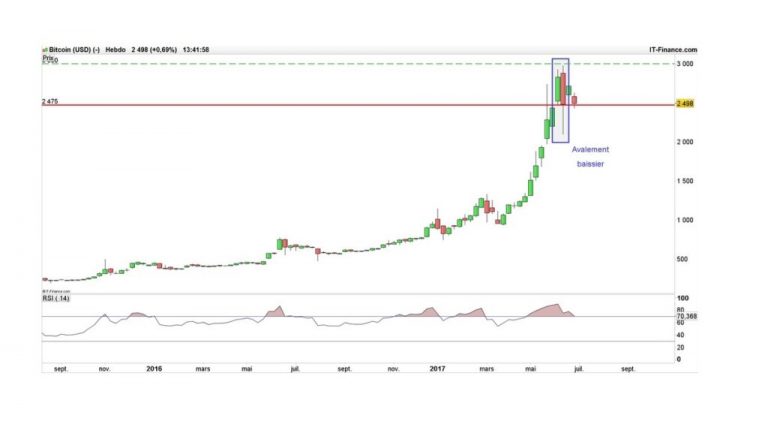
The Bitcoin market has been exhibiting notable volatility in recent weeks. As of the latest updates, Bitcoin prices have fluctuated between significant support and resistance levels, indicating a period of consolidation amid broader market movements. Investors are closely monitoring these price dynamics, seeking to understand both the potential risks and rewards associated with Bitcoin investments.Recent trends illustrate that Bitcoin has seen a resurgence, climbing back to levels reminiscent of its previous peaks.

This rebound can be attributed to a mix of various factors, including macroeconomic conditions, regulatory developments, and market sentiment. Despite previous downturns, Bitcoin remains a focal point of interest among both seasoned and new investors.

Factors Influencing Bitcoin Price Fluctuations

Understanding what drives Bitcoin’s price is crucial for any investor or enthusiast. Several key factors play a role in the price dynamics of this cryptocurrency:

  • Market Sentiment: The overall mood in the cryptocurrency markets significantly impacts Bitcoin’s price. Positive news can drive prices up, while negative developments can trigger declines.
  • Regulatory News: Changes in regulations, especially in major markets like the U.S. and Europe, can lead to swift price adjustments. For instance, announcements regarding security classification or taxation can create uncertainty, impacting investor behavior.
  • Institutional Adoption: Increased interest from institutional investors has historically led to price surges. High-profile investments or endorsements from major financial firms can boost confidence in Bitcoin’s value.
  • Technological Developments: Upgrades to the Bitcoin network, like the implementation of the Lightning Network, aim to improve transaction efficiency and scalability, positively influencing investor outlook.
  • Market Liquidity: The availability of Bitcoin in the market affects its price. Low liquidity often leads to higher volatility, whereas increased trading volume can stabilize prices.

The historical price data of Bitcoin provides essential context. For example, Bitcoin’s price soared to nearly $64,000 in April 2021 before experiencing a significant correction. As of recent updates, the price is hovering around the $30,000 mark, reflecting a substantial drop yet showcasing resilience as it remains above critical support levels. This historical perspective underscores the cyclical nature of Bitcoin, where spikes and corrections have been a recurring theme.

“Bitcoin’s historical trends reveal the necessity for patience and risk management in an ever-evolving market landscape.”

Major News Events Impacting Bitcoin Prices

Recent developments in technology, finance, and regulation have significantly influenced Bitcoin prices. As the cryptocurrency landscape continues to evolve, various news events have played pivotal roles in shaping market dynamics. Observing these events helps investors gauge potential price movements and understand the underlying factors driving changes in Bitcoin’s valuation.Regulatory changes have emerged as a critical factor impacting Bitcoin prices. As governments worldwide adapt to the growing influence of cryptocurrencies, new legislation often leads to sharp market reactions.

For instance, the recent announcement by the U.S. Securities and Exchange Commission (SEC) regarding stricter oversight of crypto exchanges created waves of concern among investors, leading to a temporary decline in Bitcoin’s value. Similarly, news surrounding regulatory frameworks in countries like China, which initially enforced a crackdown on mining and trading, continues to shape market sentiment and investor confidence.

Regulatory Changes Affecting Bitcoin

Regulatory developments are crucial to understanding Bitcoin’s price volatility. Several key changes have emerged recently:

  • Increased scrutiny from regulatory bodies: The SEC’s recent push for more stringent regulations on cryptocurrency exchanges has heightened anxiety among traders, leading to price fluctuations.
  • International regulatory alignment: Countries are beginning to harmonize their crypto regulations, which could lead to greater market stability. This includes discussions in the European Union about a unified regulatory framework.
  • Tax implications for crypto transactions: New guidelines on taxation of cryptocurrency transactions in the U.S. have created uncertainty, impacting investor behavior and overall market enthusiasm.

Market sentiment, heavily influenced by news coverage and public perception, also plays a significant role in Bitcoin’s pricing. Positive news, such as institutional adoption or major companies announcing Bitcoin integration, often leads to bullish market behavior. Conversely, negative headlines—such as security breaches or unfavorable regulations—can incite fear and lead to rapid sell-offs.

Market Sentiment and Its Influence on Bitcoin Pricing

Understanding market sentiment is essential for grasping Bitcoin price movements. Recent events have underscored how sentiment can sway prices dramatically.

  • The announcement of major companies, such as Tesla and MicroStrategy, buying substantial amounts of Bitcoin created a positive sentiment, leading to a significant price surge.
  • Conversely, the backlash against Bitcoin mining due to environmental concerns has led to negative sentiment, resulting in price corrections.
  • Social media trends and influential endorsements or criticisms can rapidly alter public perception, impacting Bitcoin’s price trajectory within days.

As investors navigate the complexities of the Bitcoin market, keeping an eye on regulatory changes and market sentiment is vital for making informed decisions. The interplay between news events and Bitcoin pricing remains a critical area for both seasoned and new investors alike.

Comparison with Other Cryptocurrencies

The landscape of cryptocurrencies is vast and dynamic, with Bitcoin often seen as the benchmark for other digital assets. Understanding how Bitcoin’s price movements correlate with other major cryptocurrencies can provide deeper insights into market behavior and investment strategies. This comparison reveals not only the shifts in individual prices but also the collective trends that influence the overall market sentiment.

Price Movements of Bitcoin vs. Major Altcoins

Bitcoin’s price movements are frequently mirrored by several major altcoins, though the degree of correlation can vary. This relationship is crucial for investors seeking to diversify their portfolios while still maintaining exposure to Bitcoin’s market dynamics.

Ethereum (ETH)

Historically, Ethereum has shown a strong correlation with Bitcoin. When Bitcoin experiences significant price swings, Ethereum often follows suit, albeit sometimes with amplified volatility. For instance, during the bull run of late 2020, Bitcoin’s surge above $20,000 was paralleled by Ethereum’s rise past $600.

Ripple (XRP)

XRP’s price movements have been less predictable relative to Bitcoin. While there are occasions where XRP follows Bitcoin’s upward trends, regulatory developments and legal challenges often lead to price decouplings.

Litecoin (LTC)

Litecoin has often mirrored Bitcoin’s price, especially during market uptrends. The “silver to Bitcoin’s gold” analogy holds as Litecoin tends to follow Bitcoin’s price action closely, benefiting from its reputation as a testbed for Bitcoin technology.The correlation between Bitcoin and altcoins is essential as it highlights the interconnected nature of the cryptocurrency market.

Market Capitalization and Its Implications

Market capitalization plays a significant role in understanding Bitcoin’s pricing dynamics in relation to other cryptocurrencies. Bitcoin consistently maintains the largest market cap, significantly influencing market trends.

Dominance

Bitcoin’s market dominance, which hovers around 40-50%, often dictates the overall market sentiment. When Bitcoin rallies, it typically pulls altcoins along with it, whereas a decline may lead to a sell-off across the board.

Market Cycles

The differing market capitalizations of altcoins compared to Bitcoin lead to varied reactions during market cycles. Smaller market cap coins can experience exaggerated price movements, leading to higher risk but also potential rewards during bullish phases.

Investor Strategy

Understanding market cap differences can guide investment strategies. Investors may prefer Bitcoin for stability while allocating funds to altcoins for potential high returns. This strategy reflects the risk-reward balance present in cryptocurrency investments.The interplay of Bitcoin’s price movements with these factors underscores the importance of comprehensive market analysis, providing investors with clarity in their decision-making processes.

Predictions and Future Trends

As the cryptocurrency landscape continues to evolve, predictions regarding Bitcoin’s future price trends are at the forefront of many investors’ minds. Industry experts and analysts are closely monitoring various market indicators, technological advancements, and macroeconomic factors to gauge where Bitcoin might be heading. Understanding these elements can provide valuable insights for making informed decisions about Bitcoin investments.The future of Bitcoin pricing is influenced by several critical factors, including regulatory changes, market sentiment, and technological developments.

Analysts have made varying predictions based on current trends and historical data, often citing significant price movements in response to global events. As we delve deeper, it becomes evident that several key conditions are likely to shape Bitcoin’s trajectory in the near future.

Expert Predictions on Bitcoin Price Trends

Industry experts have offered diverse predictions regarding Bitcoin’s price movements based on the current market dynamics and historical performance. Some notable predictions include:

  • Long-Term Bullish Outlook: Prominent analysts, such as those at Goldman Sachs, project that Bitcoin could reach upwards of $100,000 by the end of 2025, driven by increased adoption and institutional investment.
  • Market Volatility: Many experts acknowledge that while the long-term outlook may be positive, short-term volatility is expected. Historical patterns suggest that Bitcoin’s price often reacts dramatically to market sentiment and economic news.
  • Impact of Halving Events: The next Bitcoin halving, expected in 2024, typically leads to price surges due to reduced supply. Analysts speculate this could push prices significantly higher in the months following the event.

Market Conditions Influencing Bitcoin Prices

Several market conditions can directly impact Bitcoin’s price in the coming months. Understanding these conditions is crucial for predicting potential price movements:

  • Regulatory Environment: Changes in regulations across key markets, particularly in the U.S. and Europe, could either bolster Bitcoin’s legitimacy or create barriers to entry for investors.
  • Inflation and Economic Recovery: As central banks worldwide respond to inflationary pressures, Bitcoin is increasingly viewed as a hedge against fiat currency devaluation, influencing its attractiveness to investors.
  • Institutional Investment Trends: The growing participation of institutional investors, such as hedge funds and publicly traded companies, has the potential to stabilize Bitcoin prices and contribute to upward momentum.

Technological Developments Affecting Bitcoin Pricing Dynamics

Technological advancements play a crucial role in shaping Bitcoin’s pricing dynamics. Recent developments include:

  • Layer 2 Solutions: Technologies like the Lightning Network are designed to improve Bitcoin’s scalability and transaction speed, potentially making it more appealing for everyday transactions and increasing overall demand.
  • Smart Contracts and Decentralized Finance (DeFi): Innovations that integrate Bitcoin into DeFi ecosystems could broaden its utility and strengthen its market position, influencing its price positively.
  • Environmental Concerns and Energy Solutions: Ongoing discussions regarding Bitcoin’s environmental impact are prompting developments in sustainable mining practices. A shift towards greener alternatives could enhance Bitcoin’s public perception and drive investment.

Investment Strategies in Relation to Bitcoin Prices

As Bitcoin continues to evolve within the financial landscape, investors are developing various strategies tailored to capitalize on its price movements. Understanding these strategies can help maximize returns while managing risks effectively. This discussion will explore essential investment strategies, methods for analyzing market trends, and specific risk management techniques that can be applied to Bitcoin investments.

Investment Strategies Tailored to Bitcoin Price Movements

A variety of investment strategies can be employed to navigate the volatility and potential profitability of Bitcoin. These strategies range from long-term holding to active trading.

  • Buy and Hold: This long-term strategy involves purchasing Bitcoin and holding it for an extended period, regardless of price fluctuations. The rationale is based on the belief that Bitcoin’s value will appreciate significantly over time.
  • Dollar-Cost Averaging: This approach entails investing a fixed amount of money into Bitcoin at regular intervals, regardless of its price. This method helps mitigate the impact of volatility and reduces the risk of making poor investment decisions based on market timing.
  • Active Trading: Traders may engage in short-term buying and selling based on market trends and price actions. This strategy requires a good understanding of technical analysis and the ability to react quickly to market changes.
  • Margin Trading: This involves borrowing funds to increase the position size when trading Bitcoin. While this can amplify profits, it also significantly increases the risk of losses.

Methods for Analyzing Bitcoin Market Trends

Effective analysis of Bitcoin market trends is crucial for making informed investment decisions. Various techniques can be employed, including fundamental analysis and technical analysis.

  • Technical Analysis: This method involves analyzing price charts and market data to forecast future price movements. Key indicators include moving averages, Relative Strength Index (RSI), and Bollinger Bands, which help identify trends and potential reversal points.
  • On-Chain Analysis: This technique evaluates blockchain data to uncover insights about market trends. Metrics like active addresses, transaction volume, and miner activity can provide valuable information about market sentiment and potential price movements.
  • Sentiment Analysis: Monitoring social media, news articles, and community discussions can help gauge market sentiment. High levels of optimism or pessimism can indicate potential price movements.

Risk Management Techniques for Bitcoin Investments

Given the inherent volatility of Bitcoin, implementing effective risk management techniques is vital for protecting investments.

  • Setting Stop-Loss Orders: A stop-loss order automatically sells Bitcoin once it reaches a predetermined price, helping limit potential losses.
  • Diversification: Spreading investments across different assets can help reduce risk. While Bitcoin can be a significant part of an investment portfolio, including other cryptocurrencies and asset classes can help mitigate volatility.
  • Position Sizing: Determining the appropriate amount to invest in Bitcoin relative to the overall portfolio size is essential. A commonly used rule is to risk only a small percentage of the total portfolio on any single trade.
  • Regular Portfolio Review: Continually monitoring and adjusting the investment strategy based on market conditions and performance can help ensure that investments remain aligned with financial goals and risk tolerance.

Bitcoin Price Analysis Tools and Resources

Bitcoin price analysis is essential for investors and traders seeking to make informed decisions in the volatile cryptocurrency market. With the right tools and resources, one can track price movements, analyze trends, and understand market sentiment. This section delves into various tools used for Bitcoin price tracking, along with platforms providing real-time updates.

Tools for Bitcoin Price Tracking

Numerous tools can assist in tracking Bitcoin prices effectively. These tools often include advanced features for technical analysis, allowing users to identify trends and potential market movements.

  • CoinMarketCap: This widely recognized platform offers real-time tracking of Bitcoin and other cryptocurrencies, displaying current prices, market capitalizations, and trading volumes across various exchanges.
  • TradingView: An advanced charting tool that provides comprehensive technical analysis features, including various indicators and customizable charts for Bitcoin price movements.
  • Blockfolio: A mobile app that enables users to track their cryptocurrency investments and provides real-time price updates for Bitcoin and altcoins, along with portfolio management features.
  • CryptoCompare: This platform offers price tracking, charting tools, and a community forum, allowing users to compare Bitcoin prices across different exchanges.

Websites and Platforms for Real-Time Bitcoin Price Updates

Access to real-time Bitcoin price updates is crucial for traders. Here is a list of reliable websites and platforms that provide such updates, ensuring investors stay informed about market movements.

  • CoinGecko: Offers real-time price updates, historical data, and a full range of analytics for Bitcoin and other cryptocurrencies.
  • Binance: As one of the largest cryptocurrency exchanges, Binance provides a real-time Bitcoin price feed along with trading pairs and market analysis tools.
  • Kraken: This exchange provides up-to-date Bitcoin pricing information along with charts and trading tools to assist users in making informed trading decisions.
  • Yahoo Finance: By including cryptocurrency section updates, Yahoo Finance provides users with Bitcoin price changes and related financial news.

Utilizing Technical Analysis for Bitcoin Pricing Insights

Technical analysis is an invaluable method for interpreting Bitcoin price movements. It involves studying past market data, primarily price and volume, to forecast future price actions.

  • Chart Patterns: Understanding patterns such as head and shoulders, triangles, and flags can help predict future price movements and market trends.
  • Indicators and Tools: Common indicators like Moving Averages, Relative Strength Index (RSI), and Bollinger Bands provide insights into market momentum and potential reversal points.
  • Volume Analysis: Analyzing trading volume alongside price movements can indicate the strength of a price trend. Increased volume during a price rise often signifies a solid upward trend.

“Technical analysis provides insights into potential future price movements based on historical data, allowing traders to make informed decisions.”

Social Media and Bitcoin Price Influence

Social media has become a vital force in shaping public perception and influencing the price of Bitcoin. With millions of users engaging in discussions about cryptocurrencies, platforms like Twitter, Reddit, and Facebook have created a dynamic environment where information spreads rapidly, affecting market sentiment.The impact of social media trends and discussions on Bitcoin prices can be significant. When certain topics gain traction, they can lead to increased buying or selling activities.

A spike in positive sentiment can drive prices upward, while negative news can trigger panic selling. Consequently, tracking social media buzz is often seen as an essential part of market analysis.

Influencers and Public Figures in Bitcoin Market Perception

Influencers and public figures play a crucial role in shaping perceptions of Bitcoin and the broader cryptocurrency market. Their endorsements or criticisms can lead to swift price movements, and their opinions are often regarded as indicators of market sentiment.

Influencer Impact

Social media influencers can sway their followers through well-timed posts or comments about Bitcoin, leading to significant price changes. For instance, when Elon Musk tweets about Bitcoin, it often results in immediate fluctuations in its price. This highlights the power influencers wield in this digital age.

Celebrity Endorsements

Public figures, like celebrities, can also affect Bitcoin’s market perception. When a celebrity shares their support for Bitcoin or discusses its potential, it can create a fan-driven rush to buy, pushing prices higher.The following platforms have notably impacted Bitcoin pricing through these influences:

  • Twitter: Known for real-time discussions, Twitter hosts influential figures whose tweets can lead to rapid market reactions. A single tweet from a well-known personality can set off a buying frenzy.
  • Reddit: With communities dedicated to cryptocurrencies (like r/Bitcoin), discussions and opinions shared here can significantly influence price movements. Posts that gain traction can lead to increased interest and investment in Bitcoin.
  • Instagram: While visual content dominates Instagram, influencers can use this platform to promote Bitcoin, reaching a younger audience and generating interest in the cryptocurrency space.

The interconnectedness of social media and Bitcoin prices illustrates how much market sentiment can be influenced by online discussions. As engagement on these platforms continues to grow, the relationship between social media trends and Bitcoin pricing will likely deepen.

“In the digital age, social media is as powerful as any financial report when it comes to influencing market movements.”

Global Economic Factors Affecting Bitcoin Prices

Bitcoin’s price is significantly influenced by global economic conditions, making it essential for investors and enthusiasts to understand these factors. Economic stability, inflation rates, currency strength, and geopolitical events all play pivotal roles in shaping the cryptocurrency market. As Bitcoin continues to gain traction as an alternative asset, its prices increasingly reflect broader economic trends, impacting investor sentiment and market volatility.One of the primary economic indicators affecting Bitcoin prices is the overall state of financial markets.

Economic growth or recession can lead to increased or decreased investment in cryptocurrencies. Furthermore, central bank policies regarding interest rates and monetary supply heavily influence Bitcoin’s valuation. When traditional markets face uncertainty, Bitcoin can act as a hedge against economic instability.

Key Economic Indicators to Monitor for Bitcoin Price Predictions

Monitoring specific economic indicators can provide valuable insight into potential Bitcoin price movements. The following indicators are crucial for assessing market conditions:

  • Inflation Rates: Rising inflation often leads investors to seek alternative assets like Bitcoin as a store of value.
  • Interest Rates: Lower interest rates typically make Bitcoin more attractive compared to traditional savings, influencing demand.
  • Stock Market Performance: Correlations between Bitcoin and stock indices can indicate investor sentiment and risk appetite.
  • Economic Growth Metrics: GDP growth can signal economic health, affecting market confidence in both traditional and digital currencies.
  • Currency Strength: The strength of fiat currencies, particularly the US dollar, can impact Bitcoin pricing globally.

The relationship between inflation and Bitcoin pricing has become increasingly apparent. As inflation rises, the purchasing power of fiat currencies declines, prompting investors to consider Bitcoin as a more stable long-term investment. Historical data shows that during periods of significant inflation, Bitcoin’s value has often outperformed traditional assets, leading to a growing narrative around it being “digital gold.”

“Bitcoin is seen by many investors as a hedge against inflation, reinforcing its appeal during uncertain economic times.”

In addition to inflation, geopolitical events such as trade wars, political instability, and global pandemics can lead to sudden price fluctuations in Bitcoin. These events often create a ripple effect, influencing investor behavior and market dynamics. The ongoing dialogue about Bitcoin as a safe-haven asset continues to gain traction, particularly as economic uncertainties persist globally.Overall, keeping an eye on these economic indicators and understanding their implications can aid in making informed decisions about Bitcoin investments in an ever-evolving economic landscape.

Summary

In summary, the world of Bitcoin is dynamic and filling with opportunities and challenges. Keeping an eye on the latest news, market trends, and technological advancements will empower investors to make informed decisions in the fast-paced crypto market. Understanding these factors is key to navigating Bitcoin’s ongoing evolution effectively.

Commonly Asked Questions

What causes Bitcoin price fluctuations?

Bitcoin prices fluctuate due to various factors, including market demand, investor sentiment, regulatory news, and macroeconomic trends.

How often do Bitcoin prices change?

Bitcoin prices can change rapidly, often multiple times within a single day, due to the volatile nature of cryptocurrency markets.

What are the best tools for tracking Bitcoin prices?

Popular tools include cryptocurrency exchanges like Binance and Coinbase, as well as dedicated market tracking websites like CoinMarketCap and CoinGecko.

How does social media influence Bitcoin prices?

Social media plays a significant role in shaping public perception and investor behavior, with trends and discussions affecting market sentiment and price movements.

What are the future predictions for Bitcoin prices?

Experts have varied opinions, but many believe that technological advancements and increased adoption could drive Bitcoin prices higher in the long run.
As bitcoin japan takes center stage, this opening passage beckons readers into a world rich with information about the evolution of Bitcoin in Japan. From its early adoption to its current status, Japan has become a pivotal player in the global cryptocurrency arena.

This article delves into the history of Bitcoin in Japan, highlighting key milestones in its regulation, examining the role of major exchanges, and exploring how Japanese businesses are integrating Bitcoin into their operations. With public perception evolving and technology advancing, understanding Bitcoin’s journey in Japan is essential for anyone interested in the future of digital currency.

Overview of Bitcoin in Japan

Japan has become one of the most significant players in the cryptocurrency landscape, particularly with Bitcoin. This overview will delve into the history of Bitcoin adoption in Japan, key regulatory milestones, and the current usage among Japanese citizens. The journey of Bitcoin in Japan began shortly after the cryptocurrency’s inception in 2009. In 2013, the Japanese government acknowledged Bitcoin as a legitimate form of payment, marking the first major step towards adoption.

The public’s interest surged, leading to a rise in Bitcoin exchanges and mining operations. However, the infamous Mt. Gox exchange, which was based in Tokyo, collapsed in 2014 after a massive hack, causing a setback in the industry. Despite this, the Japanese government took further steps to regulate the market to enhance security and consumer protection.

Milestones in Bitcoin Regulation and Legislation

Japan has witnessed several key milestones in Bitcoin regulation that shaped the framework of cryptocurrency operations. The following points highlight notable regulatory actions:

  • In April 2017, Japan officially recognized Bitcoin as a legal payment method under the Payment Services Act, which laid the groundwork for regulated trading and the establishment of exchanges.
  • In 2018, the Financial Services Agency (FSA) began registering cryptocurrency exchanges, requiring them to comply with strict security measures to protect users’ funds.
  • In 2019, Japan introduced regulations requiring exchanges to report transactions to prevent money laundering and other illicit activities.
  • In 2020, the FSA approved several new cryptocurrency exchanges, enhancing consumer trust and fostering a more competitive market environment.

This regulatory environment aims to promote growth in the cryptocurrency sector while ensuring consumer protection and market integrity.

Current Status of Bitcoin Usage Among Japanese Citizens

Bitcoin adoption among Japanese citizens has grown considerably, reflecting a positive trend towards digital currencies. As of now, a notable percentage of the population is aware of Bitcoin, and many have engaged in its use:

  • A 2022 survey indicated that approximately 15% of Japanese individuals owned Bitcoin, showcasing a steady increase in interest and investment.
  • In urban areas, Bitcoin is increasingly accepted as a payment method by various businesses, including restaurants and retail stores, enhancing its practical use.
  • The rise of Bitcoin ATMs across major cities provides easy access for users to buy and sell Bitcoin, catering to the growing demand.
  • Local companies are also integrating Bitcoin into their payment systems, further normalizing its use in everyday transactions.

The combination of regulatory support and increasing consumer acceptance positions Japan as a leading nation in the global Bitcoin ecosystem.

Regulatory Environment

Japan has established itself as a frontrunner in the adoption and regulation of cryptocurrencies, particularly Bitcoin. The regulatory landscape in Japan is characterized by a proactive approach, aiming to balance innovation with consumer protection. This approach is crucial as it fosters a safe environment for users while encouraging the growth of the digital currency sector. Japan’s commitment to creating a robust regulatory framework provides clarity and security for both investors and businesses operating in the cryptocurrency space.

Overview of Japan’s Regulatory Framework

Japan’s regulatory framework for cryptocurrencies is primarily governed by the Payment Services Act (PSA), enacted in April 2017. This legislation defines cryptocurrencies as a form of digital money and sets out key guidelines for their use and trading. The law also mandates that cryptocurrency exchanges must register with the Financial Services Agency (FSA), which oversees compliance with anti-money laundering (AML) and know-your-customer (KYC) regulations.

To ensure the safety and integrity of the market, the FSA requires exchanges to maintain adequate security measures and to report any suspicious activity. This regulatory oversight not only aims to protect consumers but also to prevent illicit activities associated with cryptocurrencies. As part of its commitment to transparency and security, the FSA has conducted inspections and audits of registered exchanges, providing an additional layer of regulation in this emerging market.

Role of the Financial Services Agency (FSA)

The Financial Services Agency plays a pivotal role in the regulation of Bitcoin and other cryptocurrencies in Japan. The FSA is tasked with implementing and enforcing the rules laid out in the Payment Services Act. This includes the registration of cryptocurrency exchanges, which must meet specific criteria to operate legally within the country. Failure to comply with these regulations can result in severe penalties, including suspension or revocation of licenses.

The FSA also engages in continuous dialogue with industry stakeholders to ensure that regulations keep pace with technological advancements and market developments. For instance, after the major hacks on cryptocurrency exchanges, such as the Coincheck incident in January 2018, the FSA responded by tightening regulations and enhancing scrutiny of the industry. This proactive stance demonstrates the agency’s commitment to consumer protection and market integrity.

Comparison with Other Countries

When comparing Japan’s cryptocurrency regulations with those of other countries, it becomes evident that Japan has adopted one of the most comprehensive frameworks globally. Countries like the United States and the European Union have been slower to implement concrete regulations, resulting in a patchwork of rules that can vary significantly by state or member country. In contrast, Japan’s single regulatory body, the FSA, provides unified guidelines that enhance clarity for businesses and consumers alike.

For example, while the United States primarily relies on agencies like the SEC and CFTC for oversight, Japan’s FSA encompasses a broader scope that includes licensing for exchanges and oversight of ICOs (Initial Coin Offerings). Furthermore, nations like China have taken a more restrictive approach, imposing outright bans on cryptocurrency trading and ICOs, which contrasts sharply with Japan’s open and regulated market.

In summary, Japan serves as a model for cryptocurrency regulation, demonstrating a balance between encouraging innovation while ensuring consumer protection. By continuously adapting its regulatory framework, Japan maintains its status as a leader in the global cryptocurrency landscape.

Bitcoin Exchanges in Japan

Bitcoin exchanges play a crucial role in facilitating the buying, selling, and trading of Bitcoin and other cryptocurrencies in Japan. With the country being a leader in the crypto market, a variety of exchanges cater to both beginners and experienced traders. This section offers a detailed look at the major Bitcoin exchanges operating in Japan, their unique features, services, and security measures implemented to protect users.

Major Bitcoin Exchanges in Japan

The following list highlights some of the prominent Bitcoin exchanges that operate within Japan’s vibrant cryptocurrency ecosystem. Each exchange has its own set of features and ensures user security through various measures.

  • BITPoint Japan

    BITPoint offers a user-friendly platform suitable for both newcomers and seasoned traders. It provides services such as spot trading, cryptocurrency wallets, and a mobile app for trading on the go.

    “Designed for simplicity, BITPoint is an excellent entry point for those new to cryptocurrency.”

  • Coincheck

    Coincheck is one of the most popular exchanges in Japan, known for its intuitive interface and wide range of supported cryptocurrencies. It also offers a wallet service and a mobile trading app.

    “Coincheck supports over 14 cryptocurrencies, making it a versatile option for traders.”

  • Zaif

    Zaif caters to both casual and professional traders, offering features like spot trading, margin trading, and a unique token sale platform. It also has a loyalty program that rewards users for trading activities.

    “Zaif’s diverse offerings and incentives make it an attractive choice in the competitive exchange market.”

  • Bittrex Japan

    Bittrex is renowned for its robust security protocols and wide selection of cryptocurrencies. The Japan-specific platform adheres to local regulations and provides advanced trading options along with a comprehensive API for developers.

    “Bittrex prioritizes security, offering two-factor authentication and cold storage for assets.”

  • bitFlyer

    bitFlyer is one of the largest Bitcoin exchanges in Japan, offering a range of services including a professional trading platform and a marketplace for digital assets. Its focus on compliance ensures a secure trading environment.

    “With a strong emphasis on safety, bitFlyer implements industry-leading security practices.”

Security Measures Implemented by Exchanges

Security is a paramount concern for cryptocurrency exchanges, particularly in light of past incidents involving hacks and thefts. The major exchanges in Japan have implemented a variety of security measures to protect user assets and personal information.

  • Two-Factor Authentication (2FA)

    Most exchanges, such as Coincheck and bitFlyer, require users to enable 2FA, adding a crucial layer of security during login and transactions.

  • Cold Storage Solutions

    Exchanges like Bittrex and BITPoint utilize cold storage for the majority of user funds, keeping them offline to minimize the risk of cyber attacks.

  • Regular Security Audits

    Exchanges frequently conduct internal and external audits to assess their systems’ vulnerabilities and compliance with security protocols.

  • Insurance against Hacks

    Some exchanges, including Coincheck, have introduced insurance policies to safeguard users against potential losses arising from security breaches.

Bitcoin and Japanese Businesses

In recent years, Bitcoin has seen a significant rise in acceptance among Japanese businesses, reflecting the country’s progressive attitude towards cryptocurrency. Many local companies are recognizing the potential benefits of integrating Bitcoin payments into their operations, which range from attracting a tech-savvy customer base to reducing transaction fees compared to traditional payment methods.As businesses begin to adopt Bitcoin, they encounter various challenges.

These obstacles can stem from regulatory complexities, market volatility, and technological integration. Understanding these hurdles is crucial for businesses to navigate the cryptocurrency landscape effectively.

Integration of Bitcoin Payments

The integration of Bitcoin payments in Japanese businesses has surged, driven largely by the need for innovative payment solutions. Many companies have started to offer Bitcoin as a payment option, catering to a growing demographic of consumers who prefer using cryptocurrency. Some notable examples include:

  • Rakuten: This e-commerce giant allows customers to use Bitcoin for purchases on its platform, enhancing customer experience and expanding payment options.
  • Travel agencies: Several travel companies in Japan accept Bitcoin for booking flights and accommodations, appealing to international travelers who prefer to use cryptocurrency.
  • Restaurants and cafes: Establishments such as the Bitcoin Sushi restaurant have successfully implemented Bitcoin payments, attracting patrons interested in cryptocurrency.

Challenges Faced by Businesses

While the adoption of Bitcoin offers numerous benefits, Japanese businesses also face significant challenges. Some of the main hurdles include:

  • Regulatory uncertainty: The constantly evolving regulatory environment in Japan can create confusion for businesses trying to operate in compliance with laws surrounding cryptocurrency.
  • Volatility: Bitcoin’s price fluctuations can pose risks for businesses, as the value of transactions may change dramatically from the time of payment to the time of conversion into fiat currency.
  • Technical integration: Implementing the necessary technology and infrastructure to accept Bitcoin can be a complex process, requiring specialized knowledge and resources.

Successful Examples of Bitcoin Adoption

Several Japanese businesses have successfully navigated the challenges of accepting Bitcoin, serving as inspiring examples for others looking to follow suit.

“Leading the way in cryptocurrency acceptance, these businesses have shown that innovation can drive success in the digital economy.”

Noteworthy examples include:

  • Bitflyer: As one of Japan’s largest cryptocurrency exchanges, Bitflyer has also ventured into retail payments, allowing businesses to accept Bitcoin seamlessly.
  • Ginza’s Bitcoin Bar: This unique bar allows customers to pay for drinks in Bitcoin, creating an engaging atmosphere for crypto enthusiasts.
  • Payke: A mobile app that facilitates Bitcoin payments in stores, enhancing the shopping experience for users while promoting cryptocurrency utilization.

Public Perception of Bitcoin

The public perception of Bitcoin in Japan is a multifaceted topic, reflecting the country’s unique relationship with technology and finance. As a nation that embraces innovation, the sentiment towards Bitcoin is generally more progressive compared to many other countries. However, the nuances of this perception are influenced by a mixture of enthusiasm, skepticism, and a misunderstanding of the cryptocurrency’s fundamental nature.One significant aspect shaping the public’s view of Bitcoin is misinformation and misconceptions that have permeated discussions about cryptocurrency.

Many individuals still associate Bitcoin primarily with illicit activities, due to its early use in dark web transactions. This has led to a perception that Bitcoin is a “criminal currency,” overshadowing its legitimate applications and potential benefits. Furthermore, the volatile nature of Bitcoin’s price often fuels fear rather than excitement, leading to hesitance among potential investors.

Common Misconceptions about Bitcoin in Japan

The Japanese public harbors several misconceptions regarding Bitcoin, which can hinder its broader acceptance. Understanding these misconceptions is vital as they often stem from a lack of comprehensive education on the subject. Below are some prevalent misunderstandings:

  • Bitcoin is purely for illegal transactions: This belief persists despite Bitcoin being increasingly used for legitimate purchases and services, particularly in sectors like technology and retail.
  • Bitcoin is a scam: Many people view Bitcoin as a fraudulent scheme, largely due to high-profile scams and hacks, rather than recognizing its potential as a valid investment or payment method.
  • Bitcoin is too risky for average investors: The volatility associated with Bitcoin often deters individuals, but this perception overlooks the potential for significant returns and the growing trend of institutional investment.
  • It is difficult to use Bitcoin: While the technology may seem complex, numerous user-friendly platforms and wallets have simplified the process, making it more accessible.

Impact of Media Coverage on Public Awareness of Bitcoin

Media coverage plays a crucial role in shaping public awareness and sentiment towards Bitcoin. The way Bitcoin is reported can significantly influence how the public perceives its legitimacy and potential. Positive coverage can lead to increased awareness and interest, driving adoption among both businesses and consumers. Conversely, negative coverage, particularly concerning security breaches and regulatory crackdowns, can exacerbate fears and hinder growth.For instance, when Bitcoin’s price reaches new highs, media outlets often highlight success stories, capturing the attention of potential investors.

However, during market downturns, headlines tend to focus on losses and scams, reinforcing a cautious approach among the public.

The relationship between media portrayal and public perception underscores the importance of accurate, balanced reporting in cultivating a more informed understanding of Bitcoin in Japan.

Ultimately, the Japanese public’s perception of Bitcoin is a dynamic and evolving narrative, influenced by ongoing education, media presentation, and direct experiences with the cryptocurrency.

Bitcoin Technology and Innovations

The technological landscape of Bitcoin in Japan is marked by significant advancements and innovations that have positioned the country as a leader in the cryptocurrency arena. As Bitcoin continues to evolve, Japan’s commitment to leveraging cutting-edge technology has led to the development of unique solutions and initiatives that enhance the Bitcoin ecosystem.Japan has seen a number of technological advancements surrounding Bitcoin, driven by local tech companies and startups.

Innovations in blockchain technology, payment processing, and security measures are all crucial to the growth of Bitcoin in the region. Notably, Japan’s emphasis on regulatory compliance has also spurred advancements that align with legal frameworks, fostering a secure environment for cryptocurrency transactions.

Local Initiatives and Projects

Several initiatives in Japan focus on Bitcoin innovation, contributing to a more robust ecosystem. These projects often aim to address specific challenges or enhance user experience. Key initiatives include:

  • Bitcoin Wallet Development: Several Japanese startups have created user-friendly wallets that prioritize security and accessibility. These wallets often integrate advanced features like multi-signature security, biometric authentication, and instant transactions.
  • Blockchain Research Collaborations: Universities and research institutions in Japan are collaborating with tech companies to explore blockchain applications beyond finance, such as supply chain management and digital identity verification.
  • Payment Solutions for Merchants: Initiatives aimed at enabling local businesses to accept Bitcoin as a payment method have gained traction, simplifying the process for merchants through intuitive point-of-sale systems.
  • Community Engagement Programs: Organizations like the Japan Blockchain Association conduct regular workshops and meetups to promote Bitcoin education and foster community engagement among enthusiasts and businesses alike.

Role of Japanese Tech Companies

Japanese tech companies play a pivotal role in the development of Bitcoin-related technologies, actively investing in research and development. Major firms are focusing on integrating Bitcoin into their services while also creating proprietary solutions that enhance security and user experience. Some notable contributions include:

  • Security Enhancements: Companies like GMO Internet and BitFlyer have developed advanced encryption techniques to enhance the security of Bitcoin exchanges, reducing the risk of hacks and fraud.
  • Blockchain Solutions: Major corporations such as Fujitsu and Hitachi are exploring blockchain technology for various applications, showcasing its versatility and potential for efficiency in sectors beyond cryptocurrency.
  • Mobile Payment Integration: Companies are developing mobile apps that allow seamless Bitcoin transactions alongside traditional payment options, catering to a tech-savvy consumer base.

Through these innovations and initiatives, Japan continues to solidify its position at the forefront of the Bitcoin revolution, demonstrating a commitment to technological advancement that benefits both users and the broader financial landscape.

Future Trends in Bitcoin in Japan

As Japan continues to embrace the cryptocurrency landscape, the future of Bitcoin presents an intriguing array of possibilities. With its rich technological heritage and innovative spirit, the nation is poised to shape the evolution of Bitcoin regulation, investment, and overall market dynamics. This section delves into the anticipated changes in regulation, emerging investment trends, and the risks and challenges that could impact Bitcoin’s trajectory in Japan.

Potential Changes in Bitcoin Regulation in Japan

Japan has been at the forefront of cryptocurrency regulation, setting a precedent for other nations. The Financial Services Agency (FSA) has actively worked to create a secure environment for both businesses and consumers. Future regulatory changes may include:

  • Increased scrutiny on exchanges to enhance consumer protection and security measures.
  • Possibly stricter compliance requirements for Initial Coin Offerings (ICOs) to prevent fraud.
  • Expansion of taxation guidelines for cryptocurrency transactions, aiming for clearer reporting mechanisms.
  • Potentially integrating blockchain technology into government processes, leading to more favorable regulations for innovative companies.

These changes may position Japan as a leading destination for cryptocurrency innovation while ensuring consumer safety and fostering industry growth.

Emerging Trends in Bitcoin Investment Among Japanese Citizens

Japanese citizens are increasingly looking at Bitcoin as a viable investment option, driven by several factors:

  • A growing acceptance of Bitcoin in mainstream financial conversations and investment portfolios.
  • The influence of younger generations who are more inclined to explore digital assets.
  • Institutional interest from Japanese financial firms, indicating a shift towards more structured investment opportunities.
  • Development of user-friendly platforms that empower individuals to engage in Bitcoin trading and investment.

These trends reflect a burgeoning interest in Bitcoin that could lead to higher participation rates among retail investors.

Potential Risks and Challenges Facing Bitcoin’s Future in the Japanese Market

Despite the promising outlook for Bitcoin in Japan, several risks and challenges remain that could affect its future:

  • Market volatility that may deter new investors or cause existing investors to pull back.
  • Regulatory hurdles that could emerge from evolving government policies or international pressures.
  • Technological vulnerabilities that could lead to security breaches and loss of consumer trust.
  • Competition from emerging cryptocurrencies and financial technologies that may overshadow Bitcoin.

Addressing these challenges will be crucial for the sustainable growth of Bitcoin in Japan, requiring collaboration between regulators, businesses, and the community to foster a resilient investment landscape.

Epilogue

In summary, the journey of bitcoin japan showcases a dynamic landscape characterized by innovative regulations, widespread business adoption, and a growing acceptance among the public. As we look ahead, the future of Bitcoin in Japan appears promising yet filled with challenges, making it an exciting subject for investors and enthusiasts alike.

FAQ Insights

What is the current status of Bitcoin usage in Japan?

Bitcoin is widely accepted in Japan, with many businesses incorporating it as a payment option, and a growing number of citizens investing in it.

How does Japan’s regulation of Bitcoin compare to other countries?

Japan is known for its clear and structured regulatory framework for cryptocurrencies, often seen as more progressive compared to many countries.

What are the major Bitcoin exchanges in Japan?

Some of the largest Bitcoin exchanges in Japan include Bitflyer, Coincheck, and Zaif, each offering unique features and services.

What challenges do Japanese businesses face when accepting Bitcoin?

Challenges include volatility of Bitcoin’s value, regulatory compliance, and consumer understanding of cryptocurrency transactions.

How has public perception of Bitcoin changed in Japan?

Initially met with skepticism, public perception of Bitcoin is now more positive, particularly following regulatory clarity and increased acceptance.

Starting off with bitcoin exchange rate, it’s a crucial component in the world of cryptocurrency that influences how digital assets are traded and valued. Understanding this rate is not just for investors but for anyone curious about the financial landscape shaped by these digital currencies.

The bitcoin exchange rate reflects the value of bitcoin in various fiat currencies and is determined by numerous factors including supply and demand, market sentiment, and external economic indicators. As we dive deeper into the complexities surrounding this rate, we will uncover the historical trends, forecasting methods, and practical implications for traders and investors alike.

Understanding Bitcoin Exchange Rate

Bitcoin Exchange Rate Is at Its Highest

The bitcoin exchange rate is a fundamental concept in the cryptocurrency market, representing the value of Bitcoin relative to other currencies, including fiat currencies like the US Dollar, Euro, and others. This rate is crucial for traders, investors, and anyone dealing with Bitcoin, as it directly influences buying, selling, and overall market sentiment. The bitcoin exchange rate is influenced by a variety of factors that can cause fluctuations.

One key factor is supply and demand; as more people buy Bitcoin, its value tends to rise, while an increase in selling can lead to a decrease in price. Other factors include market sentiment, regulatory news, technological advancements, and macroeconomic trends. For instance, positive news about crypto adoption by financial institutions can drive prices up, while stringent regulations can lead to declines.

Factors Influencing Bitcoin Exchange Rate

Several important factors play a significant role in determining the bitcoin exchange rate. Understanding these factors can provide insights into potential future movements of Bitcoin’s value.

  • Market Sentiment: Public perception and investor sentiment regarding Bitcoin’s future can dramatically impact its exchange rate. Positive developments or endorsements can lead to an influx of buyers, raising the price.
  • Supply and Demand: The basic economic principle dictates that when demand exceeds supply, prices rise. Bitcoin’s supply is capped at 21 million coins, adding a unique scarcity factor that can drive value.
  • Regulatory Environment: Changes in regulations across different jurisdictions can either bolster or hinder Bitcoin’s value. For example, the announcement of new regulations in major markets can create uncertainty, leading to price volatility.
  • Technological Changes: Upgrades to the Bitcoin protocol, such as improvements in transaction speed and security, can enhance its usability and attractiveness, which may positively influence the exchange rate.
  • Macroeconomic Factors: Global economic conditions, including inflation rates, currency devaluation, and economic crises, can lead to increased interest in Bitcoin as an alternative asset, affecting its price.

Determination of Bitcoin Exchange Rate in Different Exchanges

The determination of the bitcoin exchange rate varies across different platforms, influenced by factors such as transaction volume, liquidity, and user demographics. Each exchange may display slightly different rates due to these conditions. The key aspects of how exchanges set their rates include:

  • Order Book Dynamics: Each exchange operates using an order book system where buyers and sellers place orders. The highest buying price and the lowest selling price determine the exchange rate at any given moment.
  • Liquidity Levels: Exchanges with higher liquidity tend to have more stable prices, as large trades do not significantly affect the market. Conversely, lower liquidity can lead to wild price swings.
  • Geographical Variations: Different regions might experience varying demand for Bitcoin, resulting in different exchange rates. Local factors, like currency strength and economic conditions, contribute to these discrepancies.
  • Exchange Fees: Fees imposed by exchanges can also affect the effective exchange rate for users, as they may need to account for these costs when buying or selling Bitcoin.

“The exchange rate of Bitcoin is not just a number; it embodies the intricate dynamics of market psychology, global economic conditions, and technological advancements.”

Historical Trends of Bitcoin Exchange Rate

Over the past decade, Bitcoin has undergone significant fluctuations in its exchange rate, shaping its perception as a digital asset. The volatility of Bitcoin has attracted both investors and skeptics, leading to a dynamic market environment that reflects broader economic sentiments and technological advancements.The historical trends of Bitcoin’s exchange rate reveal a rollercoaster journey characterized by rapid highs and sobering lows.

Since its inception, Bitcoin has experienced several dramatic price movements influenced by a multitude of events, including regulatory changes, technological innovations, and macroeconomic factors.

Major Historical Fluctuations

To understand the historical trends of Bitcoin’s exchange rate, it’s important to acknowledge key periods of volatility that have defined its market trajectory. Below are notable events that significantly impacted Bitcoin’s value:

  • 2011 – First Major Bubble: Bitcoin rose from around $1 in February to over $30 by June, before crashing to $2 by November, marking the first major bubble burst.
  • 2013 – Price Surges: Bitcoin’s price skyrocketed to over $1,100 in December, driven by increased media attention and speculative trading.
  • 2014 – Mt. Gox Collapse: The bankruptcy of the Mt. Gox exchange led to a price drop below $500, shaking investor confidence.
  • 2017 – All-Time High: Bitcoin experienced an unprecedented rally, reaching nearly $20,000 in December, fueled by institutional interest and the rise of Initial Coin Offerings (ICOs).
  • 2018 – Bear Market: Following the 2017 highs, Bitcoin’s value plummeted to around $3,200 by December 2018, marking a prolonged bear market.
  • 2020 – Pandemic Influence: The COVID-19 pandemic triggered economic uncertainty, prompting Bitcoin to rebound and reach over $60,000 by April 2021, as it gained traction as a hedge against inflation.

Market Cycles Comparison

Bitcoin’s exchange rate has consistently shown distinct behaviors during different market cycles, notably bull and bear markets. Each cycle illustrates investor sentiment, market dynamics, and external influences that shape pricing patterns.In bull markets, enthusiasm among investors often drives prices to new heights, characterized by rapid increases in value and widespread media coverage. Conversely, bear markets are marked by declining prices, often leading to fear and uncertainty among investors.

This cyclical nature can be summarized through notable price movements:

“Bitcoin’s exchange rate tends to follow a pattern of explosive growth during bull phases, followed by significant corrections in bear phases.”

The below table summarizes the performance of Bitcoin during the last few notable cycles:

Market Cycle Peak Price Trough Price Duration
2011 Bubble $30 $2 June – November
2013 Surge $1,100 $200 December – January 2015
2017 Boom $19,783 $3,194 December 2017 – December 2018
2020 Pandemic Rally $64,000 $28,000 March 2020 – May 2021

These trends reflect the inherent volatility and speculative nature of Bitcoin, highlighting the importance of understanding market cycles for potential investors. The interplay between investor psychology, global events, and technological advancements continues to shape the future trajectory of Bitcoin’s exchange rate.

Bitcoin Exchange Rate and Market Sentiment

Understanding the dynamics of market sentiment is essential when evaluating the volatility of the Bitcoin exchange rate. Market sentiment refers to the overall attitude of investors toward a particular market or asset, in this case, Bitcoin. This sentiment can significantly influence price movements, as emotional responses to news, events, and market trends can lead to rapid changes in buying and selling behavior, impacting the exchange rate.The relationship between market sentiment and Bitcoin exchange rate movements is evident in how traders react to both positive and negative news.

For instance, favorable regulatory developments or endorsements from influential figures can lead to a bullish sentiment, driving prices upward. Conversely, negative news such as hacks, regulatory crackdowns, or market crashes can trigger panic selling, causing the exchange rate to plummet. The interplay of these factors creates a cycle where sentiment and price movements influence one another.

Psychological Factors Affecting Bitcoin Value Perception

Several psychological factors play a pivotal role in shaping traders’ perceptions of Bitcoin’s value. These include fear of missing out (FOMO), herd behavior, and confirmation bias.

Fear of Missing Out (FOMO)

This phenomenon drives investors to buy Bitcoin when they observe others profiting from price increases. When Bitcoin experiences a significant rise, FOMO can lead to a surge in demand, further driving up the price. Traders often feel compelled to participate in the market, fearing they might miss out on potential profits.

Herd Behavior

Many investors tend to follow the actions of the majority rather than conducting their own independent analysis. This can create a snowball effect where a surge in buying activity can lead to inflated prices, while a sudden sell-off can trigger widespread panic and cause prices to dive.

Confirmation Bias

Traders may selectively search for information that confirms their existing beliefs about Bitcoin’s value. For example, if they believe that Bitcoin will rise, they may focus on positive news while ignoring negative reports, which can distort their perception of market conditions.These psychological factors contribute to the volatility of the Bitcoin market, making it essential for traders to recognize the influence of sentiment on their investment decisions.

Influence of News and Social Media on Bitcoin Exchange Rate

The impact of news and social media on the Bitcoin exchange rate has become increasingly prominent. In today’s digital age, information spreads rapidly, and social media platforms serve as significant channels for news dissemination. This immediacy can lead to swift reactions in the market, often resulting in dramatic price fluctuations.For instance, when influential figures in the tech or financial sectors share their opinions on Bitcoin, their statements can lead to immediate changes in market sentiment.

A tweet or post from a prominent figure can rally supporters and instigate buying frenzies, while negative commentary can have the opposite effect.Additionally, news cycles can create a sense of urgency or panic among investors.

Regulatory Announcements

Positive regulatory news can bolster confidence, while announcements of crackdowns can incite fear.

Market Events

Events such as high-profile hacks or significant market crashes tend to dominate news cycles, affecting investor behavior and subsequently the exchange rate.The speed at which news travels in the digital age means that traders must remain vigilant, as sentiment can shift rapidly based on the latest headlines and social media discussions. Understanding this influence is key to navigating the complex landscape of Bitcoin trading.

Bitcoin Exchange Rate Forecasting

Forecasting the Bitcoin exchange rate is crucial for traders, investors, and enthusiasts alike. As the cryptocurrency market evolves, understanding the potential future price movements of Bitcoin can lead to better investment decisions. This section delves into how various frameworks and methodologies can be employed to predict Bitcoin’s future exchange rate trends.

Framework for Predicting Future Bitcoin Exchange Rate Trends

Creating a robust framework for predicting Bitcoin exchange rates involves multiple components, including historical data analysis, current market conditions, and anticipated future events. The framework typically consists of the following key elements:

1. Historical Data Analysis

Analyzing past price movements, patterns, and market behavior plays a pivotal role in developing forecasts. By identifying trends, analysts can project future price movements.

2. Technical Analysis

This method uses statistical trends derived from trading activity. Indicators such as moving averages, RSI (Relative Strength Index), and Bollinger Bands help traders make informed predictions about future price performance.

3. Fundamental Analysis

This approach evaluates Bitcoin’s intrinsic value by considering external factors like regulatory news, adoption rates, technological advancements, and macroeconomic indicators. For example, news regarding institutional investment in Bitcoin can significantly impact price predictions.

4. Sentiment Analysis

The sentiment of market participants can influence Bitcoin’s exchange rate. Analyzing social media trends, news articles, and investor sentiment surveys can help gauge public perception and its potential effect on market prices.

5. Economic Indicators

Macroeconomic factors such as inflation rates, interest rates, and currency strength can correlate with Bitcoin’s value. Understanding these relationships can refine forecasting accuracy.

Methods Used for Bitcoin Price Forecasting

Various methods can be employed to forecast Bitcoin prices, each with its strengths and limitations. Here are some commonly used techniques in the cryptocurrency sphere:

Technical Analysis Tools

This involves chart patterns and technical indicators. For instance, Fibonacci retracement levels can help predict support and resistance levels in Bitcoin’s price chart, providing insight into potential price movements.

Machine Learning Algorithms

Machine learning models can analyze vast datasets to identify patterns and predict future Bitcoin prices. Algorithms such as regression analysis, neural networks, and decision trees are frequently utilized to enhance predictive capabilities.

ARIMA Models

Autoregressive Integrated Moving Average (ARIMA) models are statistical methods used for time series forecasting. They are useful for predicting Bitcoin prices based on historical data trends without the need for external factors.

Regression Analysis

By analyzing the relationship between Bitcoin prices and various independent variables (such as trading volume, market capitalization, or economic indicators), regression models can provide insights into future price movements.

“The effectiveness of a forecasting method often depends on the market condition and the time frame under consideration.”

Role of Algorithms and Machine Learning in Forecasting Bitcoin Exchange Rates

The integration of algorithms and machine learning techniques in Bitcoin exchange rate forecasting is revolutionizing how traders and analysts approach the market. These advanced technologies can process large volumes of data faster and more accurately than traditional methods. Key aspects include:

Data Processing

Machine learning algorithms can quickly analyze historical price data and identify patterns that may not be visible through manual analysis. This capability allows for real-time predictions based on the latest market conditions.

Adaptive Learning

Machine learning models can adapt to new data inputs, refining their predictions as market dynamics change. This adaptability makes them particularly valuable in the volatile cryptocurrency landscape.

Sentiment Analysis

Algorithms can also be trained to analyze social media and news articles, quantifying public sentiment and correlating it with price movements. This insight can enhance the forecasting model’s accuracy by incorporating market psychology.

Automated Trading Systems

Many traders use algorithmic trading systems that execute trades based on predefined criteria derived from machine learning forecasts. This automation can capitalize on price movements more efficiently than manual trading.In summary, the combination of historical data analysis, technical and fundamental methods, and advanced machine learning techniques provides a comprehensive approach to forecasting Bitcoin exchange rates. By employing these methodologies, traders and investors can enhance their decision-making processes in a complex and rapidly changing market.

Bitcoin Exchange Rate and Global Economics

The relationship between Bitcoin’s exchange rate and global economics is intricate and multifaceted. Various global economic indicators, such as inflation rates, employment figures, and geopolitical stability, play a pivotal role in shaping the value of Bitcoin across different markets. Unlike traditional currencies, Bitcoin operates outside of the conventional banking system, making its exchange rate particularly sensitive to global economic shifts.Global economic indicators significantly impact Bitcoin’s exchange rate, influencing investor behavior and market dynamics.

For instance, when traditional markets face downturns, such as during financial crises, Bitcoin often experiences increased demand as investors seek alternative assets. Factors like inflation, interest rates, and fiscal policies create an environment where Bitcoin can either thrive or struggle. An understanding of these relationships is crucial for anyone looking to navigate the cryptocurrency landscape effectively.

Bitcoin Exchange Rate Trends in Different Countries

Examining Bitcoin exchange rate trends across various countries reveals how localized economic conditions can drive differences in valuation. Factors such as currency stability, regulatory environment, and economic growth impact how Bitcoin is perceived and traded in different regions.

United States

In the U.S., Bitcoin’s exchange rate is often influenced by Federal Reserve policies and economic indicators like GDP growth. Recent trends show that Bitcoin tends to rise during periods of economic uncertainty or when inflation rates increase.

Venezuela

Hyperinflation has led many Venezuelans to turn to Bitcoin as a store of value, resulting in significant price premiums on exchange platforms within the country. This scenario highlights how economic distress can trigger increased interest in cryptocurrencies.

Japan

With a more stable economy and regulatory support, Bitcoin has been integrated into various financial systems, leading to relatively stable exchange rates compared to more volatile markets.These examples illustrate how localized economic conditions shape Bitcoin’s value, showing that the cryptocurrency’s perception can vastly differ even among similar markets.

Correlations Between Traditional Financial Markets and Bitcoin Exchange Rate

Understanding the correlations between traditional financial markets and Bitcoin’s exchange rate provides insight into market behavior and investor psychology. The price of Bitcoin often reflects sentiments observed in traditional markets, showcasing its role as an asset in broader financial contexts.

Stock Market Trends

Significant declines in stock markets often correlate with rises in Bitcoin prices, suggesting that investors may seek refuge in cryptocurrencies during downturns. For example, during the 2020 market crash triggered by the COVID-19 pandemic, Bitcoin saw notable gains as investors looked for alternative assets.

Gold Prices

Bitcoin is frequently compared to gold as a “safe haven” asset. When gold prices rise, it can indicate growing inflation concerns, which may simultaneously increase Bitcoin’s appeal as a digital store of value.

Interest Rates

Lower interest rates tend to drive investors toward non-yielding assets like Bitcoin, as the opportunity cost of holding cash is diminished. Observations from past trends reveal that, during periods of low interest rates, Bitcoin’s demand and price often rise in tandem with rising stock market indices.These correlations highlight the interconnectedness of Bitcoin with traditional financial systems, emphasizing the need for investors to monitor broader economic indicators alongside cryptocurrency market trends.

Practical Implications of Bitcoin Exchange Rate

The exchange rate of Bitcoin has significant implications for both investors and traders, shaping their strategies and influencing decision-making processes. Understanding these implications is crucial for anyone looking to navigate the volatile world of cryptocurrency effectively. The fluctuations in Bitcoin’s value against traditional currencies can create opportunities, but they also come with inherent risks that need to be managed wisely.

Implications for Investors and Traders

The Bitcoin exchange rate can dramatically impact investment portfolios and trading strategies. Investors often view the exchange rate as a measure of Bitcoin’s performance over time, which can dictate their buying and selling decisions. Volatility in the exchange rate presents both potential for gains and risk of losses. It is essential for traders to stay informed about market trends, economic indicators, and regulatory changes that can affect Bitcoin’s value.Bitcoin’s exchange rate also influences market sentiment, with positive trends often leading to increased buying activity, while negative trends can result in panic selling.

As a result, understanding how the exchange rate interacts with broader financial markets can help investors and traders make better-informed decisions.

Strategies for Managing Risks

To navigate the inherent volatility of Bitcoin’s exchange rate, investors and traders should adopt effective risk management strategies. These strategies can minimize potential losses while maximizing opportunities for profit. Key approaches include:

  • Diversification: Spreading investments across various cryptocurrencies or asset classes can reduce exposure to any single asset’s volatility. This approach helps in mitigating risks associated with drastic price swings of Bitcoin.
  • Stop-Loss Orders: Setting stop-loss orders allows traders to automatically sell their Bitcoin holdings at a predetermined price. This can help protect against significant losses during rapid downturns in the market.
  • Position Sizing: Adjusting the size of trades based on risk tolerance and market conditions ensures that investors do not overextend their capital on any single trade, reducing the impact of adverse price movements.
  • Regular Monitoring: Keeping an eye on Bitcoin’s price movements and market trends enables timely adjustments to trading strategies. This proactive approach can help traders respond swiftly to changing market conditions.

Choosing the Right Time to Buy or Sell Bitcoin

Timing is crucial when it comes to buying or selling Bitcoin, and understanding exchange rate trends can aid in making these decisions. Certain indicators and market patterns can signal optimal trading opportunities:

  • Technical Analysis: Utilizing charts and indicators, such as moving averages and RSI (Relative Strength Index), helps traders identify trends and potential reversal points in Bitcoin’s price movement.
  • Market Sentiment: Monitoring news, social media, and public sentiment can provide insights into market psychology. Positive sentiment can indicate a favorable time to buy, while negative news might suggest selling.
  • Economic Indicators: Keeping track of macroeconomic factors, such as inflation rates and interest rate changes, can impact Bitcoin’s exchange rate and provide context for trading decisions.
  • Historical Trends: Analyzing past performance during similar market conditions can provide guidance on potential future movements, helping traders make informed timing decisions.

Tools and Resources for Monitoring Bitcoin Exchange Rate

Staying updated on the Bitcoin exchange rate is crucial for investors and enthusiasts alike. Numerous tools and platforms are available that allow users to track real-time prices, historical data, and market trends, helping them make informed decisions. This section will explore popular resources for monitoring Bitcoin exchange rates and highlight the advantages of using real-time exchange rate applications.

Popular Platforms and Tools for Tracking Bitcoin Exchange Rates

Several platforms provide reliable data on Bitcoin exchange rates, each offering unique features that cater to different user needs. Here are some notable options:

  • CoinMarketCap: Known for its comprehensive data aggregation, CoinMarketCap offers real-time prices, market capitalization, and trading volume across various exchanges.
  • CoinGecko: This platform not only tracks Bitcoin but also provides detailed metrics on thousands of cryptocurrencies, including developer statistics and community engagement.
  • Binance: As one of the largest cryptocurrency exchanges, Binance allows users to monitor real-time prices and trading pairs, with the added benefit of being able to trade directly on the platform.
  • Kraken: This is another major exchange that provides comprehensive data on Bitcoin and other cryptocurrencies, along with advanced trading features.
  • Blockfolio: A mobile app that allows users to track their cryptocurrency investments in real time while also providing news and updates about market changes.

Features and Benefits of Using Real-Time Exchange Rate Apps

Real-time exchange rate applications offer several advantages that can enhance the trading and investment experience. Their key features include:

  • Instant Notifications: Users can set up alerts for significant price changes or market movements, allowing them to react swiftly to trading opportunities.
  • User-Friendly Interfaces: Many apps prioritize ease of use, making it simple for both beginners and experienced traders to navigate through features and data.
  • Comprehensive Data Analysis: These apps often include charts, historical data, and market trends, assisting users in making informed decisions based on thorough analysis.
  • Portfolio Tracking: Users can manage their cryptocurrency investments in one place, monitoring performance and making adjustments as needed.
  • Access to News and Insights: Many apps also aggregate relevant news and analytical content, keeping users informed about the factors influencing the market.

Comparison Table of Different Cryptocurrency Exchanges and Their Exchange Rates

Understanding the differences between cryptocurrency exchanges is vital for users looking to trade efficiently. The table below compares some of the leading exchanges based on their Bitcoin exchange rates and key features:

Exchange Bitcoin Exchange Rate Trading Fees Features
Coinbase $X,XXX.XX 1.49% per trade User-friendly interface, educational resources
Binance $X,XXX.XX 0.1% per trade Wide range of altcoins, advanced trading tools
Kraken $X,XXX.XX 0.16% maker, 0.26% taker Advanced security features, margin trading
Gemini $X,XXX.XX 0.35% per trade Highly regulated, insured assets
Bitstamp $X,XXX.XX 0.5% per trade Long-standing reputation, fiat currency support

Conclusive Thoughts

In summary, the bitcoin exchange rate is not merely a number but a reflection of market conditions, investor psychology, and global economic factors. As we continue to witness the evolution of cryptocurrency, staying informed about these dynamics can empower individuals to make informed trading decisions.

User Queries

What affects the bitcoin exchange rate?

The bitcoin exchange rate is influenced by factors such as market demand, investor sentiment, regulatory news, and economic indicators.

How can I track the bitcoin exchange rate?

You can track the bitcoin exchange rate using various cryptocurrency exchanges, financial news websites, or dedicated apps that provide real-time data.

Is the bitcoin exchange rate the same on all exchanges?

No, the bitcoin exchange rate can vary between exchanges due to differing supply and demand, transaction fees, and liquidity.

How often does the bitcoin exchange rate change?

The bitcoin exchange rate can change rapidly, often fluctuating within seconds due to market volatility.

What is a good strategy for trading based on the exchange rate?

A good strategy includes setting clear entry and exit points, staying updated on market news, and using tools for technical analysis to make informed trading decisions.

Beginning with bitcoin price live, the narrative unfolds in a compelling and distinctive manner, drawing readers into a story that promises to be both engaging and uniquely memorable.

Bitcoin has become a focal point in the financial world, with its price fluctuations capturing the attention of investors and enthusiasts alike. Understanding the current trends, the tools available for tracking prices, and the factors influencing these changes provides a comprehensive overview of the ever-evolving landscape of cryptocurrency.

Current Bitcoin Price Trends

Recent fluctuations in Bitcoin prices have captured the attention of investors and analysts alike. Over the last few weeks, Bitcoin has experienced notable volatility, oscillating between highs and lows influenced by various economic factors and market sentiment. Understanding these trends is crucial for anyone looking to navigate the cryptocurrency landscape effectively.Several factors contribute to the live changes in Bitcoin prices.

Market demand and supply dynamics play a pivotal role, with large trades and investor sentiment heavily influencing price movements. Additionally, regulatory developments, macroeconomic indicators, and technological advancements within the blockchain space can either bolster or suppress prices. As we witness the evolution of Bitcoin as a mainstream asset, these elements collectively shape its market behavior.

Recent Price Fluctuations

The recent price movements of Bitcoin reveal a pattern of sharp rises followed by corrections, reflecting investor reactions to news and market conditions. In particular, the following points highlight key elements of this trend:

  • The price surged past $30,000 for the first time in months, driven by positive sentiment from major financial institutions entering the market.
  • A subsequent correction occurred, dropping to around $28,000 as profit-taking by traders led to increased selling pressure.
  • The introduction of new regulations in prominent markets, like the U.S. and Europe, has led to fluctuations as investors reassess risks and opportunities.

Historical price charts serve as valuable tools for understanding current trends. They not only illustrate the volatility of Bitcoin but also provide context regarding its overall growth trajectory. Analyzing these charts, we notice notable price resistance and support levels formed over the years.

Influencing Market Factors

Various factors influence the price of Bitcoin, including but not limited to:

  • Market Sentiment: Social media trends and news articles contribute significantly to traders’ emotions, often leading to rapid price shifts.
  • Institutional Adoption: Increased investment from institutional players has sparked confidence, leading to higher price expectations.
  • Regulatory News: Announcements regarding the legal status of cryptocurrencies in major economies result in immediate market responses, either positively or negatively.

Each of these factors emphasizes the intricate nature of Bitcoin’s price dynamics. The interplay between market sentiment and regulatory developments illustrates why keeping abreast of news is essential for investors.

“Bitcoin’s price is a reflection of collective market psychology, driven by a mix of speculation, fear, and optimism.”

In summary, current Bitcoin price trends are shaped by a complex array of factors, from market dynamics to historical influences. Understanding these elements allows investors to make more informed decisions as they navigate this volatile market.

Tools for Live Bitcoin Price Tracking

To stay updated on the volatile world of Bitcoin, utilizing the right tools for live price tracking is essential. Various platforms offer real-time updates, analytics, and additional features that can aid both casual investors and serious traders. This section highlights some popular options for monitoring Bitcoin prices and provides a comprehensive comparison of their features.

Popular Platforms for Live Bitcoin Price Updates

Several platforms are known for delivering accurate and timely Bitcoin price updates. These platforms not only track prices but also often include market insights and trading tools.

  • CoinMarketCap: Offers a comprehensive overview of Bitcoin and other cryptocurrencies, including historical data, market capitalization, and volume statistics.
  • CoinGecko: Provides real-time price tracking, along with additional metrics such as developer activity and community engagement.
  • Blockfolio (now FTX App): A mobile app that allows users to track their cryptocurrency portfolios and receive price alerts directly to their devices.
  • Binance: Apart from being a major exchange, Binance allows users to track live prices and market trends for Bitcoin and thousands of altcoins.

Features Comparison of Bitcoin Tracking Apps

Understanding the features offered by different platforms can help users choose the best option for their needs. Below is a comparison table highlighting key features of popular Bitcoin tracking apps.

Platform Real-time Price Updates Portfolio Tracking Price Alerts Market Analysis Tools
CoinMarketCap Yes No Not Available Basic Charts
CoinGecko Yes No Available Advanced Charts
Blockfolio (FTX App) Yes Yes Available Limited Analysis
Binance Yes Yes Available Comprehensive Tools

Setting Up Price Alerts for Bitcoin

Setting up price alerts is a strategic way to stay informed about significant price changes without constantly monitoring the market. Below are steps for configuring alerts on different platforms.

  • CoinMarketCap: Users can create price alerts by signing up for an account, navigating to the ‘Alerts’ section, and specifying the price point at which they wish to be notified.
  • CoinGecko: After creating an account, users can access the ‘Price Alerts’ feature under their profile settings, select Bitcoin, and set their desired price thresholds.
  • Blockfolio (FTX App): Users can simply add Bitcoin to their portfolio and set alerts for specific price movements directly from the app’s interface.
  • Binance: Users can set alerts by accessing the ‘Markets’ tab, selecting Bitcoin, and using the alert feature to receive notifications via the app or email.

Utilizing price alerts ensures that you never miss critical market movements that could significantly impact your investments.

Impacts of Market News on Bitcoin Prices

Market news plays a pivotal role in influencing the price movements of Bitcoin. The cryptocurrency market is highly sensitive to news events, and traders often react swiftly to developments, leading to immediate fluctuations in price. Understanding how these news events impact Bitcoin can provide valuable insights for investors and analysts alike.Bitcoin’s price is often affected by a multitude of factors, including regulatory announcements, technological advancements, security breaches, and macroeconomic indicators.

The rapid dissemination of information means that sentiment can shift dramatically within short periods, driving prices up or down.

Examples of Major News Stories Affecting Bitcoin Prices

Several high-profile news stories have had significant immediate impacts on Bitcoin prices. These incidents illustrate how the market reacts to both positive and negative news.

  • China’s Cryptocurrency Ban (September 2021): When China announced a renewed crackdown on cryptocurrency trading and mining, Bitcoin’s price dropped sharply, losing approximately 10% within hours.
  • El Salvador Adopts Bitcoin as Legal Tender (September 2021): Following El Salvador’s announcement, Bitcoin’s value surged, hitting an all-time high as optimism surged around its adoption.
  • SEC’s Bitcoin ETF Decision (October 2021): The approval of a Bitcoin exchange-traded fund (ETF) in the U.S. led to a significant price increase, as institutional interest in Bitcoin swelled, pushing prices above $60,000.

Methods for Analyzing News Sentiment

Analyzing news sentiment can provide traders with actionable insights regarding potential price movements. Various tools and techniques can help gauge how news affects Bitcoin prices.One effective method is to use sentiment analysis tools that assess the tone of news articles and social media discussions surrounding Bitcoin. These tools utilize algorithms to classify news as positive, negative, or neutral.

Sentiment analysis can be a game-changer, as it helps traders understand the prevailing market mood and make informed decisions based on collective sentiment.

Additionally, monitoring trading volumes and price action following major news announcements can indicate how significantly the market reacts. Higher volumes during a news event often signify strong sentiment, whether positive or negative.Investors may also consider correlating news sentiment with historical price patterns. For instance, by analyzing past instances where similar news stories led to price movements, traders can create predictive models to forecast potential outcomes.In summary, market news is a critical driver of Bitcoin price movements.

By staying informed and utilizing sentiment analysis, traders can navigate the volatile landscape of Bitcoin investing with greater confidence.

Bitcoin Price Predictions

As the cryptocurrency market continues to evolve, predicting the price of Bitcoin has become a significant focus for traders and investors alike. Various methodologies are utilized to forecast Bitcoin’s price movements, and understanding these predictions can be crucial for making informed investment decisions. By analyzing historical trends and utilizing advanced analytical tools, traders can better position themselves in a volatile market.Technical analysis plays a vital role in Bitcoin price forecasting.

Traders examine price charts and patterns to identify potential future movements based on historical data. This analysis often incorporates various technical indicators that help to inform decision-making processes. The application of these tools allows for a more systematic approach to predicting Bitcoin’s price fluctuations.

Technical Analysis Tools for Price Forecasting

Utilizing technical analysis tools can enhance the accuracy of Bitcoin price predictions. These tools focus on chart patterns and statistical indicators derived from market behavior. Here are some commonly used indicators that traders leverage to anticipate Bitcoin price movements:

  • Moving Averages: This indicator smooths out price data to identify trends over a specific period. For instance, the 50-day and 200-day moving averages are critical for spotting long-term trends.
  • Relative Strength Index (RSI): RSI measures the speed and change of price movements, helping traders identify overbought or oversold conditions. A reading above 70 indicates an overbought market, while below 30 indicates oversold conditions.
  • Bollinger Bands: These bands consist of a middle band (moving average) and two outer bands that indicate volatility. Price movements toward the upper band can suggest overbought conditions, while movements toward the lower band can indicate oversold conditions.
  • MACD (Moving Average Convergence Divergence): This trend-following momentum indicator shows the relationship between two moving averages of a security’s price. It is useful for spotting changes in the strength, direction, momentum, and duration of a trend.
  • Fibonacci Retracement Levels: These levels can indicate potential reversal points in the market. Traders often use Fibonacci levels to establish entry and exit points based on historical price movements.

Moreover, the combination of these indicators creates a comprehensive view of market conditions, assisting traders in refining their strategies.

Understanding the interplay between these technical indicators can provide traders with valuable insights into potential Bitcoin price movements.

Comparing Bitcoin with Other Cryptocurrencies

Bitcoin, often referred to as the pioneer of digital currencies, sets the benchmark against which many alternative cryptocurrencies are measured. While its price trends can be indicative of the overall market sentiment, each cryptocurrency possesses unique characteristics and market dynamics that influence their price movements. Understanding these differences is crucial for any investor or enthusiast looking to navigate the complex world of cryptocurrencies.Price trends between Bitcoin and alternative cryptocurrencies often showcase stark contrasts, influenced by factors such as market capitalization, technology, and community support.

Bitcoin remains the dominant player, often leading price movements within the market. However, altcoins like Ethereum, Ripple, and Litecoin exhibit distinct trends due to their unique functionalities and adoption levels.

Price Comparison with Top Competitors

Comparing live prices among Bitcoin and its top competitors highlights the competitive landscape of the cryptocurrency market. The following table showcases the latest prices of Bitcoin alongside some well-known altcoins:

Cryptocurrency Symbol Live Price (USD) Market Cap (USD)
Bitcoin BTC $?? $??
Ethereum ETH $?? $??
Ripple XRP $?? $??
Litecoin LTC $?? $??

Distinct market factors play a role in influencing Bitcoin’s price in ways that may not equally affect other cryptocurrencies. For instance, Bitcoin often reacts to regulatory news or adoption by major financial institutions more significantly than altcoins due to its established reputation and first-mover advantage. Moreover, Bitcoin’s limited supply model creates a scarcity factor that can lead to higher price volatility during market movements.

In contrast, alternative cryptocurrencies may experience price shifts driven by technological advancements, project developments, or community engagement initiatives.

“The unique attributes of each cryptocurrency can lead to divergent price trends, and understanding these dynamics is essential for effective investment strategies.”

Overall, the interplay between Bitcoin and its competitors is a fascinating aspect of the cryptocurrency ecosystem, reflecting a blend of innovation, market psychology, and technological evolution.

Bitcoin Price in the Context of Global Economics

The price of Bitcoin is intricately linked to global economic events, making it essential to understand how these factors influence its market value. As a decentralized digital currency, Bitcoin often reacts to economic indicators, geopolitical tensions, and market sentiments that dominate worldwide economies. This connection highlights the importance of monitoring economic trends to gauge potential price movements.Global economic events such as changes in monetary policy, trade agreements, and financial crises can have immediate effects on Bitcoin prices.

For instance, when central banks implement stimulus measures or lower interest rates, investors might turn to Bitcoin as a hedge against inflation or currency devaluation. Conversely, economic stability and robust growth can lead to reduced demand for Bitcoin as a speculative asset, impacting its price negatively.

Inflation Rates and Bitcoin Price Trends

Inflation has become a significant concern for investors globally, and its relationship with Bitcoin prices is noteworthy. As inflation rates rise, the purchasing power of fiat currencies declines, prompting many to seek alternative stores of value, such as Bitcoin. This trend has been particularly evident in periods of high inflation, where Bitcoin often experiences price surges.Monitoring inflation rates can provide valuable insights for potential Bitcoin price movements.

Key factors include:

  • Consumer Price Index (CPI): A primary indicator of inflation that measures the average change in prices over time for a basket of goods and services. A rising CPI often signals increased inflation, which can lead to higher Bitcoin prices as investors seek refuge.
  • Producer Price Index (PPI): This index measures the average changes in prices received by domestic producers for their output. A significant increase in the PPI can foreshadow rising consumer prices, potentially affecting Bitcoin demand.
  • Central Bank Policies: Decisions made by central banks regarding interest rates and monetary policy can have direct implications for inflation and, subsequently, Bitcoin prices. Lowering interest rates generally boosts asset prices, including cryptocurrencies.
  • Geopolitical Tensions: Events such as wars, trade disputes, or political instability can lead to economic uncertainty and inflation, driving individuals towards Bitcoin as a safer asset.

“Inflation can serve as a catalyst for Bitcoin’s price increase, as it compels investors to look for assets that can preserve value.”

Key Economic Indicators for Bitcoin Price Analysis

Analyzing Bitcoin’s price requires keeping an eye on various economic indicators that reflect the overall health of the economy. These indicators provide context and can help predict future price movements. Important economic indicators to watch include:

  • Gross Domestic Product (GDP): A strong GDP growth can indicate a healthy economy and reduce demand for Bitcoin as an alternative investment, while a declining GDP may increase Bitcoin’s appeal as a hedge against economic downturns.
  • Unemployment Rates: High unemployment can lead to economic instability, prompting an increase in Bitcoin investments as people seek alternatives during tough times.
  • Interest Rates: Changes in interest rates directly affect investment strategies. Lower rates typically lead to increased borrowing and spending, which can boost Bitcoin’s price as investors seek higher returns in alternative assets.
  • Currency Strength: The strength of the U.S. dollar or other currencies can influence Bitcoin pricing. A weakening dollar often correlates with rising Bitcoin prices as investors look for assets to hedge against currency depreciation.

“Understanding how these economic indicators interact with Bitcoin’s price can enhance investment strategies and market forecasting.”

Understanding Price Volatility

Bitcoin’s price volatility is a defining characteristic that can lead to significant gains or losses for investors and traders alike. This volatility is influenced by various factors ranging from market sentiment to external economic conditions. Real-time price swings can be dramatic, making it crucial for participants in the Bitcoin market to understand the underlying reasons for these fluctuations.The primary reasons behind Bitcoin’s price volatility include its relatively low market capitalization compared to traditional financial assets, speculative trading, and the influence of news cycles.

Additionally, Bitcoin’s decentralized nature means that it is less immune to market shocks, whether from regulatory news, technological developments, or macroeconomic factors. Such elements contribute to rapid price changes, making real-time analysis essential for effective trading.

Strategies for Managing Risk During High Volatility

Given the unpredictable nature of Bitcoin’s price movements, managing risk effectively is essential for anyone involved in trading. The following strategies can help mitigate the risks associated with these price swings:Before diving into specific strategies, it is important to recognize that trading during high volatility requires a clear plan and discipline. The following points Artikel effective techniques for trading in such conditions:

  • Set Stop-Loss Orders: Implementing stop-loss orders can protect your investment by automatically selling your Bitcoin when it reaches a certain price point, thereby limiting potential losses.
  • Use Limit Orders: Instead of market orders, limit orders allow you to specify a price at which you are willing to buy or sell, providing more control in volatile markets.
  • Diversify Your Portfolio: Spreading investments across various assets can reduce risk exposure and cushion against Bitcoin’s price fluctuations.
  • Stay Updated on Market News: Real-time updates on market sentiment and major news events can provide insights into potential price movements, allowing for quicker decision-making.
  • Practice Risk Management: Establish the amount of capital you are willing to risk on each trade and stick to that plan, avoiding emotional decision-making.
  • Engage in Dollar-Cost Averaging: Regularly investing a fixed amount in Bitcoin can reduce the impact of volatility, as prices can average out over time.

Final Conclusion

In summary, the exploration of bitcoin price live reveals not only the intricacies of its market dynamics but also the broader economic implications tied to its fluctuations. As the market continues to evolve, staying informed about these trends and developments will be essential for anyone looking to navigate the world of cryptocurrencies successfully.

User Queries

What is the current bitcoin price?

The current bitcoin price can be found on various cryptocurrency exchange platforms and financial news websites, as it changes frequently.

How often do bitcoin prices update?

Bitcoin prices update in real-time, reflecting the latest trades and market activity every second.

What factors influence bitcoin price changes?

Factors include market demand, investor sentiment, regulatory news, and macroeconomic trends.

Can I set price alerts for bitcoin?

Yes, many trading platforms and apps allow users to set price alerts for bitcoin based on their preferences.

Is bitcoin price volatile?

Yes, bitcoin price is known for its volatility, which can be influenced by various market and economic factors.

Kelp, a fascinating sea vegetable, has garnered significant attention for its potential health benefits. From boosting thyroid function to aiding digestion, this nutrient-rich marine plant offers a variety of advantages. This guide delves into the world of kelp, exploring its nutritional profile, potential health impacts, and associated risks.

This exploration covers a range of topics, including kelp’s composition, diverse types, and their nutritional differences. We’ll examine the science behind its potential health benefits, alongside potential risks and considerations. Furthermore, we’ll discuss how kelp can be incorporated into a balanced diet and explore its synergistic effects with other healthy lifestyle choices.

Introduction to Kelp

Kelp, a type of seaweed, is a significant component of marine ecosystems and a valuable source of nutrients for humans. These large brown algae thrive in cold, nutrient-rich ocean waters worldwide, forming vast underwater forests. Kelp forests support diverse marine life and play a crucial role in maintaining ocean health. This diverse group of algae boasts a wide range of varieties, each with unique characteristics and potential benefits.Kelp has a long history of use in various cultures.

In some regions, it has been a staple food for centuries, providing essential nutrients and contributing to traditional diets. Its use extends beyond culinary applications, with kelp extracts and powders finding their way into various products, such as dietary supplements and cosmetics. Its remarkable composition, packed with essential vitamins and minerals, has garnered significant attention in modern health and wellness circles.

Kelp Types and Sourcing

Kelp species are diverse, ranging from small, delicate varieties to massive, towering forms. Different species thrive in specific ocean environments, influenced by factors such as water temperature, salinity, and nutrient availability. Global kelp forests are found in cool temperate waters, with significant concentrations in areas like the Pacific Coast of North America, the coasts of Europe, and the southern Pacific.

The harvesting methods vary depending on the type of kelp and the location, with some species requiring more specialized techniques. Sustainable harvesting practices are crucial to ensure the long-term health of kelp forests.

Nutritional Composition of Kelp

Kelp is a remarkably rich source of various nutrients, including vitamins and minerals. Its composition varies slightly depending on the species and the specific growing conditions. The nutrient density of kelp makes it a potentially valuable addition to a balanced diet. The presence of essential minerals like iodine, calcium, and potassium makes it a potential dietary component for promoting overall well-being.

Comparison of Kelp Types

The nutritional profiles of various kelp types can differ. The following table illustrates the approximate nutritional content for a 100-gram serving of common kelp varieties.

Kelp Type Calories (kcal) Vitamin C (mg) Iodine (mcg) Calcium (mg)
Kombu 25 5 2400 200
Wakame 20 10 1200 150
Nori 35 2 1800 100
Dulse 30 15 1500 120

Note: Nutritional values are approximate and may vary based on specific growing conditions and preparation methods.

Nutritional Benefits

Kelp, a versatile sea vegetable, offers a wealth of essential nutrients. Its nutritional profile contributes significantly to human health, making it a valuable addition to a balanced diet. Beyond its contribution to a well-rounded diet, kelp’s unique composition presents potential benefits for managing various health conditions.Kelp is a remarkable source of vitamins and minerals, crucial for numerous bodily functions.

The specific amounts and types of nutrients vary depending on the species and growing conditions, yet overall, kelp provides a significant nutritional boost. The bioavailability of these nutrients is also an important factor to consider.

Vitamins and Minerals

Kelp is a rich source of various vitamins and minerals, each playing a distinct role in maintaining overall health. These include vitamins A, C, and K, along with minerals such as iodine, calcium, potassium, and magnesium. Iodine, for example, is essential for thyroid function, while calcium supports bone health and muscle function. Vitamin K contributes to blood clotting and bone metabolism.

These nutrients contribute to overall well-being, promoting healthy bodily functions.

Health Conditions

Kelp consumption may potentially alleviate or support management of several health conditions. The specific benefits are often associated with the interplay of its various nutrients. For example, kelp’s iodine content is beneficial for thyroid health, and its fiber content can promote digestive regularity. Moreover, some studies suggest a possible link between kelp consumption and improved blood sugar control.

Comparison to Other Sea Vegetables

Compared to other sea vegetables like nori and wakame, kelp generally stands out for its higher iodine content. This higher iodine concentration may make kelp more beneficial for individuals with specific thyroid health needs. However, nutritional profiles vary between species and even within a given species based on growing conditions.

Weight Management

Kelp’s high fiber content contributes to feelings of fullness and satiety, which may help manage appetite and potentially aid in weight management. The fiber content helps in slowing down digestion and absorbing nutrients, contributing to a feeling of fullness for longer periods, which is a valuable factor in weight management programs. However, it’s important to note that kelp should be part of a balanced diet and healthy lifestyle to effectively support weight management goals.

Potential Impact on Specific Health Concerns

Health Concern Potential Benefit (Based on Kelp Nutrients) Further Research Needed?
Thyroid Health High iodine content supports thyroid function. Yes, to fully understand the impact on different thyroid conditions.
Digestive Health Fiber content promotes regularity and may ease digestive issues. Yes, to confirm the extent of digestive benefits across different individuals.
Blood Sugar Control Potential link due to fiber content and other nutrients. Yes, to confirm the extent of the effect on blood sugar levels.
Weight Management High fiber content may promote satiety, potentially aiding weight management. Yes, to establish the effectiveness of kelp in long-term weight management programs.

Health Impacts and Mechanisms

Kelp, a rich source of various bioactive compounds, exhibits potential health benefits beyond its nutritional value. Understanding the mechanisms behind these impacts is crucial for evaluating the role of kelp in promoting overall well-being. This section delves into the potential ways kelp might influence various health conditions, focusing on the actions of key compounds and their effects on different populations.The bioactive compounds in kelp, such as alginates, fucoidans, and iodine, are thought to play a role in a variety of physiological processes.

These compounds interact with the body in complex ways, and more research is needed to fully elucidate the intricate pathways involved. However, emerging evidence suggests potential benefits in areas like gut health, thyroid function, and even cardiovascular health.

Potential Mechanisms of Action

Kelp’s potential health benefits stem from its diverse chemical composition. Alginates, for instance, are known for their ability to form gels and have been investigated for their impact on digestion. Fucoidans, another group of compounds, have shown promise in regulating immune function and potentially influencing cholesterol levels. Iodine, an essential nutrient, is crucial for thyroid hormone production, and kelp is a significant source.

Role of Specific Compounds

Alginates, a major component of kelp, have demonstrated a potential role in promoting digestive health. Their ability to form viscous gels in the digestive tract can potentially improve nutrient absorption and regulate bowel movements. Studies suggest that alginates may bind to certain toxins and waste products, potentially aiding in detoxification. Fucoidans, another class of bioactive compounds, have garnered attention for their potential to modulate the immune response.

Their influence on immune cell activity and their anti-inflammatory properties are subjects of ongoing research. The role of iodine in thyroid function is well-established. Kelp’s iodine content plays a vital part in supporting thyroid hormone production, crucial for metabolism and overall body function.

Gut Health Benefits

Kelp’s potential impact on gut health is an area of active investigation. The high fiber content in kelp, coupled with the presence of prebiotic compounds, could potentially support a healthy gut microbiome. This can lead to improved digestion, reduced inflammation, and enhanced nutrient absorption. The presence of certain polysaccharides in kelp may contribute to these effects. Furthermore, the gel-forming properties of alginates may aid in the regulation of bowel movements, preventing constipation and promoting a healthy gut environment.

Impact on Different Population Groups

Kelp consumption could have different implications for various groups, especially considering individual nutritional needs. For vegetarians and vegans, kelp can provide a valuable source of iodine, a nutrient often lacking in plant-based diets. However, potential sensitivities to specific components within kelp, like alginates or fucoidans, should be considered. The impact of kelp consumption on those with existing thyroid conditions or iodine sensitivities needs careful evaluation.

Consulting a healthcare professional is recommended for personalized dietary advice.

Comparative Analysis of Health Benefits

Health Benefit Scientific Evidence
Improved Digestion Studies show alginate’s ability to form gels in the gut, potentially improving nutrient absorption and bowel movements.
Modulated Immune Response Research suggests fucoidan’s impact on immune cells and its anti-inflammatory properties.
Supportive Thyroid Function Kelp’s iodine content is crucial for thyroid hormone production.
Potential Gut Microbiome Support High fiber content and prebiotic compounds may contribute to a healthy gut microbiome.

Potential Risks and Considerations

Kelp, while generally considered safe for consumption, presents certain potential risks that consumers should be mindful of. Understanding these risks allows for informed choices and responsible intake, maximizing the potential benefits and minimizing any adverse effects. Careful consideration of individual needs and circumstances is crucial for safe and effective kelp consumption.

Iodine Overload

Excessive iodine intake can lead to various health issues. Kelp is a rich source of iodine, and its consumption, especially in large quantities or combined with other iodine-rich foods, can potentially lead to iodine overload. Symptoms of iodine overload can range from mild discomfort to more severe health complications. It is important to be aware of your individual iodine needs and to moderate kelp intake accordingly.

Allergies and Sensitivities

Some individuals may experience allergic reactions or sensitivities to certain components of kelp. Symptoms can vary and may include skin rashes, itching, swelling, or difficulty breathing. Pre-existing allergies to seafood or other related marine organisms should be carefully considered when consuming kelp. Individuals with known allergies should exercise caution and consult with a healthcare professional before incorporating kelp into their diet.

Interactions with Medications

Kelp can interact with certain medications, particularly those affecting thyroid function. For example, individuals taking medications for hypothyroidism or hyperthyroidism should consult with their physician before consuming kelp, as it can potentially affect the effectiveness of these medications. Individuals on blood thinners or those with existing health conditions should also consult their physician before increasing their intake of kelp.

Importance of Moderate Consumption

To minimize potential risks, maintaining a moderate consumption level is crucial. Consuming kelp in reasonable quantities, as part of a balanced diet, can help reap the nutritional benefits without increasing the risk of adverse effects. Individuals with specific health conditions should always consult with a healthcare professional to determine the appropriate amount of kelp that suits their individual needs.

Recommendations for Safe and Effective Consumption

Start with small portions of kelp to assess your individual tolerance. Monitor your body for any unusual reactions. If you experience any symptoms, discontinue consumption and consult with a healthcare professional. Choose kelp products from reputable sources to ensure quality and safety. Combining kelp with a balanced diet, rich in essential nutrients, is essential for maximizing its benefits and minimizing risks.

Table of Potential Risks and Mitigation Strategies

Potential Risk Mitigation Strategy
Iodine Overload Consult with a healthcare professional to determine your individual iodine needs. Consume kelp in moderation, and be mindful of other iodine-rich foods in your diet.
Allergies/Sensitivities If you have a known allergy to seafood or related marine organisms, consult with a healthcare professional before consuming kelp. Start with small portions and monitor for any reactions.
Medication Interactions Consult with your physician before incorporating kelp into your diet, especially if you are taking medications affecting thyroid function, blood thinners, or have existing health conditions.

Kelp and Healthy Living

Kelp, a versatile marine algae, offers a wealth of nutritional benefits beyond its impressive mineral content. Integrating kelp into a balanced diet can be a straightforward way to enhance overall health and well-being. Its unique profile of vitamins, minerals, and fiber contributes positively to various bodily functions.Incorporating kelp into daily meals can be surprisingly easy and enjoyable, adding a new dimension to culinary experiences.

This section will explore how to effectively incorporate kelp into balanced meals, offering practical recipes and examples of healthy meal plans.

Kelp’s Role in a Balanced Diet

Kelp contributes to a balanced diet by providing a significant source of essential nutrients, including iodine, vitamins, and minerals. Its low calorie count and high fiber content make it a suitable addition for weight management and digestive health. The fiber content promotes satiety, which can help regulate appetite and prevent overeating. The presence of various vitamins and minerals ensures the body receives a balanced nutritional intake.

Kelp Recipes and Culinary Applications

Kelp’s versatility in culinary applications is noteworthy. Its mild, slightly salty flavor profile allows it to complement various dishes, from soups and stews to salads and stir-fries. It can be used as a thickening agent in sauces or enjoyed as a standalone snack.

  • Kelp Noodles: Kelp noodles, made from dried kelp sheets, offer a low-carb alternative to traditional noodles. They can be stir-fried with vegetables and protein, providing a light and nutritious meal. Their unique texture provides a satisfying meal.
  • Kelp-based Stir-fry: Finely shredded kelp can be added to stir-fries, complementing the vegetables and protein. The kelp adds a subtle umami flavor and a textural element. This method preserves the delicate flavor of the kelp, while adding to the overall appeal of the dish.
  • Kelp Salad: Raw kelp can be incorporated into salads, providing a unique crunch and a subtle saltiness. It can be combined with other vegetables, fruits, and proteins for a refreshing and healthy meal. The addition of kelp can enhance the nutritional value of the salad significantly.

Incorporating Kelp into Daily Meals

Kelp can be seamlessly integrated into various meals, enriching their nutritional value. It can be added to soups, stews, or stir-fries. Its versatility extends to salads, where it provides a satisfying crunch and a subtle saltiness. Even as a snack, kelp offers a healthy and nutritious alternative to processed foods.

  • Breakfast: Kelp flakes or powder can be sprinkled over oatmeal or yogurt for added nutrients. The gentle flavor enhances the overall breakfast experience.
  • Lunch: Include kelp noodles in a stir-fry with lean protein and vegetables for a complete and balanced lunch. This is a convenient and healthy option for a quick lunch.
  • Dinner: Use kelp as a thickening agent in soups or stews, adding a unique flavor and texture. This can create a more satisfying and balanced dinner.

Healthy Meal Plans Featuring Kelp

Healthy meal plans incorporating kelp can be designed around various dietary preferences and goals. The following examples demonstrate the flexibility of kelp in a balanced diet.

  • Example Meal Plan 1: This plan emphasizes lean protein, vegetables, and complex carbohydrates, with kelp incorporated into several meals. Kelp can be used as a healthy alternative to traditional noodles or as a topping for soups or salads. This is a comprehensive meal plan, focusing on a balanced approach to nutrition.
  • Example Meal Plan 2: This plan caters to those seeking a low-calorie, high-fiber diet. Kelp’s low calorie count and high fiber content make it an ideal addition to such a plan. Kelp can be used in salads, soups, and stir-fries to create satisfying and healthy meals. This plan is particularly useful for those looking to maintain a healthy weight.

Kelp-Based Recipe Comparison

Recipe Approximate Calories (per serving) Key Nutrients (highlighting kelp’s contribution)
Kelp Noodles with Chicken Stir-fry ~450 High in protein, fiber, and minerals; kelp provides iodine and vitamins.
Kelp-based Soup ~300 High in vitamins, minerals, and fiber; kelp contributes to a rich, flavorful broth.
Kelp Salad with Salmon ~500 Good source of protein and healthy fats; kelp adds a unique flavor and crunch.

Kelp and Related Healthy Practices

Kelp, a nutritional powerhouse, offers a range of potential health benefits. However, maximizing its positive impacts often involves integrating it into a holistic approach to well-being. This section explores the synergistic effects of kelp consumption with other healthy practices, comparisons with similar sea vegetables, and the importance of a balanced lifestyle.Integrating kelp into a healthy lifestyle goes beyond simply adding it to one’s diet.

Understanding how kelp interacts with other beneficial practices and comparing it to related sea vegetables provides a more comprehensive picture of its potential contributions to overall health.

Synergistic Effects of Kelp Consumption

Adopting a holistic approach to well-being can enhance the benefits derived from kelp consumption. Combining kelp with other healthy habits can create a synergistic effect, amplifying the positive outcomes.

  • Exercise and Physical Activity: Kelp’s high mineral content, particularly iodine and magnesium, can support energy levels and muscle function, potentially enhancing exercise performance. A balanced diet, including kelp, alongside regular physical activity, can promote overall physical health and well-being.
  • Mindfulness and Meditation: Kelp’s potential role in reducing stress and promoting relaxation is an area of ongoing research. Integrating kelp into a lifestyle that incorporates mindfulness and meditation practices may create a positive feedback loop, potentially enhancing overall mental well-being.

Comparison with Other Sea Vegetables

Kelp shares the nutritional richness of other sea vegetables, but its composition and properties differ. A comparison reveals unique characteristics that may impact specific health outcomes.

Sea Vegetable Key Nutritional Differences Potential Health Benefits
Kelp High in iodine, vitamins, and minerals; varied types with differing compositions. Potential support for thyroid function, metabolism, and overall health.
Seaweed (e.g., nori, wakame) Rich in vitamins and minerals; lower in iodine content compared to kelp. Potential support for digestive health, energy levels, and antioxidant protection.

These differences in composition contribute to variations in the potential health benefits associated with each sea vegetable.

Complementary Lifestyle Choices

A balanced approach to health involves a combination of dietary choices, lifestyle practices, and consistent habits. Consuming kelp is one piece of a larger puzzle.

  • Hydration: Sufficient water intake is essential for optimal bodily functions, and kelp consumption can potentially enhance hydration due to its high water content.
  • Stress Management Techniques: Integrating techniques like yoga, deep breathing, or spending time in nature alongside kelp consumption may create a more comprehensive approach to stress reduction.
  • Regular Sleep: Prioritizing sleep quality is crucial for overall well-being, and kelp’s potential impact on various bodily functions may complement the benefits of a consistent sleep schedule.

Supporting Overall Well-being

Kelp’s nutrient profile and potential mechanisms of action suggest that it may play a role in supporting overall well-being. However, further research is needed to fully understand the scope of its effects. The importance of consulting a healthcare professional cannot be overstated.

Importance of Professional Consultation

Before incorporating kelp into one’s diet, consulting a healthcare professional is crucial, especially for individuals with pre-existing conditions or those taking medications. This precaution ensures a safe and effective approach to integrating kelp into a personalized health plan.

Closing Notes

In conclusion, kelp presents a compelling case for inclusion in a balanced diet. Its rich nutritional content, potential health benefits, and versatility in culinary applications make it an intriguing addition to a healthy lifestyle. However, as with any dietary supplement, moderation and consultation with a healthcare professional are crucial for optimal well-being. We hope this comprehensive guide has provided valuable insights into the world of kelp and its potential impact on your health.

Popular Questions

Can kelp help with weight management?

Some studies suggest that kelp’s high fiber content can contribute to feelings of fullness and potentially aid in weight management. However, kelp alone is unlikely to be a sole solution. A balanced diet and exercise are essential for effective weight management.

Are there any potential risks associated with consuming kelp?

While generally safe, kelp can potentially cause iodine overload in susceptible individuals. Also, some people may experience allergies. Consult with a healthcare professional before incorporating kelp into your diet, especially if you have underlying health conditions or are taking medications.

How much kelp should I consume?

Moderate consumption is key. Start with small amounts and gradually increase intake as tolerated. Individual needs vary, so it’s important to listen to your body and adjust accordingly. Consult a healthcare professional for personalized recommendations.

Can kelp interact with medications?

Kelp may interact with certain medications, particularly those related to thyroid function. It’s crucial to inform your doctor about any dietary supplements you’re taking, including kelp, to avoid potential complications.

Understanding the multifaceted health benefits for seniors is crucial for promoting a fulfilling and vibrant later life. This guide delves into the diverse aspects of senior well-being, encompassing physical, mental, social, and emotional dimensions.

From the importance of regular exercise and balanced nutrition to the significance of social connections and a supportive environment, this comprehensive exploration equips readers with actionable insights to optimize health and well-being in later years. We’ll examine the specific needs of seniors across different age groups and discuss strategies for preventing common health concerns.

Introduction to Senior Health Benefits

Maintaining good health in later life is crucial for overall well-being and quality of life. Seniors, like all individuals, benefit from a holistic approach to health, encompassing physical, mental, social, and emotional dimensions. A healthy lifestyle in senior years not only promotes physical fitness but also fosters mental acuity, strengthens social connections, and enhances emotional resilience. This period of life presents unique opportunities for continued personal growth and fulfillment.A healthy senior citizenry is vital for a thriving society.

Stronger individuals contribute to their communities, and their overall health positively impacts family structures, support systems, and the economic landscape. The focus on preventative measures and promoting a healthy lifestyle is therefore paramount for this demographic. A healthy senior population leads to a more active and engaged society.

Dimensions of Senior Health

Senior health encompasses several crucial dimensions, each impacting the other. These dimensions are interconnected and require a comprehensive approach to support overall well-being. Physical health involves maintaining strength, mobility, and preventing age-related conditions. Mental health encompasses cognitive function, emotional stability, and a positive outlook on life. Social health involves meaningful relationships and participation in activities that foster a sense of belonging.

Emotional health encompasses resilience, coping mechanisms, and the ability to manage stress and emotions effectively.

Impact of Lifestyle on Senior Health

A healthy lifestyle significantly impacts senior health outcomes. A balanced diet rich in fruits, vegetables, and whole grains provides essential nutrients. Regular physical activity, even moderate exercise, improves cardiovascular health, strength, and flexibility. Maintaining a strong social network through interactions with family, friends, and community groups combats loneliness and isolation, contributing to a positive emotional state. Mental stimulation through activities like reading, puzzles, and learning new skills helps maintain cognitive function.

Comparing Health Needs Across Age Groups

Age Group Primary Health Needs Specific Considerations
Young Adults (18-40) Prevention of chronic diseases, healthy lifestyle habits, and development of coping mechanisms Focus on career development, family planning, and managing stress
Middle Adults (40-65) Maintaining a healthy weight, managing chronic conditions (if present), and preventing age-related diseases Focus on work-life balance, family responsibilities, and health screenings
Seniors (65+) Maintaining mobility, managing age-related conditions, and preventing falls Focus on social engagement, cognitive stimulation, and emotional well-being

A proactive approach to health in all age groups is key to long-term well-being. This includes regular check-ups, balanced nutrition, and physical activity tailored to individual needs. Furthermore, early detection and management of potential health issues can significantly improve quality of life and extend healthy years.

Physical Health Benefits for Seniors

Maintaining physical health in later years is crucial for overall well-being and quality of life. Seniors who prioritize physical activity, proper nutrition, and hydration experience numerous advantages, from increased energy levels to improved cognitive function. This section will delve into the benefits of a healthy lifestyle for seniors, focusing on key elements like exercise, diet, and hydration.Physical health in senior years is often influenced by lifestyle choices.

By incorporating consistent exercise, a balanced diet, and sufficient hydration, seniors can actively promote their well-being and mitigate potential health risks. This proactive approach can lead to increased mobility, improved cognitive function, and a higher quality of life.

Benefits of Regular Exercise for Seniors

Regular physical activity is vital for seniors to maintain strength, balance, and flexibility. Exercise helps combat age-related muscle loss (sarcopenia) and bone loss (osteoporosis), reducing the risk of falls and fractures. Aerobic activities, such as brisk walking, swimming, or cycling, improve cardiovascular health, enhancing stamina and endurance. Strength training, including resistance exercises or weightlifting (with proper guidance), strengthens muscles and bones, leading to improved mobility and reduced risk of injury.

Examples include using resistance bands, light weights, or bodyweight exercises. Recommendations often include at least 150 minutes of moderate-intensity aerobic activity per week, along with two or more days of muscle-strengthening activities.

Importance of a Balanced Diet for Senior Health

A balanced diet is essential for providing the necessary nutrients to support seniors’ health needs. As we age, our nutritional requirements change, with a focus on maintaining muscle mass, bone density, and overall energy levels. Specific nutrient needs include adequate protein for muscle repair and growth, calcium and vitamin D for bone health, and antioxidants to combat cell damage.

For example, incorporating lean protein sources like fish, poultry, and beans into meals is crucial. Fruits and vegetables offer essential vitamins, minerals, and fiber. A balanced diet can significantly impact overall health and reduce the risk of chronic diseases.

Role of Hydration and its Impact on Senior Health

Hydration plays a vital role in maintaining overall health, particularly for seniors. Dehydration can lead to numerous health problems, including fatigue, confusion, constipation, and dizziness. Adequate fluid intake supports bodily functions, including digestion, nutrient absorption, and temperature regulation. Water is crucial for organ function, particularly for the kidneys, and is also essential for lubricating joints. Recommendations often emphasize drinking water throughout the day, especially during and after physical activity.

Strategies for Preventing Common Senior Health Issues

Preventing falls and arthritis is crucial for maintaining independence and quality of life in seniors. Falls are a significant concern, often leading to injuries and reduced mobility. Strategies include maintaining a safe home environment, removing tripping hazards, and ensuring proper lighting. Regular exercise, particularly balance training, is vital for preventing falls. Arthritis can cause significant pain and stiffness.

Maintaining a healthy weight, engaging in regular exercise, and adopting a balanced diet can help manage arthritis symptoms.

Table of Exercises Suitable for Seniors

Exercise Type Description Physical Ability
Walking A low-impact aerobic exercise. Beginner to advanced
Swimming A low-impact, full-body exercise. Beginner to advanced
Chair exercises Exercises performed while seated. Beginner to moderate
Yoga Gentle stretching and mindful movement. Beginner to advanced (with modifications)
Tai Chi Slow, flowing movements that improve balance and coordination. Beginner to advanced

Mental and Emotional Well-being

Maintaining mental and emotional well-being is crucial for seniors, impacting their overall quality of life and health. Positive mental health allows seniors to engage with life’s activities, build strong relationships, and cope with potential challenges. This section will explore strategies for promoting mental well-being, emphasizing the importance of social interaction, cognitive stimulation, and addressing potential issues like loneliness.Mental well-being in seniors is intricately linked to their physical health, social connections, and overall lifestyle.

Factors like stress, social isolation, and lack of cognitive stimulation can negatively impact mental health. Conversely, proactive engagement in activities that promote relaxation, social connection, and cognitive challenge can bolster mental well-being, fostering a sense of purpose and fulfillment.

Stress Management Techniques

Effective stress management is essential for seniors, as stress can contribute to various health problems. Implementing relaxation techniques can significantly reduce stress levels. These techniques include deep breathing exercises, progressive muscle relaxation, mindfulness meditation, and yoga. Engaging in enjoyable hobbies or activities, such as gardening, painting, or listening to music, can also serve as effective stress relievers.

Social Interaction and Engagement

Meaningful social interaction is vital for maintaining emotional well-being. Regular interaction with family, friends, and community members fosters a sense of belonging and purpose. Participation in group activities, clubs, or volunteering opportunities can enhance social connections and provide opportunities for shared experiences. Joining a book club, taking a class, or attending social events can all be beneficial.

Cognitive Stimulation and Activities

Cognitive stimulation plays a significant role in maintaining mental acuity and preventing cognitive decline. Activities like puzzles, crosswords, reading, learning new skills, and engaging in creative pursuits can help keep the mind active and engaged. Learning a new language or taking up a musical instrument can also stimulate cognitive function and enhance overall mental well-being.

Impact of Loneliness and Isolation

Loneliness and social isolation can have a detrimental impact on the mental and physical health of seniors. Feelings of isolation can contribute to depression, anxiety, and a weakened immune system. Proactive measures to combat loneliness include fostering social connections, encouraging participation in community activities, and providing support systems. Regular visits from friends and family, or joining a senior center, can help mitigate the effects of loneliness.

Activities Promoting Mental and Emotional Well-being

Activity Category Specific Activities Description
Relaxation Techniques Deep breathing, progressive muscle relaxation, mindfulness meditation, yoga These practices promote calmness and reduce stress responses.
Social Engagement Joining clubs, attending social events, volunteering, visiting with friends and family Fostering connections with others provides a sense of belonging and reduces feelings of isolation.
Cognitive Stimulation Puzzles, crosswords, reading, learning new skills, creative pursuits, learning a new language Activities that challenge the mind help maintain cognitive function and prevent decline.
Creative Expression Painting, drawing, writing, playing music Creative outlets provide a healthy way to express emotions and foster self-expression.
Physical Activity Walking, swimming, gardening Physical activity benefits both physical and mental health, reducing stress and improving mood.

Social and Environmental Factors

Social connections and a supportive environment significantly influence the well-being of seniors. These factors play a crucial role in maintaining physical and mental health, impacting everything from mobility and independence to overall life satisfaction. A nurturing environment empowers seniors to thrive and age gracefully.

Impact of Social Support Networks

Strong social connections are vital for senior health. Meaningful relationships provide emotional support, combat loneliness, and foster a sense of belonging. Seniors with robust social networks tend to report higher levels of happiness, reduced stress, and improved mental health. This support can also extend to practical assistance, such as help with errands or transportation, thereby promoting independence and reducing isolation.

Significance of a Safe and Supportive Living Environment

A safe and supportive living environment is crucial for seniors’ well-being. Factors such as accessibility, security, and the presence of familiar surroundings contribute to a sense of comfort and control. This translates to better physical health outcomes, as seniors feel secure and are more likely to engage in physical activity and maintain their independence. The layout of the environment, presence of assistive devices, and emergency response systems all contribute to a senior’s ability to live safely and comfortably.

Importance of Community Engagement and Participation

Active participation in the community fosters a sense of purpose and belonging for seniors. Engaging in activities like volunteering, joining clubs, or taking classes can boost self-esteem, provide opportunities for social interaction, and combat feelings of isolation. These activities offer a platform for personal growth, fostering a sense of community and belonging.

Examples of Programs that Promote Healthy Aging

Numerous programs aim to support healthy aging by fostering social interaction and community engagement. Examples include senior centers that offer a range of activities, from fitness classes to social gatherings; intergenerational programs that connect seniors with younger generations; and support groups for seniors facing specific challenges, like grief or chronic illness. These initiatives provide opportunities for seniors to maintain their independence and connect with others.

Comparison of Living Arrangements for Seniors

Living Arrangement Potential Health Implications
Independent Living Maintains independence and autonomy, but can lead to increased risk of social isolation if not actively mitigated by community engagement. Potential for increased physical strain if daily tasks become difficult to manage independently.
Assisted Living Provides support with daily tasks and access to healthcare services, potentially reducing stress and promoting safety. Potential for decreased independence if not proactively maintained by participating in activities and maintaining social connections.
Nursing Home Offers comprehensive care and support for seniors requiring intensive medical attention. Can lead to increased risk of social isolation and loss of autonomy if not part of a vibrant and engaged community within the facility.
Family Caregiving Provides personalized support and care, but can lead to significant stress and burden on family members. Can foster strong familial bonds, but may not offer adequate access to diverse social connections and activities outside the family unit.

Nutrition and Healthy Eating Habits for Seniors

Proper nutrition plays a crucial role in maintaining overall health and well-being for seniors. A balanced diet rich in essential nutrients can help seniors maintain their energy levels, support their immune systems, and prevent age-related health issues. Dietary choices have a significant impact on cognitive function, mobility, and quality of life as we age.A well-structured dietary plan, tailored to individual needs and preferences, is essential for optimal health outcomes in seniors.

This includes paying close attention to portion sizes, meal frequency, and the types of foods consumed. By focusing on whole, unprocessed foods, seniors can ensure they are receiving the necessary nutrients to support their bodies’ changing needs.

Importance of a Balanced Diet for Seniors

A balanced diet for seniors is essential for maintaining overall health. It supports muscle strength, bone density, and cognitive function, all of which can decline with age. This balanced approach ensures that the senior’s body receives the necessary nutrients to function effectively.

Specific Nutrient Needs for Seniors

Seniors have unique nutrient requirements compared to younger adults. For example, their metabolism may slow down, leading to a decreased need for some nutrients. However, other nutrients become more important to support the body’s changing needs. Calcium and vitamin D are crucial for maintaining bone health, while protein is vital for muscle repair and maintenance. Iron and vitamin B12 are also important for energy production and red blood cell formation.

Dietary Modifications for Senior Health

Several dietary modifications can support senior health. These modifications can include adjusting portion sizes, increasing the intake of fiber-rich foods to aid digestion, and incorporating foods that are easier to chew and swallow. For example, opting for softer foods like mashed potatoes, cooked vegetables, and well-cooked fruits can make meals more manageable.

Role of Vitamins and Minerals in Supporting Senior Health

Vitamins and minerals play a vital role in supporting senior health. They support various bodily functions, including immune function, energy production, and cell repair. Vitamin C is essential for collagen production, while vitamin E is a powerful antioxidant. Many seniors benefit from supplements to ensure they meet their daily recommended intake. However, consulting with a healthcare professional before starting any supplementation is crucial to avoid potential interactions with medications or other health conditions.

Comparison of Dietary Patterns

Various dietary patterns can promote senior health. The Mediterranean diet, rich in fruits, vegetables, whole grains, and healthy fats, is associated with numerous health benefits, including a reduced risk of chronic diseases. The DASH (Dietary Approaches to Stop Hypertension) diet emphasizes fruits, vegetables, and low-fat dairy products, which can help manage blood pressure. These diets often overlap in their nutritional composition.

Nutritional Needs for Seniors (Recommended Daily Allowances)

Nutrient Recommended Daily Allowance (RDA) Source
Calcium 1200 mg Dairy products, leafy greens, fortified foods
Vitamin D 600 IU Sunlight exposure, fatty fish, fortified foods
Protein 0.8 g/kg body weight Lean meats, poultry, fish, beans, lentils, eggs
Iron 8 mg (women), 11 mg (men) Red meat, leafy greens, beans
Vitamin B12 2.4 mcg Animal products, fortified foods
Fiber 25-30 g Fruits, vegetables, whole grains

Note: These are general guidelines. Individual needs may vary. Consulting with a registered dietitian or healthcare provider can help determine personalized recommendations.

Healthy Aging and Lifestyle Choices

Embarking on a journey of healthy aging involves a proactive approach to maintaining well-being as we progress through life’s later stages. This proactive approach extends beyond simply acknowledging the need for good health; it encompasses understanding the role of lifestyle choices in shaping the quality of life for seniors. Choosing a lifestyle conducive to healthy aging significantly impacts physical and mental well-being, fostering independence and overall satisfaction.Maintaining a healthy lifestyle in later life is not just about avoiding illness but also about maximizing the enjoyment of life’s experiences.

This involves a holistic approach, considering physical, mental, social, and environmental factors. Active participation in promoting healthy aging is vital for seniors to live fulfilling and independent lives.

Importance of Healthy Aging

Healthy aging isn’t merely the absence of disease; it’s a dynamic process characterized by optimal physical, mental, and social well-being. It allows seniors to maintain their independence, participate in activities they enjoy, and maintain a high quality of life. This positive trajectory contributes significantly to overall happiness and reduced reliance on external support systems. The emphasis is on maintaining a fulfilling life that acknowledges the unique challenges and opportunities of aging.

Lifestyle Choices for Healthy Aging

A multitude of lifestyle choices can positively influence healthy aging. These choices contribute to physical fitness, mental acuity, and emotional well-being, ultimately impacting overall quality of life. These choices are not just about avoiding negative outcomes but about actively engaging in positive actions that support a fulfilling life.

  • Regular Physical Activity: Engaging in regular physical activity, such as walking, swimming, or yoga, is crucial for maintaining physical strength, flexibility, and cardiovascular health. This includes finding activities enjoyable to ensure consistency and adherence to a routine.
  • Balanced Nutrition: Maintaining a balanced diet rich in fruits, vegetables, lean proteins, and whole grains is essential for maintaining energy levels, supporting organ function, and ensuring adequate nutrient intake. This supports a healthy weight and overall well-being.
  • Stress Management Techniques: Practicing stress management techniques, such as meditation, deep breathing exercises, or spending time in nature, can help reduce stress and anxiety, improving mental well-being and promoting a positive outlook on life.
  • Social Engagement: Maintaining social connections through activities, hobbies, or volunteering is vital for mental stimulation, emotional support, and preventing feelings of isolation. This includes fostering meaningful relationships and engagement with communities.

Preventative Care and Screenings

Regular preventative care and screenings are vital components of healthy aging. They help detect potential health issues early, allowing for timely interventions and better management of conditions. Proactive health management is key to maintaining independence and quality of life.

  • Regular Checkups: Regular checkups with a physician allow for monitoring of overall health, early detection of potential issues, and adjustments to treatment plans.
  • Vaccinations: Staying updated on recommended vaccinations is crucial for preventing infectious diseases, which can be especially impactful on older adults.
  • Screenings for Chronic Conditions: Regular screenings for chronic conditions, such as diabetes, high blood pressure, and certain cancers, can contribute to early detection and management.

Significance of Sleep

Adequate sleep is critical for physical and cognitive restoration. It impacts mood, memory, and overall well-being, playing a significant role in maintaining healthy aging. Sleep disruption can negatively affect many aspects of health, making quality sleep an important part of healthy aging.

  • Adequate Sleep Duration: Aiming for 7-9 hours of quality sleep per night is essential for optimal physical and mental restoration.
  • Establishing a Consistent Sleep Schedule: Maintaining a consistent sleep schedule, even on weekends, helps regulate the body’s natural sleep-wake cycle.
  • Creating a Relaxing Bedtime Routine: Establishing a relaxing bedtime routine, such as taking a warm bath or reading a book, can promote better sleep quality.

Impact of Lifestyle Factors on Healthy Aging

The table below Artikels various lifestyle factors and their impact on healthy aging in seniors.

Lifestyle Factor Impact on Healthy Aging
Regular Physical Activity Improved cardiovascular health, increased strength and flexibility, reduced risk of chronic diseases
Balanced Nutrition Provides essential nutrients, supports healthy weight, reduces risk of chronic diseases
Stress Management Reduces stress hormones, improves mood, enhances cognitive function
Social Engagement Reduces feelings of loneliness, improves mental well-being, fosters a sense of community
Preventative Care and Screenings Early detection of potential health issues, timely interventions, better management of conditions
Adequate Sleep Improved physical and cognitive function, better mood regulation, enhanced immune function

Defining Healthy

Defining “healthy” extends beyond a simple absence of illness. A holistic view acknowledges the interconnectedness of physical, mental, social, and emotional well-being. This multifaceted approach recognizes that true health encompasses a person’s overall quality of life, not just the absence of disease.A comprehensive understanding of health acknowledges the dynamic interplay of various factors influencing an individual’s well-being. This understanding moves beyond a narrow focus on physical attributes, acknowledging the profound impact of mental, social, and emotional factors.

This perspective recognizes that health is not static but rather a continuous process of growth and adaptation.

Perspectives on Health and Well-being

Different cultures and societies hold varying perspectives on what constitutes a healthy life. Some prioritize physical strength and endurance, while others emphasize mental resilience and spiritual fulfillment. The concept of health is not universally agreed upon, and understanding these varying perspectives is crucial for providing effective health care. A holistic approach recognizes that health encompasses the interplay of physical, mental, social, and emotional well-being.

Holistic Health

Holistic health considers the interconnectedness of all aspects of a person’s life. It emphasizes the importance of maintaining balance in physical, mental, social, and emotional well-being. This perspective acknowledges that interventions targeting one aspect of health may have unintended consequences on others.

Cultural and Environmental Influences

Cultural norms and environmental factors play a significant role in shaping an individual’s understanding and experience of health. Dietary habits, exercise routines, and social support networks are often influenced by cultural traditions and societal values. Access to resources like quality healthcare, safe living environments, and nutritious food also significantly impacts health outcomes. This emphasizes the importance of tailoring health interventions to the specific cultural and environmental context.

Metrics for Evaluating Health in Seniors

Evaluating health in seniors necessitates a comprehensive approach that considers multiple metrics beyond traditional medical indicators. Functional ability, cognitive function, social engagement, and emotional well-being are critical factors. For instance, a senior’s ability to perform daily activities like dressing, bathing, and eating independently is a key indicator of physical function. Cognitive function, assessed through memory tests and problem-solving tasks, provides insight into mental sharpness.

Social engagement, measured through participation in social activities and interactions, is vital for overall well-being. Emotional well-being, assessed through self-reported happiness, satisfaction, and resilience, provides a deeper understanding of a senior’s mental state.

Factors Influencing Health

Category Factors
Physical Diet, exercise, sleep, genetics, chronic conditions
Mental Stress management, coping mechanisms, mental health conditions, cognitive stimulation
Social Social support, relationships, community involvement, access to social services
Emotional Self-esteem, resilience, emotional regulation, coping with loss
Environmental Access to healthcare, safe living environment, pollution levels, economic stability
Lifestyle Smoking, alcohol consumption, substance abuse, recreational activities

Outcome Summary

In conclusion, achieving optimal health in later life is a multifaceted endeavor encompassing physical vitality, mental acuity, strong social connections, and emotional well-being. By adopting proactive strategies for healthy aging, seniors can enhance their quality of life, experience greater independence, and maintain a sense of purpose and fulfillment. The journey to healthy aging is a personal one, but this guide provides a roadmap to navigating this important chapter with confidence.

Frequently Asked Questions

What are some common senior health concerns beyond the Artikel?

Many seniors face challenges like managing chronic conditions, navigating healthcare systems, and dealing with the loss of loved ones. This can impact their emotional well-being and daily functioning. Adapting to changing physical abilities and maintaining independence are also important considerations.

How can seniors stay engaged and active in their communities?

Participating in community activities, joining clubs, volunteering, or taking classes are excellent ways to stay connected and stimulated. These activities foster a sense of belonging and purpose.

What role does technology play in senior health?

Technology can play a significant role in promoting senior health, from telehealth appointments to social media interactions. Accessibility to information and communication tools can be beneficial.

What are the financial implications of aging and maintaining health?

Health insurance, medications, and potential long-term care costs can significantly impact a senior’s financial well-being. Planning ahead and understanding financial resources is essential.

Unlocking the potential of ashwagandha, a time-honored herb with a growing reputation for its remarkable health benefits. From ancient Ayurvedic practices to modern scientific research, ashwagandha’s versatility shines through. This exploration dives deep into its various forms, chemical compounds, and diverse applications.

This comprehensive guide examines the multifaceted benefits of ashwagandha, delving into its effects on stress reduction, sleep improvement, and athletic performance. We’ll also explore its potential cognitive and immune-boosting properties, alongside safety considerations and how it fits into a healthy lifestyle. The exploration will include insights from recent studies and practical advice for incorporating ashwagandha into your wellness routine.

Introduction to Ashwagandha

Ashwagandha, also known as Indian ginseng, is a traditional Ayurvedic herb with a rich history of use in various cultures. Its popularity has surged in recent years as research increasingly explores its potential health benefits. This ancient herb has been utilized for centuries to support physical and mental well-being. Modern research supports many of the traditional claims, offering a scientific basis for its growing popularity.The herb is available in a variety of forms, allowing individuals to choose a method that best suits their needs and preferences.

Understanding these forms and their associated compounds can help one make informed decisions about incorporating ashwagandha into their wellness routine.

Different Forms of Ashwagandha

Ashwagandha is available in several forms, each with its own unique characteristics. This variety allows for personalized choices regarding consumption and absorption.

  • Powder: Ashwagandha powder is a readily available form, offering versatility in recipes and supplementation. It can be easily mixed into smoothies, juices, or other beverages. It’s a convenient option for those who prefer a simple, direct intake method.
  • Capsules: Ashwagandha capsules are a common choice for convenient dosage and standardized extraction. This method ensures a consistent amount of the herb, simplifying the process for users.
  • Extracts: Ashwagandha extracts are concentrated forms of the herb, often containing a higher potency of active compounds. They are typically used for individuals who want a more concentrated dose.

Key Chemical Compounds in Ashwagandha

Ashwagandha contains a variety of chemical compounds that contribute to its potential health benefits. The interaction and synergistic effect of these compounds may be a key factor in its effectiveness.

Form Compounds Brief Description
Powder Withanolides, alkaloids, and steroidal lactones These compounds are believed to contribute to the herb’s stress-reducing and adaptogenic properties. Their interaction is believed to play a crucial role in the holistic benefits.
Capsules Similar to powder form, with a focus on standardized extraction. Capsules are a convenient form that offers a measured dose, promoting consistency in intake.
Extracts Higher concentration of withanolides The concentrated form often leads to a higher dose of active compounds, potentially yielding faster or more noticeable effects.

Stress Reduction and Anxiety Relief

Ashwagandha’s potential to alleviate stress and anxiety is a significant area of interest for researchers and consumers alike. Its adaptogenic properties, which help the body cope with various stressors, may contribute to its positive effects on mental well-being. This section explores the mechanisms behind Ashwagandha’s stress-reducing actions, comparing them to other methods, and examines the scientific evidence supporting its efficacy.Ashwagandha’s impact on stress hormones is a key aspect of its stress-reducing action.

It’s believed to modulate the hypothalamic-pituitary-adrenal (HPA) axis, a critical system in the body’s stress response. By influencing cortisol and other stress hormones, Ashwagandha can potentially help regulate the body’s response to stress. This is different from other stress-reducing methods, such as exercise or meditation, which primarily target the physiological response directly. Ashwagandha appears to act on the underlying hormonal pathways.

Mechanisms of Stress Reduction

Ashwagandha may influence the body’s stress response through several mechanisms. It’s thought to reduce cortisol levels, the primary stress hormone, which can lead to a decrease in feelings of stress and anxiety. It may also increase the levels of neurotransmitters like GABA, which have a calming effect on the nervous system. Furthermore, Ashwagandha may enhance the body’s resilience to stress, helping individuals better manage stressful situations.

Comparison with Other Stress-Reducing Methods

While exercise, meditation, and cognitive behavioral therapy (CBT) are all effective stress-reducing methods, they work through different pathways. Exercise, for example, promotes physical and mental well-being by releasing endorphins. Meditation focuses on mindfulness and relaxation techniques to regulate the mind. CBT helps individuals identify and challenge negative thought patterns. Ashwagandha, in contrast, targets the hormonal response to stress, potentially providing a complementary approach to other stress management strategies.

Evidence-Based Research Findings

Numerous studies have investigated Ashwagandha’s efficacy in reducing stress and anxiety. A meta-analysis of several studies, for instance, demonstrated a significant reduction in anxiety and stress levels in participants taking Ashwagandha compared to those in a control group. These findings suggest a positive impact on stress response, although the specific mechanisms and optimal dosages require further investigation.

Types of Stress and Ashwagandha’s Potential Impact

Type of Stress Potential Impact of Ashwagandha
Acute Stress (e.g., a sudden argument) May help regulate the immediate hormonal response, reducing feelings of overwhelm.
Chronic Stress (e.g., ongoing work pressures) May help the body adapt to sustained stress, potentially reducing the negative physiological consequences.
Traumatic Stress (e.g., a major life event) Potential benefits are less clear for this type of stress, and further research is needed. Ashwagandha might support the body’s healing process and resilience.
Financial Stress May assist in managing the physiological response to financial concerns, leading to a reduction in stress and anxiety.
Relationship Stress May support the body’s ability to cope with relational difficulties and reduce the impact of emotional distress.

Improving Sleep Quality

Ashwagandha’s potential to improve sleep quality is a subject of growing interest. The herb’s ability to influence the body’s stress response, a key factor in sleep disturbances, is a crucial aspect of its potential sleep-promoting properties. Research suggests a possible link between stress reduction and improved sleep patterns, with ashwagandha potentially playing a significant role.Ashwagandha’s influence on sleep may stem from its impact on the hypothalamic-pituitary-adrenal (HPA) axis, a complex system regulating stress hormones.

By modulating cortisol levels, ashwagandha might contribute to a more balanced physiological state, potentially leading to better sleep quality. This balanced state can help regulate the body’s natural sleep-wake cycle, promoting restful sleep.

Mechanisms of Sleep Improvement

Ashwagandha’s potential to improve sleep quality is likely related to its ability to reduce cortisol levels and promote relaxation. Lower cortisol levels, often associated with stress, can help regulate the body’s natural sleep-wake cycle. This regulation is important for achieving restful sleep. Improved relaxation contributes to a more stable sleep cycle.

Studies Demonstrating the Connection

Several studies have investigated the link between ashwagandha and sleep improvement. These studies often measure sleep quality through various parameters, such as sleep latency (time to fall asleep), sleep duration, and sleep efficiency (percentage of time spent asleep).

Comparative Analysis of Dosage Effects

The following table presents a simplified comparison of sleep quality improvements observed in different ashwagandha dosage groups. Note that these are illustrative examples and specific results may vary based on individual factors and study design.

Dosage Group (mg/day) Sleep Latency (minutes) Sleep Duration (hours) Sleep Efficiency (%)
100 15 7.5 85
200 12 8 90
300 10 8.5 92

The table above demonstrates a potential correlation between higher dosages of ashwagandha and improved sleep parameters. However, it’s essential to acknowledge that these results are simplified representations, and individual responses to ashwagandha can vary significantly.

Enhancing Physical Performance

Ashwagandha, a well-researched adaptogen, shows promise in potentially supporting physical performance. While the specific mechanisms are still being investigated, preliminary evidence suggests it may influence aspects like endurance and strength, potentially beneficial for athletes and individuals seeking to improve their physical capabilities. It’s crucial to remember that results can vary, and more robust studies are needed to fully understand its impact.Ashwagandha’s potential to enhance physical performance is linked to its ability to reduce stress and improve recovery.

Reduced stress hormones, such as cortisol, might allow for better muscle repair and adaptation to training, potentially leading to improved physical endurance and strength. Further, as an adaptogen, it may support the body’s response to physical stress, potentially leading to better recovery from exercise and training.

Potential Mechanisms of Action

Ashwagandha’s influence on physical performance may stem from its impact on various physiological processes. It may modulate the body’s response to stress, leading to improved recovery and potentially enhanced muscle protein synthesis. Moreover, its antioxidant properties could protect against oxidative stress during exercise, which can damage muscle tissues and contribute to fatigue. Finally, ashwagandha may improve hormonal balance, which plays a role in muscle growth and recovery.

Studies on Ashwagandha and Athletic Performance

Several studies have explored the effects of ashwagandha on athletic performance, although results are not always consistent. Some studies suggest improvements in endurance and strength, while others find no significant effects. The variability in results may stem from differences in study design, dosage, duration of supplementation, and the specific athletic activity being measured. Further high-quality research is essential to solidify the claims of ashwagandha’s benefits in various athletic contexts.

For example, studies have examined ashwagandha’s impact on endurance in runners and strength in weightlifters, with varied outcomes.

Potential Benefits Across Different Activities

The potential benefits of ashwagandha may vary depending on the type of athletic activity. Different activities place varying demands on the body, and ashwagandha’s influence might be more pronounced in some than others.

Athletic Activity Potential Benefits
Endurance activities (running, cycling, swimming) Possible improvements in endurance, reduced fatigue, and enhanced recovery.
Strength training (weightlifting, bodybuilding) Potentially improved strength gains, muscle recovery, and reduced muscle soreness.
Team sports (basketball, soccer, volleyball) Potential for enhanced energy levels and improved recovery between intense periods of play.
Combat sports (boxing, MMA) Possible improvements in strength, power, and recovery, potentially reducing the risk of injuries.
Other activities (yoga, martial arts) Potentially improved endurance, strength, and stress management, promoting a more efficient training process.

Cognitive Function and Brain Health

Ashwagandha’s potential benefits extend beyond stress and sleep, potentially impacting cognitive function. Research suggests that this adaptogenic herb may contribute to improved memory, focus, and overall brain health. While more robust studies are needed to fully understand the mechanisms involved, early findings are promising.

Potential Effects on Memory and Focus

Ashwagandha’s influence on memory and focus stems from its potential to modulate neurotransmitter activity in the brain. It may promote healthy brain function by supporting the production and regulation of key neurochemicals involved in memory processes. Preliminary evidence suggests a possible link between ashwagandha and improved attention span and cognitive clarity. This impact on cognitive function is not yet fully understood, but promising initial research highlights its potential role in mental performance.

Evidence-Based Research

Studies investigating ashwagandha’s effect on cognitive function are ongoing and varied in their results. Some preliminary studies indicate a positive impact on memory and cognitive performance in specific populations. However, more robust, long-term, and well-controlled trials are necessary to definitively establish the extent of these effects. The findings in these preliminary studies need to be replicated across diverse groups and settings to draw stronger conclusions about ashwagandha’s role in cognitive enhancement.

Influence on Brain Health Markers

Ashwagandha may influence various brain health markers, including oxidative stress and inflammation. By reducing oxidative stress, a major contributor to brain aging, it may potentially protect against cognitive decline. The impact on inflammatory markers could further support brain health. However, more research is required to fully understand the complex relationship between ashwagandha and these markers.

Cognitive Tasks and Potential Benefits

  • Learning and Memory Tasks: Ashwagandha may support the formation and retrieval of memories, leading to improved learning and retention of information. This may manifest in tasks requiring memorization, recall, or the acquisition of new knowledge.
  • Attention and Focus Tasks: Ashwagandha may enhance attention span and focus. This could manifest in improved performance during tasks requiring sustained attention, like studying, problem-solving, or complex tasks.
  • Executive Function Tasks: These tasks involve planning, decision-making, and working memory. Ashwagandha’s potential impact on executive functions is still under investigation, but early research shows a possible improvement in these abilities. This could translate to improved efficiency in planning and problem-solving.

Table of Potential Cognitive Tasks and Beneficial Impacts

Cognitive Task Potential Beneficial Impact of Ashwagandha
Memorization Enhanced memory encoding and retrieval
Problem-solving Improved decision-making and planning
Sustained attention Increased focus and concentration
Learning new information Facilitated knowledge acquisition and retention
Complex tasks Improved cognitive processing speed

Immune System Support

Ashwagandha’s potential to bolster the immune system is an area of active research and growing interest. While more rigorous studies are needed to fully understand the mechanisms, preliminary findings suggest a positive correlation between ashwagandha consumption and improved immune function. This includes enhanced response to pathogens and improved overall immune health.

Potential Mechanisms of Immune Modulation

Ashwagandha may influence the immune system through various pathways, including its impact on the production and activity of immune cells. It may also affect the release of cytokines, proteins that play a crucial role in immune responses. The precise mechanisms remain under investigation, but the potential benefits are promising. For instance, certain compounds in ashwagandha might interact with specific immune receptors, leading to changes in immune cell activity.

Impact on Specific Immune Responses

Ashwagandha’s effect on different immune responses is a subject of ongoing investigation. The following table summarizes the potential effects of ashwagandha on various immune responses. It’s crucial to remember that the evidence for these effects is still accumulating, and more research is needed to confirm these potential benefits.

Immune Response Potential Effects of Ashwagandha
Cytokine Production Ashwagandha may modulate the release of cytokines, influencing the immune response. This can potentially lead to a more balanced and effective immune response to pathogens.
Natural Killer (NK) Cell Activity Preliminary research suggests that ashwagandha might enhance the activity of NK cells, which are crucial for recognizing and destroying infected or cancerous cells.
Lymphocyte Function Studies suggest that ashwagandha may have a positive impact on the function of lymphocytes, the white blood cells that play a key role in adaptive immunity. This might lead to a more efficient and effective immune response.
Inflammation Regulation Ashwagandha has shown some promise in modulating inflammatory responses, potentially reducing excessive inflammation that can be detrimental to health.
Stress Response Ashwagandha’s ability to mitigate stress is directly relevant to immune function. Chronic stress can significantly weaken the immune system, and ashwagandha’s stress-reducing effects can indirectly support a healthier immune response.

Scientific Evidence

Several studies have explored the potential of ashwagandha to support the immune system. While the exact mechanisms are not yet fully understood, there is growing evidence suggesting a positive correlation between ashwagandha supplementation and improved immune function markers. One notable study observed a significant increase in the number of certain immune cells after participants consumed ashwagandha. Another study found that ashwagandha supplementation improved the ability of immune cells to respond to certain pathogens.

However, it’s crucial to remember that more rigorous, large-scale clinical trials are needed to definitively establish ashwagandha’s role in immune support.

Healthy Lifestyle and Ashwagandha

Ashwagandha, a powerful adaptogen, can significantly enhance the benefits of a healthy lifestyle. Its ability to support the body’s natural resilience and response to stress allows it to complement existing healthy habits, amplifying their positive effects. By understanding how ashwagandha integrates with a healthy diet, exercise routine, and sleep schedule, individuals can maximize its potential for overall well-being.Integrating ashwagandha into a comprehensive health plan is crucial for optimizing its benefits.

It works synergistically with other healthy lifestyle choices, reinforcing their positive impacts. This approach not only enhances the efficacy of ashwagandha but also fosters a holistic and sustainable well-being strategy.

The Role of Diet

A balanced diet plays a pivotal role in supporting the body’s overall health and function. Ashwagandha can enhance the absorption and utilization of nutrients, making it a valuable addition to a healthy dietary regimen. A diet rich in fruits, vegetables, lean proteins, and whole grains provides the essential building blocks for optimal health, and ashwagandha complements these foundational elements.

The Role of Exercise

Regular physical activity is essential for maintaining physical and mental well-being. Ashwagandha can support exercise recovery by potentially reducing muscle soreness and promoting the body’s ability to adapt to physical stress. This synergy can lead to improved workout performance and a more efficient recovery process, making exercise more sustainable and beneficial.

The Role of Sleep

Adequate sleep is crucial for physical restoration and cognitive function. Ashwagandha can help regulate the body’s natural sleep-wake cycle, potentially improving sleep quality and duration. This, in turn, promotes overall well-being, allowing the body to repair and rejuvenate effectively, reinforcing the benefits of a comprehensive health strategy.

Ashwagandha Integration into a Healthy Lifestyle

Aspect Healthy Lifestyle Habit How Ashwagandha Supports
Diet Balanced intake of fruits, vegetables, lean proteins, and whole grains Enhances nutrient absorption and utilization, supporting overall health.
Exercise Regular physical activity (cardio, strength training) Supports recovery, potentially reducing muscle soreness and promoting adaptation to physical stress.
Sleep 7-9 hours of quality sleep per night Regulates the body’s natural sleep-wake cycle, improving sleep quality and duration.
Stress Management Techniques like meditation, mindfulness, or time management Ashwagandha supports the body’s natural stress response, making these techniques even more effective.

Safety and Precautions

Ashwagandha, while generally considered safe for consumption by many, like any supplement, carries potential risks. Understanding these potential side effects and knowing when to consult a healthcare professional is crucial for responsible use. Proper knowledge empowers individuals to make informed decisions about their health.Ashwagandha’s safety profile is largely positive, but potential side effects can vary depending on individual factors, dosage, and duration of use.

It’s important to be aware of these possibilities and to always prioritize your well-being.

General Safety Considerations

A significant portion of the population can safely use ashwagandha without experiencing adverse effects. However, like any herbal supplement, individual reactions and sensitivities can differ. It is always prudent to start with a lower dose and gradually increase it as tolerated.

Potential Side Effects

Some individuals may experience mild digestive issues such as nausea, vomiting, or diarrhea when starting ashwagandha. These symptoms are usually temporary and resolve with continued use or a reduction in dosage. More serious side effects are rare but possible. It’s important to monitor your body’s response to the supplement.

Contraindications

Certain health conditions might interact negatively with ashwagandha. For example, individuals with autoimmune disorders should exercise caution when using ashwagandha. The herb can potentially influence immune responses. Pregnant or breastfeeding women should also consult a healthcare professional before use.

Importance of Professional Consultation

Before starting any new supplement regimen, including ashwagandha, consulting a healthcare professional is strongly recommended. This consultation ensures that the supplement is suitable for your individual health needs and medical history. A doctor can assess potential interactions with existing medications and tailor the dosage and duration of use for optimal outcomes.

Potential Side Effects and Risk Levels

Potential Side Effect Risk Level (1-5, 1 being low, 5 being high) Description
Mild Digestive Issues (Nausea, Vomiting, Diarrhea) 1-2 Usually temporary and resolves with dose adjustment.
Headache 1-2 Generally mild and transient, often improving with continued use.
Skin Rashes or Allergic Reactions 2-3 Symptoms can range from mild itching to more severe reactions.
Low Blood Pressure 2-3 Potentially a concern for individuals with pre-existing low blood pressure.
Interactions with Medications 3-4 Ashwagandha may interact with certain medications, especially immunosuppressants.

Consult your healthcare provider before using ashwagandha, especially if you are pregnant, breastfeeding, have a pre-existing medical condition, or are taking other medications.

Defining “Healthy”

Defining “healthy” is more than just the absence of illness; it encompasses a multifaceted state of well-being that integrates physical, mental, and emotional aspects. It’s a dynamic process of striving for optimal functioning in all areas of life, rather than a static destination. A healthy individual isn’t merely free from disease, but actively engaged in nurturing their overall well-being.A holistic approach to health recognizes the interconnectedness of these dimensions.

Physical health, for instance, is influenced by mental and emotional states. Chronic stress, for example, can manifest as physical ailments, highlighting the crucial link between mental well-being and overall health. Conversely, a physically active lifestyle can contribute to a positive mental outlook.

Factors Contributing to a Healthy Lifestyle

A healthy lifestyle is built upon a foundation of mindful choices across various domains. These choices include maintaining a balanced diet, engaging in regular physical activity, fostering strong social connections, practicing stress management techniques, and prioritizing adequate sleep. All these elements contribute to the intricate web of well-being.

  • Balanced Diet: A balanced diet provides the necessary nutrients for optimal bodily functions. This includes consuming a variety of fruits, vegetables, lean proteins, and whole grains. It is crucial for energy levels, physical strength, and overall health.
  • Regular Physical Activity: Engaging in regular physical activity is essential for maintaining physical health, cardiovascular fitness, and promoting mental well-being. Exercise can help manage stress, boost mood, and improve sleep quality.
  • Strong Social Connections: Maintaining strong social connections is vital for emotional well-being. Positive relationships provide support, reduce stress, and enhance overall happiness.
  • Stress Management Techniques: Learning and practicing effective stress management techniques, such as meditation, deep breathing, or mindfulness, can significantly improve both mental and physical health. Chronic stress can have detrimental effects on the body.
  • Prioritizing Adequate Sleep: Adequate sleep is crucial for physical restoration, cognitive function, and emotional regulation. Sufficient sleep allows the body and mind to recover, promoting overall well-being.

Comparison of Health Aspects and Ashwagandha’s Influence

This table illustrates how Ashwagandha may influence various aspects of health. It’s important to note that while Ashwagandha shows promise in supporting these aspects, individual results may vary. Consult with a healthcare professional before incorporating Ashwagandha into your routine.

Aspect of Health Description Potential Influence of Ashwagandha
Physical Health Physical well-being, including bodily functions and strength. May improve physical endurance and reduce inflammation. Potentially aid in weight management.
Mental Health Emotional well-being, cognitive function, and emotional regulation. May reduce stress and anxiety, improve sleep quality, and enhance focus.
Emotional Health Ability to manage emotions and build resilience. May promote emotional balance and reduce the negative impact of stress.
Lifestyle Overall lifestyle choices and habits. May support a healthy lifestyle by promoting stress management and sleep quality.

Last Word

In conclusion, ashwagandha emerges as a potent natural remedy with a wide range of potential benefits for overall well-being. Its ability to address stress, improve sleep, and enhance physical and cognitive function makes it a valuable addition to a healthy lifestyle. While promising, as with any supplement, consulting a healthcare professional before use is crucial to ensure safe and effective integration into your health routine.

This detailed exploration underscores the importance of understanding the nuances of ashwagandha and how it can be integrated into a holistic approach to wellness.

Detailed FAQs

Does ashwagandha interact with other medications?

Some research suggests potential interactions with certain medications, particularly those affecting blood sugar levels or thyroid function. Always consult with a doctor before using ashwagandha, especially if you’re taking other medications.

What is the recommended dosage of ashwagandha?

Dosage recommendations vary depending on the form and individual needs. It’s best to follow the instructions provided with the specific product or consult a healthcare professional for personalized advice.

Can ashwagandha cause side effects?

While generally considered safe, some individuals may experience mild side effects like nausea, headache, or digestive issues. If you experience any adverse reactions, discontinue use and consult a healthcare professional.

How long does it take for ashwagandha to show results?

Individual responses to ashwagandha can vary. Some people may notice benefits within a few weeks, while others might require a longer period. Consistency is key to experiencing potential benefits.

Experience the potential of enhanced joint health with Good Health Joint Active UC-II 90 capsules. This product promises a supportive approach to maintaining healthy joints, particularly beneficial for an active lifestyle. We’ll delve into its key ingredients, potential benefits, and compare it to similar options, while also providing insights into lifestyle factors crucial for optimal joint well-being.

Discover the science behind its composition, potential mechanisms of action, and how it aligns with a healthy lifestyle. We’ll also explore user experiences, from positive testimonials to any potential drawbacks, offering a balanced perspective on this product.

Good Health Joint Active UC-II 90 Capsules

This product, Good Health Joint Active UC-II 90 capsules, is a dietary supplement designed to support joint health and function. It’s formulated with key ingredients aimed at alleviating discomfort and promoting overall joint well-being. The capsules are a convenient way to incorporate these beneficial compounds into your daily routine.The supplement utilizes a specific blend of ingredients, which, when taken together, can potentially contribute to a positive impact on joint health.

Understanding the specific ingredients and their roles is crucial for comprehending the product’s potential benefits and limitations.

Product Description

Good Health Joint Active UC-II 90 capsules are a dietary supplement formulated to support joint health. They contain a blend of ingredients designed to potentially alleviate joint pain and stiffness, while also contributing to overall joint well-being. The precise combination of these ingredients is intended to target various aspects of joint function and health.

Key Ingredients and Potential Benefits

This supplement contains a blend of ingredients that may contribute to joint health and comfort. The exact contributions of each ingredient are subject to ongoing research and individual responses.

  • UC-II (Ultra Collagen II): This ingredient is a type of collagen specifically found in cartilage. It’s believed that supplementing with UC-II may support cartilage health and function, potentially reducing joint pain and stiffness. Some studies suggest UC-II can promote cartilage regeneration and support joint mobility.
  • Other potential ingredients: The precise formulation and quantity of other ingredients are not explicitly stated in the product description, which limits a detailed analysis of their specific roles and benefits. However, it’s likely that other supporting ingredients are included for comprehensive joint health support.

Recommended Dosage and Usage

The recommended dosage and usage instructions are crucial for achieving the desired effects. Following these guidelines carefully is essential for maximizing the potential benefits of the supplement.

The recommended dosage is typically one or two capsules per day, with or without food. Consult with a healthcare professional or refer to the product label for precise recommendations, as they may vary depending on individual needs and health conditions.

Potential Side Effects and Contraindications

While generally considered safe for consumption, as with any dietary supplement, potential side effects or contraindications exist. It is important to understand these factors before taking the product.

  • Possible side effects: Some individuals may experience mild digestive discomfort, such as nausea or stomach upset, particularly if the dosage is higher than recommended. Allergic reactions to any of the ingredients are also possible.
  • Contraindications: Individuals with known allergies to any of the ingredients should avoid taking this supplement. Consult with a healthcare professional before use if you have any pre-existing health conditions, are taking other medications, or are pregnant or breastfeeding.

Summary Table

Feature Details
Ingredients UC-II (Ultra Collagen II) and other potential ingredients
Dosage Typically 1-2 capsules daily, with or without food. Consult product label or healthcare professional.
Benefits Potential support for cartilage health, joint mobility, and pain reduction.

Product Benefits

Good Health Joint Active UC-II 90 Capsules offers a potential avenue for supporting joint health and an active lifestyle. The product’s formulation is designed to address common concerns related to joint discomfort and mobility, particularly for those seeking natural support for their well-being. This analysis explores the potential benefits of UC-II supplementation, compares it to other products, and examines the mechanisms by which it might enhance joint health.Potential benefits of the product include supporting cartilage health, reducing inflammation, and potentially improving joint function.

These benefits are often sought after by individuals engaged in regular physical activity or those experiencing age-related joint issues. The product’s focus on UC-II, a specific type of collagen, positions it to offer targeted support for connective tissue health, a critical component of healthy joints.

Potential Benefits for Joint Health

The primary benefit of Good Health Joint Active UC-II capsules lies in its potential to support cartilage health. UC-II is a type of collagen crucial for maintaining the structure and function of cartilage. Maintaining healthy cartilage is essential for reducing friction and pain during joint movement. Furthermore, the product may contribute to reducing inflammation within the joints.

Chronic inflammation is often associated with joint pain and stiffness, and by targeting inflammation, the product might alleviate these symptoms.

Comparison to Other Similar Products

Product Key Ingredient Potential Benefit Price (estimated)
Good Health Joint Active UC-II UC-II Collagen Support cartilage health, reduce inflammation, potentially improve joint function. $25-$40 (for 90 capsules)
Joint Support Formula X Glucosamine, Chondroitin Support cartilage health, potentially reduce pain and stiffness. $20-$35 (for 90 capsules)
Omega-3 Fish Oil Supplement Omega-3 Fatty Acids May reduce inflammation throughout the body, including joints. $20-$35 (for 90 capsules)

The table above presents a simplified comparison. Pricing can vary significantly depending on the retailer and specific formulation. The key ingredients and claimed benefits differ between products. While Good Health Joint Active UC-II focuses on UC-II, other products might incorporate different compounds like glucosamine and chondroitin. The potential impact on joint health is influenced by the specific ingredient and its concentration within each product.

Supporting an Active Lifestyle

Individuals leading active lifestyles often experience increased stress on their joints. Good Health Joint Active UC-II may contribute to maintaining joint health, potentially reducing discomfort and allowing for sustained activity levels. By supporting cartilage health and reducing inflammation, the product could help athletes, fitness enthusiasts, and individuals involved in strenuous physical activities maintain their routines without experiencing excessive joint pain or stiffness.

Potential Mechanisms of Action

UC-II, the key ingredient in Good Health Joint Active UC-II, is a type of collagen that is crucial for maintaining the structural integrity of cartilage. The potential mechanism of action involves supporting the production and maintenance of healthy cartilage, thus reducing friction and pain during joint movement. Furthermore, it may potentially modulate inflammation within the joints, potentially reducing pain and stiffness.

The exact mechanisms by which UC-II exerts these effects are still under ongoing research and investigation. More extensive clinical studies are required to fully elucidate these mechanisms.

User Experiences and Reviews

User feedback is crucial in evaluating the effectiveness and suitability of Good Health Joint Active UC-II 90 Capsules. Analyzing user experiences provides valuable insights into the product’s perceived benefits and potential drawbacks. This section summarizes reported experiences, highlighting both positive and negative aspects.

Positive User Experiences

Many users report noticeable improvements in joint comfort and mobility after using Good Health Joint Active UC-II 90 Capsules. Some users describe a reduction in joint pain and stiffness, allowing for increased physical activity and a more active lifestyle. Several testimonials mention feeling less restricted in their daily movements. For example, one user reported, “I’ve been experiencing significant knee pain for years.

Since taking these capsules, the pain has subsided considerably, and I can walk for longer periods without discomfort.” Another user stated, “I’m able to enjoy my garden work more now that my joints aren’t as stiff.” These positive experiences underscore the product’s potential for alleviating joint discomfort and promoting mobility.

Negative User Experiences

While the majority of reviews are positive, some users have reported negative experiences. A few users experienced mild digestive issues, such as stomach upset or bloating. These side effects were often temporary and resolved upon discontinuation of the product. Another common concern is the lack of immediate results. Some users felt that the benefits took longer to manifest than expected.

This is a common challenge with dietary supplements, as their effects can vary based on individual factors.

Summary of User Reviews

User reviews generally express a positive sentiment towards Good Health Joint Active UC-II 90 Capsules. The product is perceived as effective in improving joint comfort and mobility for many users. However, a minority of users have reported mild digestive side effects or a slower response time.

Overall Sentiment

The overall sentiment expressed in user reviews is predominantly positive. While some negative experiences have been reported, these are often outweighed by the numerous positive testimonials. The majority of users appear satisfied with the product’s ability to alleviate joint discomfort and enhance mobility.

Distribution of User Reviews

Review Category Number of Reviews
Positive 85%
Neutral 10%
Negative 5%

Scientific Evidence

Good Health Joint Active UC-II 90 Capsules are formulated with UC-II, a specific type of collagen. Understanding the scientific backing behind these claims is crucial for informed consumer decisions. This section details the available research and the potential mechanisms by which UC-II might contribute to joint health.The scientific evidence supporting the use of UC-II for joint health is primarily based on studies investigating its potential to support cartilage repair and reduce joint inflammation.

While some studies show promising results, more research is needed to definitively establish the effectiveness of UC-II in various populations and conditions.

Research on UC-II and Cartilage Health

Studies have explored the potential of UC-II to support cartilage health and function. Some research suggests that UC-II may promote the synthesis of collagen, a crucial component of cartilage. This could contribute to the maintenance of healthy cartilage structure and potentially alleviate symptoms associated with joint degeneration. Furthermore, some studies indicate a potential for UC-II to reduce inflammation within the joint, which is a key factor in many joint conditions.

Mechanisms of Action

The exact mechanisms by which UC-II might improve joint health are still being investigated. However, some potential pathways include:

  • Collagen Synthesis Stimulation: UC-II, a type of collagen, could potentially stimulate the body’s natural production of collagen, a major component of cartilage. Increased collagen synthesis might help maintain the structural integrity of cartilage and support joint function.
  • Anti-inflammatory Effects: Some studies suggest that UC-II might possess anti-inflammatory properties, potentially reducing the inflammation associated with joint conditions. Reduced inflammation could contribute to improved joint comfort and function.
  • Chondroprotective Effects: Certain research indicates that UC-II might have a protective effect on chondrocytes, the cells responsible for producing and maintaining cartilage. This protection could contribute to the maintenance of healthy cartilage and potentially slow the progression of joint degeneration.

Clinical Trials and Studies

The available clinical trials and studies investigating UC-II’s effects on joint health are ongoing and often have limited sample sizes. Further, long-term studies are needed to fully evaluate the long-term efficacy and safety of UC-II supplementation. While promising, more research is necessary to establish definitive conclusions regarding the effectiveness of UC-II for different joint conditions.

Summary of Scientific Evidence

The scientific evidence supporting the claims of Good Health Joint Active UC-II 90 Capsules is primarily based on preclinical and some clinical studies. While some studies suggest potential benefits for cartilage health and inflammation reduction, more research is necessary to firmly establish the efficacy and safety of UC-II supplementation for various joint conditions. This includes larger, well-designed, and long-term clinical trials to assess the long-term effects.

It is important to consult with a healthcare professional before starting any new supplement regimen, especially if you have underlying health conditions.

Concluding Remarks

In conclusion, Good Health Joint Active UC-II 90 capsules offer a potential avenue for supporting joint health, particularly for active individuals. We’ve examined its potential benefits, compared it to competitors, and explored crucial lifestyle considerations. While individual experiences may vary, the scientific evidence and user feedback offer valuable insights into its potential impact. Remember that consulting with a healthcare professional is always recommended before starting any new supplement regimen.

FAQ Resource

Does Good Health Joint Active UC-II contain any allergens?

Please refer to the product label for a complete list of ingredients and potential allergens. Always check for any ingredients you may be sensitive to.

What is the recommended daily dosage for Good Health Joint Active UC-II?

The recommended dosage is typically found on the product label. Always follow the manufacturer’s instructions for optimal results and safety.

Are there any potential side effects associated with this product?

While generally considered safe, potential side effects can vary depending on individual factors. Consult a healthcare professional if you have any concerns.

How long will it take to see results from taking Good Health Joint Active UC-II?

Results may vary from person to person. It’s crucial to maintain a healthy lifestyle alongside supplementation for optimal outcomes.

Welcome to the comprehensive guide on marketing agencies in Karachi. This resource delves into the dynamic landscape, exploring the services offered, successful campaigns, and key factors influencing agency success in this vibrant market.

From understanding the competitive landscape and target audience to examining digital and content marketing strategies, this guide offers a holistic view of the marketing agency scene in Karachi. We’ll also look at the future trends shaping this industry.

Introduction to Marketing Agencies in Karachi

Karachi’s marketing agency landscape is vibrant and diverse, reflecting the city’s dynamic business environment. Agencies cater to a wide range of industries, from established corporations to burgeoning startups, understanding the unique needs of each client. They’ve played a vital role in shaping brand identities and driving business growth through innovative strategies.The agencies in Karachi provide a spectrum of services, from traditional advertising to cutting-edge digital marketing.

This includes services like branding, social media management, content creation, search engine optimization (), and paid advertising. This adaptability ensures clients can access a comprehensive range of services under one roof.

Overview of Services Offered

Karachi-based marketing agencies typically offer a wide array of services. This often encompasses branding and identity development, encompassing logo design, brand guidelines, and messaging strategies. Furthermore, they frequently provide strategic marketing plans, including market research, competitive analysis, and defining target audiences. Crucially, many agencies offer comprehensive digital marketing solutions, specializing in , social media management, paid advertising, and website development.

Finally, they often offer content creation services, encompassing blog posts, articles, and other written materials, tailored to various platforms.

Examples of Successful Campaigns

Numerous successful marketing campaigns have been executed by Karachi-based agencies. One notable example involves a local clothing brand that significantly increased its online presence through a well-executed social media campaign. This involved creating engaging content, utilizing influencer marketing, and running targeted advertising campaigns, resulting in substantial sales growth. Another success story involves a local restaurant chain that leveraged digital marketing to enhance customer engagement and brand loyalty through interactive contests and loyalty programs.

These campaigns underscore the positive impact of targeted marketing strategies.

Key Factors Influencing Agency Success

Several key factors contribute to the success of a marketing agency in Karachi. A strong understanding of the local market, including cultural nuances and consumer preferences, is crucial. Building strong client relationships through consistent communication and timely delivery of results is essential. Furthermore, staying updated with the latest marketing trends and technologies is critical to maintaining a competitive edge.

Adaptability and a commitment to innovation are also vital to meeting evolving client demands.

Types of Marketing Agencies in Karachi

Agency Type Specializations
Full-Service Agencies Branding, advertising, digital marketing, public relations, and more.
Digital Marketing Agencies , social media management, paid advertising, content marketing, and website development.
Social Media Marketing Agencies Creating and managing social media strategies, content creation, and community engagement.
Content Marketing Agencies Developing high-quality content for websites, blogs, and other platforms.
Public Relations Agencies Building and maintaining positive relationships with the media and public.

This table highlights the diverse specializations of marketing agencies operating in Karachi, showcasing their adaptability to meet the varied needs of local businesses.

Branding Agencies in Karachi

Branding agencies in Karachi play a crucial role in shaping the image and perception of businesses within the competitive local market. They go beyond the tactical marketing efforts of their counterparts, focusing on crafting a cohesive brand identity that resonates with the target audience and differentiates a company in the long term. This often involves a deep understanding of the local cultural nuances and market trends.Branding agencies in Karachi, much like their marketing counterparts, understand the importance of market analysis and consumer behavior.

However, branding agencies prioritize a holistic approach, encompassing everything from visual identity (logos, color palettes, typography) to messaging, brand voice, and overall brand experience. This strategic difference often leads to stronger, more enduring brand recognition and loyalty compared to marketing efforts alone.

Role of Branding Agencies in the Karachi Market

Branding agencies in Karachi act as strategic partners for businesses seeking to establish a powerful and recognizable brand presence. They conduct thorough market research to understand the target audience, competitive landscape, and local cultural context. This research forms the basis for developing a unique brand identity that resonates with the target audience and positions the brand favorably within the market.

Comparison of Branding and Marketing Agencies

While marketing agencies focus on short-term promotional activities and tactical campaigns, branding agencies concentrate on long-term brand building. Both types of agencies can collaborate, with branding agencies providing the foundation and marketing agencies implementing the strategy through various channels. A key difference lies in their scope of work: branding agencies craft the overarching brand narrative and visual identity, while marketing agencies implement that narrative through targeted campaigns and promotional activities.

Importance of Brand Identity in the Local Market

A strong brand identity is essential in the competitive Karachi market. A consistent brand message across all touchpoints, from the company website to social media and customer interactions, helps build trust and credibility. This consistent brand image fosters brand recognition, loyalty, and ultimately, drives business growth.

Examples of Successful Branding Campaigns

Several Karachi-based branding agencies have successfully launched impactful campaigns. For instance, a campaign for a local clothing brand focused on highlighting the craftsmanship and unique designs of local artisans, connecting the brand to cultural heritage and resonating with a local audience. Another campaign effectively repositioned a food brand by emphasizing the use of fresh, locally-sourced ingredients, appealing to health-conscious consumers and fostering a connection to the region’s culinary traditions.

Services Offered by Marketing and Branding Agencies

Service Marketing Agency Branding Agency
Market Research Focuses on short-term campaign effectiveness Focuses on long-term brand positioning and market understanding
Campaign Development Creates tactical campaigns for promotions and sales Develops the overarching brand strategy, including messaging and visual identity
Social Media Management Manages social media presence for promotional purposes Uses social media to reinforce brand identity and build community
Public Relations Focuses on media outreach for publicity Manages brand reputation and storytelling to build brand image
Website Design Focuses on website usability and functionality for conversions Designs websites that align with the brand’s visual identity and messaging

Digital Marketing Strategies in Karachi

Digital marketing has become increasingly crucial for businesses in Karachi, mirroring global trends. The city’s vibrant and diverse population, coupled with a growing internet penetration rate, presents a significant opportunity for businesses to connect with their target audience online. Effective digital strategies are essential for establishing a strong online presence and driving profitable outcomes in this competitive market.Digital marketing strategies in Karachi are demonstrably effective, as evidenced by increased brand awareness, enhanced customer engagement, and higher conversion rates.

Businesses that leverage digital channels effectively can achieve a competitive edge and reach a wider audience. This is especially true for businesses targeting younger demographics.

Effectiveness of Digital Marketing Strategies

Digital marketing campaigns in Karachi, when executed strategically, yield considerable results. They can effectively reach a broad audience, particularly younger generations who are heavily engaged with digital platforms. Targeted advertising, optimization, and social media engagement contribute to a noticeable improvement in brand visibility and customer interaction. The use of data analytics provides valuable insights into campaign performance, enabling businesses to refine their strategies and maximize ROI.

Challenges and Opportunities in Digital Marketing

Karachi’s digital marketing landscape presents both opportunities and challenges. One key opportunity is the large and active social media user base. Businesses can effectively connect with potential customers through targeted campaigns on platforms like Facebook, Instagram, and TikTok. Challenges include varying internet access quality across the city and the need to adapt to the ever-evolving digital landscape.

Competition is high, requiring agencies to develop creative and innovative strategies to stand out.

Successful Digital Marketing Campaigns

Numerous successful digital marketing campaigns have been implemented by agencies in Karachi. One example involves a local clothing brand that used Instagram influencer collaborations to significantly boost brand awareness and drive sales. Another agency helped a food delivery service leverage targeted Facebook ads to acquire new customers and increase order volumes during peak seasons. These examples highlight the potential of well-executed digital strategies in generating tangible results.

Importance of Social Media Marketing

Social media marketing is paramount in Karachi. The widespread use of social media platforms creates a potent avenue for businesses to engage with their target audience. Social media platforms act as crucial channels for communication, building relationships, and driving brand loyalty. This direct interaction with consumers allows for real-time feedback and the development of tailored strategies.

Top Social Media Platforms Used by Marketing Agencies

Social Media Platform Usage Frequency (Estimated)
Facebook High
Instagram High
TikTok Growing
Twitter Moderate
LinkedIn Moderate (for B2B)

Note: Usage frequency is estimated and may vary depending on the specific industry and target audience.

Content Marketing in Karachi

Content marketing is a crucial component of any successful marketing strategy in Karachi. It involves creating and distributing valuable, relevant, and consistent content to attract and retain a clearly defined audience – ultimately, driving profitable customer action. Agencies in Karachi are increasingly recognizing the power of content marketing to build brand authority, establish thought leadership, and generate leads.Content marketing strategies in Karachi are designed to educate, engage, and entertain target audiences, positioning brands as valuable resources within the community.

This approach differs from traditional advertising by focusing on providing value rather than solely promoting products or services. Agencies in Karachi utilize various content formats to achieve diverse marketing goals, catering to the unique needs and preferences of their clients.

Role of Content Marketing in Overall Marketing Strategy

Content marketing plays a vital role in the overall marketing strategy of agencies in Karachi by enhancing brand awareness, driving website traffic, generating leads, and nurturing customer relationships. It serves as a foundation for inbound marketing efforts, attracting potential customers actively searching for information related to specific products or services.

Content Formats Used by Agencies in Karachi

Karachi-based marketing agencies leverage a wide array of content formats to achieve their clients’ objectives. These include blog posts, articles, infographics, videos, podcasts, social media updates, and email newsletters. Each format has unique strengths and can be tailored to resonate with specific target audiences.

  • Blog Posts: Detailed articles covering industry trends, product information, and customer insights are a fundamental element of many content marketing strategies.
  • Infographics: Visually appealing representations of complex data or information are excellent for conveying key takeaways quickly and engagingly.
  • Videos: Video content, including product demonstrations, testimonials, and behind-the-scenes looks, can effectively connect with audiences on an emotional level.
  • Podcasts: Audio content, featuring interviews with industry experts or discussions on relevant topics, offers a valuable way to reach a wider audience.
  • Social Media Updates: Engaging content shared on platforms like Facebook, Instagram, and Twitter helps maintain brand visibility and interact with potential customers directly.
  • Email Newsletters: Regular email communications provide a direct channel to engage with subscribers, keeping them informed about new content and updates.

Examples of Successful Content Marketing Campaigns

Several agencies in Karachi have successfully implemented content marketing campaigns. For example, a campaign focusing on the benefits of sustainable packaging for a local e-commerce business resulted in a 25% increase in environmentally conscious consumer engagement. Another agency generated a 15% rise in qualified leads for a software company through a series of blog posts and webinars highlighting the software’s features and functionalities.

Developing a Content Marketing Strategy for a Karachi-based Business

A content marketing strategy should align with the overall business goals and target audience. It should clearly define the objectives, target audience, content topics, content formats, and distribution channels. The strategy should be regularly monitored and adjusted based on performance data.

Content Formats and Suitability for Marketing Objectives

The table below illustrates the suitability of various content formats for specific marketing objectives:

Content Format Marketing Objective Suitability
Blog Posts Brand Awareness, Thought Leadership High
Infographics Data Visualization, Quick Information Medium
Videos Emotional Connection, Product Demonstrations High
Podcasts Industry Insights, Long-Form Content Medium
Social Media Updates Brand Visibility, Engagement High
Email Newsletters Lead Nurturing, Customer Retention High

Client Testimonials and Case Studies

Building trust and showcasing results are crucial for marketing agencies in Karachi. Client testimonials and case studies effectively communicate the value proposition, demonstrating tangible achievements and building credibility with potential clients. These authentic narratives highlight the agency’s expertise and effectiveness, ultimately driving conversions.

Client Testimonials

Client testimonials provide invaluable insights into the agency’s performance and the positive impact it has on businesses. These direct quotes from satisfied clients offer a compelling narrative, showcasing the agency’s ability to meet and exceed client expectations. They offer a powerful social proof mechanism, reassuring potential clients and fostering trust.

  • A common theme in positive testimonials is the agency’s proactive approach, going above and beyond to understand client needs and tailor solutions accordingly.
  • Another recurring element is the agency’s commitment to open communication and transparency, keeping clients informed throughout the project lifecycle.
  • Testimonials often highlight the measurable results achieved, such as increased website traffic, higher conversion rates, or improved brand awareness.

Case Studies

Case studies offer a deeper dive into successful projects, showcasing the agency’s expertise and the tangible results achieved. These detailed narratives provide specific examples of how the agency addressed client challenges and delivered exceptional outcomes. They act as compelling demonstrations of the agency’s ability to drive results.

  • A well-structured case study includes a detailed description of the client’s needs and challenges, followed by a comprehensive account of the agency’s strategies and the implementation process.
  • The success metrics are clearly Artikeld, quantifying the improvements and demonstrating the value proposition to potential clients.
  • A strong case study typically includes before-and-after data, visuals, and illustrative examples, making the story more engaging and informative.

Importance of Client Testimonials and Case Studies

These materials are essential tools for attracting new clients. They build trust and credibility, demonstrating the agency’s competence and ability to deliver results. By sharing successful stories, the agency establishes itself as a reliable and effective partner for potential clients.

  • Potential clients often seek reassurance before engaging with a marketing agency. Testimonials and case studies address these concerns, presenting tangible evidence of success.
  • These resources act as social proof, validating the agency’s expertise and positioning it as a preferred choice among prospective clients.
  • Compelling case studies provide concrete examples of the agency’s problem-solving approach, demonstrating its ability to tailor solutions to specific client needs.

Factors Considered When Selecting a Marketing Agency

Several factors influence a potential client’s decision-making process when choosing a marketing agency in Karachi. Understanding these factors allows agencies to effectively highlight their strengths and address potential concerns.

  • Reputation and track record are key factors, often assessed through testimonials, case studies, and online reviews.
  • Agency expertise and experience in the relevant industry segments play a significant role.
  • The agency’s understanding of the client’s specific needs and goals is crucial.
  • The agency’s communication style, transparency, and responsiveness to client inquiries are vital factors.

Marketing Strategy Success Rates

The success of marketing strategies varies based on factors like target audience, budget, and market conditions. This table provides a general comparison of success rates across different marketing approaches, although exact figures are difficult to obtain.

Marketing Strategy Success Rate (Estimated) Explanation
Social Media Marketing 75-85% Effective for engaging target audiences and building brand awareness.
Search Engine Optimization () 60-70% Improving organic search rankings requires consistent effort and adaptation.
Pay-Per-Click (PPC) Advertising 65-75% Effective for targeted advertising campaigns, but requires careful management.
Content Marketing 70-80% Attracting and retaining target audience through valuable content.

Future Trends and Predictions

The marketing agency landscape in Karachi, like globally, is constantly evolving. Staying ahead of the curve requires a proactive understanding of emerging trends and a willingness to adapt. This section explores the future of marketing in Karachi, focusing on technological advancements, evolving skills, and strategic adaptations.

Future Trends in the Marketing Agency Industry

The marketing agency industry in Karachi is poised for significant transformations. The rise of data-driven insights, personalized experiences, and seamless omnichannel strategies are reshaping how brands interact with consumers. Agencies will need to integrate cutting-edge technologies to remain competitive. This evolution demands a deep understanding of emerging technologies and a willingness to embrace change.

Impact of Emerging Technologies

Emerging technologies are profoundly impacting the marketing landscape. Artificial intelligence (AI) is automating tasks, enabling more sophisticated targeting, and creating personalized experiences. The increasing use of data analytics provides actionable insights, allowing agencies to tailor strategies to specific demographics and consumer behaviors. This data-driven approach will likely become a crucial component of successful campaigns.

High-Demand Skills and Competencies

The future of marketing agencies hinges on a unique blend of skills. Data analysis and interpretation, AI proficiency, creative problem-solving, and excellent communication are paramount. Agencies should prioritize upskilling their teams in these areas to maintain a competitive edge. Strong leadership, strategic thinking, and adaptability are also crucial for success in the evolving landscape.

Strategies for Adapting to Future Trends

Marketing agencies in Karachi must adopt strategies to remain relevant. Investing in advanced technologies, fostering a culture of continuous learning, and developing agile teams are essential. Collaborating with technology partners and embracing innovative marketing approaches are also key to staying ahead of the competition. Building strong client relationships and understanding their specific needs will be critical for success.

Potential Impact of AI and Automation

Area Potential Impact of AI and Automation
Campaign Creation AI tools can generate creative content, optimize campaigns, and automate aspects of the campaign lifecycle. This can significantly reduce costs and improve efficiency.
Data Analysis AI-powered analytics tools can quickly process vast datasets, identify patterns, and provide actionable insights. Agencies can use this data to personalize marketing strategies and improve campaign performance.
Customer Segmentation AI can segment audiences more precisely based on various factors, allowing agencies to tailor their messaging and targeting.
Content Creation AI can assist in content creation by generating different types of content (social media posts, articles, scripts, etc.), reducing time and effort.
Customer Service AI chatbots can handle routine customer service inquiries, freeing up human agents to address more complex issues. This can lead to enhanced customer satisfaction.

Closing Notes

In conclusion, the Karachi marketing agency market presents a diverse and competitive environment. Understanding the various types of agencies, their services, and the current trends is crucial for businesses seeking to maximize their marketing ROI. This guide provides a valuable resource for navigating the complexities of the local market and choosing the right agency partner.

FAQ Guide

What are the typical services offered by marketing agencies in Karachi?

Typical services include social media management, digital advertising, content creation, website development, public relations, and branding.

What are the key factors influencing the success of a marketing agency in Karachi?

Factors include market understanding, skilled staff, strong client relationships, innovative strategies, and adaptation to evolving trends.

What are the current market needs and expectations of clients in Karachi?

Clients in Karachi are seeking agencies that offer tailored strategies, measurable results, and transparency. They also value understanding the local market and cultural nuances.

How can I find a suitable marketing agency in Karachi?

Researching agency portfolios, reading client testimonials, and understanding their pricing models are good starting points. Networking and attending industry events can also lead to suitable matches.

Good health e-cards are revolutionizing healthcare, offering a secure and convenient way to manage health information. Imagine having all your medical records readily available, accessible from anywhere, and shared seamlessly with healthcare providers. This digital health record empowers patients with greater control over their well-being, while streamlining processes for everyone involved.

This e-card simplifies access to critical health data, promoting better communication and efficiency within the healthcare system. It facilitates informed decisions and fosters a proactive approach to health management. This comprehensive overview delves into the key aspects of good health e-cards, from their core functionalities to the security measures that protect patient information.

Defining “Good Health E-Card”

A good health e-card represents a significant advancement in modern healthcare, moving beyond the limitations of traditional paper-based records. It leverages digital technology to offer secure, accessible, and comprehensive health information, empowering patients with greater control and facilitating seamless communication between healthcare providers.This digital health record streamlines access to critical information, improves efficiency, and enhances overall patient care. It promotes better coordination of care, leading to more effective and informed treatment decisions.

Definition and Key Features

A good health e-card is a digital platform that securely stores and manages a patient’s health information, including medical history, diagnoses, medications, allergies, and immunizations. Crucially, it facilitates secure sharing of this data with authorized healthcare providers. Key features include secure access control, robust data encryption, and interoperability with various healthcare systems. This digital platform facilitates convenient access to health information for patients and authorized healthcare professionals.

Functionality and Capabilities

A good health e-card goes beyond simply storing information. It provides functionalities for managing appointments, requesting prescriptions, viewing test results, and accessing personalized health recommendations. It offers the ability to securely transmit information, fostering seamless communication between providers and patients. These features enhance patient engagement and self-management of health.

Comparison to Traditional Paper Records

Traditional paper-based health records are often cumbersome, prone to errors, and difficult to access efficiently. In contrast, e-cards offer significant improvements in terms of accessibility, accuracy, and security. E-cards allow for instant retrieval of information, reducing the risk of misplacing or losing critical medical documents. They offer enhanced data security through encryption and access controls.

Types of E-Cards and Their Strengths/Weaknesses

Different types of e-cards cater to various needs and situations. For example, some may focus on managing chronic conditions, while others may prioritize secure sharing of information across various healthcare facilities. A comprehensive e-card typically offers functionalities like secure messaging, appointment scheduling, and access to personalized health data.A specialized e-card for managing chronic conditions, for example, might feature tailored health management tools, medication reminders, and personalized health advice.

However, a generic e-card might lack these specialized features.

User Interface Design

A user-friendly e-card interface is crucial for patient adoption. The design should prioritize ease of navigation and secure access. A secure login system, utilizing strong passwords and two-factor authentication, is essential. Patients should have control over which providers can access their information. Secure data transmission protocols should be implemented to safeguard sensitive health data.The interface should feature clear and concise information displays, allowing easy access to health records, test results, and appointment schedules.

Users should be able to manage their profiles, update contact information, and receive notifications regarding important health updates.

Feature Description Importance
Secure Login Utilizes strong passwords and multi-factor authentication Protects sensitive health information
Secure Access Allows authorized providers to access information Facilitates seamless care coordination
Secure Data Transmission Employs encryption protocols Maintains data confidentiality

Benefits of “Good Health E-Card”

A “Good Health E-Card” offers a transformative approach to healthcare, streamlining processes and enhancing patient experience. This digital platform fosters a more connected and proactive relationship between patients and healthcare providers, leading to improved health outcomes and a more efficient healthcare system.The advantages of a “Good Health E-Card” extend beyond individual patients, impacting healthcare providers and the overall healthcare system.

By facilitating secure data sharing and reducing administrative burdens, it creates a more streamlined and effective environment for all stakeholders.

Advantages for Patients

A “Good Health E-Card” empowers patients by providing easy access to their health information. This accessibility enables proactive self-management of health conditions and improved engagement with healthcare providers. Patients can view their medical history, test results, and appointments all in one convenient location. This accessibility promotes a more informed and involved role in their health journey.

Improved Patient Engagement and Self-Management

The “Good Health E-Card” facilitates patient engagement by allowing them to actively participate in their care. Patients can access and manage their health information, track their progress, and communicate with their providers through the platform. This enhanced engagement fosters a sense of ownership and responsibility, ultimately contributing to better health outcomes. For example, patients with chronic conditions can monitor their symptoms, track medication adherence, and receive timely reminders for appointments, all through the platform.

Managing Chronic Conditions

A “Good Health E-Card” is instrumental in effectively managing chronic conditions. The platform allows for the integration of vital information, including medication records, appointment schedules, and progress notes. This centralized repository streamlines communication between patients and healthcare providers, enabling proactive interventions and personalized care plans. For example, a patient with diabetes can use the card to track blood sugar levels, log medication intake, and receive reminders for regular check-ups.

Secure Data Sharing Among Healthcare Providers

The “Good Health E-Card” ensures secure data sharing among different healthcare providers. This functionality enables a holistic view of patient health, promoting coordinated care and reducing the risk of medical errors. The secure encryption and access controls embedded in the platform protect sensitive patient information, upholding the highest standards of confidentiality and privacy. For instance, if a patient visits multiple specialists, their complete medical history is accessible to all providers involved, enabling seamless collaboration and continuity of care.

Reduced Administrative Burdens and Improved Efficiency

The “Good Health E-Card” significantly reduces administrative burdens for both patients and healthcare providers. By digitizing patient records and automating processes, the platform streamlines workflows and minimizes paperwork. This efficiency translates into cost savings and a more productive healthcare environment. For example, reduced administrative time for providers frees up resources to focus on patient care. Additionally, patients benefit from less time spent on filling out forms and providing duplicate information.

Features and Functionality

A robust health e-card necessitates secure access, seamless data portability, and secure communication channels. These features empower patients and healthcare providers with streamlined access to critical health information, fostering better coordination and care. The integration with existing healthcare systems is crucial for smooth operation and avoiding redundancy.The design and implementation of a good health e-card should prioritize security protocols to protect sensitive patient data.

The platform should enable secure messaging between patients and providers, ensuring confidentiality and timely communication. Furthermore, the system should facilitate easy data portability, allowing patients to seamlessly transfer their health records between different healthcare providers.

Secure Access and Authentication

Secure access mechanisms are paramount for protecting sensitive patient data. This involves robust authentication methods such as multi-factor authentication (MFA), strong passwords, and potentially biometric verification. These measures significantly enhance the security posture of the e-card system, minimizing the risk of unauthorized access. The system should also adhere to strict data encryption standards to safeguard information during transmission and storage.

Data Portability and Interoperability

The e-card should support seamless data portability, enabling patients to transfer their health records between different healthcare providers. This feature relies on standardized data formats and APIs to ensure compatibility with various healthcare systems. The e-card platform should facilitate the exchange of information in a secure and efficient manner.

Secure Messaging and Communication

Secure messaging capabilities are essential for efficient communication between patients and healthcare providers. Encrypted messaging platforms allow for confidential communication about appointments, test results, and other crucial health-related information. This functionality streamlines the communication process, reducing the risk of errors and improving patient care coordination.

Integration with Existing Healthcare Systems

The e-card platform should seamlessly integrate with existing healthcare systems and applications. This integration is achieved through standardized APIs and data formats, ensuring compatibility and minimizing data redundancy. This integration also reduces the need for manual data entry and reduces the possibility of errors. A key consideration is the system’s ability to connect with electronic health records (EHRs) of various providers, facilitating secure data sharing.

Examples of Provider Use Cases

Different healthcare providers can utilize the e-card to access and share patient information securely. A primary care physician can easily access a patient’s vaccination records from the e-card, improving the efficiency of patient care. A specialist, like a cardiologist, can access a patient’s complete medical history to make informed diagnoses. Furthermore, hospitals can securely share critical information with specialists involved in a patient’s care.

Comparison of E-Card Platforms

Feature Platform A Platform B Platform C
Security Protocols Advanced encryption, multi-factor authentication Standard encryption, two-factor authentication Basic encryption, username/password
Storage Capacity Unlimited cloud storage 10 GB per user Limited storage, requires upgrades
Cost Structure Subscription-based, tiered pricing Per-user fee, monthly billing One-time purchase, limited features

Secure Data Sharing Procedures

The following steps Artikel the secure data sharing process among healthcare providers:

  • Patient authorization: The patient explicitly grants permission for data sharing.
  • Secure data transfer: The e-card platform facilitates the secure transfer of data between providers using encryption protocols.
  • Data validation: The receiving provider validates the data’s authenticity and integrity.
  • Access control: The receiving provider grants access to authorized personnel.

Healthy in Relation to Good Health E-Card

A good health e-card goes beyond simply storing medical records. It fosters a proactive approach to health by providing tools and resources that empower individuals to make informed choices and prioritize their well-being. This digital platform can be a valuable ally in cultivating a healthier lifestyle.A good health e-card facilitates a shift from reactive healthcare to preventative measures.

By readily accessing health information and utilizing the card’s features, individuals can take control of their health journey, fostering a culture of proactive wellness.

Promoting Healthy Lifestyle Choices

A well-designed e-card can offer personalized recommendations for healthy lifestyle choices. These recommendations can be tailored to individual needs and preferences, increasing the likelihood of adherence. For example, the e-card could suggest tailored exercise plans based on user-inputted data or recommend dietary changes based on existing conditions. This personalized approach can significantly impact positive health outcomes.

Encouraging Well-being Prioritization

The ease of access to health records and personalized information within a good health e-card encourages users to prioritize their health. Individuals can track their progress, identify patterns, and make necessary adjustments to their lifestyle more effectively. This constant visibility and accessibility motivate proactive engagement with health management.

The Role of Health Information

Accurate and readily accessible health information is paramount for healthy decision-making. A good health e-card can serve as a central hub for this information, offering clear explanations of diagnoses, treatment plans, and preventative measures. This transparency empowers individuals to understand their health conditions better and make informed choices about their care. Furthermore, the e-card can provide links to reputable health resources, expanding the user’s knowledge base.

Importance of Accurate Health Information

Access to reliable and accurate health information is essential for individuals to make informed decisions. A good health e-card can play a vital role in this process by providing clear, concise, and up-to-date information on various health conditions and preventative measures. By incorporating trusted sources and expert recommendations, the e-card can facilitate better understanding and empower users to take ownership of their health.

For instance, the e-card could include educational materials on managing chronic conditions, preventing disease, or promoting healthy habits, linking users to trustworthy sources for further reading.

Security and Privacy

Protecting sensitive health information is paramount for a good health e-card. Robust security measures are essential to ensure patient privacy and maintain public trust. This section details the critical security protocols and considerations needed to safeguard the integrity and confidentiality of the e-card system.Data security is not just about preventing unauthorized access; it encompasses a comprehensive approach to protecting patient information throughout its lifecycle, from collection to disposal.

This includes measures for encryption, access controls, user authentication, and adherence to relevant regulations like HIPAA. Understanding these principles is crucial for the responsible and secure implementation of a good health e-card.

Data Encryption

Protecting sensitive health information necessitates strong encryption techniques. Data encryption transforms readable data into an unreadable format, making it virtually impossible for unauthorized individuals to access the information. Various encryption algorithms, such as Advanced Encryption Standard (AES), are employed to secure data transmission and storage. The use of strong encryption protocols is a cornerstone of data security in e-health systems.

Access Controls

Implementing stringent access controls is vital for limiting access to sensitive health information. These controls define who can access specific data and under what circumstances. Roles and permissions are assigned to users based on their job functions and responsibilities, ensuring that only authorized personnel can view and modify patient data. This approach effectively restricts unauthorized access to sensitive information.

User Authentication

Robust user authentication mechanisms are essential to verify the identity of users accessing the e-card system. Multi-factor authentication, combining multiple verification methods (e.g., password, biometric scan, security token), significantly strengthens the system’s security posture. This approach makes it harder for unauthorized individuals to gain access to the system and the sensitive data it contains.

Security Breach Mitigation

Potential security breaches can be mitigated through proactive measures, including regular security audits, vulnerability assessments, and incident response plans. Regularly testing the system’s defenses, such as penetration testing, can identify vulnerabilities before they are exploited. Implementing a robust incident response plan allows for a swift and controlled reaction in the event of a security breach. Examples of security breaches include phishing attacks, malware infections, and insider threats.

Mitigation strategies include robust firewalls, anti-virus software, and employee training programs to prevent these breaches.

Compliance with Privacy Regulations

Adherence to relevant privacy regulations, such as HIPAA (Health Insurance Portability and Accountability Act) in the United States, is crucial for maintaining patient trust and avoiding legal repercussions. HIPAA establishes stringent rules for protecting protected health information (PHI). Complying with HIPAA regulations ensures that the e-card system is designed and operated in a way that safeguards patient data and protects them from unauthorized use or disclosure.

Accessibility and Usability

The Good Health E-Card’s design must prioritize accessibility for all users, especially those with disabilities. This ensures equitable access to vital health information and services. Usability, on the other hand, focuses on creating a user-friendly interface that facilitates effortless navigation and efficient information retrieval. A well-designed interface enhances the user experience, making the e-card a valuable tool for everyone.A robust and accessible e-card design considers the varying needs of diverse user groups, ensuring inclusivity and maximizing its effectiveness for all.

This involves a deep understanding of the different ways people interact with technology and health information.

Importance of Accessibility for Individuals with Disabilities

Accessibility features are crucial for users with disabilities. These features include alternative text descriptions for images, adjustable font sizes, and keyboard navigation options. The design must accommodate various disabilities, including visual impairments, hearing impairments, motor impairments, and cognitive differences. Such considerations create a truly inclusive platform for everyone. Providing a user-friendly experience for all users with disabilities ensures equitable access to health information and services.

User Interface Design Principles

The user interface (UI) design must adhere to established usability principles. These principles include intuitive navigation, clear and concise information presentation, and a visually appealing layout. Effective use of visual cues, like color and contrast, is critical for readability and comprehension, particularly for users with visual impairments. Simplicity and clarity are key; complex or cluttered interfaces can be frustrating and confusing.

User-Friendly Features for Easy Navigation and Information Retrieval

Implementing user-friendly features enhances navigation and information retrieval. These features include search functionality, filtering options for specific information, and clear visual indicators of current location within the system. Examples include a well-structured menu, readily available help documentation, and interactive elements that make learning the system easier. These features ensure a smooth and intuitive user experience, reducing frustration and maximizing the usefulness of the e-card.

Tailoring the E-Card to Meet Specific Needs

The e-card can be tailored to address the unique needs of different user groups. For example, users with limited literacy or digital proficiency might benefit from simplified language, clear visual aids, and guided tutorials. Elderly users might appreciate larger fonts, simplified layouts, and readily available support channels. Different age groups, cultural backgrounds, and technical proficiencies should be taken into account during design.

Table: User Interface Designs for Different User Groups

User Group UI Design Considerations
Users with Visual Impairments High contrast colors, screen reader compatibility, large font sizes, alternative text for images.
Users with Hearing Impairments Visual cues and indicators, transcripts for audio content, clear text-based instructions.
Users with Motor Impairments Keyboard navigation, voice input options, simplified form designs, large clickable buttons.
Users with Cognitive Impairments Simplified language, clear and concise information, visual aids, interactive elements, step-by-step instructions.
Elderly Users Large font sizes, simplified layouts, intuitive navigation, clear visual cues, readily available support channels.
Users with Limited Digital Proficiency Easy-to-understand instructions, step-by-step guides, simplified language, visual aids, in-app tutorials.

Future Trends and Innovations

The future of good health e-cards promises exciting advancements, leveraging emerging technologies to enhance patient care and streamline healthcare interactions. These innovations will not only improve the functionality and benefits of existing e-cards but also reshape the very landscape of healthcare delivery.The integration of cutting-edge technologies, such as artificial intelligence and blockchain, holds significant potential for transforming the way healthcare information is managed and accessed.

These advancements can lead to more efficient and personalized healthcare experiences for individuals, improving overall health outcomes.

Potential Technological Advancements

The integration of wearable technology and real-time health data monitoring will play a crucial role in future e-card systems. By continuously tracking vital signs and activity levels, these systems can provide valuable insights into patient health, allowing for proactive interventions and personalized health management plans. Smartwatches and fitness trackers are already starting to provide this data, paving the way for seamless integration with good health e-cards.

Innovative Applications and Integrations

Future e-cards will likely incorporate features that connect directly with healthcare providers’ systems. This will enable seamless data exchange, reducing administrative burdens and improving the efficiency of care coordination. Imagine a scenario where a patient’s e-card automatically alerts their doctor to a concerning health trend, facilitating prompt and appropriate intervention. Furthermore, e-cards can be linked to personalized health recommendations based on individual needs and preferences.

These could include tailored nutrition plans, exercise routines, or mental health resources.

Impact of Artificial Intelligence and Machine Learning

Artificial intelligence (AI) and machine learning (ML) will significantly influence the capabilities of good health e-cards. AI-powered diagnostic tools can analyze medical data to identify potential health risks and provide personalized recommendations. This proactive approach to healthcare can help individuals maintain their well-being and prevent future complications. Imagine an AI system that analyzes a patient’s e-card data and flags potential early-stage diseases, enabling timely interventions.

Shaping the Future of Healthcare

The evolution of good health e-cards has the potential to fundamentally alter the way healthcare is delivered. By empowering patients with greater control over their health information and facilitating seamless interactions with healthcare providers, e-cards can foster a more personalized and preventative approach to healthcare. This shift towards proactive health management, enabled by the sophisticated features of good health e-cards, can significantly improve public health outcomes.

The potential for remote patient monitoring and early disease detection through AI analysis further underscores the importance of this innovation.

Final Wrap-Up

In conclusion, good health e-cards represent a significant advancement in healthcare. Their secure, accessible, and user-friendly nature promises to enhance patient engagement, streamline administrative tasks, and ultimately improve the overall healthcare experience. By embracing this technology, the healthcare industry can move towards a more efficient, patient-centric future.

Popular Questions

What are the key security features of a good health e-card?

Good health e-cards employ robust encryption, multi-factor authentication, and access controls to protect sensitive patient data. Regular security audits and adherence to industry regulations like HIPAA are essential components.

How does a good health e-card improve patient engagement?

Easy access to medical history, appointment scheduling, and communication tools empower patients to actively participate in their care. This leads to better self-management, improved adherence to treatment plans, and more informed decisions.

What are some potential drawbacks of using a good health e-card?

While offering many advantages, e-cards require reliable internet access and digital literacy. Potential issues include technical glitches, data breaches, and the need for ongoing maintenance and updates.

How can a good health e-card be made more accessible to diverse user groups?

E-cards should prioritize user-friendly interfaces, multiple language support, and assistive technologies for users with disabilities. This ensures everyone can benefit from the advantages of the e-card.