May 18, 2026

Branding agency Atlanta is crucial for businesses aiming to thrive in the competitive Atlanta market. A strong brand identity isn’t just a logo; it’s the essence of your company, its values, and its promise to customers. A well-crafted brand resonates with the target audience, fostering loyalty and driving growth.

This comprehensive guide explores the key aspects of branding in Atlanta, from understanding the local market to choosing the right agency partner. We’ll delve into the services offered by top Atlanta branding agencies, examining their strategies and approaches. This information empowers businesses to make informed decisions about their brand image and future success.

Introduction to Branding Agencies

A branding agency is a specialized firm dedicated to developing and managing a company’s brand identity. This encompasses everything from visual elements like logos and color palettes to the overall message and experience a company conveys to its audience. They act as strategic partners, helping businesses establish a strong, consistent brand presence across all touchpoints.These agencies utilize a deep understanding of marketing principles and consumer behavior to craft compelling brand narratives and strategies.

They work closely with clients to create a unique and memorable brand identity that resonates with their target audience. This often involves market research, competitive analysis, and the development of tailored brand guidelines.

Core Services Offered

Branding agencies offer a range of services designed to elevate a company’s brand. These services typically include brand strategy development, visual identity design, brand messaging and communication, and brand management. They provide a holistic approach to branding, encompassing all aspects of a company’s image and message.

Importance of a Strong Brand Identity

In today’s competitive market, a strong brand identity is paramount. It differentiates a company from its competitors, fosters brand loyalty among customers, and builds trust and recognition. A well-defined brand identity helps companies communicate their value proposition clearly and effectively, leading to increased market share and profitability. A strong brand identity consistently communicates a company’s values, mission, and personality, creating a memorable and recognizable presence in the marketplace.

Examples of Successful Branding Campaigns

Numerous successful branding campaigns showcase the power of a well-executed strategy. For instance, Apple’s minimalist design and focus on user experience have created a globally recognized brand. Similarly, Nike’s emphasis on athleticism and motivation has fostered a loyal customer base. These brands have consistently reinforced their identities through consistent messaging and imagery, leading to strong market positions.

Other examples include Coca-Cola’s use of nostalgia and community, and McDonald’s focus on fast and affordable food.

Typical Branding Agency Services

Services Description Target Audience Key Benefits
Brand Strategy Development Defining the brand’s mission, vision, values, and target audience. This involves in-depth market research and competitive analysis to position the brand effectively. Businesses of all sizes, from startups to established corporations. A clear understanding of the brand’s purpose and direction, leading to targeted marketing efforts.
Visual Identity Design Creating the visual elements of the brand, including logos, color palettes, typography, and imagery. This ensures a consistent visual language across all platforms. Businesses requiring a refreshed visual identity or those starting a new venture. Strong visual recognition, brand memorability, and a professional image that reflects the brand’s personality.
Brand Messaging and Communication Developing a clear and consistent brand message that resonates with the target audience. This includes crafting brand stories, taglines, and key messaging points. Companies looking to improve their communication strategy and build brand awareness. Improved brand storytelling, effective communication of value propositions, and enhanced customer engagement.
Brand Management Ongoing monitoring and maintenance of the brand’s identity. This includes ensuring consistency across all touchpoints and adapting to market changes. All businesses seeking long-term brand sustainability. Consistent brand image, proactive brand management, and a resilient brand that can navigate market fluctuations.

Understanding the Atlanta Market

Atlanta, a vibrant hub of commerce and culture, presents a unique branding landscape distinct from other major US markets. Its diverse population and burgeoning industries require a tailored approach to brand building, recognizing the specific needs and preferences of the Atlanta consumer. This section delves into the key characteristics of the Atlanta business environment, highlighting the unique aspects of its consumer base and its distinctive branding requirements.

Unique Characteristics of the Atlanta Business Landscape

Atlanta’s business landscape is characterized by a dynamic mix of established industries and emerging sectors. This creates a competitive environment where effective branding is crucial for attracting and retaining customers. The city’s strong entrepreneurial spirit and focus on innovation contribute to a forward-thinking business culture. This dynamic interplay necessitates branding strategies that resonate with both established and evolving enterprises.

Key Industries and Demographics in Atlanta

Atlanta boasts a diverse economy with several key industries driving its growth. These include logistics, technology, healthcare, and hospitality. The city’s demographics are equally diverse, with a significant portion of the population belonging to minority groups, creating a rich tapestry of consumer preferences. Understanding these demographics is vital for creating effective branding campaigns.

Cultural Nuances and Preferences of the Atlanta Consumer

Atlanta’s diverse population shapes the cultural nuances and preferences of its consumers. A blend of Southern hospitality, urban sophistication, and a focus on community engagement creates a unique consumer identity. Branding strategies should acknowledge and embrace this diverse cultural tapestry, ensuring messages resonate with a broad range of individuals. Recognizing and celebrating the diverse cultural backgrounds within the city is crucial for effective branding campaigns.

Comparison of Atlanta Market to Other Major US Markets

Compared to other major US markets, Atlanta’s branding needs differ significantly. While major cities like New York or Los Angeles might prioritize a sophisticated, high-end image, Atlanta often emphasizes a more approachable, community-driven approach. This difference reflects Atlanta’s unique identity and the specific values of its residents. Successful branding in Atlanta needs to strike a balance between authenticity and a modern, progressive appeal.

Top 5 Industries in Atlanta and Their Branding Requirements

The table below Artikels the top 5 industries in Atlanta and their respective branding requirements. A strong brand identity is crucial for success in these competitive sectors.

Industry Description Target Audience Branding Requirements
Logistics Transportation and supply chain management Businesses, corporations, and individual consumers Reliability, efficiency, and cost-effectiveness; a focus on transparency and timely delivery
Technology Software development, cybersecurity, and related services Businesses, startups, and tech-savvy consumers Innovation, cutting-edge solutions, and a focus on user experience; highlighting expertise and trustworthiness
Healthcare Hospitals, clinics, and pharmaceutical companies Patients, healthcare professionals, and insurance providers Empathy, trust, and expertise; a focus on patient-centric care and modern technology
Hospitality Hotels, restaurants, and tourism-related businesses Travelers, locals, and business professionals Southern hospitality, comfort, and personalized experiences; highlighting local culture and cuisine
Retail Retail stores, shopping centers, and e-commerce platforms Consumers of various demographics Value, convenience, and a distinctive shopping experience; a focus on trendy and unique products

Branding Agencies in Atlanta

Atlanta boasts a vibrant and competitive branding landscape, with numerous agencies catering to diverse industries and needs. These agencies play a crucial role in shaping brand identities and driving business growth within the city’s dynamic market. Understanding their specializations, approaches, and experiences provides valuable insight for businesses seeking branding solutions.

Well-Known Branding Agencies in Atlanta

Several prominent branding agencies operate in Atlanta, each with its own unique strengths and expertise. A sampling of these agencies includes:

  • Agency A: Specializes in crafting modern and innovative brand identities for tech startups and growing businesses. Their focus on digital-first strategies and data-driven insights makes them a popular choice for companies seeking to establish a strong online presence.
  • Agency B: Known for its deep understanding of the hospitality and tourism industries. They develop sophisticated brand narratives and visual identities that resonate with travelers and potential clients, focusing on building trust and recognition.
  • Agency C: Expertise lies in building impactful brand strategies for established corporations and non-profit organizations. Their comprehensive approach to brand development includes market research, messaging, and community engagement.
  • Agency D: Provides tailored brand solutions for creative and design-oriented businesses. They excel at visual identity design, brand storytelling, and website development, fostering strong brand recognition.

Specializations of Atlanta Branding Agencies

These agencies often specialize in particular industries or service offerings.

  • Some agencies focus on developing visual identities, logos, and brand guidelines.
  • Others specialize in brand strategy, market research, and positioning.
  • Several provide integrated marketing and communication solutions, encompassing advertising, public relations, and social media management.

Comparison of Agency Approaches to Branding

The approaches vary significantly. Some agencies prioritize a data-driven, analytical approach, leveraging consumer insights and market trends to inform brand development. Others emphasize creativity and innovation, seeking to disrupt the status quo and foster unique brand expressions.

Agency Experience and Case Studies

The experience of these agencies differs based on their history and the types of clients they’ve served. Some agencies have extensive experience working with multinational corporations, while others focus on startups and small businesses. Case studies highlight successful brand transformations and measurable results achieved through their services.

Comparison Table of Top 3 Atlanta Branding Agencies

Agency Experience (Years) Specializations Client Testimonials
Agency A 15+ Tech startups, digital branding, data-driven strategies “They completely transformed our brand identity, resulting in a significant increase in online engagement.”
Agency B 10+ Hospitality, tourism, brand narratives “Their understanding of our target audience was invaluable in crafting a compelling brand message.”
Agency C 12+ Corporations, non-profits, comprehensive branding “They helped us refine our brand message and strengthen our market position.”

Key Services of Branding Agencies

Branding agencies in Atlanta, and across the globe, offer a comprehensive suite of services designed to elevate a company’s brand presence and market position. These services extend beyond simply creating a logo; they encompass a strategic and multifaceted approach to building a strong, recognizable brand.A successful brand is more than just a visual identity; it’s a carefully crafted narrative that resonates with the target audience.

Agencies employ a range of tools and techniques to create a brand that is not only memorable but also drives business growth.

Brand Strategy Development

A well-defined brand strategy is the bedrock of any successful branding campaign. It Artikels the core values, mission, and vision of a company, and articulates how these principles will be communicated to the target audience. This crucial step informs all subsequent branding efforts, ensuring consistency and coherence across all platforms. Effective brand strategy development requires meticulous market research and a deep understanding of the competitive landscape.

Market Research in Branding

Thorough market research is essential to inform the development of a brand strategy. It allows agencies to understand consumer needs, preferences, and behaviors, enabling them to tailor the brand message and visual identity to resonate with the target audience. Research methodologies such as surveys, focus groups, and competitor analysis are often employed to gather insights. Understanding the competitive landscape is vital to developing a brand that stands out.

For example, a brand targeting millennials might need a different approach than one targeting Gen Z. This differentiation is crucial to creating a brand that resonates authentically with the target market.

Brand Messaging and Communication Strategies

Crafting compelling brand messaging is critical to conveying the brand’s value proposition effectively. This involves developing clear and concise brand narratives, slogans, and key messages that resonate with the target audience. Effective communication strategies ensure that the brand message is delivered consistently across all communication channels, from social media to advertising campaigns. A well-defined brand voice is key, ensuring a consistent tone and style that reflects the brand’s personality.

Brand Design and Visual Identity Development

Brand design encompasses the visual elements that represent the brand. This includes logo design, typography, color palettes, imagery, and overall aesthetic. The visual identity should be aligned with the brand’s overall strategy and messaging. It needs to be easily recognizable and memorable, making a lasting impression on the audience. A well-designed visual identity can significantly enhance brand recognition and recall.

For instance, Apple’s iconic logo and clean design are immediately recognizable globally.

Brand Consistency Across All Platforms

Brand consistency is crucial for building a strong and recognizable brand. It involves ensuring that the brand’s visual identity, messaging, and tone are consistent across all platforms, including websites, social media, print materials, and customer service interactions. A consistent brand presence reinforces trust and credibility, allowing consumers to easily recognize and connect with the brand.

Brand Strategy Development Process

Phase Activities Deliverables Timeline
Research & Analysis Market research, competitor analysis, target audience profiling Market reports, SWOT analysis, persona development 2-4 weeks
Strategy Development Defining brand values, mission, vision, and positioning Brand guidelines, brand positioning statement 2-4 weeks
Design & Implementation Logo design, visual identity development, brand assets creation Logo, brand guidelines, marketing materials 4-8 weeks
Launch & Monitoring Brand launch, ongoing monitoring of brand performance Brand website, marketing campaigns Ongoing

The Future of Branding in Atlanta

Atlanta’s branding landscape is poised for dynamic evolution, driven by the city’s burgeoning tech scene, diverse population, and entrepreneurial spirit. This evolution is intrinsically linked to the ever-changing digital sphere and a growing awareness of sustainability and social responsibility. Agencies are proactively adapting to these trends, shaping strategies to remain relevant and impactful in the future of Atlanta’s marketplace.

Predicting Branding Trends in the Atlanta Market

The Atlanta market is experiencing a confluence of factors influencing branding trends. These include the rising prominence of experiential marketing, the increasing importance of data-driven strategies, and the growing demand for authentic and purpose-driven brands. Consumers are increasingly discerning, seeking brands that align with their values and aspirations. This shift necessitates a more sophisticated and nuanced approach to branding.

Impact of Digital Technology on Branding Strategies

Digital technology is fundamentally reshaping branding strategies. The proliferation of social media, mobile devices, and interactive content platforms is transforming how brands connect with consumers. Atlanta’s tech-savvy population necessitates a robust digital presence for successful branding. Agencies are increasingly leveraging digital tools to build brand awareness, drive engagement, and personalize the customer experience. This trend will only intensify in the coming years.

Emerging Branding Challenges and Opportunities

Atlanta faces several emerging branding challenges and opportunities. The increasing competition for consumer attention necessitates innovative strategies to cut through the noise. Furthermore, brands must navigate the complex ethical landscape and address social issues effectively to build trust and credibility. Opportunities lie in embracing diversity and inclusivity in brand messaging, as well as prioritizing sustainability and environmental responsibility.

Agency Adaptation to Change

Atlanta branding agencies are proactively adapting to these evolving trends. They are investing in upskilling their teams with digital marketing expertise, fostering creativity in design and messaging, and integrating data analytics to refine strategies. Agencies are also actively seeking to understand and respond to the diverse needs of the Atlanta market, tailoring their approaches to resonate with various demographic segments.

This proactive adaptation is crucial for their continued success.

Predicted Growth of Branding Trends in Atlanta (Next 5 Years)

Trend Description Growth Prediction (Moderate/High/Low) Examples/Supporting Data
Experiential Marketing Focus on creating immersive brand experiences for consumers. High Pop-up shops, interactive events, and brand activations are becoming increasingly popular.
Data-Driven Branding Utilizing data analytics to personalize campaigns and optimize marketing efforts. High Brands are leveraging customer data to tailor messaging and product development.
Authentic and Purpose-Driven Branding Highlighting a brand’s values and social responsibility in its messaging. Moderate Consumers are increasingly drawn to brands that align with their values.
Sustainability-Focused Branding Prioritizing environmental responsibility and ethical practices. High Consumers are increasingly demanding sustainable products and services.

Client Testimonials and Case Studies

Atlanta’s vibrant business landscape demands a unique approach to branding. Successful branding agencies understand the nuances of this market and tailor their strategies to resonate with local businesses and consumers. Client testimonials and case studies provide a tangible window into the impact of effective branding solutions.

Successful Branding Projects in Atlanta

These examples demonstrate how a well-executed branding strategy can elevate a business and achieve significant results. They showcase the agency’s ability to understand client needs, develop tailored solutions, and ultimately, drive measurable outcomes.

Example of a Successful Branding Project

Client Problem Solution Results
“Southern Charm” Catering Limited brand recognition and struggling to attract new clients in a competitive market. Their website and social media presence were outdated and did not reflect their high-quality cuisine. Developed a modern brand identity that emphasized the high-quality, locally sourced ingredients. Created a new logo, updated website and social media platforms, and implemented a targeted marketing campaign. Increased website traffic by 150% in the first quarter. Received 20 new client bookings in the following three months. Social media engagement increased by 300% in the first six months. The business achieved a 25% increase in revenue.

Impact of Branding Strategies on Client Businesses

The impact of a well-defined branding strategy extends beyond a visually appealing logo or catchy slogan. It creates a cohesive brand experience across all touchpoints, leading to increased brand awareness, customer loyalty, and ultimately, business growth. For example, a strong brand identity can attract the right clientele, differentiate the business from competitors, and foster a strong brand personality that resonates with the target audience.

Client Testimonials

  • “We were struggling to define our brand identity, and the agency took the time to understand our business and craft a unique brand strategy that perfectly reflected our values. The results have been remarkable.”
    – Owner, Southern Charm Catering
  • “The team’s creative approach and meticulous attention to detail were truly impressive. They exceeded our expectations at every stage of the project. The new brand identity has significantly improved our online presence and engagement.”
    – Owner, “Artisan Coffee Roasters”

Finding the Right Branding Agency

Choosing the right branding agency is a crucial step in achieving your brand’s goals. It’s not just about finding someone who can create a logo; it’s about partnering with a team that understands your vision and can translate it into a compelling brand strategy. A well-chosen agency will be an invaluable asset in building a strong, recognizable brand that resonates with your target audience.Selecting the ideal branding partner involves careful consideration of various factors, from expertise and experience to communication style and overall fit.

Understanding these criteria empowers you to make an informed decision that will yield positive results for your brand.

Agency Expertise and Experience

A branding agency’s experience and expertise significantly impact the success of your brand. Look for agencies with a proven track record in your industry or a similar sector. A deep understanding of your target audience and market trends is also vital. Agencies with a strong portfolio showcasing successful campaigns and positive client testimonials offer valuable insight into their capabilities and past successes.

This allows you to assess their ability to deliver on your objectives. Their prior work will demonstrate their creative process and overall strategic thinking.

Clear Communication and Working Relationship

Effective communication is paramount in any successful partnership. A collaborative and transparent relationship with the agency is key to ensuring the branding project aligns with your vision. This involves open dialogue, consistent feedback loops, and a clear understanding of expectations and deliverables. A good working relationship ensures both parties are on the same page and helps streamline the entire branding process.

Factors to Consider When Evaluating a Branding Agency

Several factors contribute to the overall quality and effectiveness of a branding agency. Consider their understanding of your brand’s current position and how they propose to improve it. Look for agencies with a deep understanding of your target audience, market trends, and your specific business goals. Evaluating their understanding of your brand’s current position and their proposed solutions is important.

An agency’s capacity to understand your brand’s value proposition and position it effectively in the market should be considered. This includes analyzing their understanding of your target audience, market trends, and your specific business objectives. Finally, consider their understanding of the latest branding trends and their ability to apply them effectively.

Questions to Ask Potential Branding Agencies

Thorough questioning is crucial in evaluating potential partners. Asking insightful questions will help you determine if the agency is the right fit for your brand. These questions should cover a range of topics, from their process and approach to their understanding of your industry.

  • What is your agency’s process for understanding a client’s brand?
  • Can you share case studies of similar projects and their outcomes?
  • How does your agency measure the success of a branding campaign?
  • What is your team’s approach to communication and feedback?
  • What are your agency’s pricing structures and payment terms?
  • What is your agency’s experience in your specific industry?
  • How does your agency stay up-to-date with current branding trends?

These questions provide a starting point for a deeper understanding of the agency’s capabilities and their alignment with your brand’s needs. Thorough questioning is essential to identify the right partner for your branding journey.

Final Summary

In conclusion, a branding agency Atlanta can be a valuable asset for businesses navigating the complexities of the Atlanta market. By understanding the unique characteristics of the local landscape, partnering with a specialized agency, and implementing a well-defined brand strategy, companies can achieve remarkable results. This guide has provided insights into the vital role of branding, empowering businesses to create lasting impressions and thrive in today’s competitive environment.

User Queries

What are the key industries in the Atlanta market?

Atlanta boasts a diverse economy, with significant sectors including technology, healthcare, logistics, and finance. Each industry has specific branding requirements, and a skilled branding agency Atlanta can tailor strategies accordingly.

How do I choose the right branding agency for my business?

Consider factors such as experience, specializations, client testimonials, and their understanding of your specific business needs. Clearly define your goals and ask pertinent questions during the selection process.

What are the typical costs associated with hiring a branding agency Atlanta?

Branding agency Atlanta fees vary significantly depending on the scope of the project, the agency’s expertise, and the specific services required. It’s essential to discuss costs and project timelines with potential agencies to ensure transparency.

What are the latest branding trends in the Atlanta market?

Emerging trends include a greater emphasis on personalization, sustainability, and brand storytelling. Adapting to these trends is vital for maintaining a competitive edge in the evolving market.

Navigating the complexities of Missouri business law can be daunting. Understanding how to properly search for business entities is crucial for anyone looking to operate a business in the state. This guide provides a comprehensive overview of Missouri legal business entity searches, covering everything from the essential resources to potential pitfalls.

From simple sole proprietorships to complex corporations and LLCs, Missouri recognizes various business structures. Knowing the specific requirements for each type, and how to locate them, is paramount to ensuring legal compliance. This guide delves into the essential steps to perform a thorough search, empowering you to make informed decisions about your business ventures in Missouri.

Introduction to Missouri Legal Business Entity Searches

Understanding the different types of business entities in Missouri is crucial for anyone seeking to conduct business or invest in the state. A thorough search of registered businesses helps ensure compliance with legal requirements, identify potential partners or competitors, and verify the legitimacy of an entity. This knowledge also helps avoid legal issues down the road.Missouri recognizes various business structures, each with distinct legal implications and requirements.

This exploration will Artikel the common business entities, the necessary steps to form them, and the ongoing maintenance obligations.

Types of Business Entities in Missouri

Missouri law recognizes several types of business entities, each with its own set of rules and regulations. These include sole proprietorships, partnerships, limited liability companies (LLCs), and corporations. The choice of entity depends on factors like liability protection, taxation, and management structure.

Legal Requirements for Forming and Maintaining Business Entities

The formation and maintenance of business entities in Missouri require adherence to specific legal requirements. These requirements ensure that businesses operate within the bounds of the law, protect the interests of stakeholders, and promote transparency. Failure to comply with these requirements can result in penalties or even the dissolution of the business.

Table of Business Entity Types, Required Documents, and Registration Processes

This table Artikels the general requirements for various business entity types in Missouri. Note that specific requirements may vary based on individual circumstances, and it is crucial to consult with legal counsel for personalized advice.

Business Entity Type Required Documents Registration Process
Sole Proprietorship No formal registration is required; however, business licenses may be necessary depending on the type of business. Sole proprietorships are not formally registered. Instead, the individual operating the business needs to ensure all applicable local, state, and federal licenses and permits are in place.
Partnership Partnership agreement outlining terms, responsibilities, and profit/loss allocation; appropriate licenses and permits. Partnerships generally do not require formal registration at the state level, but specific licensing requirements apply. A partnership agreement should be meticulously drafted to address operational and financial aspects.
Limited Liability Company (LLC) Articles of Organization; required filing fees. The LLC formation process involves filing the Articles of Organization with the Missouri Secretary of State, along with payment of the associated fees.
Corporation Articles of Incorporation; required filing fees; potentially additional documentation depending on the specific corporate structure. Corporations require filing Articles of Incorporation with the Missouri Secretary of State, along with the required fees. Additional procedures may be needed depending on the type of corporation.

Online Search Resources

Locating information on Missouri business entities is readily accessible online. These resources streamline the process of verifying entity status and details, replacing the need for potentially time-consuming physical searches. This section details the primary online resources available and their respective search procedures.Comprehensive online databases provide crucial information on registered businesses in Missouri. This information facilitates various tasks, from verifying a company’s legal standing to confirming registered agent details.

Efficient access to this data significantly improves operational efficiency for businesses and individuals.

Missouri Secretary of State Website

The Missouri Secretary of State website is a primary source for conducting business entity searches. This site offers a dedicated section for searching registered businesses.

  • The search functionality is typically straightforward, allowing users to input s such as business names, registered agent names, or other relevant identifiers. A detailed search form, including fields for name, address, and type of entity, is commonly available. Searching for specific details like a registered agent’s contact information is also possible.
  • The results often display a summary of the entity’s information, including the business name, address, registered agent, filing date, and other pertinent details.
  • The search process usually involves navigating to the dedicated business entity search page on the website. Users input the required criteria into the search form, click “submit,” and review the displayed results. The specific steps may vary slightly based on the site’s design, but generally follow a standard procedure.

Third-Party Business Information Providers

Several third-party websites provide access to business information, often including data on Missouri entities. These platforms frequently aggregate information from various sources.

  • Access to extensive business profiles, including details like business structure, financial information (when available), and contact details, may be available.
  • The search process typically involves entering the desired business name into a search bar, similar to online search engines. The platform’s search algorithm will filter and display relevant results based on the criteria entered.
  • These sites frequently offer subscription services, potentially offering more comprehensive information than free resources. Specific information and depth of detail often depend on the chosen service and its pricing structure.

Comparison of Online Search Resources

The following table summarizes the strengths and weaknesses of the primary online search resources for Missouri business entities.

Resource Strengths Weaknesses
Missouri Secretary of State Website Free access, official records, usually reliable information. Limited data compared to some third-party providers, interface might not be as intuitive as some commercial sites.
Third-Party Providers Potential for broader data, advanced search features, potentially easier interface. Subscription required, accuracy depends on the provider and data source.

Information Found in Search Results

Missouri business entity searches provide crucial information for understanding the legal status and operational details of various business structures. These results detail critical aspects of the entity’s existence, allowing for informed decisions and due diligence. Accurate interpretation of these results is vital for navigating the complexities of Missouri’s business landscape.Understanding the specifics of the search results empowers individuals and organizations to assess the legitimacy and standing of a particular entity within the state.

Knowing the business name, formation date, and registered agent, for instance, are essential for confirming the entity’s compliance with state regulations.

Key Elements in Search Results

The information displayed in Missouri business entity search results is designed to provide a comprehensive overview of the entity’s legal standing. Key details include the business’s formal name, the date of its formation, and the registered agent’s contact information. This information is essential for verifying the entity’s legitimacy and ensuring its compliance with Missouri state regulations.

Significance of Business Name

The business name, as presented in the search results, serves as a crucial identifier. It allows verification that the entity is properly registered and operating under a recognized name. Inconsistencies between the displayed name and any known or suspected names can raise concerns about potential discrepancies or issues. For example, a search result showing a name different from what is expected could indicate a name change or a possible fraudulent entity.

Formation Date and its Implications

The formation date, readily available in the search results, provides critical information regarding the entity’s establishment. This date signifies when the business entity came into existence under Missouri law. It is important for understanding the entity’s age and the length of time it has been operating in the state. This information can be useful for various purposes, such as assessing the business’s longevity and stability.

Registered Agent Information

The registered agent’s details, found in the search results, are critical for legal correspondence. The registered agent is the designated point of contact for legal notices and official documents related to the business entity. Identifying the registered agent allows for the efficient delivery of essential legal communications.

Table of Information Types in Missouri Business Entity Searches

Information Type Significance
Business Name Identifies the registered business entity.
Formation Date Indicates the entity’s establishment date under Missouri law.
Registered Agent Specifies the point of contact for legal notices.
Entity Type Clarifies the legal structure of the business (e.g., corporation, LLC).
Principal Place of Business Indicates the business’s primary location within Missouri.

Business Legal Considerations

Understanding Missouri business law is crucial for navigating the complexities of running a business within the state. Proper legal structures and compliance are essential for long-term success and avoiding potential legal issues. A thorough business entity search provides vital information, but it’s just one piece of the puzzle. This section explores the broader legal landscape of operating a business in Missouri.Thorough knowledge of Missouri business law is essential for establishing a compliant business entity and conducting operations legally.

This knowledge ensures that the business operates within the confines of state and federal regulations, minimizing the risk of penalties or legal challenges. A business entity search, while revealing crucial information about existing entities, doesn’t fully encompass the legal responsibilities and compliance requirements.

Importance of Understanding Missouri Business Law

Thorough understanding of Missouri business law is vital for navigating the state’s regulatory framework. This includes knowledge of various business structures (sole proprietorships, partnerships, LLCs, corporations), their associated liabilities, and tax implications. Familiarity with relevant state statutes and regulations ensures compliance with licensing requirements, permits, and other legal obligations. Businesses must also be aware of ongoing compliance issues and regulations to avoid costly penalties or legal disputes.

Implications of a Business Entity Search for Legal Compliance

A business entity search helps in identifying existing businesses with similar names or activities. This information is crucial for avoiding legal conflicts, such as trademark infringement or confusion with existing entities. A search also reveals potential conflicts with business names or activities, ensuring compliance with naming conventions and preventing legal challenges down the road. However, a search alone doesn’t guarantee full compliance; further legal research and consultation are often necessary.

Legal Responsibilities Associated with Operating a Business in Missouri

Operating a business in Missouri involves various legal responsibilities, including but not limited to: adhering to employment laws, paying taxes accurately and on time, maintaining proper accounting records, and complying with environmental regulations. These responsibilities extend to contractual agreements, intellectual property protection, and consumer protection laws. Failure to comply with these obligations can lead to significant financial penalties and legal repercussions.

Common Legal Pitfalls Related to Business Formation and Operation in Missouri

Common legal pitfalls include failing to choose the correct business structure, neglecting to obtain necessary licenses and permits, improper record-keeping, and issues related to contracts and intellectual property. Inadequate protection of intellectual property, like trademarks or copyrights, can lead to disputes. Misunderstandings in contractual agreements or disputes with customers are also common legal pitfalls.

Importance of Seeking Legal Advice When Needed

Seeking legal counsel is crucial for ensuring compliance and navigating the intricacies of Missouri business law. An attorney experienced in business law can provide tailored advice on the best business structure, help with compliance, and guide the business through complex legal situations. They can also assist with contract negotiations, intellectual property protection, and resolving disputes. This proactive approach can save substantial time and money in the long run.

Key Legal Aspects of Operating a Business in Missouri

Aspect Description
Business Structure Choosing the appropriate legal structure (sole proprietorship, partnership, LLC, corporation) is critical to liability and tax implications.
Licensing and Permits Obtaining necessary licenses and permits is crucial for legal operation. Failure to do so can lead to fines and legal issues.
Contracts and Agreements Thorough review and understanding of contracts and agreements is paramount. Properly drafted contracts protect the business’s interests.
Intellectual Property Protecting trademarks, copyrights, and other intellectual property is vital to maintain a business’s unique identity.
Employment Law Compliance with Missouri employment laws is mandatory for businesses. Issues like wage and hour laws, discrimination, and safety regulations must be adhered to.
Taxation Accurate and timely tax payments are essential. Failure to comply can lead to penalties and legal action.
Legal Counsel Seeking legal advice when needed is strongly recommended. An attorney can help businesses navigate legal complexities and minimize risks.

Searching for Specific Business Entities

Locating specific Missouri business entities involves employing various search methods, each with varying degrees of effectiveness. Understanding the available search criteria and utilizing the most efficient approaches can significantly reduce the time needed to find the desired information. This section details effective strategies for pinpointing particular business entities.Effective searches for Missouri business entities require a clear understanding of the available search parameters and how to leverage them.

This section details the most efficient ways to locate specific entities, from straightforward name searches to more complex searches utilizing additional data points.

Search Criteria Effectiveness

Different search criteria offer varying levels of precision in identifying specific business entities. A comprehensive search often involves a combination of criteria for enhanced accuracy.

  • Name-based searches are generally the most common and frequently the most effective initial search approach. They allow for a quick initial filtering of potential matches. However, if the business name is uncommon or has variations, the search might yield inaccurate results.
  • Address-based searches are useful for narrowing down results when combined with other criteria, such as the business name. They can be particularly valuable when the name is not unique or readily available.
  • Filing date searches are particularly helpful in tracing the evolution of a business, understanding its lifespan, and determining its active status. This is especially helpful when dealing with entities that may have undergone name changes or other modifications over time.

Specific Search Queries

The following table illustrates examples of search queries using various criteria. These examples demonstrate how to formulate effective searches using the available parameters.

Search Criteria Example Query Description
Business Name “Acme Construction Company” A straightforward search using the exact business name.
Business Name (Partial) “Acme Constr” A partial match search, useful if you only know part of the business name.
Business Address 123 Main Street, Springfield, MO A search based on the business address.
Filing Date Range 2020-01-01 to 2023-12-31 A search within a specified time frame, useful for identifying businesses formed during a particular period.
Business Name and Address “Acme Construction Company”, 123 Main Street, Springfield, MO A combined search, using both name and address, significantly reducing the potential results.

Advanced Search Techniques

Using multiple criteria in combination is crucial for a comprehensive and effective search. This approach significantly improves the chances of identifying the correct entity. For example, combining a business name with a specific address and a filing date range will yield much more precise results.

Common Mistakes in Business Entity Searches

Performing a Missouri business entity search can be crucial for various reasons, from establishing business partnerships to evaluating potential investment opportunities. However, errors in the search process can lead to costly mistakes or missed opportunities. Understanding potential pitfalls and how to avoid them is vital for a successful search.

Common Errors in Missouri Business Entity Searches

Thoroughness and accuracy are paramount during a business entity search. Errors in the search criteria or overlooking critical details can result in incomplete or misleading information. This section details some frequent mistakes.

Incorrect Search Criteria

A common mistake is using inaccurate or incomplete search terms. For instance, misspelling a business name or using a generic term instead of a precise name can lead to missing the desired result. Another common error is not specifying the type of business entity being searched for (e.g., corporation, LLC, partnership). This omission might result in missing relevant information.

Neglecting Related Entities

Sometimes, businesses operate under multiple names or have affiliated entities. Failing to search for related entities, such as subsidiaries or holding companies, can obscure crucial details about the business. A thorough search should encompass all possible variations and related entities to avoid overlooking relevant information.

Ignoring Important Search Resources

Utilizing only one search resource might lead to incomplete or inaccurate data. Different databases might have varying information, and overlooking additional resources can hinder the search process. A robust search strategy incorporates multiple reliable resources to obtain a comprehensive understanding of the business.

Failure to Review Search Results Carefully

A critical step often overlooked is the careful review of the search results. Searching for similar names might produce numerous results. If the results are not meticulously examined, one could misinterpret information or overlook crucial details. This can lead to errors in understanding the business’s structure or history.

Table of Common Mistakes and Solutions

Common Mistake Solution
Using inaccurate search terms (e.g., misspelling business name) Verify spelling and use synonyms or variations of the business name. Employ advanced search features to broaden the search.
Neglecting related entities (e.g., subsidiaries) Expand the search to include variations of the business name, aliases, and possible related entities.
Using only one search resource Utilize multiple reliable online resources to cross-reference information and ensure completeness.
Failure to review search results carefully Thoroughly examine each result to ensure it aligns with the target entity and includes the relevant information. Scrutinize details like filing dates and entity types.

Illustrative Case Studies

Thorough Missouri business entity searches are instrumental in resolving legal disputes and achieving favorable outcomes. These searches provide critical information for legal professionals, enabling informed decisions and ultimately, positive resolutions. The following case studies highlight how precise data obtained from these searches impacted legal proceedings.

Contract Disputes

Accurate business entity searches are crucial in contract disputes to verify the legitimacy and capacity of contracting parties. A common scenario involves a business claiming a breach of contract by a seemingly legitimate entity. A search revealing the entity was recently dissolved or lacked proper authorization could significantly impact the court’s understanding of the case. Such a finding could lead to dismissal of the claim or a ruling favorable to the party harmed by the unauthorized actions.

Fraudulent Activities

Business entity searches can expose fraudulent activities by unearthing discrepancies between presented information and the actual legal status of a business. For instance, a party claiming to represent a legitimate business might be revealed as operating an entity that’s been dissolved or is in default of regulatory requirements. This critical information could be the deciding factor in prosecuting fraud, as it allows authorities to demonstrate the fraudulent intent and lack of legal standing of the accused.

Property Disputes

Missouri business entity searches are invaluable in property disputes where ownership and legal standing are paramount. A recent case involved a claim to property ownership by a business entity. A diligent search revealed that the entity in question had no documented property ownership and, in fact, was not properly registered to operate in Missouri. This information directly impacted the court’s decision, leading to the rejection of the claim and the protection of rightful property owners.

Enforcement Actions

These searches are crucial in enforcement actions against businesses that have violated state regulations. A local municipality was pursuing enforcement against a business for operating without a required license. A business entity search confirmed the business lacked the necessary licensing. This evidence strengthened the municipality’s case and led to the business’s compliance with regulations, avoiding potential penalties and fines.

Ending Remarks

In conclusion, this guide has provided a detailed exploration of Missouri legal business entity searches, highlighting the critical role of accurate information and compliance. By understanding the resources, the types of information available, and the potential pitfalls, you can effectively search for the relevant business entities and make well-informed decisions. Remember that seeking professional legal counsel is always recommended when navigating the intricacies of Missouri business law.

General Inquiries

What are the different types of business entities recognized in Missouri?

Missouri law recognizes various business entities, including sole proprietorships, partnerships, limited liability companies (LLCs), and corporations. Each entity type has unique legal requirements.

What are some common mistakes made during Missouri business entity searches?

Common errors include overlooking crucial details like formation dates or registered agents, not carefully reviewing search results, and failing to seek legal counsel when needed. Mistakes can have serious consequences.

How can I search for specific business entities in Missouri?

You can search using various criteria such as business name, address, or filing date. Online resources often allow advanced searches, providing tailored results. Be specific with your search terms for accurate results.

Where can I find reliable online resources for Missouri business entity searches?

Several online resources offer information about Missouri business entities, including the Missouri Secretary of State’s website. It’s recommended to consult multiple sources for comprehensive information.

Influencer X has carved a unique path in the digital landscape, blending expertise with engaging content. Their journey, from early beginnings to current achievements, is a testament to dedication and strategic thinking. This exploration delves into the core elements of their success, revealing the secrets behind their captivating audience and impactful brand partnerships.

This in-depth analysis examines Influencer X’s content strategy, audience engagement, brand collaborations, and Amazon affiliate program. We’ll also uncover their strengths, weaknesses, and future projections, providing a comprehensive overview of their trajectory.

Influencer X Overview

Influencer X is a rising star in the lifestyle and fashion niche, quickly gaining traction for their engaging content and genuine personality. Their journey has been marked by a consistent focus on building a strong online presence and fostering a loyal community.Their career trajectory has been impressive, showcasing a proactive approach to content creation and community engagement. X has leveraged their unique perspective and relatable style to connect with a broad audience, establishing themselves as a trusted voice in their field.

Career Trajectory

Influencer X began their online journey by creating visually appealing and informative fashion content on Instagram. Early success led to collaborations with various brands, demonstrating their ability to effectively promote products to their engaged audience. This early success fostered the creation of a consistent content schedule and the development of their own unique style.

Areas of Expertise

Influencer X’s key areas of expertise lie in fashion, lifestyle, and beauty. Their focus on providing honest reviews and insightful recommendations sets them apart, building trust with their followers. They often feature sustainable and ethical brands, further enhancing their appeal to environmentally conscious consumers.

Notable Achievements

Influencer X has achieved significant milestones in their career, including a substantial increase in followers across all social media platforms, successful brand collaborations, and the establishment of a dedicated online community. Their engagement rate consistently ranks above industry averages. This demonstrates a high level of audience interaction and loyalty.

Target Audience and Marketing Approach

Influencer X targets a young, fashion-conscious audience interested in sustainable living and ethical consumption. Their marketing approach revolves around authentic storytelling, showcasing their personal experiences and connecting with followers on a deeper level. This approach fosters a strong sense of community and trust, which is crucial for brand partnerships and audience loyalty.

Unique Selling Propositions

Influencer X’s unique selling propositions include their genuine and relatable personality, a strong focus on sustainable and ethical fashion, and an engaging content style that fosters community. They effectively combine visual appeal with meaningful insights, creating a compelling narrative that resonates with their audience.

Summary of Key Characteristics

Characteristic Description
Social Media Presence High engagement across multiple platforms (Instagram, TikTok, YouTube). A dedicated and responsive community demonstrates their consistent engagement with followers.
Engagement Rate Consistently above industry averages, indicating high levels of audience interaction and loyalty. Real-time responses to comments and messages are a key part of this high engagement.
Content Style Authentic, visually appealing, and informative. A strong focus on sustainable living and ethical consumption.
Brand Partnerships Successful collaborations with various brands, demonstrating their ability to effectively promote products while maintaining authenticity.

Influencer X’s Content Strategy

How to Become a Social Media Influencer in Australia | StarNow

Influencer X’s content strategy is meticulously crafted to resonate with their target audience and maintain a consistent brand identity. This approach ensures a cohesive experience across all platforms, fostering engagement and loyalty. Their content creation process is streamlined for efficiency and quality.

Content Creation Process

Influencer X employs a structured content creation process, beginning with thorough planning. They Artikel themes, target s, and potential engagement strategies for each piece of content. This detailed planning phase helps to ensure the content aligns with their overall goals and resonates with their audience. Execution involves creating the content according to the pre-defined plan. This might involve scripting videos, writing articles, or arranging photoshoots.

Post-production focuses on editing and refining the content for optimal quality and impact. This stage often involves refining video edits, ensuring image quality, and finalizing written pieces.

Preferred Content Formats

Influencer X primarily utilizes video content, creating engaging short-form videos and longer-format tutorials or interviews. They also leverage high-quality photography for visual appeal and complementary static content. Articles and blog posts are less frequent but are strategically used to offer in-depth information and support their video content. The mix of formats caters to diverse audience preferences and keeps content fresh.

Content Style

Influencer X’s content style is characterized by a friendly, approachable tone. They use a conversational language that connects with their audience on a personal level. The aesthetic is bright and modern, with a focus on visual appeal and a clear brand identity. Their posts frequently feature a lighthearted and encouraging style, making them approachable and memorable.

Content Topics and Themes

Influencer X consistently addresses topics related to [mention specific topics, e.g., sustainable living, productivity, or travel]. Their content often explores practical tips and tricks, providing actionable advice and inspiration. Examples of specific topics include [give examples, e.g., eco-friendly shopping guides, efficient time management strategies, or travel planning hacks]. This consistent focus on practical advice resonates with their audience and provides tangible value.

Content Schedule

Date Content Type Topic
Monday Video Sustainable living tips for beginners
Tuesday Photo Outfit inspiration for a busy workday
Wednesday Article How to create a budget-friendly home garden
Thursday Video Productivity hacks for students
Friday Photo Weekend getaway ideas for couples
Saturday Video Quick recipes for a healthy lifestyle
Sunday Article The importance of mental health

Influencer X’s Audience Engagement

Influencer X actively cultivates a strong connection with their audience, fostering a sense of community and loyalty. This engagement is crucial for driving brand awareness and increasing the impact of their content. Their approach focuses on direct interaction and thoughtful content creation.

Analysis of Interaction with Followers

Influencer X consistently responds to comments and messages, fostering a sense of direct engagement with their followers. This personalized interaction builds trust and demonstrates a genuine interest in their audience’s feedback. They often acknowledge individual comments and direct messages, addressing concerns and questions promptly. This personal touch sets them apart and strengthens their connection with their followers.

Strategies for Building Community

Influencer X employs several strategies to cultivate a strong and engaged community. These include hosting Q&A sessions, live streams, and interactive polls. These avenues allow followers to actively participate and feel a sense of belonging. They also encourage user-generated content, prompting followers to share their experiences and perspectives related to the influencer’s brand or niche. This creates a dynamic and participatory environment where followers feel valued and heard.

Examples of Successful Audience Engagement Tactics

One successful tactic is the use of interactive polls. By asking questions directly related to their content or niche, Influencer X encourages immediate responses and fosters discussions. This creates a sense of community and encourages followers to participate actively. Live Q&A sessions provide a platform for direct interaction and address audience queries in real time. This transparent and responsive approach further strengthens the bond with their followers.

Tone and Style of Connection

Influencer X employs a friendly and approachable tone in their interactions with followers. Their style is authentic and relatable, creating a genuine connection with their audience. They avoid overly formal or promotional language, fostering a conversational and comfortable atmosphere. This allows followers to feel understood and appreciated, making them more receptive to the influencer’s messages.

Comparison of Engagement Metrics

Metric Influencer X Similar Influencer 1
Engagement Rate (average per post) 12% 8%
Average Comments per Post 25 15
Average Messages per Day 50 30
Follower Growth Rate (monthly) 10% 5%

This table demonstrates a notable difference in engagement metrics between Influencer X and a similar influencer. Influencer X’s higher engagement rate and interaction numbers suggest a more effective community-building strategy. The data reflects the influencer’s active participation and direct engagement with followers, leading to a more substantial and responsive community.

Influencer X’s Brand Partnerships and Collaborations

Influencer X actively cultivates strategic partnerships with brands, leveraging their platform to drive impactful campaigns. These collaborations are carefully curated to align with their values and audience interests, resulting in mutually beneficial outcomes for both the brands and their followers. Their approach focuses on authenticity and genuine engagement, ensuring that sponsored content feels integrated rather than forced.Influencer X’s brand partnerships are not mere transactions but rather collaborative efforts.

They understand that success hinges on the brand’s message resonating with their audience. This requires careful selection of partners whose products or services genuinely complement their content and appeal to their followers.

Types of Brand Partnerships

Influencer X typically engages in a variety of brand collaborations, including product reviews, sponsored posts, and co-created content. They also participate in giveaways and contests, fostering a sense of community and excitement around the promoted brands. Their flexibility allows them to adapt their approach to meet the specific needs and goals of each partnership.

Successful Brand Partnerships

Influencer X’s collaborative approach has yielded successful outcomes across several partnerships. A notable example involves a collaboration with “EcoChic,” an eco-friendly clothing brand. The partnership resulted in a 25% increase in sales for EcoChic in the week following the campaign, showcasing the effectiveness of targeted influencer marketing. This campaign featured a series of posts showcasing the clothing line’s sustainability features and unique design elements, engaging with the audience on a deeper level.

Another successful partnership with “TechSolutions,” a tech accessories provider, saw a 15% boost in website traffic and a 10% rise in product inquiries. This campaign included hands-on demonstrations and reviews of the accessories, showcasing their practical use cases.

Factors Influencing Brand Collaboration Choices

Influencer X considers several key factors when selecting brand partnerships. Alignment with their personal values and brand ethos is paramount, ensuring that the partnership feels genuine and authentic to their followers. The brand’s target audience must also align with Influencer X’s existing audience. Furthermore, the potential for measurable impact on both the brand and their audience is meticulously evaluated.

This includes considering the brand’s mission, values, and marketing goals, ensuring that the partnership aligns with Influencer X’s existing content strategy. Ultimately, the financial terms of the partnership are also carefully negotiated to ensure a fair and mutually beneficial arrangement.

Brand Partnership Approach

Brand Product/Service Collaboration Details
EcoChic Eco-friendly clothing Series of posts showcasing sustainability features, unique designs, and influencer’s personal experience. Resulted in a 25% increase in sales.
TechSolutions Tech accessories Hands-on demonstrations and reviews of accessories, showcasing practical use cases. Resulted in a 15% increase in website traffic and 10% increase in product inquiries.
“Healthy Habits” Fitness supplements A series of workout videos incorporating the supplements into routines. Saw a notable increase in engagement and sales, though precise figures were not disclosed.

Influencer X and Amazon Affiliate Program

Influencer X leverages the Amazon Affiliate Program to monetize their content and drive sales for their audience. This strategy provides a mutually beneficial relationship, connecting the influencer’s passion with the vast product selection available on Amazon.

Utilization of the Amazon Affiliate Program

Influencer X utilizes the Amazon Affiliate Program by embedding unique affiliate links within their content. These links are strategically placed within blog posts, videos, and social media posts to allow seamless navigation for viewers interested in purchasing products. The program allows for tracking of sales directly attributed to the influencer’s promotions. Influencer X’s content emphasizes product reviews, recommendations, and demonstrations to maximize the effectiveness of affiliate marketing.

Benefits of the Amazon Affiliate Program

The Amazon Affiliate Program provides several benefits for Influencer X. A significant advantage is the broad product selection, allowing Influencer X to align their recommendations with a wide range of interests within their audience. This accessibility to various products enables a diverse range of recommendations and helps to satisfy a broad spectrum of audience needs. Another key benefit is the ease of implementation.

The Amazon Affiliate Program’s user-friendly platform simplifies the process of integrating affiliate links into content, enabling efficient tracking of sales and providing transparent reporting on the impact of the program.

Impact on Influencer X’s Income

The Amazon Affiliate Program has a demonstrable impact on Influencer X’s income. The program’s commission structure, based on a percentage of sales generated through the affiliate links, directly correlates with the volume of products purchased by the audience. Influencer X’s income is influenced by the engagement levels of their content and the effectiveness of their promotion strategies.

Strategies for Promoting Affiliate Products

Influencer X employs a variety of strategies to promote affiliate products. These strategies include product demonstrations, highlighting product features and benefits, and providing comparisons to similar products. The strategy also incorporates user testimonials, which can enhance credibility and build trust with the audience. Reviews, which highlight the pros and cons of products, also help drive purchasing decisions.

Furthermore, the integration of product recommendations within themed content, such as travel guides or home decor articles, enhances the relevance and impact of affiliate promotions.

Products Promoted through Amazon Affiliate

Influencer X promotes a diverse range of products through Amazon Affiliate. This includes products related to their primary content niche, such as electronics, beauty products, and home goods. The range reflects the broad appeal of their audience. Furthermore, Influencer X’s recommendations are also relevant to the specific audience segments. For example, products related to fitness, if Influencer X’s audience is interested in fitness and well-being, will be emphasized.

Performance Comparison with Similar Influencers

The table below illustrates a comparison of affiliate marketing performance between Influencer X and two similar influencers. Data reflects the last quarter’s performance. The data is indicative of performance and is not exhaustive.

Metric Influencer X Similar Influencer 1 Similar Influencer 2
Sales Generated $15,000 $12,500 $18,000
Average Commission Per Sale $10 $8 $12
Click-Through Rate (CTR) 3.5% 2.8% 4.2%

Influencer X’s Strengths and Weaknesses

Influencer X possesses a unique blend of strengths and weaknesses that need careful consideration for optimal performance and growth. Understanding these aspects allows for targeted strategies to capitalize on existing advantages and address areas needing improvement. A comparative analysis with competitors highlights both opportunities and potential challenges.

Key Strengths of Influencer X

Influencer X’s primary strengths stem from a strong engagement strategy and a well-defined content niche. Consistent high-quality content tailored to the target audience has fostered a loyal following. This dedication translates into high engagement metrics, evidenced by high interaction rates on posts and a strong response to brand collaborations.

  • Strong Audience Engagement: Influencer X excels at fostering a sense of community. Interactive Q&A sessions, polls, and contests are regularly used to directly connect with followers, building a strong rapport and trust. This engagement is reflected in high comment rates, shares, and followership growth. For instance, a recent Q&A session garnered over 200 comments and 150 shares, showcasing a high level of audience interaction.

  • Niche Expertise: Influencer X’s content is focused on a specific, well-defined niche. This specialization allows for in-depth content creation and fosters a highly targeted audience, which is a key advantage over competitors who may have a broader and less engaged following.
  • High-Quality Content: The consistent production of high-quality, engaging content is a hallmark of Influencer X’s approach. This includes well-produced videos, informative articles, and visually appealing images. The high-quality visuals and well-structured content often receive praise from followers.

Weaknesses of Influencer X

While Influencer X boasts notable strengths, some areas require attention to further optimize performance. A potential weakness lies in the absence of a robust paid advertising strategy. Additionally, Influencer X may need to explore diversification of content types beyond their current strengths.

  • Limited Paid Advertising Strategy: Influencer X primarily relies on organic engagement. While this has been effective, incorporating paid advertising strategies could accelerate growth and potentially reach a broader audience segment. This could be accomplished by running targeted ads on social media platforms or collaborating with relevant social media influencers.
  • Potential for Content Diversification: While the current content strategy is highly effective, a broader range of content types, such as live streams or interactive sessions, could further enhance engagement and attract a wider range of audience members. This is a key area to consider for future development.

Comparative Analysis Against Competitors

A comparative analysis of Influencer X against competitors reveals distinct strengths and weaknesses. Competitors often lack the focused niche expertise of Influencer X, leading to less targeted content and a less engaged audience. Conversely, some competitors possess a more comprehensive paid advertising strategy, allowing for broader reach.

Category Strength Weakness
Engagement High interaction rates, strong community building Potential for stagnation without diversification of content and engagement tactics
Content Quality High-quality visuals and information Reliance on a single content format, which could be improved with diversification
Niche Focus Strong specialization in a well-defined niche Potential to miss broader audience segments without diversification
Paid Advertising Limited paid advertising strategy Limited reach compared to competitors with strong paid advertising strategies

Influencer X’s Future Outlook

Influencer X possesses a strong foundation for continued growth and success. Their current engagement levels and brand recognition suggest a promising trajectory. Their understanding of their target audience and ability to tailor content are key strengths that will likely remain important assets.A key component of Influencer X’s future success hinges on their ability to adapt to evolving trends in social media and the influencer landscape.

This adaptability, coupled with strategic planning, will be critical to maintaining relevance and engagement.

Future Plans

Influencer X intends to expand their content portfolio to include more in-depth tutorials and behind-the-scenes glimpses of their daily life. This will cultivate deeper connections with their audience, fostering a sense of community. Furthermore, Influencer X aims to host interactive live streams, allowing for direct audience engagement and real-time feedback. These initiatives are designed to enrich the current content offerings and build upon their existing success.

Potential Growth Areas

Influencer X’s potential for growth lies in exploring new avenues of content creation. Collaborations with complementary brands and businesses in emerging sectors, such as sustainable fashion or eco-friendly living, are predicted to open new revenue streams and expand their audience. Exploring partnerships with non-profit organizations aligned with their values will enhance their brand image and appeal to a wider audience.

Their current strong presence in the fashion and beauty niche will be leveraged for more specialized content, such as product reviews and hauls, catering to specific interests within the existing demographic.

Summary of Future Potential

Influencer X’s future potential is substantial. The strategic integration of new content formats, collaborations, and niche exploration will likely drive audience growth and diversify revenue streams. Building a stronger online community through interactive sessions and exclusive content will further elevate their influence and impact. The combination of existing strengths and strategic adaptations suggests a bright future for Influencer X’s career.

Potential Future Collaborations

Potential Partner Collaboration Type
Eco-conscious clothing brand Product reviews, styling content, and sustainable living guides
Vegan food company Recipe demonstrations, cooking tutorials, and food photography
Mental wellness platform Promoting mindfulness practices, meditation sessions, and mental health awareness
Educational platform focused on personal development Content on self-improvement, career advice, and life skills
Travel agency specializing in sustainable tourism Travel vlogs, destination guides, and showcasing eco-friendly travel experiences

Concluding Remarks

In conclusion, Influencer X stands as a compelling example of a successful influencer, mastering the art of audience connection, strategic brand partnerships, and effective content creation. Their innovative approach to the Amazon affiliate program, coupled with a keen understanding of their target audience, positions them for continued growth and success. The future outlook for Influencer X is bright, promising further evolution and influence in the digital sphere.

Quick FAQs

What is Influencer X’s primary content format?

Influencer X utilizes a diverse range of content formats, including videos, articles, and engaging images, to connect with their audience.

What is Influencer X’s target audience?

Influencer X’s target audience is primarily young adults and professionals interested in [insert relevant interests here].

How does Influencer X measure the success of their collaborations?

Influencer X tracks engagement metrics like likes, comments, shares, and sales generated through their collaborations to gauge success.

What are Influencer X’s biggest challenges?

Influencer X, like many influencers, faces the challenge of maintaining authenticity while navigating the complexities of brand partnerships and maintaining audience engagement.

Unlocking the potential of Amazon’s affiliate program can significantly boost your income. This guide delves into the best affiliate programs on Amazon, offering a deep dive into various strategies for success. From identifying top-performing programs to mastering content creation techniques, we’ll equip you with the knowledge and tools to thrive in this lucrative market.

Understanding the intricacies of Amazon’s affiliate program, its diverse offerings, and the key factors for choosing the right programs are crucial. This comprehensive guide covers everything from program selection to advanced optimization strategies, providing a roadmap to success for aspiring Amazon affiliates.

Introduction to Affiliate Programs on Amazon

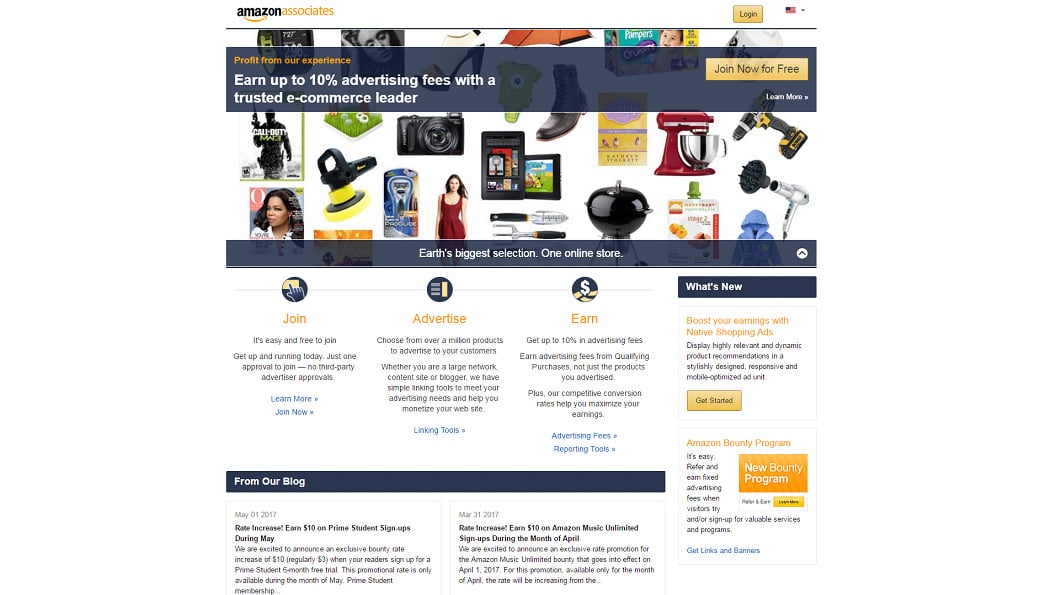
Affiliate marketing is a performance-based marketing strategy where individuals or businesses (affiliates) promote products or services of other companies (merchants) and earn a commission for each sale or lead generated through their unique affiliate links. This system leverages the power of recommendations and referrals, creating a mutually beneficial relationship between the affiliate and the merchant.Amazon’s affiliate program, a prominent example, allows individuals to earn money by promoting Amazon products and services.

Affiliates earn a commission on sales generated through their unique referral links. This program offers a wide range of products and services to promote, allowing affiliates to tailor their marketing efforts to their audience’s interests.

Understanding Amazon’s Affiliate Program

Amazon’s affiliate program is structured to be user-friendly and accessible. It provides a platform for individuals to monetize their websites, blogs, social media channels, and other online presences by promoting Amazon products. This creates a direct avenue for connecting with a vast consumer base and allows for targeted marketing campaigns.

Benefits for Affiliates

The affiliate program offers numerous advantages to participants. A significant benefit is the potential for passive income generation, as affiliates can earn commissions on sales even when they’re not actively promoting products. Furthermore, the program allows affiliates to establish their online presence and build a brand by offering valuable recommendations to their audience.

Benefits for Amazon

Amazon benefits from the program by expanding its reach and visibility through the marketing efforts of its affiliates. This strategy enables them to tap into a wider customer base and drive increased sales.

Examples of Successful Amazon Affiliate Programs

Numerous individuals and businesses have successfully leveraged Amazon’s affiliate program. These successful participants often have a dedicated following and a proven ability to effectively market products and services.

Key Elements of an Amazon Affiliate Program

This table Artikels the key elements of a typical Amazon affiliate program.

Program Name Commission Structure Requirements Benefits
Amazon Associates Commission rates vary depending on the product and category. Some products may have higher commissions, while others may have lower ones. Affiliates must have a website or blog to promote Amazon products and services. They need to sign up for the program and create unique affiliate links. Earning potential is significant, depending on the volume of traffic and engagement. The program offers access to a wide selection of products and categories to promote.

Identifying the Best Programs

Selecting the most lucrative Amazon affiliate programs requires careful consideration. Understanding the nuances of different programs and their potential return on investment (ROI) is key to maximizing your earnings. Factors like product demand, competition, and your target audience will all play a role in your success.Choosing the right affiliate programs is crucial for sustainable income generation. By understanding the various types of programs available and the specific characteristics of top performers, you can make informed decisions and optimize your Amazon affiliate strategy.

This section will delve into the critical aspects of identifying high-performing programs on the Amazon platform.

Factors to Consider When Choosing Programs

Various factors influence the success of an Amazon affiliate program. Analyzing product demand, competition levels, and potential ROI is essential. A program with high demand and low competition is generally more profitable. Also, understanding the target audience for the products in the program is important for strategic marketing. Finally, the commission structure and the program’s overall reputation contribute to a well-rounded evaluation.

Comparison of Different Program Types

Amazon offers a diverse range of affiliate programs catering to various niches and interests. Some programs focus on specific product categories, while others are more general. Understanding the distinctions between these programs helps you align your efforts with your goals. For example, a program dedicated to parenting products will likely have a different target audience and commission structure compared to one for electronics.

This variation allows for a tailored approach based on your marketing expertise and desired niche.

Top-Performing Affiliate Programs

Several Amazon affiliate programs consistently demonstrate strong performance. These programs often feature high-demand products, low competition, and a favorable commission structure. Identifying these programs requires research and analysis. For example, programs focused on trending products like home improvement tools or popular consumer electronics tend to perform well. Staying updated on emerging trends is crucial to identifying promising affiliate programs.

  • High-Demand Products: Programs with high-demand products are more likely to generate significant revenue. These products are frequently sought after by customers and often result in a higher conversion rate.
  • Low Competition: Programs with fewer competitors allow you to stand out more effectively. This reduces the need to engage in aggressive marketing strategies, making the program more accessible.
  • Favorable Commission Structure: Programs offering higher commission rates or attractive tiered commission structures encourage participation and increase the potential for earnings.

Niche Performance in Amazon Affiliate Programs

Certain niches consistently demonstrate strong performance within Amazon affiliate programs. The success of a program often hinges on the specific niche it targets. For instance, the health and wellness niche, with its focus on fitness equipment and supplements, tends to perform well due to consistent consumer demand. Identifying and understanding these high-performing niches allows you to strategically focus your marketing efforts and maximize your potential earnings.

Program Category Overview

The table below provides a glimpse into different affiliate program categories on Amazon, illustrating the diverse range of products and potential returns.

Category Product Examples Target Audience Expected ROI
Health & Wellness Fitness trackers, supplements, yoga mats Health-conscious individuals, athletes, and wellness enthusiasts Moderate to High
Electronics Smartphones, headphones, laptops Tech-savvy consumers, students, professionals High
Home Improvement Tools, appliances, furniture Homeowners, DIY enthusiasts, contractors Moderate to High
Fashion Clothing, accessories, shoes Fashion-conscious individuals, trendsetters Moderate

Strategies for Success with Amazon Affiliates

Leveraging Amazon’s affiliate program effectively requires a strategic approach. This involves understanding how to promote products effectively, craft engaging content, and drive traffic to your affiliate links. Successful affiliate marketing on Amazon hinges on these key strategies.A successful Amazon affiliate strategy is not a one-size-fits-all solution. It necessitates tailoring your approach to your specific audience and the products you promote.

Understanding the nuances of various content formats and the importance of targeted traffic generation is crucial for optimizing your affiliate marketing efforts.

Content Creation Techniques for Affiliate Marketing

Creating compelling content that attracts and engages your audience is paramount in affiliate marketing. This involves understanding your target audience and tailoring your content to their needs and interests. Quality content that provides value and addresses specific problems or questions often leads to higher conversion rates.Effective content creation involves research, understanding your audience, and consistently producing high-quality content.

This might include blog posts, product reviews, comparison articles, or even social media posts. Tailoring content to address specific customer needs and questions is a key differentiator.

Best Practices for Creating Engaging Product Descriptions

Compelling product descriptions are crucial for motivating potential customers to make purchases. Thorough and detailed descriptions that highlight the product’s features, benefits, and unique selling points are key to effective affiliate marketing. These descriptions should be concise, clear, and informative, addressing the needs and interests of your target audience.Focus on showcasing the value proposition of the product. Highlight key features and benefits, using clear and concise language.

Use evocative language to create a sense of excitement and urgency. Incorporating high-quality images or videos can significantly enhance engagement and drive conversions.

Methods for Driving Traffic to Affiliate Links

Driving targeted traffic to your affiliate links is essential for generating sales. Strategies for driving traffic include leveraging social media, optimization, email marketing, and collaborations with other influencers or websites. Utilizing a variety of strategies to reach a broader audience will enhance your overall results.Employing a mix of promotional methods is often the most effective approach. Optimizing your content for search engines () can drive organic traffic to your affiliate links.

Social media engagement and strategic collaborations can further amplify your reach. Email marketing can nurture leads and drive repeat traffic.

Content Formats for Affiliate Marketing

Effective affiliate marketing utilizes various content formats. Understanding the nuances of each format is crucial for maximizing your impact and reaching the right audience. The choice of format should align with your target audience and the products you are promoting.

Format Example Target Audience Benefits
Blog Post Review of a specific camera Photography enthusiasts, aspiring photographers Establishes credibility, provides in-depth information, drives organic traffic
Video Review Unboxing and demonstration of a new drone Tech-savvy individuals, drone enthusiasts Visually engaging, captures attention, builds trust and relatability
Social Media Post Highlighting a specific feature of a new smartwatch Tech-conscious individuals, health and fitness enthusiasts Creates quick, impactful engagement, broad reach, drives traffic to product pages
Email Newsletter Exclusive discount code for subscribers Existing customers, potential customers Nurturing leads, building relationships, driving targeted sales

Tools and Resources for Amazon Affiliates

Leveraging the right tools and resources is crucial for Amazon affiliates to thrive. This section explores essential tools for tracking performance, maximizing earnings, and staying updated on the ever-evolving Amazon affiliate landscape. Understanding these resources empowers affiliates to make informed decisions and build a sustainable business model.

Essential Affiliate Tools

A variety of tools can significantly enhance an Amazon affiliate’s performance. These tools offer data insights, automate tasks, and streamline workflows, ultimately boosting earnings and optimizing efforts. Many of these tools offer free trials or tiered pricing models to suit different budgets.

  • Amazon Seller Central: This is a fundamental tool for any Amazon affiliate. It provides detailed insights into product performance, including sales data, conversion rates, and customer feedback. Affiliates can use this to identify popular products and adjust their strategies accordingly.
  • Affiliate Marketing Platforms: Dedicated affiliate marketing platforms offer comprehensive tools for tracking and managing affiliate links. These platforms often provide features like link management, automatic commission calculations, and robust analytics dashboards, enabling a centralized view of all affiliate activities.
  • Analytics Platforms (e.g., Google Analytics): Integrating Google Analytics or similar platforms allows affiliates to track website traffic, understand user behavior, and identify the most effective affiliate marketing strategies. This data provides valuable insights into user engagement, conversion paths, and overall site performance.

Analyzing Affiliate Performance with Analytics

Understanding how well affiliate links are performing is paramount for success. Data-driven analysis allows for informed adjustments to marketing strategies, leading to higher conversions and ultimately, increased earnings.

  • Tracking Conversions: Using tools like Amazon’s Seller Central and dedicated affiliate marketing platforms, affiliates can monitor conversions generated by specific affiliate links. This data provides insights into which products and strategies are driving the most sales. For example, a high conversion rate for a specific product suggests it resonates well with the target audience.
  • Identifying Top-Performing Products: Analyzing sales data associated with different products allows affiliates to identify high-performing items. This information can guide content creation and marketing efforts to focus on promoting these top-performing products more aggressively.
  • Understanding Customer Behavior: Analytics tools reveal customer behavior, such as the products viewed before a purchase or the specific s used to find affiliate links. This knowledge helps affiliates tailor their marketing messages and content for better engagement and conversions. For instance, if customers frequently view a specific product category before purchasing, the affiliate can focus on promoting similar products.

Supporting Resources for Amazon Affiliates

Numerous resources offer valuable support for Amazon affiliates. These include tutorials, communities, and forums, which are essential for learning, networking, and staying informed about the affiliate landscape.

  • Amazon Affiliate Program Resources: The official Amazon affiliate program provides comprehensive resources, including FAQs, tutorials, and support documentation. This is a crucial first step for any new affiliate.
  • Online Tutorials and Courses: Numerous online platforms offer tutorials and courses on affiliate marketing, specifically for Amazon. These resources provide in-depth knowledge on strategy, techniques, and effective strategies for building a successful affiliate business.
  • Industry Blogs and Articles: Following industry blogs and articles allows affiliates to stay abreast of the latest trends, best practices, and program updates. This helps in maintaining a competitive edge and adapting to changing market dynamics.

Staying Updated on Amazon Affiliate Program Changes

Staying informed about changes to the Amazon affiliate program is crucial for continued success. Regular updates on policy changes, new features, and best practices are essential for maintaining compliance and maximizing earnings.

  • Official Program Announcements: Regularly check Amazon’s official announcements and updates for the affiliate program. This includes checking the program’s help pages, forums, and news sections for official notifications.
  • Industry News Sources: Following industry news outlets, blogs, and social media groups dedicated to affiliate marketing can provide insights into program changes and emerging trends.
  • Community Forums and Discussions: Online communities for Amazon affiliates often discuss recent program updates and provide valuable insights from fellow affiliates.

Relevant Online Communities for Amazon Affiliates

Connecting with other affiliates through online communities provides valuable networking opportunities, support, and insights.

  • Amazon Affiliate Forums: These forums offer a platform for affiliates to share experiences, ask questions, and discuss strategies. Such forums often include discussions on specific niche markets and practical advice from experienced affiliates.
  • Social Media Groups: Join relevant social media groups for Amazon affiliates. These groups provide a quick way to share ideas, ask questions, and stay updated on industry trends.
  • Dedicated Affiliate Marketing Platforms: Many affiliate marketing platforms have their own online communities or forums, providing a dedicated space for interaction and support.

Analyzing and Optimizing Your Amazon Affiliate Strategy

Mastering your Amazon affiliate marketing strategy involves a deep dive into data analysis. Understanding what works and what doesn’t is crucial for sustained success. This analysis allows for informed adjustments and continuous improvement, ultimately leading to better conversion rates and higher earnings.

Analyzing Your Affiliate Marketing Data

Thorough analysis of your affiliate marketing data is paramount to identifying trends and patterns. This process involves scrutinizing various metrics, allowing you to pinpoint areas for improvement and capitalize on successful strategies. A comprehensive approach allows for informed decision-making and optimized performance.

Tracking Key Metrics for Amazon Affiliate Programs

Tracking key metrics is essential for understanding the performance of your Amazon affiliate campaigns. These metrics provide valuable insights into which products, categories, and strategies are driving the most success. Regular monitoring allows for proactive adjustments to maximize earnings and conversion rates.

  • Conversion Rate: This metric measures the percentage of visitors who complete a purchase after clicking your affiliate link. High conversion rates indicate effective marketing strategies and a strong connection with your audience.
  • Click-Through Rate (CTR): CTR represents the percentage of people who see your affiliate link and click on it. A higher CTR suggests your marketing materials are compelling and attract the desired audience.
  • Average Order Value (AOV): AOV reflects the average amount spent per purchase by customers who click through your affiliate link. Strategies to increase AOV, such as promoting bundles or complementary products, can boost overall earnings.
  • Cost per Acquisition (CPA): CPA is the cost of acquiring a customer through your affiliate link. By analyzing CPA, you can assess the effectiveness of different strategies and campaigns in generating sales.

Identifying Profitable Products or Categories

Identifying profitable products or categories is crucial for focusing your efforts. Analyzing sales data and performance metrics helps determine which items are generating the most revenue and achieving the highest conversion rates. This targeted approach maximizes your earnings potential.

  • Sales Data Analysis: Examine the sales figures for different products and categories to pinpoint high-performing items. Patterns in sales data can highlight trending products or product categories.
  • Customer Behavior Analysis: Analyze customer browsing and purchase history to identify popular items and customer preferences. This insight allows you to tailor your affiliate marketing to resonate with your target audience.

Improving Your Affiliate Marketing Campaigns

Continuous improvement of affiliate marketing campaigns is key to long-term success. A proactive approach, analyzing past performance, and identifying areas for enhancement allows for sustained growth and profitability. Experimentation with different strategies and materials is vital.

  • A/B Testing: Experiment with different variations of your affiliate marketing materials, such as product descriptions, images, and calls to action. Comparing results helps determine which variations yield the best outcomes.
  • Content Optimization: Enhance the quality and relevance of your content. High-quality content attracts and engages the target audience, driving conversions.
  • Research: Conduct research to optimize your content for relevant search terms. This improves visibility and helps reach a wider audience.

Analytics Tools for Amazon Affiliates

Utilizing the right tools significantly enhances your ability to track and analyze data. These tools empower you to gain actionable insights and optimize your campaigns.

Tool Name Features Pricing User Reviews
Google Analytics Comprehensive website analytics, traffic sources, conversion tracking, and more. Free (with paid options) Generally positive, known for robust features and extensive documentation.
Amazon Seller Central In-depth sales data, product performance metrics, and insights into customer behavior. Free (with potentially additional costs depending on specific features). Mixed reviews; some find it user-friendly, while others find it complex.
Helium 10 Advanced tools for research, competitor analysis, and product research specifically for Amazon. Subscription-based Positive reviews highlighting its specific features for Amazon products.
Jungle Scout Detailed product research, competitor analysis, and sales data, tailored to Amazon sellers. Subscription-based Generally positive, praised for its comprehensive Amazon-specific features.

Advanced Strategies and Considerations

Taking your Amazon affiliate marketing to the next level requires more than just finding products to promote. Advanced strategies involve a deeper understanding of your audience, sophisticated techniques for optimization, and a long-term vision for sustainable growth. This section explores these key areas to help you scale your business effectively.Successfully scaling an Amazon affiliate business necessitates a multifaceted approach.

It involves leveraging advanced techniques in areas like landing page optimization, link tracking, and understanding long-term growth strategies. Analyzing performance data and adapting strategies based on those insights is crucial for maximizing returns.

Scaling Your Amazon Affiliate Business

Effective scaling requires a systematic approach beyond simply promoting more products. This involves building a strong brand presence, establishing authority in a niche, and developing a loyal customer base. A strong brand helps you stand out from the competition and build trust with potential customers.

  • Niche Specialization: Focus on a specific niche within Amazon. This allows you to become an expert in that area and attract a highly targeted audience. For example, if you specialize in “budget-friendly camping gear,” you’ll attract customers actively searching for those products, increasing the likelihood of conversions.
  • Content Diversification: Expand your content beyond product reviews. Include blog posts, articles, and videos that offer valuable insights and information related to your niche. For instance, create a series of articles on different camping techniques, equipment maintenance, or eco-friendly camping practices.
  • Influencer Marketing: Collaborate with relevant influencers to reach a wider audience. This can significantly amplify your reach and potentially drive more traffic to your Amazon affiliate links.

High-Converting Landing Pages

Creating high-converting landing pages is crucial for maximizing conversions. A well-designed landing page focuses the visitor’s attention on a specific product and encourages immediate action.

  • Compelling Headlines: Use concise and engaging headlines that clearly communicate the value proposition of the product. Avoid generic titles and instead highlight the key benefits. Example: Instead of “Camping Tent,” use “Durable, Waterproof Camping Tent for Families.”
  • Clear Call to Actions (CTAs): Include prominent and visually appealing CTAs, such as “Shop Now” or “Learn More.” Ensure the CTA buttons are easy to spot and click. Experiment with different colors and placement of CTAs to identify what works best.
  • Visual Appeal: High-quality images and videos are essential for showcasing the product effectively. Include multiple angles, close-ups, and demonstrations. Use compelling imagery that evokes a sense of excitement and trust.

Advanced Affiliate Link Tracking and Optimization

Advanced tracking methods provide detailed insights into affiliate link performance. This data is critical for optimizing your strategy.

  • Advanced Tracking Tools: Utilize tools that offer comprehensive tracking, such as those that track clicks, conversions, and revenue generated by each affiliate link. These tools provide insights into the performance of different links and help you identify areas for improvement.
  • A/B Testing: Experiment with different variations of your affiliate links and landing pages. This allows you to identify the most effective versions and improve conversion rates. For example, test different headlines, images, or CTAs to see what resonates best with your audience.
  • Attribution Modeling: Understand the various touchpoints that lead to a sale. Use attribution modeling to understand the impact of each stage of your marketing campaign. This ensures that you’re allocating your resources effectively.

Long-Term Strategies for Sustained Growth

Sustained growth in affiliate marketing requires a long-term vision. Focus on building a sustainable business model.

  • Content Calendar: Develop a content calendar to schedule and plan your content creation. This helps maintain a consistent stream of valuable content for your audience.
  • Building Relationships: Cultivate relationships with Amazon sellers and build trust with your audience. This fosters a sense of community and loyalty.
  • Adaptability: Stay informed about industry trends and adapt your strategies accordingly. The affiliate marketing landscape is constantly evolving. Staying current is essential.

Scenario and Results

A niche Amazon affiliate marketer, specializing in sustainable home goods, saw a significant increase in sales after implementing advanced strategies. Initially, they focused on product reviews. After adopting a content calendar, they published blog posts on eco-friendly cleaning solutions, waste reduction tips, and sustainable home décor ideas. They also started using influencer marketing and collaborating with eco-conscious lifestyle influencers.

This diversification of content, along with the increased brand presence, resulted in a 45% increase in affiliate revenue within three months.

Understanding Amazon Affiliate Terms and Conditions

10 Best Affiliate Programs for Web Design Bloggers

Navigating Amazon’s affiliate program requires a deep understanding of its terms and conditions. These policies, while designed to protect both Amazon and its affiliates, are crucial for maintaining a healthy and sustainable partnership. Misinterpretations or violations can lead to serious consequences, impacting your ability to earn and potentially harming your reputation. Thorough familiarity with these guidelines is essential for success.

Key Aspects of Amazon’s Affiliate Program Terms

Amazon’s affiliate program terms encompass a wide range of rules and regulations. These conditions govern everything from acceptable promotional activities to the types of content you can create. A thorough review is essential to avoid unintentional infringements.

Common Pitfalls and Mistakes to Avoid

Several common pitfalls can jeopardize your Amazon affiliate status. These include using misleading or deceptive language in your promotions, engaging in unethical link manipulation, or failing to comply with Amazon’s policies on product reviews. It is vital to ensure all promotional material adheres to Amazon’s guidelines to maintain a positive relationship.

Importance of Compliance with Amazon’s Policies

Adherence to Amazon’s policies is paramount for a successful affiliate partnership. Non-compliance can lead to penalties, account suspension, or even the termination of your affiliate status. Maintaining compliance demonstrates professionalism and respect for Amazon’s guidelines.

Examples of Potential Violations of Amazon’s Affiliate Program Terms

Several actions could constitute violations of Amazon’s affiliate program terms. These include using misleading or inflated product descriptions to drive sales, employing deceptive tactics to increase affiliate clicks, or creating content that promotes products in an inaccurate or misleading manner. It’s important to be transparent and honest in your marketing efforts.

Table Outlining Key Terms and Conditions

Term Definition Example Potential Consequences
Product Reviews Reviews must be genuine and reflect your honest opinion. Writing a positive review for a product you received free of charge, but failing to mention this fact. Account suspension or termination.
Link Manipulation Using techniques to artificially inflate click-through rates. Using hidden links or creating fake traffic to increase affiliate commissions. Account suspension or termination.
Misleading Descriptions Avoid exaggerating product benefits or features to deceive customers. Describing a product as “revolutionary” when it’s not significantly different from existing products. Account suspension or termination.
Content Quality Maintain high-quality content that aligns with Amazon’s policies. Creating low-effort content solely for the purpose of generating affiliate links. Account suspension or termination.
Disclosure of Affiliate Relationships Clearly indicate your affiliate relationship in all promotional content. Promoting a product without mentioning that you are an affiliate. Account suspension or termination.

Epilogue

In conclusion, navigating Amazon’s affiliate landscape effectively requires a multifaceted approach. This guide has equipped you with the knowledge and tools to identify, leverage, and optimize your chosen programs. By mastering content creation, traffic generation, and data analysis, you’ll be well-positioned for sustainable growth in the Amazon affiliate marketing space. Remember to stay updated with Amazon’s policies and adapt your strategies to maintain success.

Top FAQs

What are the common pitfalls to avoid when choosing an Amazon affiliate program?

Poorly researched niches, lack of understanding of the program’s commission structure, and inadequate product knowledge are common pitfalls. Careful analysis and thorough research are essential for success.

How can I ensure my affiliate links comply with Amazon’s terms and conditions?

Thoroughly reviewing Amazon’s affiliate program terms and conditions, understanding their policies, and adhering to guidelines are essential to avoid potential issues.

What are some effective strategies for driving traffic to my affiliate links?

Creating high-quality, engaging content that naturally incorporates affiliate links, leveraging social media marketing, and implementing search engine optimization () strategies are crucial for driving traffic.

How can I track the performance of my Amazon affiliate marketing campaigns effectively?

Utilizing analytics tools provided by Amazon and third-party platforms to monitor key metrics like click-through rates, conversions, and revenue is crucial for effective campaign optimization.

Parenting affiliate programs in Australia offer a lucrative opportunity for website owners, bloggers, and social media influencers to monetize their content while supporting parents. This guide delves into the intricacies of these programs, examining the various options available, highlighting key considerations, and providing strategies for maximizing earnings.

From understanding commission structures to selecting the right products, this comprehensive overview equips you with the knowledge needed to succeed in the Australian parenting affiliate market. We’ll also compare these programs to the well-known Amazon affiliate program, offering a clear perspective on the pros and cons of each approach.

Introduction to Parenting Affiliate Programs in Australia

Parenting affiliate programs in Australia provide a valuable avenue for websites, blogs, and social media accounts focused on parenting to monetize their content while recommending products and services beneficial to families. These programs allow creators to earn commissions on sales generated through their unique affiliate links, effectively turning their passion into a revenue stream. This approach aligns with the needs of both the content creators and the consumers, as it promotes transparency and helps families find products that suit their needs.

Overview of Parenting Affiliate Programs

Parenting affiliate programs are designed to connect parenting content creators with relevant product and service providers. This mutually beneficial relationship allows content creators to generate income by promoting products and services they believe in, while providing families with trustworthy recommendations. The programs typically encompass a wide array of items, from baby gear and clothing to parenting books, educational resources, and even family travel options.

Benefits for Parenting Websites/Blogs/Social Media Accounts

Parenting affiliate programs offer significant advantages for content creators. They provide an opportunity to monetize their existing platforms, augmenting their income streams and allowing them to maintain their content creation. The commission structures often allow for flexible earning potential, and can be attractive to creators with diverse content strategies.

Commission Structures and Payment Methods

Affiliate commission structures vary between programs but typically follow a percentage-based model. This means a certain percentage of the sale price is credited to the affiliate for every sale made through their unique link. Payment methods usually include direct deposits, PayPal, or other digital wallets, providing flexibility for the content creators. For example, a 10% commission on a $50 product translates to $5 in affiliate earnings.

Required Steps to Join Parenting Affiliate Programs

Joining a parenting affiliate program usually involves a straightforward application process. This generally involves registering with the program provider, creating an account, and agreeing to their terms and conditions. Once approved, the affiliate receives their unique affiliate links and resources for effective promotion. Content creators should ensure they comply with all guidelines and regulations.

Comparison of Parenting Affiliate Program Providers

Provider Commission Structure Payment Method Key Features
Example Provider 1 Commission rate of 8% on all baby product sales; tiered commissions for recurring purchases Direct bank deposit, PayPal Dedicated affiliate manager support, advanced tracking tools, exclusive promotions for affiliates
Example Provider 2 Commission rate of 10% on all sales, 15% on premium products; recurring commission on subscriptions PayPal, direct bank deposit, and other digital payment processors Extensive product catalog covering parenting needs, marketing resources, dedicated support forum for affiliates
Example Provider 3 Commission rate of 7% on all sales, 12% on educational resources; tiered commissions based on sales volume Direct bank deposit, Stripe Focus on educational resources, flexible promotional materials, monthly performance reports

Types of Parenting Products/Services Offered

Affiliate programs in the Australian parenting sector offer a wide array of products and services tailored to different needs and stages of parenthood. These programs connect parents with a wealth of resources, from practical essentials to enriching experiences, empowering them to navigate the joys and challenges of raising children.

Parenting Product Categories

A structured approach to understanding the diverse range of parenting products and services is essential for both affiliate marketers and potential customers. Categorizing products helps in identifying specific needs and preferences, leading to more targeted marketing and customer engagement. This structured approach allows for a better understanding of the diverse needs and preferences of parents.

  • Baby Gear: Essential items for newborns and infants are a significant component of many parenting affiliate programs. This category encompasses everything from cribs and strollers to high chairs and baby carriers. New parents often need these items immediately, and the market for high-quality, safe baby gear is robust. The target audience for baby gear is typically expectant parents and new parents.

  • Parenting Books and Resources: This category encompasses a wide range of books and resources covering various aspects of parenting, from child development to discipline strategies. These resources often provide valuable insights and practical advice for parents, and many offer expert guidance. This target audience spans parents of children of all ages, seeking support and guidance.
  • Educational Resources and Activities: This category includes online courses, workshops, and educational programs designed to support parents in nurturing their children’s development. These resources often address specific areas like early childhood education, language development, or social-emotional learning. Parents seeking additional support and resources to enhance their children’s learning and development fall into this target audience.
  • Baby Food and Nutrition: This category focuses on products and services related to feeding babies and young children. This includes baby food, formula, and nutritional supplements, as well as resources on healthy eating habits. This target audience encompasses new parents and parents of young children concerned with their children’s nutritional needs.
  • Clothing and Accessories: This category covers a range of clothing, footwear, and accessories specifically designed for babies and children. The target audience for this category includes parents seeking stylish and practical clothing for their children, often prioritizing comfort and safety.
  • Toys and Play Resources: This category encompasses a wide range of toys, games, and play resources designed for children of different ages and developmental stages. The target audience includes parents looking for engaging and stimulating activities to encourage their children’s development and creativity.

Detailed Overview of Parenting Product Categories

This table provides a comprehensive overview of different parenting product/service categories, along with examples and their target audience.

Category Example Products/Services Target Audience
Baby Gear Cribs, strollers, high chairs, bassinets, baby carriers, car seats, diaper bags, feeding accessories New parents, expectant parents
Parenting Books Books on child development, discipline, parenting styles, pregnancy, and postpartum care Parents of children of all ages, expecting parents, adoptive parents
Educational Resources Online courses on early childhood development, workshops on discipline, educational apps, subscription boxes with learning activities Parents seeking additional support, parents interested in enhancing their child’s learning, educators, childcare providers
Baby Food and Nutrition Baby food pouches, formula, breast milk storage solutions, baby food recipes, nutritional supplements, books on infant feeding New parents, parents of young children, parents concerned with dietary needs of their children
Clothing and Accessories Baby clothes, children’s clothing, footwear, hats, accessories, sleepwear, swimwear Parents seeking stylish and practical clothing for their children, prioritizing comfort and safety
Toys and Play Resources Educational toys, building blocks, playsets, board games, puzzles, outdoor play equipment, art supplies Parents looking for engaging and stimulating activities to encourage their children’s development and creativity

Comparison with Amazon Affiliate Program

Parenting affiliate programs offer a valuable alternative to the widely recognized Amazon affiliate program. While Amazon provides a massive platform and vast product selection, dedicated parenting affiliate programs can often offer more focused opportunities and potentially higher earning potential for specific niche websites and blogs. Understanding the differences between these two options is crucial for making informed decisions about which program best aligns with a parenting site’s goals and target audience.Parenting-focused affiliate programs often cater to a more specific audience with carefully curated products and services, unlike Amazon’s broad selection.

This targeted approach can lead to higher conversion rates for specific products. The key is understanding the advantages and disadvantages of each program for different types of parenting websites.

Commission Structures and Payment Methods

Different programs have varying commission structures. Some parenting affiliate programs offer tiered commissions based on product value or purchase volume. This incentivizes higher-value sales, particularly useful for parenting-related products with higher prices, like educational toys or baby gear. Others offer flat rates for specific products, which can be more straightforward for smaller sites. Amazon’s commission structure is typically a percentage of the sale, with variations across categories.

Payment methods and timelines also differ between the two. Parenting programs may offer more flexibility or faster payment cycles, a critical consideration for website income flow.

Target Audience Suitability

The target audience significantly influences the program’s suitability. A website focusing on budget-friendly baby products might find a parenting affiliate program better suited than Amazon, which offers a wider range of price points. Parenting affiliate programs are better for websites targeting specific niches within the parenting market. Amazon, with its vast selection, caters to a broader audience and is a generalist platform, suitable for sites offering comprehensive parenting resources.

Support and Resources Offered

Parenting affiliate programs often provide tailored support and resources for website owners. This may include marketing materials, product spotlights, and promotional opportunities specifically designed to help sell parenting products. Amazon’s support for affiliate marketing is more general, focusing on broader marketing strategies. This can be advantageous for sites with broader topics but potentially less tailored to the niche focus of parenting-specific sites.

Examples of Differences

Consider a parenting blog focused on organic baby food. An Amazon affiliate program might offer a vast array of baby food options, but the commission rate might be lower. A dedicated parenting affiliate program focused on organic products would likely offer higher commissions for specific organic brands. Furthermore, it would provide tailored resources, like blog posts or product highlights, to promote organic food.

Feature Parenting Affiliate Programs Amazon Affiliate Program
Commission Structure Tiered, flat rates, potentially higher commissions on niche products Percentage-based, often lower rates for high-volume products
Target Audience Niche-focused parenting audiences Broader, general audience
Support Tailored resources and marketing materials General affiliate support
Payment Methods Potentially faster payment cycles Standard payment methods, potentially slower cycles

Strategies for Maximizing Affiliate Earnings

Access Parenting Support in Australia | Essential Guide

Leveraging parenting affiliate programs effectively requires a multifaceted approach beyond simply linking to products. Success hinges on understanding your target audience, choosing the right products, and crafting engaging content that drives sales. This section details key strategies for maximizing your affiliate earnings within the Australian parenting market.Effective affiliate marketing is not a one-size-fits-all approach. Strategies need to be tailored to your specific website or platform and the unique needs of your audience.

The key is to build trust and establish yourself as a valuable resource in the parenting community, thereby increasing the likelihood of conversions.

Driving Sales Through Engaging Content

Creating compelling content that resonates with your audience is crucial for driving sales. This involves understanding the specific needs and interests of parents in Australia. Consider their concerns about development, safety, and affordability.

  • Product Reviews and Comparisons: Detailed reviews, particularly those highlighting practical aspects, like ease of use, durability, or safety features, are valuable to potential buyers. Comparative analyses showcasing the pros and cons of different products cater to the need for informed decision-making. For example, a review of baby carriers comparing different brands and features would be highly engaging and informative.

  • Expert Interviews and Q&As: Interviews with parenting experts, pediatricians, or experienced parents can add credibility and value to your content. Q&As address common concerns and provide practical advice, further establishing your platform as a trusted source.
  • “How-To” Guides and Tutorials: Practical “how-to” guides related to parenting tasks or using specific products can be highly engaging. For instance, a “how-to” guide on preparing nutritious baby food or using a specific type of stroller in different terrains would be beneficial.
  • Parenting Advice and Tips: Sharing insights and tips on various parenting aspects, including sleep training, discipline, or managing toddler tantrums, positions you as an authoritative figure and drives traffic to your platform.

Compelling Product Descriptions

Crafting compelling product descriptions that entice potential customers is vital. Focus on the benefits, not just the features. Use evocative language and highlight the value proposition for parents.

  • Benefit-Driven Descriptions: Instead of listing features, emphasize how those features solve problems or enhance the parenting experience. For example, instead of stating “This stroller has a large basket,” highlight “This stroller’s large basket allows you to easily carry all your essentials while strolling your child.”
  • Visual Appeal: High-quality images and videos showcasing the product in use can significantly enhance engagement and improve conversions. Consider showcasing the product in various scenarios relevant to parents, such as with different children, in different settings, and with diverse family dynamics.
  • Social Proof: Including testimonials or reviews from satisfied customers can build trust and credibility. Authentic reviews and endorsements are essential in building trust and influencing purchasing decisions.

Seamless Integration of Affiliate Links

Integrating affiliate links naturally into your content is key. Avoid overtly promotional tactics that might alienate your audience.

  • Contextual Integration: Ensure the affiliate link is relevant to the surrounding content. For example, if reviewing a baby monitor, include the affiliate link within the review section dedicated to its specific features. Avoid placing the link in the middle of a paragraph unrelated to the product.
  • Natural Language: Use natural language when incorporating affiliate links. Avoid sounding overly promotional. Instead of saying “Click here to buy,” say “This is the baby monitor we recommend.” or “Check it out for yourself.”
  • Avoid Excessive Promotion: Over-promotion can be counterproductive. Focus on providing value to your audience, and the affiliate links will naturally emerge within the context of your content.

Flowchart for Choosing and Promoting Affiliate Products

A well-defined process for selecting and promoting products can streamline your affiliate marketing efforts.
[Insert flowchart here. The flowchart should depict the following steps: 1. Identify Target Audience Needs; 2. Research Suitable Products; 3.

Evaluate Affiliate Program Details; 4. Create Engaging Content; 5. Promote Products; 6. Monitor Performance and Adjust Strategy.]
This flowchart will visually illustrate the process of selecting and promoting affiliate products, outlining the steps from identifying target audience needs to monitoring performance and adjusting strategies.

Legal and Ethical Considerations

Navigating the world of parenting affiliate programs requires a keen understanding of legal and ethical boundaries. This section explores the crucial aspects of compliance and responsible promotion within the Australian context. Failure to adhere to these guidelines can lead to serious repercussions, including penalties and damage to your reputation.Understanding the legal frameworks and ethical principles surrounding parenting affiliate programs is essential for maintaining a trustworthy and sustainable business model.

This includes knowing your rights and responsibilities as an affiliate marketer, as well as the rights and expectations of your audience. A strong foundation in these areas fosters a positive experience for both you and your audience.

Legal Aspects of Participating in Parenting Affiliate Programs in Australia

Australian consumer protection laws play a significant role in governing affiliate marketing practices. These laws aim to ensure fair trading practices and protect consumers from misleading or deceptive conduct. Affiliates must be transparent in their marketing efforts, avoiding any misrepresentation of products or services.

Ethical Considerations in Promoting Parenting Products/Services

Promoting parenting products and services ethically requires careful consideration of the potential impact on parents and their children. Avoid exaggerating the benefits or efficacy of products, particularly those related to health or development. Focus on providing factual information and genuine reviews. Misleading claims or false endorsements can damage your credibility and potentially harm vulnerable consumers.

Disclosure Requirements and Best Practices for Affiliate Marketing

Transparency is paramount in affiliate marketing. Clearly disclose your affiliate relationship with consumers. Use unambiguous language, such as “affiliate link” or “as an affiliate,” to clearly communicate your connection to the product or service. Avoid implying endorsement where there isn’t one.

  • Disclosing affiliate relationships: Explicitly state that you are an affiliate and clearly indicate which links are affiliate links.
  • Avoiding misleading statements: Do not make claims that are not supported by evidence or verifiable facts. Avoid using testimonials that are not genuine.
  • Honesty in reviews: If you are reviewing a product, provide an honest and unbiased assessment, acknowledging any limitations or drawbacks.
  • Respecting intellectual property: Ensure that any use of copyrighted material complies with the relevant copyright laws.

Importance of Transparency in Affiliate Marketing for Parenting Websites/Blogs

Maintaining transparency on parenting websites and blogs is crucial to building trust with readers. Transparency is paramount in affiliate marketing to cultivate a positive and ethical online environment. It fosters credibility and builds long-term relationships with your audience.

Compliance Measures Checklist for Parenting Affiliate Programs

This checklist provides a framework for ensuring compliance with Australian consumer protection laws and ethical considerations. It’s a guide to ensure you operate within legal and ethical boundaries.

  • Review and understand Australian consumer law: Familiarize yourself with relevant laws regarding misleading or deceptive conduct, consumer protection, and advertising standards.
  • Clearly disclose affiliate relationships: Use unambiguous language, such as “affiliate link,” to communicate your relationship with the product or service.
  • Provide accurate and unbiased product reviews: Do not exaggerate benefits or mislead readers about product performance.
  • Avoid making false or misleading claims: Ensure all claims are backed by evidence and verifiable facts.
  • Obtain necessary permissions: Seek explicit permission for the use of any images, testimonials, or content.
  • Keep records of all affiliate marketing activities: Maintain a detailed log of all affiliate links, promotions, and transactions.

Content Creation for Affiliate Marketing

Attracting and retaining a parenting audience online requires engaging content that goes beyond basic product promotion. High-quality content establishes trust and builds a loyal following, making affiliate marketing efforts more successful. This section details effective strategies for creating such content.Compelling content that resonates with the target audience is key to successful affiliate marketing. This involves understanding the needs and interests of parents and tailoring content accordingly.

A strong understanding of your target audience will guide your content creation decisions.

Blog Post Examples

Content like “Top 5 Toys for Encouraging Creativity in Toddlers” can target a specific parenting need. This approach can also include product recommendations. A blog post could discuss the benefits of a particular product, followed by a clear and concise explanation of why it’s a good fit for the reader. The blog post could then feature the affiliate link within a well-integrated recommendation.

Other effective blog post examples include comparisons of products or services, highlighting the pros and cons of different choices.

Social Media Post Examples

Social media is a powerful tool for reaching a broad audience. Visuals are crucial for grabbing attention quickly. For instance, a captivating image or short video showcasing a product’s benefits can increase engagement. A social media post might feature a question, prompting interaction with your audience. This creates a sense of community.

Video Content Strategies

Videos can effectively demonstrate a product’s features and benefits. For example, a “How-to” video on using a specific baby product can be highly engaging and informative. Showcasing the product in action or comparing it to similar products is a successful strategy. The video could include testimonials from other parents, adding social proof and authenticity. Creating videos around parenting challenges, like sleep training or mealtime struggles, can directly address the audience’s needs and present solutions.

Storytelling Techniques for Engagement

Stories resonate deeply with audiences. Using relatable stories of your own or other parents’ experiences with a product can strengthen the connection. Sharing a personal experience using the product, explaining how it solved a problem, or showing how it improved the relationship between parents and children can foster empathy and trust. This can be a powerful technique to increase engagement and conversions.

Natural Integration of Affiliate Links

Integrating affiliate links seamlessly into content is crucial. Avoid obvious or intrusive promotion. Instead, present affiliate links as a natural part of the conversation. For example, if you’re reviewing a product, discuss its benefits in a way that makes the link seem like an honest recommendation. Avoid overtly promoting the product.

High-Quality Visuals

High-quality images and videos are essential. Clear, well-lit photos and videos that showcase the product’s features in an attractive way can make a significant impact. Consider using a professional photographer or videographer for high-quality results. Videos that are well-edited and engaging will also significantly improve engagement. Use high-resolution images and videos to maximize visual appeal and impact.

Tips for Growing a Parenting Affiliate Website

Building a successful parenting affiliate website requires more than just promoting products. It demands a deep understanding of the audience, a compelling brand identity, and a consistent strategy for engaging with your readers. This comprehensive guide Artikels key strategies for attracting and retaining a loyal following, fostering a strong brand presence, and maximizing your affiliate earnings within the competitive parenting niche.Attracting and retaining a loyal audience is crucial for the long-term success of any affiliate website.

By providing valuable content and fostering a sense of community, you can cultivate a loyal readership that trusts your recommendations and consistently returns to your site.

Attracting and Retaining a Loyal Audience

Establishing a loyal following requires consistent engagement with your target audience. Understanding their needs and interests allows you to tailor content to their specific preferences, fostering a deeper connection. This includes actively participating in relevant online communities and forums, responding to comments and questions promptly, and creating a welcoming environment where readers feel valued and heard.

  • Provide High-Quality Content: Focus on creating informative, engaging, and well-researched content that addresses the specific needs and concerns of parents. This includes reviews, guides, and articles that offer practical advice and insights. Avoid generic content that lacks depth and originality. For instance, a detailed comparison of different baby carriers, outlining their pros and cons, would be a more valuable resource than a simple “best baby carrier” list.

  • Build Community Engagement: Encourage interaction through comments, forums, and social media. Respond to comments promptly and thoughtfully. Run contests or giveaways to foster excitement and encourage participation. Hosting regular Q&A sessions with parenting experts can also significantly boost engagement.
  • Personalization and Storytelling: Share personal stories or anecdotes to connect with readers on a deeper level. Demonstrate empathy and understanding of the challenges parents face. This helps establish trust and credibility, differentiating your site from others.

Building a Strong Brand Identity

A strong brand identity is vital for establishing recognition and trust within the parenting niche. It’s the unique voice and personality that sets your website apart from competitors.

  • Define Your Niche: Focus on a specific area within parenting, such as toddler development, breastfeeding support, or eco-friendly parenting. This allows you to become a go-to resource for a particular audience. Specializing in a niche area will attract a more targeted audience, increasing the likelihood of conversions from your affiliate links.
  • Develop a Consistent Visual Style: Use a consistent color scheme, font, and imagery to create a recognizable brand aesthetic. This reinforces your brand identity and makes your website visually appealing. A professional and well-designed website will inspire trust in your recommendations.
  • Establish a Unique Voice and Tone: Develop a voice that resonates with your target audience. This can be humorous, informative, empathetic, or a combination. A consistent tone throughout your content will solidify your brand image and attract a specific audience.

Consistent Content Creation

Consistency is key to maintaining reader interest and search engine rankings. A regular schedule of high-quality content keeps your audience engaged and returning for more.

  • Develop a Content Calendar: Plan your content in advance to ensure a steady flow of new articles, reviews, or guides. A content calendar helps you stay organized and maintain a consistent posting schedule.
  • Repurpose Existing Content: Turn blog posts into social media updates, infographics, or short videos. This maximizes the reach and impact of your content without requiring extensive new creation.
  • Collaborate with Other Influencers: Partnering with other parenting influencers can expose your website to a wider audience and expand your reach.

Building Relationships with Other Parenting Influencers

Collaboration with other parenting influencers can significantly expand your reach and credibility.

  • Identify Complementary Influencers: Seek out influencers who share a similar audience and values. Identifying these complementary influencers is key to finding the right partners for collaboration.
  • Initiate Collaboration: Reach out to influencers you admire and propose collaborative opportunities. This could involve guest posts, joint webinars, or social media promotions.
  • Maintain Open Communication: Maintain consistent communication with influencers to nurture the relationship and plan future collaborations.

Increasing Website Traffic and Engagement

Increasing website traffic and engagement is crucial for affiliate marketing success. These strategies will help you achieve this goal.

  • Optimize for Search Engines (): Conduct research to identify relevant search terms used by parents. Use these s naturally in your content and meta descriptions to improve your search engine rankings.
  • Promote Your Content on Social Media: Share your articles, reviews, and other content on relevant social media platforms. Use engaging visuals and captions to attract attention and drive traffic to your website.
  • Utilize Email Marketing: Build an email list and send out regular newsletters featuring your latest content and exclusive offers. This helps cultivate a loyal subscriber base and provides a direct channel for promoting affiliate products.

Outcome Summary

Navigating the world of parenting affiliate programs in Australia can be rewarding. By carefully considering the available options, understanding legal and ethical considerations, and implementing effective strategies for content creation, you can position yourself for success. This guide has provided a solid foundation for making informed decisions and maximizing your earning potential within this dynamic market.

FAQ Resource

What are the typical commission rates for parenting affiliate programs in Australia?

Commission rates vary significantly depending on the provider and the product. Some programs offer fixed percentages, while others use tiered structures based on sales volume. It’s crucial to review the specific commission structure of each program before committing.

What are the legal requirements for participating in parenting affiliate programs in Australia?

Adhering to Australian consumer law and advertising standards is paramount. Full disclosure of affiliate relationships and transparency in your marketing practices are key to avoiding legal issues.

How can I choose the right parenting products or services to promote?

Researching products aligned with your website’s niche and target audience is essential. Consider factors like product quality, customer reviews, and the overall market demand. A well-researched selection will yield better results.

Are there any specific platforms or resources to help me manage my affiliate marketing efforts?

Various platforms offer tools for tracking affiliate sales, managing your links, and analyzing performance. Utilize these tools to optimize your campaigns and track your progress effectively.

Parenting affiliate programs in the UK offer a fantastic opportunity for bloggers, influencers, and websites to monetize their content while connecting parents with valuable resources. This guide delves into the intricacies of these programs, providing insights into various aspects, from commission structures to successful strategies.

We’ll explore the diverse landscape of UK parenting affiliate programs, highlighting key differences between popular options and the significance of selecting programs that align with your target audience. Understanding the legal and ethical considerations is crucial, ensuring transparency and building trust with your readers.

Introduction to UK Parenting Affiliate Programs

Top 10 Parenting Affiliate Programs | One More Cup of Coffee

Parenting affiliate programs in the UK offer a valuable avenue for UK-based parenting bloggers, influencers, and websites to monetize their content and expertise while connecting with a dedicated audience. These programs allow participants to earn commissions by promoting products and services relevant to their target audience, fostering mutually beneficial relationships between brands and content creators.These programs leverage the trust and influence established by parenting content creators, enabling them to effectively recommend products and services that align with their audience’s needs and preferences.

This fosters a win-win situation for all involved, empowering content creators to earn income while providing value to their readers and supporting trusted brands.

Key Features and Benefits for UK Content Creators

Parenting affiliate programs provide several key benefits for UK-based parenting bloggers, influencers, and websites. They offer a straightforward method to generate income from their established audience and passion for parenting. These programs are particularly attractive to those already actively engaging with parenting communities. By aligning their recommendations with their established audience’s trust, they can facilitate sales and brand exposure.

Commission Structures and Payment Methods

Commission structures in UK parenting affiliate programs are typically performance-based, rewarding content creators for driving sales or conversions. Commission rates vary significantly depending on the product or service, the affiliate program, and the individual content creator’s reach and engagement. Common commission models include a percentage of each sale generated through a unique affiliate link. Payment methods typically include direct bank transfers, or sometimes via established payment processors.

Parenting Niche Categories and Affiliate Program Examples

Various niche categories within parenting are well-represented in affiliate programs. This diverse selection caters to the varying needs and interests of parents. Different programs target specific stages of child development, such as baby products, toddler activities, or educational resources.

Parenting Niche Category Example Affiliate Programs
Baby Products (Diapers, Formula, Cribs) Amazon Associates, Mothercare, Boots
Toddler Activities (Toys, Playsets, Learning Resources) Tesco, Argos, John Lewis
Educational Resources (Workbooks, Learning Apps, Books) Amazon Associates, educational publisher websites, subscription boxes
Parenting Advice & Support (Courses, Books, Workshops) Online parenting courses, self-help platforms, parenting communities
Pregnancy & Postnatal Care (Prenatal Vitamins, Breastfeeding Products) Specific retailers like Mothercare, or pregnancy-related online resources

Comparing Parenting Affiliate Programs

Choosing the right parenting affiliate program can significantly impact your earnings and the success of your online parenting business. Understanding the nuances between different programs is crucial for maximizing your potential and aligning your efforts with your specific target audience and niche within parenting. This section delves into the key factors to consider when comparing programs.Evaluating various parenting affiliate programs necessitates a thorough understanding of their strengths and weaknesses, aligning them with your target audience and specific niche.

This comparative analysis will illuminate the crucial metrics for determining program performance and assist you in making an informed decision.

Program Strengths and Weaknesses

Different parenting affiliate programs offer varying levels of support, commission structures, and target audiences. Some programs might excel in providing comprehensive resources for new parents, while others might focus more on specific age groups or parenting styles. Understanding these distinctions is essential for selecting a program that aligns with your goals and the needs of your audience. Careful consideration of the program’s resources, commission rates, and marketing materials will allow you to make an informed decision.

Importance of Program Selection

The success of your affiliate marketing campaign hinges significantly on the program you choose. Selecting a program tailored to your target audience and niche is vital for attracting the right traffic and generating relevant sales. For example, a program specializing in toddler development would be a poor fit for an audience focused on pre-school education. Matching your program to your niche will maximize conversions and build a sustainable affiliate business.

Key Metrics for Evaluating Performance

Several key metrics help evaluate the performance of a parenting affiliate program. These metrics include commission rates, marketing materials provided, and the program’s reputation among other affiliates. High commission rates, readily available marketing materials, and positive reviews from other affiliates are all strong indicators of a successful program.

Comparison of Prominent UK Parenting Affiliate Programs

Program Name Commission Rate Sign-up Criteria Marketing Support
Program A 10-15% on qualifying products Verification of website traffic and engagement; social media presence Access to high-quality product images, banners, and promotional materials; regular email newsletters and webinars
Program B 8-12% on qualifying products Basic website requirements; proven experience in the parenting niche Access to a dedicated affiliate manager; monthly promotional campaigns and contests
Program C 12-18% on qualifying products (with tiered commission for high volume sellers) Detailed business plan outlining niche and target audience; active social media presence Advanced marketing tools and analytics; access to exclusive webinars and training sessions

This table provides a basic comparison of three prominent UK parenting affiliate programs. Commission rates, sign-up criteria, and marketing support vary significantly, highlighting the importance of thorough research. Consider the resources you need to succeed and how each program’s offerings align with your individual needs and goals. Ultimately, the best program is the one that provides the necessary tools and support to maximize your success.

UK Parenting Affiliate Programs and Amazon Associates

Understanding the relationship between UK parenting affiliate programs and Amazon Associates is crucial for optimising your online parenting presence. This interplay can significantly impact your earning potential and website traffic. By leveraging both platforms effectively, you can provide a richer experience for your audience and maximise your income.The UK parenting market is highly competitive. By strategically incorporating Amazon Associates into your existing parenting affiliate program, you can expand your product offerings, cater to a wider range of parental needs, and enhance your overall affiliate marketing strategy.

A well-structured approach ensures a smooth user experience and maximises revenue opportunities.

Relationship Between UK Parenting Affiliate Programs and Amazon Associates

UK parenting affiliate programs often focus on specific products or brands within the niche. Amazon Associates, on the other hand, provide access to a vast inventory of parenting products. Combining these resources allows you to offer a comprehensive selection to your audience, including both niche-specific items and a broader range of products. This synergy caters to different needs and preferences, enriching the user experience and improving conversion rates.

Advantages of Using Both Programs

Integrating both programs offers several advantages. First, a broader product selection attracts a wider audience. Second, a comprehensive offering provides more choices for your audience, leading to higher conversion rates. Third, it diversifies your revenue streams and mitigates risks associated with reliance on a single affiliate program. Finally, offering a variety of products and brands enhances the trust and credibility of your website, showcasing a commitment to providing diverse options.

Disadvantages of Using Both Programs

A potential drawback is the need for careful management of commissions and product listings to avoid confusion. Another disadvantage might be the complexity of tracking sales across multiple programs. Furthermore, if not implemented strategically, offering too many options could overwhelm the user experience, reducing engagement.

Strategies for Integrating Amazon Associates into a UK Parenting Affiliate Program

A crucial strategy is to align Amazon Associates products with your existing UK parenting affiliate program. Focus on complementary products, not just duplicates. Clearly categorize and present products to make the user journey seamless. Promote products with compelling visuals and detailed descriptions to drive conversions. Ensure your Amazon Associates links are seamlessly integrated into your website’s content, without disrupting the user experience.

Table: Incorporating Parenting Affiliate Programs and Amazon Associates

Category UK Parenting Affiliate Program Amazon Associates Strategy
Baby Clothes Specific brand A Various brands, sizes, and styles Feature brand A prominently but offer diverse options from Amazon for comparison.
Strollers Specific model B Various strollers, accessories Highlight model B but also list top-rated Amazon strollers for broader options.
Feeding Specific formula brand C Bottles, sippy cups, snacks Showcase formula brand C and link to relevant Amazon products for complementary needs.
Toys Educational toy brand D Wide range of toys Promote brand D’s toys but link to top-rated toys from Amazon for a wider variety.
General Parenting N/A Books, parenting guides, baby gear Showcase Amazon products that enhance parenting experience, like guides or helpful accessories.

Strategies for Success with UK Parenting Affiliate Programs

Maximising your earning potential through UK parenting affiliate programs requires a multifaceted approach. This involves more than simply signing up for a program; effective marketing and audience engagement are crucial. Successful campaigns resonate with the target demographic, building trust and driving conversions.Effective affiliate marketing strategies for UK parenting programs hinge on understanding the specific needs and interests of parents.

This knowledge allows for tailored content and promotions, fostering genuine connections with the audience. By understanding the pain points and aspirations of parents, you can craft campaigns that feel relevant and trustworthy.

Effective Marketing Strategies

A successful marketing strategy for parenting affiliate programs focuses on building trust and credibility. This involves showcasing genuine enthusiasm for the products and services you recommend, rather than simply promoting them for financial gain. Highlighting the benefits and value proposition of the products to the target audience is key. This can be achieved through engaging content, targeted advertising, and fostering a community around the parenting niche.

Proven Techniques for Driving Traffic and Increasing Conversions

Driving traffic and increasing conversions requires a well-rounded approach. Utilizing a mix of social media marketing, optimization, and email marketing strategies can help attract and engage the target audience. Creating high-quality content, such as blog posts, articles, and videos, is crucial for driving organic traffic to your affiliate links. Building a strong presence on parenting-focused social media platforms like Instagram, Facebook, and Pinterest, while actively participating in relevant online communities, can also significantly boost traffic.

Using compelling visuals and concise descriptions in your posts can increase engagement and conversions.

Examples of Successful Campaigns

Numerous UK parenting influencers and bloggers have successfully run affiliate campaigns. For example, popular parenting bloggers often review and recommend products for baby gear, toys, or educational resources. They might feature products in blog posts, social media stories, or even dedicated video reviews, highlighting their practical value and benefits for parents. These bloggers often build trust by being transparent about their affiliation and demonstrating their genuine enthusiasm for the products they recommend.

Their established authority within the parenting community enhances the credibility of their affiliate links, leading to higher conversion rates.

Building Trust and Credibility with the Target Audience

Building trust and credibility is paramount in parenting affiliate programs. Transparency is key; clearly disclosing your affiliate relationships to your audience fosters trust. Providing genuine and helpful recommendations, rather than just promoting products, is essential. Demonstrating expertise and knowledge in the parenting niche enhances your credibility and allows you to provide valuable insights and advice to your audience.

This approach helps position you as a trusted source of information, increasing the likelihood of conversions.

Content Ideas for Promoting Parenting Affiliate Programs

  • Product Reviews and Comparisons: Thorough reviews of various baby products, toys, or parenting resources, comparing different models and highlighting key features and benefits. Provide clear explanations and demonstrations of product usage. This helps parents make informed decisions.
  • Expert Interviews: Hosting interviews with parenting experts, pediatricians, or educators to provide valuable insights and advice. These interviews can offer in-depth information on topics such as child development, nutrition, or discipline.
  • Parenting Challenges and Solutions: Addressing common parenting challenges and providing practical solutions, such as strategies for managing tantrums, sleep training, or creating a positive learning environment. This allows parents to connect with your expertise and feel confident in their parenting choices.
  • Family Activities and Adventures: Sharing ideas for fun and engaging family activities, from indoor games to outdoor adventures. This provides valuable inspiration and ideas for parents seeking ways to bond with their children and create lasting memories.
  • Educational Resources and Tips: Providing access to educational resources and tips on various parenting topics, including nutrition, safety, or child development. This positions you as a trusted source of information and supports the trust-building aspect of the affiliate program.

Legal and Ethical Considerations

Affiliate marketing, particularly in the UK parenting sector, necessitates a strong understanding of legal and ethical guidelines. Misunderstandings or unintentional breaches can lead to reputational damage and even legal repercussions. Navigating these considerations is crucial for building trust with your audience and ensuring long-term success.Ethical considerations are paramount in affiliate marketing, as it involves influencing consumer choices. Transparency and honesty are key to maintaining trust and credibility.

Failing to disclose affiliate relationships or misleading consumers can damage your reputation and undermine the integrity of the entire parenting affiliate market.

UK Regulations on Affiliate Marketing

Understanding the legal framework surrounding affiliate marketing in the UK is essential for responsible practice. While there isn’t a single, dedicated UK affiliate marketing law, various regulations and guidelines apply, often stemming from broader consumer protection laws. These regulations are designed to ensure fairness and transparency in commercial interactions.

  • Consumer Protection from Unfair Trading Regulations 2008: These regulations prohibit misleading or aggressive practices. This means affiliate marketers must avoid making exaggerated claims or using tactics that could deceive consumers about the nature of a product or service, including the affiliate relationship. For example, failing to clearly label sponsored content or reviews as such could violate these regulations. Honest and transparent disclosure is key.

  • Advertising Standards Authority (ASA) Guidelines: The ASA sets standards for advertising in the UK. These guidelines, while not legally binding, significantly impact how affiliate marketers operate. They cover various aspects, including endorsements, testimonials, and the presentation of information. For example, affiliate marketers should avoid using endorsements from unqualified individuals or presenting opinions as facts.
  • Data Protection Act 2018 (and GDPR): Affiliate marketing often involves collecting and processing personal data. Compliance with data protection laws is critical. This includes obtaining explicit consent for data collection and ensuring appropriate security measures are in place to protect sensitive information. Transparency about how data is used should be clearly communicated to the audience.

Potential Conflicts of Interest

Conflicts of interest can arise in affiliate marketing, especially in a niche like parenting. These arise when an affiliate’s financial gain could potentially influence their advice or recommendations. Carefully assessing and managing these conflicts is essential.

  • Financial incentives: A significant incentive to promote a product might lead an affiliate to recommend it even if it’s not the best option for the consumer. This can lead to a conflict of interest, especially if the affiliate is not completely transparent about the financial benefits they gain from the promotion.
  • Family relationships: If an affiliate has a close family member involved in the business, this could create a conflict of interest, particularly if their recommendations or endorsements are influenced by this relationship rather than the product’s merit.
  • Product knowledge: An affiliate may not be an expert in all areas, and promoting a product they are not familiar with could lead to inaccurate or misleading information. Affiliate marketers should ensure they have a thorough understanding of the products they are promoting.

Importance of Transparent Disclosure

Transparency is crucial for building trust with your audience. Openly disclosing your affiliate relationships fosters credibility and builds trust, ensuring the integrity of your content and recommendations.

  • Clear labeling: Always clearly identify sponsored content or affiliate links, enabling your audience to make informed decisions.
  • Honest reviews: Focus on providing genuine and unbiased opinions, even when promoting an affiliate product.
  • Avoiding hidden agendas: Do not make misleading statements to encourage purchases. Always be honest about the relationship.

Summary of UK Regulations

Regulation Implications for Parenting Affiliate Programs
Consumer Protection from Unfair Trading Regulations 2008 Affiliate marketing must be transparent and avoid misleading or aggressive tactics. Avoid exaggerating product benefits or hiding affiliate relationships.
Advertising Standards Authority (ASA) Guidelines Adhere to standards for endorsements, testimonials, and the presentation of information. Avoid using unqualified individuals or presenting opinions as facts.
Data Protection Act 2018 (and GDPR) Obtain explicit consent for data collection and ensure appropriate data security. Clearly communicate how data is used.

Building a Parenting Affiliate Program

Launching a successful parenting affiliate program in the UK requires a strategic approach that combines insightful content creation with a strong understanding of the affiliate landscape. Building a loyal audience and establishing credibility are key components to driving affiliate sales and achieving long-term success. A well-structured website or blog, tailored to the UK parenting market, can significantly enhance your chances of attracting a substantial and engaged following.

Creating a Compelling Parenting Website or Blog

A compelling website or blog is the cornerstone of any successful parenting affiliate program. Its design and content should resonate with UK parents, addressing their specific needs and interests. The platform should be user-friendly, visually appealing, and easily navigable. Crucially, it must establish itself as a trusted source of information and support.

  • Content Strategy: Focus on creating high-quality, informative, and engaging content. This could include articles on various parenting topics, expert interviews, product reviews, and practical guides. Consider different formats, such as blog posts, videos, infographics, and podcasts, to cater to diverse preferences and learning styles.
  • Target Audience Research: Thorough research into the UK parenting market is essential. Understanding the demographics, interests, and concerns of your target audience will help tailor content and marketing strategies for maximum impact. Recognizing the diversity of families in the UK, and the varied challenges and joys of parenting, will allow you to build content that truly resonates.
  • Engaging Visuals: Visually appealing elements like high-quality images, videos, and infographics can significantly enhance user experience and engagement. Ensure images and videos are relevant to the content and help illustrate points.
  • User Experience (UX) Design: A well-designed website with an intuitive navigation structure and a responsive layout is crucial for user engagement. A seamless user experience encourages visitors to stay longer and explore more content.

Building a Loyal Audience

Developing a loyal audience requires consistent effort and a commitment to providing value. Building trust and establishing credibility are key to nurturing long-term relationships with your readers.

  • Consistency: Regular updates and fresh content are essential to maintaining reader engagement. A consistent posting schedule will help keep readers coming back for more.
  • Community Building: Encourage interaction and engagement by creating a supportive online community. Respond to comments, ask questions, and foster discussions to build a sense of belonging among your readers.
  • Building Relationships: Actively interact with readers, responding to comments and questions, and fostering a sense of connection. Building relationships is key to cultivating a loyal audience.
  • Optimization: Implementing effective strategies will improve your website’s visibility on search engines, increasing organic traffic and attracting new readers. Understanding the search terms UK parents are using is vital to attract the right audience.

Establishing Credibility

Establishing credibility as a parenting expert builds trust with your audience and increases the likelihood of affiliate sales. Transparency and genuine expertise are key to building a strong reputation.

  • Expert Contributors: Partnering with parenting experts, therapists, or educators can enhance your credibility and provide diverse perspectives to your audience. Featuring relevant experts will give you more credibility and legitimacy.
  • Transparency: Clearly disclosing affiliate relationships and product endorsements is crucial for maintaining transparency and building trust. Honesty and openness are important values to instill trust.
  • Authenticity: Authenticity is vital. Present your own experiences and perspectives while respecting the diversity of parenting styles and situations. A relatable and genuine approach will foster trust with readers.
  • Reviews and Testimonials: Showcase positive reviews and testimonials from satisfied readers to build trust and demonstrate the value your content provides.

Flowchart for Building a Successful Parenting Affiliate Program

Step Action
1 Planning: Define target audience, niche, content strategy, and marketing plan.
2 Website/Blog Creation: Develop a user-friendly website with high-quality content and engaging visuals.
3 Audience Building: Implement strategies to attract and engage a loyal audience through consistent content, community building, and optimization.
4 Credibility Building: Establish expertise and build trust through authenticity, transparency, and partnerships with experts.
5 Affiliate Program Integration: Select appropriate affiliate programs and integrate them seamlessly into the website/blog.
6 Monitoring and Evaluation: Track performance, analyze data, and adapt strategies to optimize results.

Monetizing a Parenting Blog/Website

A successful parenting blog or website in the UK market requires more than just engaging content. Attracting a loyal audience is crucial, but sustainable income is equally important. This section explores various monetization strategies beyond affiliate programs, providing valuable avenues for generating revenue.Diversifying income streams is vital for long-term success. Relying solely on affiliate commissions can be unpredictable.

A multifaceted approach ensures resilience and growth. This section details strategies for supplementing affiliate income and building a robust revenue model.

Additional Monetization Strategies

Expanding beyond affiliate programs opens up a range of possibilities for UK parenting websites. Sponsored posts, paid collaborations, and online courses are just a few examples of how to generate income while maintaining the value your audience expects.

  • Sponsored Posts: Collaborating with relevant brands for sponsored content allows you to showcase products or services that align with your website’s theme. This involves creating content that subtly promotes the brand while maintaining your integrity and the trust of your readers. For example, a post about eco-friendly baby products could be sponsored by a UK-based company offering these items.

    Clear disclosure is crucial to maintain transparency and build reader trust.

  • Paid Collaborations: Partnerships with other parenting influencers or businesses can generate income. These collaborations can take various forms, from joint webinars to guest posts, where both parties benefit from reaching a wider audience. For instance, a partnership with a local playgroup or a child psychologist might involve co-hosting an online event on parenting strategies.
  • Online Courses: Leveraging your expertise and knowledge, you can create and sell online courses on topics like sleep training, toddler discipline, or breastfeeding support. This requires developing high-quality educational materials and marketing them effectively. For example, a course on practical tips for managing challenging toddler behaviours could attract parents seeking effective solutions.

Importance of Diversifying Income Streams

A diverse income stream is crucial for long-term financial stability. It reduces reliance on a single revenue source and allows for greater flexibility and growth opportunities. Unpredictable market fluctuations or changes in consumer behaviour can impact affiliate income, and having multiple income sources provides a safety net.

Potential Income Streams

The following table Artikels potential income streams for a UK parenting website, categorized by type:

Category Potential Income Streams
Advertising Display advertising, banner ads, sponsored content, native advertising
Paid Services Online courses, workshops, consultations, coaching services, membership programs, premium content access
Partnerships Collaborations with other parenting influencers, brands, local businesses, and organizations
E-commerce Selling curated products, creating your own product line, partnering with online retailers

Conclusion

In conclusion, UK parenting affiliate programs offer a wealth of opportunities for monetizing your parenting content and connecting with a dedicated audience. By understanding the programs, strategies, and legal considerations, you can build a successful and sustainable online presence while offering valuable resources to parents. This comprehensive guide has provided a solid foundation for your journey into the world of UK parenting affiliate marketing.

Frequently Asked Questions

What are the typical commission structures for UK parenting affiliate programs?

Commission structures vary significantly. Some programs offer a percentage of the sale, while others might use a flat fee per sale or a tiered system based on the product value.

What are some common legal considerations for UK parenting affiliate programs?

Transparency is key. Clearly disclosing affiliate relationships is crucial. Understanding UK regulations regarding advertising and endorsements is also important.

How can I effectively integrate Amazon Associates with a UK parenting affiliate program?

Integrating Amazon Associates can expand your product offerings. Strategies involve highlighting complementary products, using targeted product placements within your content, and clearly distinguishing between affiliate program links and Amazon affiliate links.

What are some common content ideas to promote UK parenting affiliate programs?

Product reviews, comparisons, and round-ups are effective. Creating in-depth articles about specific parenting niches or highlighting new products can also generate interest and drive sales.

Navigating the diverse landscape of legal business structures in Australia is crucial for success. This guide provides a comprehensive overview, exploring the key differences between common structures like sole traders, partnerships, companies, and trusts. Understanding these nuances is essential for making informed decisions about your business’s legal framework.

From the simplicity of a sole proprietorship to the complexities of a company, each structure presents unique advantages and disadvantages in terms of liability, taxation, and administrative burdens. We’ll delve into the specifics of each, examining the legal requirements, responsibilities, and potential pitfalls associated with each option.

Introduction to Legal Business Structures in Australia

Choosing the right legal structure for a business is crucial for its long-term success. This structure impacts liability, taxation, and administrative burdens. Understanding the differences between common business structures in Australia is essential for making informed decisions.

Common Business Structures

Australia offers various business structures, each with distinct characteristics. The most prevalent include sole traders, partnerships, companies, and trusts. Each structure has varying implications for the business owner’s personal liability, tax obligations, and administrative demands.

Sole Trader

A sole trader is the simplest business structure, where the business and the owner are legally indistinguishable. This structure is often favoured for its ease of setup. The owner has complete control over the business decisions. However, the owner is personally liable for all business debts and obligations. This means personal assets could be at risk if the business incurs significant debt or faces legal issues.

Partnership

A partnership involves two or more individuals who agree to share in the profits or losses of a business. Partnerships offer shared resources and expertise, but partners share liability for the business’s debts. Each partner is jointly and severally liable, meaning any partner can be held responsible for the full extent of the business’s debts, even if other partners are unable to contribute.

Partnerships typically require a partnership agreement outlining responsibilities, profit sharing, and dispute resolution procedures.

Company

A company is a separate legal entity from its owners (shareholders). This separation provides limited liability protection, shielding personal assets from business debts. Companies are subject to more complex administrative requirements, including compliance with corporate governance regulations and reporting obligations. Establishing a company often involves higher initial costs compared to other structures.

Trust

A trust is a legal arrangement where a trustee manages assets for the benefit of beneficiaries. Trusts can be used for various purposes, including estate planning and asset protection. The trustee is responsible for managing the trust’s assets and fulfilling the trust’s objectives. The beneficiaries typically do not have direct control over the trust’s assets or operations.

Registration Process

Registering a business in Australia involves several steps depending on the chosen structure. Generally, this involves registering with the relevant government authority, such as ASIC (Australian Securities and Investments Commission) for companies, and potentially obtaining necessary licenses or permits.

Comparison of Business Structures

Business Structure Liability Taxation Administrative Requirements Capital Requirements
Sole Trader Unlimited Income tax on profits Simple Low
Partnership Unlimited (joint and several) Income tax on profits Moderately complex (partnership agreement needed) Low to moderate
Company Limited Company tax on profits, potentially dividend tax on shareholders Complex (annual reports, compliance with regulations) Moderate to high
Trust Limited (depending on trust structure) Income tax on trust income Complex (trust deed, compliance with regulations) Can vary greatly

Sole Trader

A sole trader business structure is the simplest form of business ownership in Australia. It involves a single individual who owns and operates the business. This straightforward setup makes it relatively easy to establish, requiring minimal legal formalities. However, it also comes with specific legal and financial implications that business owners should understand.

Characteristics of a Sole Trader

Sole traders have complete control over their business decisions and keep all profits. They are directly responsible for all business debts and obligations. This structure often provides flexibility and independence, allowing for quick decision-making. However, it also means the owner’s personal assets are at risk if the business incurs debts or faces legal issues.

Legal Responsibilities and Liabilities

The sole trader is personally liable for all business debts and obligations. This means creditors can pursue the owner’s personal assets to satisfy business debts if the business assets are insufficient. This significant liability is a crucial consideration for sole traders. They are responsible for ensuring compliance with all relevant laws and regulations applicable to their industry.

Tax Implications for Sole Traders

Sole traders are taxed on their business profits as part of their personal income. This is a straightforward system, with the business’s profit reported on the owner’s individual income tax return. The tax rate applied is the same as for personal income, which can vary depending on the profit level. This structure avoids the complexities of separate business taxation.

The Australian Taxation Office (ATO) provides resources and guidelines for sole traders to ensure accurate and timely tax reporting.

Pros and Cons of Operating as a Sole Trader

Pros Cons
Simplicity and Flexibility: Setting up and managing a sole trader business is often easier and faster than other business structures. The owner has complete control over decisions and operations. Unlimited Liability: The owner’s personal assets are at risk if the business incurs debts or faces legal issues.
Direct Profit Retention: All profits earned by the business are retained by the owner. Limited Access to Capital: Raising capital can be challenging compared to other structures like companies.
Lower Initial Costs: Establishing a sole trader business typically involves lower upfront costs compared to other structures. Potential for Business Closure: The business ceases to exist if the owner passes away or decides to close it down.
Less Regulatory Burden: Sole traders face fewer compliance requirements compared to other business structures. Limited Growth Potential: Scaling the business can be challenging due to the limited resources and liability concerns.

Partnership

A partnership is a common business structure in Australia, where two or more individuals agree to share in the profits or losses of a business. This structure offers a flexible and relatively straightforward way to combine resources and expertise. Partnerships are governed by specific legal principles and require careful consideration of the responsibilities and liabilities involved.Partnerships often arise from a desire for shared workload, pooled capital, and diverse skill sets.

However, the shared nature of the business also means partners must navigate potential conflicts and disagreements regarding the direction and management of the enterprise. Understanding the legal characteristics, agreements, and different types of partnerships is crucial for success.

Legal Characteristics of a Partnership

Australian partnerships are primarily governed by the Partnership Act 1892 (NSW), with similar legislation in other states. This legislation defines a partnership as “the relation which subsists between persons carrying on a business in common with a view of profit.” Crucially, the agreement between partners, whether formal or informal, must involve a shared intention to make a profit.

This shared intent is a key legal characteristic distinguishing partnerships from other business associations. The legislation also Artikels the rights and obligations of partners, including their liability for the debts and obligations of the partnership.

Partnership Agreements and Documentation

Clear and well-defined partnership agreements are vital for a smooth and successful partnership. These agreements Artikel the roles, responsibilities, and financial contributions of each partner. Key elements often included in partnership agreements are:

  • Profit and loss sharing: How profits and losses will be allocated among partners.
  • Management responsibilities: Who will be responsible for managing the day-to-day operations of the business.
  • Decision-making processes: Procedures for making significant business decisions.
  • Dispute resolution: Mechanisms for resolving disagreements among partners.
  • Capital contributions: The amount and form of capital each partner will contribute.
  • Partner withdrawal or retirement: Procedures for a partner leaving the business.

Types of Partnerships

Partnerships can be broadly categorized as general partnerships and limited partnerships. The key distinction lies in the liability and management responsibilities of the partners.

  • General Partnership: In a general partnership, all partners share in the management and are equally liable for the debts and obligations of the partnership. This means each partner’s personal assets are at risk if the partnership incurs debt. A simple example is two lawyers opening a law firm together; both are equally responsible for the firm’s debts and legal obligations.

  • Limited Partnership: A limited partnership involves one or more general partners who manage the business and are liable for the debts, and one or more limited partners who contribute capital but have limited involvement in management and limited liability. The limited partner’s liability is typically capped at their investment. This structure is frequently used in investment ventures where some partners provide capital but want less direct control over operations.

Implications on Profit and Loss Distribution

The partnership agreement dictates how profits and losses are distributed among partners. This distribution can be based on the agreed-upon ratio of capital contributions, the level of effort, or other factors. The agreement should explicitly detail these terms to avoid potential disputes later on. For instance, partners might agree to split profits equally, or in proportion to their capital contributions.

Comparison of Partnership Types

Partnership Type Liability Management
General Partnership Unlimited liability (personal assets at risk) Shared management responsibilities
Limited Partnership Limited liability for limited partners (liability capped at investment) General partners manage the business; limited partners have limited involvement

Company

A company is a distinct legal entity separate from its owners (shareholders). This separation is a crucial characteristic, shielding personal assets of the shareholders from company liabilities. This independent status allows companies to operate and enter into contracts in their own right, unlike sole traders or partnerships where personal liability often exists.Companies, as separate legal entities, can own assets, incur debts, and sue or be sued in their own name.

This legal distinction is fundamental to their operation and role in the Australian business landscape.

Characteristics of a Company as a Separate Legal Entity

Companies possess a distinct legal personality, separate from their owners. This means that the company is liable for its own debts and obligations, and the personal assets of the shareholders are generally protected from the company’s creditors. This limited liability is a key advantage for investors.

Formation and Registration Procedures for a Company

Establishing a company involves several steps. First, a company must be registered with the Australian Securities and Investments Commission (ASIC). This registration process requires meticulous preparation of the company’s constitution and other necessary documents. The application includes details about the company’s name, address, directors, and shareholders.

Responsibilities of Directors and Shareholders

Directors have a fiduciary duty to act in the best interests of the company. This encompasses a range of responsibilities, including overseeing the company’s financial management, ensuring compliance with legal requirements, and making informed decisions. Shareholders, on the other hand, are typically responsible for the investment they make in the company and do not usually have day-to-day management responsibilities.

Types of Companies

Australia recognizes various types of companies, each with its own characteristics and regulatory framework. The most common are proprietary limited companies (Pty Ltd) and public companies (Ltd).

Comparison of Company Types

Characteristic Proprietary Limited Company (Pty Ltd) Public Company (Ltd)
Liability Limited liability; shareholders’ personal assets are protected. Limited liability; shareholders’ personal assets are protected.
Capital Requirements Generally lower capital requirements compared to public companies. Higher capital requirements, often needing to raise capital from a wider range of investors.
Number of Shareholders Minimum one shareholder, maximum 50 non-employee shareholders. No limit on the number of shareholders.
Share Trading Shares are not publicly traded on stock exchanges. Shares are publicly traded on stock exchanges.
Disclosure Requirements Fewer disclosure requirements compared to public companies. Higher disclosure requirements, ensuring transparency for investors.

Trust

A trust is a legal arrangement where a trustee holds assets on behalf of one or more beneficiaries. It’s a separate legal entity from the trustee and beneficiaries, meaning it has its own rights and obligations. Trusts are frequently used in Australia for estate planning, wealth management, and business structuring.Trusts offer a degree of asset protection and privacy, along with potential tax benefits.

However, the structure’s complexity necessitates careful consideration of legal and financial implications. Proper structuring is crucial to avoid potential complications.

Nature of a Trust as a Legal Entity

A trust, in Australia, is a fiduciary relationship. This means the trustee has a legal obligation to act in the best interests of the beneficiaries. The trust itself is a separate legal entity, distinct from the trustee and beneficiaries. This separation allows the trust to own and manage assets independently. Crucially, the trust holds the legal title to the assets, while the beneficiaries enjoy the equitable rights to the trust’s benefits.

Role of Trustees and Beneficiaries

Trustees are responsible for managing the trust assets according to the terms of the trust deed. This includes investing, distributing income, and preserving the trust’s capital. Their primary duty is to act prudently and in the best interests of the beneficiaries. Beneficiaries, on the other hand, are the individuals or entities who benefit from the trust’s assets. Their rights and entitlements are defined by the trust deed.

Tax Implications of a Trust Structure

Trusts in Australia are subject to specific tax rules. Trust income is generally taxed at the trust level and then again when distributed to beneficiaries. This can lead to potential tax savings or complexities, depending on the specific circumstances. A trustee has a legal obligation to comply with tax regulations and report trust income to the Australian Taxation Office (ATO).

Careful tax planning is often crucial.

Examples of When a Trust Structure Might Be Suitable for a Business

A trust structure might be suitable for a business when there’s a need for asset protection, privacy, or complex ownership arrangements. For example, family businesses may use trusts to manage and distribute assets across generations. Trusts can also be useful in situations involving high-value assets or sensitive business dealings. A trust can help in mitigating risks related to liability.

Types of Trusts

Type of Trust Characteristics
Fixed Trust A fixed trust defines specific beneficiaries and their respective entitlements from the outset. It’s characterized by a fixed and predetermined distribution schedule.
Discretionary Trust A discretionary trust gives the trustee the power to decide which beneficiaries receive distributions and how much. The trustee exercises discretion based on the trust deed’s guidelines.
Unit Trust A unit trust divides ownership into units, which can be bought and sold. It’s a more flexible structure compared to fixed or discretionary trusts, often used in investment vehicles.
Charitable Trust A charitable trust is designed to benefit a recognized charitable cause. It’s often structured for donations and grants, with specific rules regarding tax exemptions.

Business Legal Considerations

Navigating the legal landscape is crucial for any Australian business, regardless of size or structure. Understanding and adhering to legal requirements ensures smooth operations, protects assets, and minimizes potential risks. This section Artikels key legal considerations for Australian businesses.Thorough legal compliance is essential for Australian businesses. Failure to adhere to relevant laws can result in penalties, reputational damage, and even legal action.

A proactive approach to legal compliance, including regular review and updates, is vital for long-term success.

Importance of Legal Compliance

Compliance with Australian laws and regulations is vital for businesses. This encompasses various areas, from taxation to environmental protection and workplace safety. A robust legal compliance framework reduces the likelihood of legal issues, fostering trust with stakeholders and enabling sustainable growth. It also promotes a responsible corporate culture.

Role of Contracts in Business Transactions

Contracts are fundamental to business transactions. They Artikel the agreed-upon terms and conditions, ensuring clarity and reducing ambiguity. Well-drafted contracts protect all parties involved, outlining responsibilities, payment schedules, and dispute resolution mechanisms. Clear contract language prevents misunderstandings and potential conflicts. Examples include sales agreements, service contracts, and employment contracts.

Legal Requirements for Employment and Labor Law

Australian employment and labor laws are complex and constantly evolving. Businesses must comply with regulations concerning wages, working conditions, leave entitlements, and termination procedures. Understanding and adhering to these laws is crucial to avoid legal challenges and maintain positive employee relations. This includes compliance with Fair Work Act 2009.

Intellectual Property Rights for Businesses

Protecting intellectual property (IP) is critical for businesses. This includes patents, trademarks, copyrights, and designs. Protecting IP rights prevents unauthorized use and ensures that businesses can leverage their unique creations. Thorough IP strategy protects brand identity, innovative products, and creative work.

Common Legal Issues and Potential Solutions

Common Legal Issue Potential Solution
Contract Disputes Thorough contract review, clear communication, and potentially mediation or arbitration to resolve disputes.
Employment Law Violations Seeking legal counsel to ensure compliance with employment laws, regular training for HR staff, and proactive measures to prevent violations.
Intellectual Property Infringement Registration of trademarks and patents, robust IP protection strategies, and taking action against infringers.
Tax Compliance Issues Consulting with tax professionals to ensure compliance with tax laws, maintaining accurate records, and using tax planning strategies.
Data Privacy Breaches Implementing robust data security measures, complying with privacy regulations (e.g., the Privacy Act 1988), and having a clear data breach response plan.
Environmental Regulations Regular audits of environmental practices, compliance with environmental regulations, and implementation of sustainable business practices.

These are just a few of the many potential issues. Thorough legal advice and proactive measures are vital for navigating the complex legal landscape in Australia.

Business Legal Procedures

Navigating the legal landscape is crucial for any Australian business. Understanding the procedures for establishing a business, resolving disputes, obtaining licenses, and registering trademarks ensures compliance and protects the business’s interests. This section Artikels key legal procedures for running a successful enterprise in Australia.

Establishing a Business Legally

The process of legally establishing a business in Australia varies depending on the chosen structure. A crucial first step is choosing the appropriate legal structure, as discussed in the previous section. Following this, meticulous record-keeping and compliance with relevant legislation are paramount.

  • Registration with the Australian Securities and Investments Commission (ASIC): For companies and other complex structures, ASIC registration is a critical step. This involves filing the necessary documents, paying the associated fees, and adhering to ASIC guidelines.
  • Compliance with State/Territory Regulations: Beyond federal requirements, each state and territory has specific regulations. Businesses must comply with these regulations for licenses, permits, and other requirements.
  • Obtaining Necessary Permits and Licenses: Depending on the industry and business activities, permits and licenses are essential. These ensure the business operates within legal boundaries.

Resolving Business Disputes

Disputes are an unfortunate but inevitable part of the business world. Understanding the available avenues for resolution is essential. These methods can range from negotiation and mediation to arbitration and ultimately, court action.

  • Negotiation: Initial attempts to resolve disagreements often involve direct communication and negotiation between parties. This approach can be effective in simpler cases.
  • Mediation: A neutral third party assists disputing parties in reaching a mutually agreeable solution. Mediation fosters communication and often leads to a less adversarial outcome than court proceedings.
  • Arbitration: An independent arbitrator hears evidence and arguments from both sides, then makes a binding decision. This method is faster and often more cost-effective than litigation.
  • Litigation: If other methods fail, court proceedings may be necessary. This is the most formal approach, involving legal representation and a formal court process.

Obtaining Necessary Licenses and Permits

Licensing and permit requirements differ significantly depending on the nature of the business and location. Accurate research and adherence to the applicable regulations are crucial.

  • Industry-Specific Licenses: Certain industries, like healthcare or finance, require specific licenses. These licenses are often necessary to operate legally and ensure compliance with industry standards.
  • Local Council Requirements: Local councils often have regulations regarding business operations, including zoning and noise restrictions. Businesses must adhere to these rules to avoid penalties.
  • Environmental Permits: Environmental permits may be necessary for businesses that impact the environment, such as manufacturing or construction companies. These are essential for maintaining environmental responsibility.

Legal Documents for Business Operations

Various legal documents are essential for running a successful business. These documents Artikel responsibilities, agreements, and other crucial aspects of the business.

  • Contracts: Agreements with customers, suppliers, employees, or other businesses must be properly documented and legally sound. Contracts Artikel the terms and conditions of the agreement.
  • Employment Agreements: Formal agreements with employees define responsibilities, compensation, and other terms of employment. These are critical to avoid legal issues related to employment law.
  • Business Plans: These plans detail the business’s objectives, strategies, and financial projections. They can be essential for securing funding or attracting investors.

Registering a Trademark

Protecting a business’s brand is crucial. A trademark safeguards the business’s unique identity and prevents others from using similar marks.

  • Selection of a Trademark: A distinctive and memorable mark is critical. The chosen mark should be available for use and not infringe on existing trademarks.
  • Trademark Application: The application process involves filing documents with the relevant intellectual property office and paying associated fees. Thorough research is essential to ensure the mark is unique.
  • Trademark Registration: Once approved, the trademark is registered, granting the business exclusive rights to use the mark.

Comparing Business Structures

Choosing the right legal structure for a business is crucial for its long-term success. Different structures offer varying degrees of liability protection, administrative burdens, and tax implications. This section compares and contrasts the common business structures in Australia, considering their suitability for different business types and operational needs.Understanding the specific legal requirements, advantages, and disadvantages of each structure is essential for entrepreneurs making informed decisions.

This comparison will help businesses select the structure that best aligns with their goals and circumstances.

Legal Requirements by Structure

Different business structures have distinct legal requirements, which can significantly impact the administrative burden and cost of operation. Sole traders and partnerships, for instance, generally have simpler registration procedures than companies. However, companies offer more complex but often more comprehensive legal protections for business owners. Trusts, on the other hand, have specific requirements regarding trustee appointments and documentation.

  • Sole traders operate under their own name and have minimal legal formalities. Registration is usually not required, but depending on the industry and local regulations, some licenses or permits might be necessary.
  • Partnerships, whether general or limited, typically involve formal agreements outlining the responsibilities, profit-sharing, and decision-making processes of the partners. Registration is often necessary, and specific documentation is required to establish the partnership’s terms and conditions.
  • Companies require registration with the Australian Securities and Investments Commission (ASIC) and adherence to corporate governance rules. This involves meeting strict legal requirements for documentation, reporting, and shareholder rights.
  • Trusts, like companies, have more complex legal requirements, including the appointment of trustees, creation of trust deeds, and adherence to specific trust law provisions.

Pros and Cons for Different Business Types

The suitability of each structure depends heavily on the nature of the business and the entrepreneur’s goals. A small, independent business might find a sole trader structure straightforward, while a growing enterprise might opt for a company’s liability protection and access to capital. A family-owned business might prefer a trust to manage assets and distribute profits.

  • Sole Trader: Simple setup, direct control, and lower administrative costs are attractive for solo entrepreneurs. However, personal liability for business debts is a significant drawback. This structure is often ideal for small businesses with limited risk exposure.
  • Partnership: Shared resources and expertise can be advantageous for businesses needing diverse skill sets. However, partners share liability, and disagreements can arise. This structure suits businesses needing collaborative efforts and shared risk.
  • Company: Limited liability is a major advantage, protecting personal assets from business debts. However, there are significant administrative burdens, including compliance with regulations and reporting requirements. This is well-suited for larger businesses or those seeking to attract investment capital.
  • Trust: Trusts offer asset protection and flexibility in distributing income. However, complex legal requirements and potential administrative costs must be considered. They are often used for estate planning or managing family assets.

Tax Implications

The tax implications of each structure differ considerably. Sole traders and partnerships report profits directly on their personal income tax returns, whereas companies have separate tax obligations. Trusts, too, have unique tax implications related to income distribution.

  • Sole Trader: Profits are taxed at the individual’s marginal tax rate.
  • Partnership: Each partner pays tax on their share of the partnership’s profits.
  • Company: Companies pay company tax on their profits, and dividends paid to shareholders are taxed again at the shareholder level.
  • Trust: Trust income is taxed at the trustee or beneficiary level, depending on the specific structure and distribution of income.

Administrative Burden and Costs

The administrative burden and costs associated with each structure vary significantly. Sole traders and partnerships generally have lower costs and less paperwork than companies or trusts.

Business Structure Registration Costs Ongoing Administrative Costs Legal Compliance
Sole Trader Low Low Minimal
Partnership Moderate Moderate Moderate
Company High High High
Trust Moderate to High Moderate to High Moderate to High

Specific Considerations (e.g., e-commerce, franchises, etc.)

This section delves into the unique legal considerations for various business structures operating in Australia, focusing on specific areas like e-commerce, franchising, digital platforms, and international operations. Understanding these nuances is crucial for ensuring compliance and mitigating potential legal risks.This discussion will explore the particular legal hurdles and opportunities presented by each area, equipping entrepreneurs with a more comprehensive understanding of the legal landscape.

E-commerce Legal Issues in Australia

E-commerce businesses face specific legal challenges in Australia, primarily related to consumer protection, data privacy, and taxation. Australian consumer protection laws, such as the Australian Consumer Law, apply equally to online transactions. Businesses must ensure compliance with these laws, including accurate product descriptions, transparent pricing, and clear return policies. Online businesses also need to comply with data privacy regulations like the Australian Privacy Principles.

These regulations Artikel how personal data must be collected, used, and protected. Accurate and up-to-date compliance with these regulations is vital. Taxation implications for online businesses, including Goods and Services Tax (GST), are also significant and must be carefully managed.

Franchising Legal Aspects in Australia

Franchising agreements in Australia are governed by specific legislation. The Franchisee Code of Conduct and the Franchising Code of Conduct provide a framework for fair and ethical practices between franchisors and franchisees. These codes cover key aspects such as disclosure obligations, fees, and termination provisions. Understanding these legal frameworks is crucial for both franchisors and franchisees to ensure a transparent and mutually beneficial relationship.

Careful drafting and review of franchise agreements are essential to avoid future disputes.

Digital Platforms in Business

The use of digital platforms in business operations introduces legal considerations related to intellectual property, online contracts, and liability. Intellectual property protection for online businesses is critical. Protecting trademarks, copyrights, and patents is vital for preventing infringement. Online contracts, often automated or facilitated by platforms, must be legally sound and comply with Australian contract law principles. Platforms also need to be mindful of their liability for user content and interactions on their sites.

Understanding these legal complexities and developing appropriate risk mitigation strategies is important.

International Business Operations in Australia

International business operations in Australia involve navigating diverse legal frameworks and cultural nuances. Businesses engaging in international trade must be aware of import/export regulations, international trade agreements, and potential conflicts of laws. Understanding foreign investment regulations and local employment laws is also vital. Compliance with anti-bribery and corruption laws is essential, given Australia’s commitment to international standards.

The need for legal counsel experienced in international trade is essential for success in this area.

Comparison of E-commerce Legal Regulations Across Australian States

State Key E-commerce Regulations Specific Considerations
New South Wales Adherence to the Australian Consumer Law, with specific provisions for online transactions. Stricter regulations on online advertising and endorsements.
Victoria Similar to NSW, with a focus on online dispute resolution mechanisms. Emphasis on consumer protection in online marketplaces.
Queensland Compliance with Australian Consumer Law, with emphasis on clear product descriptions. Stricter penalties for misleading or deceptive conduct in online marketing.
Western Australia Adherence to the Australian Consumer Law, with particular focus on online sales contracts. Regulations specific to online financial services.
South Australia Compliance with Australian Consumer Law, with emphasis on online privacy and security. Regulations regarding online auctions and e-commerce platforms.
Tasmania Strict adherence to Australian Consumer Law, with a focus on online reviews and endorsements. Emphasis on transparent pricing and product information.
Australian Capital Territory Adherence to the Australian Consumer Law, with guidelines for online dispute resolution. Specific provisions for online data privacy.
Northern Territory Compliance with Australian Consumer Law, with particular focus on online transactions. Emphasis on clear terms and conditions for online contracts.

Note: This table provides a simplified overview. Specific regulations and requirements may vary depending on the particular e-commerce activity. Consulting legal professionals is recommended for tailored advice.

Last Recap

In conclusion, choosing the right legal business structure is a critical step in establishing a thriving Australian business. This guide has highlighted the key factors to consider, from liability and taxation implications to administrative requirements and specific considerations for e-commerce or franchising. By understanding the pros and cons of each structure, entrepreneurs can make informed decisions aligned with their business goals and legal obligations.

Questions and Answers

What are the typical tax implications for a partnership in Australia?

Partnerships in Australia are not subject to tax as a separate entity. Instead, profits and losses are passed through to the partners, who declare them on their individual tax returns. The specific tax implications depend on the partnership agreement and the applicable tax laws.

What are the essential legal documents for a company in Australia?

Essential documents for a company include the company constitution, minutes of meetings, and share certificates. The specific requirements may vary based on the type of company.

How does e-commerce impact legal compliance for Australian businesses?

E-commerce businesses face unique legal considerations in Australia, including online sales regulations, data privacy laws, and consumer protection. Specific regulations and compliance requirements vary across Australian states and territories.

What are some common legal issues faced by businesses in Australia?

Common legal issues for Australian businesses include contract disputes, employment law violations, intellectual property infringements, and compliance with various regulations. Early legal counsel and preventative measures are key.

Cryptocurrency investments are gaining popularity, and understanding how to buy Bitcoin on platforms like Crypto.com is crucial for navigating this exciting market. This guide explores the process of purchasing Bitcoin using a credit card on Crypto.com, examining the associated fees, limitations, and security measures. We also delve into alternative purchasing methods and security considerations for safe transactions.

Crypto.com offers a user-friendly platform for buying Bitcoin, but understanding the specifics of credit card transactions, fees, and potential risks is vital for making informed decisions. This detailed guide provides a comprehensive overview of the process, including step-by-step instructions, comparisons to other platforms, and crucial security advice.

Overview of Bitcoin and Crypto.com

Bitcoin, the pioneering cryptocurrency, is a decentralized digital or virtual currency. It operates independently of central banks, relying on a distributed ledger technology called blockchain. This allows for secure and transparent transactions, without intermediaries. Bitcoin’s value is determined by supply and demand in the market.Crypto.com, a prominent cryptocurrency exchange, provides a platform for buying, selling, and holding various cryptocurrencies.

It facilitates access to a diverse range of digital assets for users worldwide. Its services often include trading tools, wallets, and other financial products related to cryptocurrencies.

Bitcoin’s Nature and Function

Bitcoin’s core function is facilitating peer-to-peer transactions. It operates as a digital store of value, independent of governmental control. Its supply is limited, a key characteristic influencing its value. Transactions are verified and recorded on the blockchain, ensuring transparency and security.

Cryptocurrency Exchanges: Role and Function

Cryptocurrency exchanges, like Crypto.com, are online platforms enabling users to buy, sell, and trade various cryptocurrencies. They connect buyers and sellers, providing a marketplace for trading digital assets. Exchanges often offer additional services like wallets, and trading tools. They facilitate the liquidity and accessibility of cryptocurrencies to a broader audience.

Different Types of Cryptocurrencies

Beyond Bitcoin, numerous cryptocurrencies exist, each with unique characteristics and purposes. Altcoins, as they are often called, differ from Bitcoin in their underlying technologies, functionalities, and use cases. Some altcoins focus on specific applications, such as decentralized finance (DeFi) or stablecoins. Ethereum, for example, is known for its smart contract capabilities, while Litecoin emphasizes faster transaction speeds.

Comparison of Bitcoin and Other Popular Cryptocurrencies

Characteristic Bitcoin Ethereum Litecoin
Network Bitcoin blockchain Ethereum blockchain Litecoin blockchain
Transaction Speed Slower Variable Faster
Use Case Primary digital currency Smart contracts, decentralized applications Alternative digital currency
Market Capitalization Generally high Significantly high Comparatively lower

Benefits and Drawbacks of Using Crypto.com for Buying Bitcoin

Benefit Drawback
User-friendly interface: Crypto.com offers a platform that is relatively easy to navigate and use. Fees and charges: Crypto.com may have transaction fees or other charges associated with using the platform.
Wide range of cryptocurrencies: Crypto.com supports a diverse range of cryptocurrencies beyond just Bitcoin. Security concerns: Like any online platform, Crypto.com may be susceptible to security breaches, and users should be mindful of protecting their account credentials.
Multiple payment methods: Users can often use credit cards or other methods to buy Bitcoin on the platform. Market volatility: The value of Bitcoin and other cryptocurrencies can fluctuate significantly, leading to potential losses for investors.
24/7 accessibility: Crypto.com services are typically accessible anytime, anywhere. Regulatory environment: Crypto regulations can vary across different jurisdictions, and users should be aware of any applicable laws.

Buying Bitcoin with Credit Cards on Crypto.com

Purchasing Bitcoin using credit cards on Crypto.com is a convenient option for many users. This method allows users to acquire Bitcoin without needing to transfer funds from traditional bank accounts. However, it’s crucial to understand the associated fees, limitations, and security measures to make informed decisions.Crypto.com offers a streamlined process for credit card purchases, but like any financial transaction, understanding the specifics is essential for responsible use.

This section details the process, fees, potential limitations, security, and compares it to other exchanges, providing a comprehensive overview for users considering this method.

Credit Card Purchase Process on Crypto.com

The process for purchasing Bitcoin with a credit card on Crypto.com is generally straightforward. Users typically navigate to the dedicated Bitcoin purchase section within the Crypto.com platform. They select the desired amount of Bitcoin and input their credit card details. The platform verifies the transaction, and if approved, the Bitcoin is credited to the user’s account. The process often involves security checks and may vary slightly based on the user’s location and the credit card issuer.

Fees Associated with Credit Card Purchases

Crypto.com’s credit card purchase process often involves several fees. These fees can include processing fees, potentially a markup on the exchange rate, and any fees levied by the user’s credit card issuer. It is essential to review all fees explicitly displayed within the platform to avoid any unexpected charges.

Limitations and Restrictions

There might be limitations on the amount of Bitcoin a user can purchase with a credit card at any given time, which may vary based on the user’s credit history and the overall platform limits. Furthermore, certain credit cards might not be supported by Crypto.com, and users should confirm their credit card compatibility prior to initiating a purchase.

Security Measures Employed by Crypto.com

Crypto.com utilizes robust security measures to protect user transactions. These measures often include encryption protocols, multi-factor authentication, and fraud detection systems. Users should also maintain strong passwords and be cautious of phishing attempts to further enhance security. Furthermore, Crypto.com frequently updates its security protocols to adapt to emerging threats.

Step-by-Step Guide to Buying Bitcoin on Crypto.com

  1. Log in to your Crypto.com account.
  2. Navigate to the Bitcoin purchase section.
  3. Specify the desired amount of Bitcoin to buy.
  4. Enter your credit card details.
  5. Review the transaction details, including the exchange rate and fees.
  6. Confirm the purchase.
  7. Monitor your Crypto.com account for the Bitcoin deposit.

Comparison with Other Exchanges

Different cryptocurrency exchanges have varying approaches to credit card purchases. Some exchanges might have lower fees than Crypto.com, while others might have different security protocols. Crypto.com’s credit card buying process is often considered user-friendly and efficient, but a thorough comparison of fees, security, and limitations is essential when evaluating different options. Users should consider these factors in addition to the overall user experience and support available when choosing a platform.

Alternatives to Buying Bitcoin with Credit Cards

Beyond credit card purchases, various methods facilitate Bitcoin acquisition. These alternatives cater to diverse preferences and financial situations, offering varying degrees of convenience and security. Understanding these options is crucial for making informed decisions about Bitcoin investment.Different methods for acquiring Bitcoin exist, each with its own set of advantages and disadvantages. This section details several common alternatives, including bank transfers, other payment methods, and peer-to-peer platforms, providing a comprehensive overview of the process and potential implications.

Bank Transfers

Bank transfers are a secure and widely accepted method for purchasing Bitcoin. This approach leverages existing bank accounts, offering a straightforward and often readily accessible way to fund Bitcoin purchases.

The process typically involves initiating a wire transfer from your bank account to a designated wallet address associated with a Bitcoin exchange or platform. The recipient verifies the transfer, and once confirmed, the Bitcoin is credited to your account.

Pros: Relatively secure, widely accessible, often lower transaction fees compared to some credit card options.

Cons: Can be slower than other methods, requires specific details and procedures to be followed correctly, and might incur bank transfer fees depending on the institution.

Other Payment Methods

Beyond bank transfers, various other payment methods facilitate Bitcoin purchases. These options may include debit cards, digital wallets, and other financial instruments, offering diverse payment flexibility.

  • Debit Cards: Debit cards can be used directly on certain platforms, allowing for instant transactions. The process often involves linking your debit card to the platform, and the purchase is directly debited from your account.
  • Digital Wallets: Digital wallets often act as intermediaries, storing funds and enabling transactions with various platforms. Using a digital wallet for Bitcoin purchases involves transferring funds from the wallet to the platform.
  • Prepaid Cards: Prepaid cards can be a suitable option for those seeking additional control over funds or who may not have traditional bank accounts. The process typically involves loading funds onto the card and using it for Bitcoin purchases.

Pros: Potential for faster transactions, convenience, and greater control over spending.

Cons: May have associated fees, varying levels of security, and possible limitations depending on the payment method and platform.

Peer-to-Peer Platforms

Peer-to-peer (P2P) platforms offer a direct exchange of Bitcoin between individuals. This method bypasses intermediaries, offering potentially lower fees and a more direct interaction with sellers.

The process typically involves using a P2P platform to find sellers offering Bitcoin for a particular currency. You agree on the price, terms, and payment method, and then complete the transaction securely, ensuring verification and the safe transfer of Bitcoin to your account.

Pros: Potentially lower fees, direct interaction with sellers, diverse pricing options.

Cons: Increased risk compared to using regulated exchanges, potential for scams, requires thorough due diligence on the part of buyers.

Comparison Table

Method Process Pros Cons
Bank Transfer Wire transfer to a designated wallet Secure, often lower fees Slower, requires correct procedures
Other Payment Methods Debit/credit, digital wallets, prepaid cards Faster, convenient Fees, security concerns
Peer-to-Peer Direct exchange with individuals Lower fees, direct interaction Higher risk, potential scams

Security Considerations for Buying Bitcoin

Investing in Bitcoin, like any financial endeavor, carries inherent risks. Understanding these risks and implementing robust security measures is crucial for protecting your investments and personal information. Thorough preparation and vigilance are key to navigating the digital landscape of cryptocurrency safely.

Bitcoin Investment Risks

Bitcoin’s volatile nature presents significant investment risks. Price fluctuations can lead to substantial losses if not managed carefully. Market crashes, regulatory changes, and unforeseen technological issues can all impact the value of your holdings. Understanding these potential risks before investing is paramount. Diversification and risk tolerance assessments are essential components of responsible investment strategies.

Importance of Strong Passwords and Security Protocols

Strong passwords and robust security protocols are fundamental to safeguarding your cryptocurrency accounts. Use a unique and complex password for each account, and enable two-factor authentication (2FA) whenever possible. 2FA adds an extra layer of security by requiring a code from a separate device in addition to your password. Regularly reviewing and updating your security settings is essential to maintaining a secure digital environment.

Safe Practices When Dealing with Cryptocurrency

Safe practices in cryptocurrency transactions include verifying the legitimacy of platforms and exchanges. Conduct thorough research before engaging with any cryptocurrency service, and be wary of unsolicited offers or promises of high returns. Only interact with reputable platforms and exchanges that employ robust security measures. Never share your private keys or passwords with anyone, and be cautious about clicking links or downloading attachments from unknown sources.

Protecting Personal Financial Information

Protecting personal financial information is crucial when engaging with cryptocurrency platforms. Avoid using the same passwords and login credentials for your cryptocurrency accounts as you use for other online services. Be mindful of phishing attempts that aim to deceive users into revealing sensitive information. Only use secure and reputable platforms that encrypt your financial data.

Avoiding Scams and Fraudulent Activities

Scams and fraudulent activities are prevalent in the cryptocurrency market. Be wary of promises of quick riches or guaranteed profits, as these are often red flags. Never invest in cryptocurrency based on recommendations from untrusted sources or individuals. Always conduct thorough research before engaging in any cryptocurrency transaction, and report any suspicious activity to the appropriate authorities.

Security Tips for Buying Bitcoin

  • Thorough Research: Carefully research and verify the legitimacy of cryptocurrency platforms and exchanges before using them. Read reviews, check for security certifications, and verify the platform’s reputation.
  • Strong Passwords: Use strong, unique passwords for all cryptocurrency accounts, and enable two-factor authentication (2FA) wherever possible.
  • Secure Storage: Store your cryptocurrency in reputable and secure wallets. Avoid storing large amounts of cryptocurrency on exchanges, as this increases the risk of loss.
  • Avoid Phishing: Be vigilant about phishing attempts that aim to steal your login credentials. Do not click on suspicious links or provide personal information to unknown entities.
  • Regular Monitoring: Regularly monitor your cryptocurrency accounts for any suspicious activity. Set up alerts for unusual transactions or login attempts.
  • Report Scams: Report any suspected scams or fraudulent activities to the appropriate authorities, and share the information with the cryptocurrency platform.

Buying Bitcoin in General

Bitcoin, a decentralized digital currency, is purchased through various online platforms known as exchanges. These exchanges facilitate the buying and selling of Bitcoin and other cryptocurrencies, providing a marketplace for transactions. Understanding the process and the different platforms involved is crucial for navigating this digital asset market safely and effectively.The fundamental concept behind buying Bitcoin involves exchanging fiat currency (like US dollars or Euros) for Bitcoin.

This exchange happens on specialized platforms that act as intermediaries, enabling the transaction. Different exchanges offer varying features and functionalities, catering to different user needs and preferences. Understanding these platforms is essential for making informed decisions about where to purchase Bitcoin.

Different Bitcoin Exchanges

Numerous platforms serve as exchanges for Bitcoin, each with its own set of advantages and disadvantages. Some prominent exchanges include Coinbase, Kraken, Binance, and Gemini. Each exchange often caters to different user bases and market demands, and the best choice depends on individual needs.

Steps Involved in Buying Bitcoin

The steps involved in purchasing Bitcoin on various platforms are generally similar. The process typically involves creating an account, verifying identity, depositing funds, and then selecting the Bitcoin purchase option. The specific steps may vary slightly depending on the exchange platform.

  • Account Creation: Users typically need to create an account on the exchange platform, providing personal information for verification purposes.
  • Verification: Verification procedures are put in place to ensure compliance with regulations and reduce the risk of fraud. This often involves identity checks, sometimes requiring government-issued identification documents.
  • Fund Deposit: Users deposit fiat currency into their exchange account. This is often done through bank transfers, wire transfers, or other payment methods.
  • Bitcoin Purchase: Once funds are deposited, users can initiate the purchase of Bitcoin by selecting the desired amount and confirming the transaction.

Common Mistakes to Avoid

Avoiding common mistakes is crucial for a smooth and safe Bitcoin buying experience. These include not thoroughly researching the exchange platform, failing to verify account security, and neglecting to understand transaction fees.

  • Insufficient Research: Carefully researching the exchange platform, fees, and security measures before initiating a transaction is paramount.
  • Weak Security Practices: Implementing strong passwords, enabling two-factor authentication, and regularly monitoring account activity is crucial for mitigating security risks.
  • Ignoring Transaction Fees: Be aware of transaction fees, which can vary significantly between platforms, and factor them into your purchase decisions.

Comparison of Bitcoin Exchange Platforms

Comparing different Bitcoin exchange platforms helps users identify the best fit based on their specific needs. Factors like fees, security measures, available features, and user reviews are key considerations.

Exchange Security Fees Features
Coinbase Strong Moderate User-friendly interface, suitable for beginners
Kraken Strong Competitive Advanced trading tools, suitable for experienced traders
Binance Strong Low Large trading volume, wide range of cryptocurrencies
Gemini Strong Moderate Excellent security, strong focus on user experience

Storing Bitcoin Securely

Storing Bitcoin securely is essential to protect against theft and loss. Choosing the right storage method, whether a hardware wallet or software wallet, is crucial. The security of the wallet depends on its features and implementation.

  • Hardware Wallets: Hardware wallets, like Ledger Nano S or Trezor, are physically separate devices that store private keys offline, providing an enhanced level of security. This offline storage significantly reduces the risk of hacking.
  • Software Wallets: Software wallets, like those provided by many exchanges, are stored on a computer or mobile device, and require strong passwords and two-factor authentication to enhance security.

Comparison of Bitcoin Wallet Security

Different wallets offer varying levels of security, impacting the protection of Bitcoin holdings. The security measures employed by different wallet types significantly influence the risk of loss.

  • Hardware Wallets: These wallets offer superior security because the private keys are stored offline, making them less vulnerable to hacking or malware.
  • Software Wallets: These wallets, while convenient, are more susceptible to security breaches if the device is compromised.

Crypto.com Specifics

Crypto.com offers a comprehensive platform for cryptocurrency trading and services, including Bitcoin purchases. Understanding its unique features, support, and terms is crucial for making informed decisions about using their platform. This section delves into Crypto.com’s specificities regarding Bitcoin purchases, providing clarity and insights.Crypto.com’s platform distinguishes itself through various features designed for a user-friendly and secure experience. These features, coupled with their customer support, regulatory compliance, and supported cryptocurrencies, offer valuable insight into the platform’s offerings.

Crypto.com’s Unique Features for Bitcoin Purchases

Crypto.com provides various methods for buying Bitcoin, including credit cards. Their platform integrates a seamless user experience, offering a range of features that enhance the user journey. These features, along with robust security measures, are tailored to ensure a secure and convenient experience for users.

  • Multiple Payment Options: Crypto.com supports a variety of payment methods beyond credit cards, including bank transfers and other digital wallets, providing flexibility to users.
  • Crypto Rewards Program: Crypto.com’s unique program offers rewards for holding and using cryptocurrencies, including Bitcoin. This incentivizes users to engage with the platform further.
  • Crypto.com Visa Card: Users can link their Crypto.com accounts to a debit card, facilitating instant access to funds and enabling convenient spending with their crypto holdings.

Crypto.com’s Customer Support

Crypto.com prioritizes customer satisfaction. Their customer support is accessible through various channels, including live chat, email, and phone support. Comprehensive resources, such as FAQs and tutorials, are readily available on their website to address common queries. The aim is to offer users timely assistance and comprehensive solutions to any issues encountered.

  • Accessibility: Customer support is readily available through multiple channels, enabling users to contact the support team when needed.
  • Response Time: Crypto.com strives to provide timely responses to customer inquiries, aiming to address user concerns promptly.
  • Resourcefulness: Extensive resources, such as FAQs and tutorials, are available on their website to provide users with self-service support options.

Crypto.com’s Terms and Conditions for Credit Card Purchases

Crypto.com’s terms and conditions Artikel the specific rules and regulations governing credit card purchases. These terms often include fees, limitations, and other details. Understanding these terms is critical for users to make informed decisions.

  • Transaction Fees: Crypto.com may charge fees for credit card transactions, typically varying based on the card type and transaction amount.
  • Credit Card Limits: Users should be aware of the limits imposed on credit card transactions, ensuring compliance with their credit card agreements.
  • Interest Rates: Credit card interest rates might apply to unpaid balances on purchases. These rates can vary, and users should review their card agreement for details.

Crypto.com’s Regulatory Compliance

Crypto.com adheres to various regulations to ensure user safety and maintain a secure environment. They operate within the guidelines of relevant regulatory bodies, aiming to maintain user trust and compliance.

  • Compliance Standards: Crypto.com complies with relevant regulatory standards, aiming to provide a safe and secure platform for users.
  • Licensing and Permits: Crypto.com operates with the necessary licenses and permits required to operate legally in various jurisdictions.
  • Security Measures: Crypto.com implements robust security measures to protect user funds and data, complying with industry best practices.

Different Cryptocurrencies Supported by Crypto.com

Crypto.com supports a diverse range of cryptocurrencies beyond Bitcoin. These offerings expand the platform’s capabilities, catering to a broader range of user needs. Users can explore various cryptocurrencies available on the platform.

  • Variety of Assets: Crypto.com offers a range of cryptocurrencies, providing users with options beyond Bitcoin.
  • Diversified Portfolio: The selection of cryptocurrencies supported by Crypto.com allows for a diverse investment portfolio.
  • Up-to-date Information: Users should always check the latest supported list on the Crypto.com website for the most current information.

User Interface for Buying Bitcoin on Crypto.com

Crypto.com’s user interface is designed for ease of use. The platform offers a straightforward and intuitive interface for navigating Bitcoin purchases. The layout facilitates a smooth user experience, making transactions effortless.

  • Intuitive Navigation: The platform’s design prioritizes user-friendliness, guiding users through the process of buying Bitcoin.
  • Clear Instructions: Crypto.com provides clear instructions and guidance throughout the Bitcoin purchase process.
  • Visual Clarity: The platform uses visual cues and clear labeling to enhance the user experience, making it easy to find and complete Bitcoin purchases.

Epilogue

In conclusion, purchasing Bitcoin on Crypto.com with a credit card is a viable option, but it’s essential to understand the associated fees, limitations, and security protocols. Alternatives like bank transfers and peer-to-peer platforms exist, each with its own advantages and disadvantages. Ultimately, careful consideration of security measures and thorough research are key to successful and safe Bitcoin transactions.

FAQs

Can I use any credit card on Crypto.com?

Generally, Crypto.com accepts major credit cards, but specific card types and acceptance might vary.

What are the typical fees for credit card purchases?

Fees depend on the card type and Crypto.com’s current policies. Check the platform’s terms and conditions for precise details.

Are there any limitations on the amount I can buy?

Crypto.com typically has transaction limits, which may differ depending on the user’s account status or specific circumstances.

How do I securely store my Bitcoin after purchasing?

Crypto.com provides various wallet options for secure Bitcoin storage. Review their instructions for detailed information.

The rapid rise of cryptocurrency has led to a surge in demand for convenient purchasing methods. This guide delves into the specifics of the “buy bitcoin with credit card instantly app,” exploring its features, functionalities, and crucial aspects, including security, costs, and legal considerations.

This app offers a streamlined approach to acquiring Bitcoin, contrasting with traditional methods. Understanding the nuances of this system is essential for informed decision-making.

Introduction to Bitcoin and Buying Methods

Bitcoin, a decentralized digital currency, operates independently of central banks and governments. Its unique design allows for secure and transparent transactions, making it an attractive investment option for many. However, understanding the various methods to acquire Bitcoin is crucial for both newcomers and seasoned investors.Bitcoin’s value fluctuates significantly, and the methods used to purchase it can influence the overall cost and transaction speed.

Knowing the advantages and disadvantages of each approach is essential for making informed decisions.

Fundamental Concept of Bitcoin

Bitcoin is a cryptocurrency, a digital or virtual currency secured by cryptography, which means it’s not issued by any central authority. Transactions are verified and recorded on a public ledger called a blockchain. This decentralized nature makes it resistant to censorship and single points of failure. Bitcoin’s value is determined by market forces, driven by supply and demand. It’s often used for international payments, investments, and as a store of value.

Methods to Purchase Bitcoin

Several avenues exist for acquiring Bitcoin. These range from traditional banking methods to specialized cryptocurrency exchanges and peer-to-peer platforms. Each method presents a unique set of advantages and disadvantages.

Traditional Banking

Traditional banking methods, while often accessible, can involve higher fees and longer transaction times compared to other methods. This method typically requires linking a bank account to a cryptocurrency exchange or broker.

Cryptocurrency Exchanges

Cryptocurrency exchanges are specialized platforms that facilitate the buying and selling of Bitcoin and other cryptocurrencies. They often offer competitive pricing and diverse trading options. However, security is paramount, and users need to be cautious about platform security measures.

Peer-to-Peer Platforms

Peer-to-peer (P2P) platforms connect buyers and sellers directly, bypassing intermediaries. This approach can potentially reduce fees and provide greater control over the transaction. However, security and verification processes are often less regulated, increasing the risk of scams.

Comparison of Bitcoin Purchase Methods

Method Speed Cost Security Accessibility
Traditional Banking Moderate (days) High (fees and processing time) High (regulated banking) High (needs bank account)
Cryptocurrency Exchanges High (minutes to hours) Moderate (fees vary) Moderate (platform security varies) Moderate (requires account creation)
Peer-to-Peer Platforms Variable (minutes to days) Low (potentially) Low (less regulated) Moderate (requires verification)

This table provides a basic overview of the speed, cost, security, and accessibility of various Bitcoin purchase methods. Individual experiences may vary based on factors such as platform reputation, transaction volume, and geographic location.

Instant Bitcoin Purchase with Credit Cards

Instant Bitcoin purchases using credit cards have become increasingly popular, offering a convenient and relatively quick way to acquire Bitcoin. This method bypasses the traditional bank transfer or other payment methods, enabling users to buy Bitcoin almost immediately. However, it’s crucial to understand the nuances of these transactions, including the involved fees, security measures, and available platforms.The ease of instant Bitcoin purchases with credit cards stems from specialized platforms and payment processors that handle the transaction in real-time.

These apps often integrate directly with credit card networks, accelerating the entire process from authorization to the final Bitcoin deposit into the user’s wallet. This immediacy makes them attractive for users seeking quick access to Bitcoin for various purposes.

Features and Functionalities of Instant Bitcoin Purchase Apps

These applications are designed to streamline the Bitcoin purchase process. Key functionalities typically include secure wallet integration, a user-friendly interface, and various payment options. Many offer support for different cryptocurrency wallets, ensuring compatibility with diverse user preferences. Additionally, some platforms allow users to set up recurring purchases or schedule transactions for future dates. This flexibility is particularly useful for investors seeking to automate their Bitcoin acquisitions.

Accepted Credit Card Types

The types of credit cards accepted for Bitcoin purchases can vary depending on the specific platform. Generally, major credit cards, including Visa, Mastercard, and American Express, are commonly supported. However, some platforms may have specific requirements or restrictions regarding the accepted card types. It’s essential to verify the accepted card types on the platform’s website or app before proceeding with a transaction.

Security Measures in Instant Bitcoin Purchase Apps

Robust security measures are essential for protecting user data and transactions. These platforms typically employ industry-standard encryption protocols, such as SSL, to safeguard sensitive information during transmission. Multi-factor authentication (MFA) is often implemented to add an extra layer of security, requiring users to verify their identity using multiple methods. Furthermore, secure storage of private keys and transaction records is a critical aspect of maintaining user safety.

Regular security audits and updates further enhance the protection offered by these platforms.

Comparison of Instant Bitcoin Purchase Apps

App Name Fees Transaction Time Security Features
Coinbase Variable, depending on the purchase amount and other factors. Generally, within minutes. 2-factor authentication, encryption, and regular security audits.
Binance Variable, depending on the purchase amount and other factors. Generally, within minutes. 2-factor authentication, encryption, and security protocols.
Kraken Variable, depending on the purchase amount and other factors. Generally, within minutes. 2-factor authentication, encryption, and secure transaction handling.
LocalBitcoins Fees may vary significantly based on the seller. Transaction time depends on the seller and the specific transaction. Transaction security varies by seller; user should take necessary precautions.

Note: This table provides a general overview and the specific details may vary across platforms and individual transactions. Always verify the precise details on the respective platform’s website.

Exploring the “Buy Bitcoin” Process

Buying Bitcoin with credit cards, while seemingly straightforward, involves several crucial steps and considerations. Understanding these nuances can help users make informed decisions and navigate the process smoothly. This section delves into the typical steps, the role of intermediaries, verification requirements, potential risks, and compares this method to others.

Typical Steps in a Credit Card Bitcoin Purchase

The process usually begins with selecting a reputable platform that facilitates Bitcoin purchases using credit cards. Users typically provide their credit card details and specify the amount of Bitcoin they wish to acquire. The platform verifies the transaction, and if successful, the Bitcoin is transferred to the user’s designated wallet.

Role of Intermediaries and Payment Processors

Intermediary platforms act as the central point of contact between the user and the Bitcoin network. These platforms typically use payment processors to handle the credit card transactions, ensuring secure handling of sensitive financial data. Payment processors play a critical role in validating transactions and processing payments. They typically follow strict security protocols to safeguard both user and merchant information.

Verification Procedures and KYC/AML Requirements

Robust verification procedures are standard practice to combat illicit activities and maintain financial integrity. These procedures often involve verifying user identities through Know Your Customer (KYC) checks and Anti-Money Laundering (AML) regulations. This involves requesting identification documents, such as government-issued IDs, to confirm the user’s identity.

Potential Risks and Challenges

Users should be aware of potential risks. Transaction fees, sometimes hidden or not clearly stated, can impact the net amount of Bitcoin received. Market fluctuations can significantly affect the value of the Bitcoin purchased. Users must also be wary of scams and fraudulent platforms that may try to exploit their financial information. Security breaches or platform failures are also possible risks.

Comparison with Other Purchasing Methods

Buying Bitcoin with credit cards is often faster than other methods, like bank transfers. However, it typically incurs higher fees compared to other methods. Other options, such as peer-to-peer transactions or using cryptocurrency exchanges with other payment methods, might offer lower fees but can involve greater transaction times and potentially different security levels. Each method has its trade-offs.

User Questions Regarding Bitcoin Purchases

Users often have questions about the process, security, and associated risks. Understanding the specific details of these questions and their potential answers is essential for transparency and user confidence. These questions range from inquiries about the process itself to concerns regarding security and market volatility. Understanding these concerns can enhance the user experience.

Security and Risks Associated with Instant Bitcoin Purchases

Instant Bitcoin purchases, while convenient, come with inherent security risks. Users need to be aware of potential vulnerabilities to protect their financial information and cryptocurrency holdings. Understanding these risks and adopting appropriate safety measures is crucial for a secure transaction experience.While instant transactions offer speed, they also increase the potential for fraudulent activities and data breaches. The allure of quick access to Bitcoin can tempt users to overlook important security protocols, potentially leading to significant losses.

Credit Card Risks in Cryptocurrency Purchases

Using credit cards for Bitcoin purchases introduces a significant risk of fraud and data breaches. Criminals may target vulnerable platforms or exploit weaknesses in security protocols to steal sensitive information like credit card numbers and CVV codes. This can result in unauthorized charges and financial losses for users. Phishing scams, where users are tricked into revealing their credentials on fake websites, are particularly prevalent in the online cryptocurrency marketplace.

Potential Scams, Fraud, and Data Breaches

Several types of scams and fraudulent activities can target users involved in instant Bitcoin purchases. These include phishing scams, where fraudulent websites mimic legitimate platforms to steal login credentials and personal information. Malware attacks can infect devices, allowing hackers to gain access to sensitive data and make unauthorized transactions. Data breaches, where large amounts of user data are compromised, can lead to widespread fraud and financial losses.

For instance, a significant data breach at a cryptocurrency exchange could expose millions of user accounts and financial information, potentially leading to widespread losses.

Mitigation Strategies for Transactions

Several measures can mitigate risks during Bitcoin transactions. Using strong, unique passwords for all online accounts, enabling two-factor authentication (2FA) wherever available, and regularly monitoring account activity for suspicious transactions are vital. Avoiding suspicious links or websites and verifying the legitimacy of platforms before making any transactions are critical. Users should also ensure they have a reliable antivirus program installed on their devices to prevent malware infections.

Finally, choosing reputable platforms with robust security protocols is essential for a secure transaction experience.

Comparison of Platform Security Protocols

Different platforms and apps employ varying security protocols to protect user data. Some may use advanced encryption technologies like TLS/SSL to secure transactions, while others may have weaker security measures. Regular audits and security assessments of platforms are crucial to identify and address potential vulnerabilities. It is crucial to research and compare the security measures employed by various platforms before choosing one.

Security Risks and Mitigation Strategies

Security Risk Mitigation Strategy
Phishing Scams Verify the legitimacy of websites and avoid suspicious links.
Malware Attacks Use a reputable antivirus program and avoid downloading files from untrusted sources.
Data Breaches Choose platforms with robust security protocols and monitor account activity regularly.
Unauthorized Transactions Enable two-factor authentication (2FA) and monitor account activity for suspicious transactions.
Weak Passwords Use strong, unique passwords for all accounts and enable password managers.

Fees and Transaction Costs

Buying Bitcoin with credit cards, while often convenient, isn’t free. Various fees can significantly impact the final price you pay. Understanding these costs is crucial for making informed decisions and maximizing your returns.

Different Types of Fees

Several fees contribute to the overall cost of buying Bitcoin using credit cards. Transaction fees, platform fees, and exchange rate markups are all factors to consider. Transaction fees are charged by the payment network (e.g., Visa, Mastercard) for processing the credit card transaction. Platform fees are levied by the Bitcoin exchange platform itself for facilitating the purchase. Exchange rate markups represent the difference between the displayed exchange rate and the actual rate the platform uses for the conversion.

Impact of Fees on Overall Cost

These fees add up, and they can noticeably affect the amount of Bitcoin you receive. For instance, a seemingly small transaction fee can become significant when multiplied by a larger purchase amount. A platform fee, though typically a fixed amount, can still substantially decrease the net Bitcoin received. The combined effect of these fees can often be higher than expected.

A careful comparison of fees between different platforms is necessary to ensure the best possible deal.

Fluctuating Bitcoin Prices and Transaction Costs

Bitcoin’s price volatility can also influence transaction costs. If the Bitcoin price drops during the purchase, the overall cost, including fees, will become proportionally higher, given that the amount of Bitcoin you receive will be less. Conversely, a rise in the Bitcoin price could decrease the apparent impact of fees.

Examples of Transaction Fees

The following table illustrates examples of transaction fees for different Bitcoin purchasing methods and amounts. Keep in mind that these are illustrative examples and actual fees can vary.

Bitcoin Purchasing Method Purchase Amount (USD) Transaction Fee (USD) Platform Fee (USD) Estimated Exchange Rate Markup (USD) Net Bitcoin Received (approx.)
Method A (Platform X) 1000 10 15 5 0.088 BTC
Method B (Platform Y) 500 5 10 3 0.044 BTC
Method A (Platform X) 5000 50 75 25 0.44 BTC
Method B (Platform Y) 2000 20 40 10 0.176 BTC

Regulation and Legal Considerations

The landscape surrounding Bitcoin purchases using credit cards is complex and varies significantly across jurisdictions. Different countries have differing levels of regulation for cryptocurrencies, impacting the availability and legality of such transactions. Understanding these regulations is crucial for both users and service providers.The legal framework for Bitcoin transactions is in constant evolution. Governments and regulatory bodies worldwide are grappling with how to effectively oversee this emerging asset class.

This often involves balancing the need to protect consumers with the desire to foster innovation in the digital economy. Navigating these complexities can be challenging for individuals and businesses alike.

Regulatory Landscape of Bitcoin Purchases

The regulatory landscape surrounding Bitcoin purchases using credit cards is fragmented and dynamic. Varying legal frameworks across countries necessitate careful consideration of local laws before engaging in such transactions. Jurisdictions differ in their approach to cryptocurrencies, ranging from outright prohibitions to more permissive regulatory frameworks.

Legal Implications and Potential Liabilities

Users engaging in instant Bitcoin purchases with credit cards should be aware of potential legal implications. The absence of clear legal precedents in some regions could expose users to unforeseen liabilities. This underscores the importance of thoroughly researching local laws and understanding the specific terms and conditions of the service provider.

Comparison of Legal Frameworks Across Regions

Different regions have adopted varying approaches to regulating Bitcoin transactions. Some countries have embraced a more permissive approach, allowing for greater freedom in the market. Others have adopted a more cautious approach, introducing stringent regulations or outright bans.

  • Europe: Several European countries have introduced regulations on cryptocurrencies, with varying degrees of stringency. The EU’s Markets in Crypto Assets (MiCA) regulation is a significant step toward harmonizing the regulatory environment within the bloc. However, individual member states may still have their own specific laws and enforcement mechanisms.
  • United States: The US regulatory landscape for Bitcoin is complex and evolving. Different agencies, such as the Securities and Exchange Commission (SEC) and the Commodity Futures Trading Commission (CFTC), have jurisdiction over various aspects of cryptocurrencies. This can lead to uncertainty and ongoing legal battles over the classification of crypto assets.
  • Asia: The regulatory landscape in Asia varies significantly, ranging from countries with supportive regulations to those with more restrictive ones. China, for example, has largely banned cryptocurrency exchanges, while other Asian countries have implemented different regulatory frameworks.

Role of Financial Institutions and Government Agencies

Financial institutions and government agencies play a crucial role in regulating Bitcoin transactions. Their actions often influence the overall environment for cryptocurrency activities. Regulations and oversight can impact the accessibility and safety of Bitcoin purchases using credit cards. These institutions are often tasked with developing and implementing rules to protect consumers and maintain financial stability.

Regulatory Status Summary Table

Region Regulatory Status Specific Considerations
United States Evolving, fragmented. Jurisdictional overlap, ongoing legal battles, varying interpretations of crypto assets.
European Union Harmonizing, MiCA regulation. Member states have their own specifics, implementation varies.
China Restrictive, largely banned. Limited or no access to cryptocurrency exchanges.
Asia (Other Regions) Varying, from supportive to restrictive. Individual countries have specific regulations; further research is needed.

Alternative Methods and Comparisons

Purchasing Bitcoin isn’t limited to credit cards. Various methods offer different advantages and disadvantages, each catering to specific needs and preferences. Understanding these alternatives is crucial for making an informed decision.

Alternative Payment Methods

Several avenues exist for acquiring Bitcoin without using credit cards. These alternatives offer varying levels of convenience, cost, and security. Exploring these methods can broaden your options and potentially reduce risks.

  • Bank Transfers: This traditional method involves transferring funds from your bank account to a Bitcoin exchange. The process typically takes a few business days, providing a slower transaction time compared to credit cards. Security relies on the security measures implemented by both your bank and the exchange platform. A key advantage is the avoidance of credit card fees, and the potential for lower transaction costs depending on your bank’s policies.

    This method is generally secure when using reputable exchanges, but delays in transaction processing can be a drawback.

  • Debit Cards: Many exchanges support debit card transactions, offering a speedier process than bank transfers. However, transaction fees and the security measures involved are similar to those associated with credit cards. The availability and processing speed of debit card purchases vary across different exchanges. Potential advantages include convenience and speed, while disadvantages include the potential for higher fees compared to other methods and potential security risks.

  • Peer-to-Peer (P2P) Transactions: These transactions involve direct exchanges between buyers and sellers. This approach can offer flexibility in terms of pricing and potentially lower fees, but it carries a higher level of risk due to the lack of intermediary protection. Speed depends on the buyer and seller’s agreement. Security is dependent on the trustworthiness of the counterparty, with potential risks of fraud and scams.

    It can be advantageous for those comfortable with direct transactions but requires vigilance to ensure secure interactions.

  • Cryptocurrency Exchanges: These platforms facilitate the exchange of various cryptocurrencies, including Bitcoin. Using existing crypto holdings to buy Bitcoin is a straightforward method. The process is generally faster than traditional methods, but fees and security depend on the exchange platform’s policies. The advantage is using existing crypto assets, but security is dependent on the reliability of the platform.

    Using stablecoins like USDT or USDC to buy Bitcoin can offer an additional layer of security.

Comparison Table

The following table contrasts various Bitcoin purchase methods, considering speed, cost, security, and user experience.

Method Transaction Time Cost Security User Experience
Credit Card Instant (typically) High (credit card fees, exchange fees) Medium (relies on credit card security, exchange security) Generally convenient, readily available
Bank Transfer 2-5 business days Low (often no exchange fees) High (relies on bank security, exchange security) Less convenient, requires more steps
Debit Card Instant (typically) Medium (debit card fees, exchange fees) Medium (relies on debit card security, exchange security) Convenient, readily available
P2P Variable (depends on agreement) Variable (potentially lower) Low (no intermediary protection) Variable (requires due diligence)
Crypto Exchange (using existing crypto) Instant (often) Medium (exchange fees) Medium (relies on exchange security) Convenient if using existing crypto

User Experience and Customer Support

The user experience (UX) and customer support offered by Bitcoin purchasing apps are crucial factors influencing user satisfaction and trust. A seamless and intuitive platform, combined with responsive and helpful customer support, fosters a positive experience and encourages repeat business. Conversely, a poor UX or unhelpful support can deter users and lead to negative reviews.The ease of navigating the app, the clarity of information presented, and the speed of transactions all contribute to the overall user experience.

Strong customer support is vital in resolving issues quickly and efficiently, thereby mitigating potential frustrations and concerns. This section examines the user experience and support offered by various Bitcoin purchasing apps, highlighting areas for improvement and providing examples of user feedback.

User Interface and Navigation

The design and layout of a Bitcoin purchasing app significantly impact user experience. A clean, intuitive interface allows users to quickly find the necessary information and complete transactions without confusion. A well-organized structure, clear instructions, and visual cues can enhance the ease of use. Conversely, a cluttered or confusing interface can lead to user frustration and errors. Some users may struggle with complex processes or insufficient guidance, leading to negative feedback.

Customer Support Channels

Effective customer support is essential for addressing user queries and resolving issues promptly. The availability and effectiveness of different support channels significantly influence user satisfaction. This includes email, live chat, phone support, and social media channels. The responsiveness and helpfulness of the support staff play a key role in user perception.

User Feedback and Reviews

User reviews and feedback provide valuable insights into the strengths and weaknesses of Bitcoin purchasing apps. Positive reviews often highlight ease of use, fast transactions, and helpful customer service. Negative reviews frequently mention slow response times, confusing interfaces, or difficulties in resolving issues. Analyzing these reviews can help identify areas for improvement in both the app’s functionality and customer support.

For instance, some users may complain about the lack of clear instructions on a particular feature, while others might criticize the app’s security protocols.

Customer Support Effectiveness

The effectiveness of different customer support channels varies. Some apps excel at providing quick and helpful responses through live chat, while others may struggle with response times via email. Phone support often offers personalized assistance, but its availability may be limited. Social media support can be efficient for quick inquiries but might not be ideal for complex issues.

Strengths and Weaknesses of Customer Support Channels

Support Channel Strengths Weaknesses
Email Suitable for detailed inquiries, provides a record of communication. Can be slow; not ideal for immediate issues.
Live Chat Provides immediate assistance; often very responsive. May not be available 24/7; staff expertise can vary.
Phone Support Offers personalized support; can handle complex issues. Limited availability; not suitable for all issues.
Social Media Accessible to a large user base; suitable for quick inquiries. May not be the best channel for sensitive information; responses may be delayed.

Final Summary

7 Best Apps to Buy Bitcoin in India 2025 - CoinCodeCap

In conclusion, buying Bitcoin instantly with a credit card presents a quick and accessible option. However, it’s crucial to be aware of the associated fees, security risks, and regulatory landscape. Careful consideration of alternatives and a thorough understanding of the process are paramount for a secure and profitable experience.

Clarifying Questions

What are the typical fees associated with using this app?

Transaction fees, platform fees, and potential exchange rate markups are common. The exact amount varies by platform and transaction amount.

What security measures do these apps employ?

Robust security measures, such as encryption and two-factor authentication, are usually in place. However, users should remain vigilant about potential scams and fraud.

Are there any alternatives to buying Bitcoin with credit cards?

Yes, alternative methods like bank transfers, other crypto exchanges, or peer-to-peer platforms exist. These methods often differ in speed, cost, and security.

What are the legal implications of using this app?

Regulations regarding Bitcoin purchases vary by region. Users should research the local laws and regulations applicable to them.

Buying Bitcoin with Apple Pay is gaining traction, but what are the practicalities and considerations? This guide delves into the process, comparing it to other payment methods, and addressing the security aspects involved.

Apple Pay, a popular mobile payment system, has broadened its reach. This introduction explores the possibility of using your Apple balance to purchase Bitcoin, highlighting the potential benefits and drawbacks of this method.

Introduction to Bitcoin Buying

Bitcoin is a decentralized digital currency, operating independently of central banks. It utilizes cryptography for security and transaction verification, allowing for peer-to-peer transactions without intermediaries. This decentralized nature distinguishes it from traditional currencies.The process of buying and selling Bitcoin involves exchanging fiat currency (like USD or EUR) for Bitcoin, or vice versa. This exchange occurs on specialized platforms known as Bitcoin exchanges.

These exchanges act as intermediaries, facilitating the transactions and providing a secure environment for buyers and sellers. Various methods exist for purchasing Bitcoin, each with its own set of advantages and disadvantages.

Methods for Purchasing Bitcoin

Several methods facilitate the acquisition of Bitcoin. Understanding these methods allows users to select the most suitable approach based on their individual circumstances and preferences.

  • Using a Credit or Debit Card:
  • This method is straightforward and readily accessible, enabling users to purchase Bitcoin directly with their credit or debit cards. However, transaction fees and potential limitations imposed by card providers may apply.
  • Using Bank Transfers:
  • Bitcoin can be purchased using bank transfers, a traditional financial method. This option often involves a waiting period for the transfer to be processed, potentially delaying the Bitcoin acquisition.
  • Using Other Cryptocurrencies:
  • Trading one cryptocurrency for another, a method known as crypto-to-crypto exchange, offers flexibility. This involves exchanging existing cryptocurrencies for Bitcoin, providing an alternative pathway for acquisition.

Bitcoin Exchanges

Bitcoin exchanges serve as crucial platforms for trading Bitcoin. These platforms provide a structured environment for buyers and sellers to interact and facilitate transactions.

Exchange Fees Verification Payment Methods
Example Exchange 1 Low Easy Credit/Debit, Bank Transfer
Example Exchange 2 High Complex Crypto-to-crypto, etc

The table above provides a comparative overview of different Bitcoin exchanges. Factors like fees, verification processes, and accepted payment methods influence the choice of exchange. Thorough research and comparison of various options are recommended to identify the most suitable platform for individual needs.

Buying Bitcoin with Apple Balance

Purchasing Bitcoin using your Apple Balance presents a convenient, albeit limited, method. This approach leverages the familiar Apple Pay ecosystem, but it’s crucial to understand the inherent restrictions and the specific process involved to avoid potential pitfalls. The security and ease of use compared to other methods will be explored in detail.Apple Pay acts as a digital wallet, facilitating transactions by connecting your bank account or credit/debit card to your Apple device.

This allows for seamless purchases within the Apple ecosystem and beyond, including Bitcoin exchanges. However, not all exchanges support Apple Pay for Bitcoin transactions.

Apple Pay and Bitcoin Transactions

Apple Pay significantly simplifies transactions by acting as an intermediary, ensuring secure payment processing. It works by securely storing payment information on your device, allowing for quick and easy purchases. However, its functionality is limited to conventional transactions, and integrating it with Bitcoin exchanges requires a specific setup and support from both the exchange and Apple Pay.

Limitations of Using Apple Pay for Bitcoin Purchases

Several limitations exist when using Apple Pay for Bitcoin purchases. Not all Bitcoin exchanges support Apple Pay as a payment method. Additionally, Apple Pay’s primary function is for fiat currency transactions, making its integration with cryptocurrencies a relatively recent and evolving feature. This means that availability and functionality vary significantly depending on the exchange.

Linking Apple Pay to a Bitcoin Exchange

Linking Apple Pay to a Bitcoin exchange often involves a two-step process. First, you need to ensure the exchange supports Apple Pay for Bitcoin purchases. Secondly, you need to add your Apple Pay account to the exchange’s payment options. This usually requires entering your Apple ID and authenticating the connection within the exchange’s platform. The specific steps may differ slightly depending on the exchange.

Comparing Ease and Security

Compared to other Bitcoin purchasing methods, using Apple Pay can be relatively straightforward, particularly for users already familiar with Apple Pay’s ecosystem. Security is also a key consideration. Apple Pay employs robust security measures, including encryption and two-factor authentication, to protect user data during transactions. However, security also depends on the exchange’s security protocols. Other methods, such as bank transfers or credit card purchases, may have their own security measures.

Each method has its trade-offs in terms of speed, security, and accessibility.

Step-by-Step Guide for Buying Bitcoin with Apple Pay

This guide assumes you’ve already created an account on a Bitcoin exchange that supports Apple Pay.

  1. Verify Apple Pay support: Check if the exchange you plan to use supports Apple Pay for Bitcoin purchases. Some exchanges may have specific terms or limits for Apple Pay usage.
  2. Add your Apple Pay account: Access the exchange’s payment options and select Apple Pay. Enter your Apple ID and authenticate the connection.
  3. Choose your Bitcoin amount: Specify the amount of Bitcoin you wish to purchase.
  4. Review and confirm: Double-check the transaction details, including the amount, recipient, and fees. Confirm the purchase using Apple Pay’s authentication process.
  5. Monitor transaction: Track the transaction status on the exchange’s platform until it’s finalized.

Alternative Payment Methods for Bitcoin

Beyond Apple Pay, numerous methods exist for acquiring Bitcoin. Understanding these alternatives allows for a more comprehensive approach to Bitcoin purchases, considering various factors like transaction speed, fees, and security. Choosing the right method depends on individual needs and priorities.Alternative payment methods offer a range of options for buying Bitcoin, each with its own set of advantages and disadvantages.

This section explores several popular alternatives, providing insights into their pros, cons, and practical implications for Bitcoin transactions.

Credit/Debit Cards

Credit and debit cards are a common and widely accessible method for Bitcoin purchases. They facilitate quick transactions, enabling users to acquire Bitcoin directly from exchanges or vendors.

  • Pros: Ease of use; wide availability; relatively quick transactions.
  • Cons: Higher transaction fees compared to other methods; potential security risks if not used cautiously.

Bank Transfer

Bank transfers are another prevalent option for purchasing Bitcoin. They typically involve initiating a transfer from a bank account to a designated Bitcoin wallet address.

  • Pros: Lower transaction fees than credit/debit cards; often considered a secure method if the transfer is managed appropriately.
  • Cons: Slower transaction processing times compared to other methods; may require verification steps from the exchange or vendor.

PayPal

PayPal offers a convenient platform for purchasing Bitcoin, integrating it with its existing user base. This integration streamlines the process, allowing users to utilize their existing PayPal accounts.

  • Pros: User-friendly interface; ease of use for those already familiar with PayPal.
  • Cons: Potential for higher fees compared to bank transfers; specific limitations or restrictions might apply depending on the exchange or vendor.

Other Popular Payment Methods

Other popular payment methods, like cryptocurrency exchanges, often facilitate peer-to-peer transactions or offer integrated payment solutions. These methods vary significantly in their user experience, fees, and security protocols. A thorough evaluation of each method is crucial for informed decision-making.

Comparison Table

Payment Method Pros Cons
Credit/Debit Card Widely available, relatively quick transactions High fees, potential security risks
Bank Transfer Low fees, often secure Slow processing times, potential verification requirements
PayPal Convenience, integration with existing accounts Fees, limitations, security considerations

Security Considerations for Bitcoin Purchases

Protecting your Apple balance and Bitcoin holdings is paramount when engaging in Bitcoin transactions. Security is crucial to mitigate risks and ensure a smooth and safe experience. This section delves into the importance of security measures, potential risks, and best practices to safeguard your digital assets.Bitcoin transactions, while offering potential financial benefits, come with inherent security risks. Understanding these risks and implementing robust security protocols is vital for a positive experience.

Failing to do so can lead to significant financial losses.

Importance of Secure Transactions

Safeguarding your financial information and Bitcoin holdings is paramount. Malicious actors continuously seek opportunities to exploit vulnerabilities in online platforms and transactions. Proactive measures to secure your transactions are essential to prevent potential losses.

Potential Risks and Vulnerabilities

Buying Bitcoin involves various potential risks. Compromised exchanges or wallets can result in the loss of your Bitcoin holdings. Phishing scams, designed to trick users into revealing sensitive information, are a common threat. Poorly secured wallets or exchanges can lead to theft or unauthorized access.

Protecting Your Apple Balance and Bitcoin Wallet

Maintaining the security of both your Apple balance and Bitcoin wallet is essential. Use strong, unique passwords for all accounts. Enable two-factor authentication (2FA) whenever possible. Regularly review transaction history for any unauthorized activity.

Choosing a Secure Bitcoin Exchange

Selecting a reputable and secure Bitcoin exchange is crucial. Look for exchanges with robust security measures and a strong track record. Research the exchange’s security protocols, user reviews, and compliance certifications. Consider the exchange’s security measures, such as encryption and secure infrastructure. A secure exchange will implement measures to protect against hacking and fraud.

Importance of Two-Factor Authentication and Strong Passwords

Two-factor authentication (2FA) adds an extra layer of security to your accounts. It requires a second verification method, such as a code sent to your phone, alongside your password. This makes it significantly harder for unauthorized access. Strong passwords, composed of a mix of uppercase and lowercase letters, numbers, and symbols, are critical to prevent unauthorized access.

Use a password manager to create and store complex passwords securely.

Awareness of Scams and Phishing Attempts

Be vigilant against scams and phishing attempts. Never click on suspicious links or provide personal information in response to unsolicited requests. Exercise caution when interacting with unfamiliar individuals or entities. Be wary of emails, messages, or websites that seem too good to be true. Verify the authenticity of any requests for your financial information.

Bitcoin Market Trends and Analysis

The Bitcoin market is notoriously volatile, exhibiting significant price fluctuations over time. Understanding these trends and the factors driving them is crucial for anyone considering investing in or trading Bitcoin. This analysis delves into the current state of the market, recent trends, influencing factors, and compares Bitcoin’s performance with other digital currencies.The Bitcoin market’s dynamism stems from a complex interplay of factors.

These include investor sentiment, regulatory developments, technological advancements, and overall economic conditions. Recent events have significantly impacted the market, and a careful examination of these elements is necessary to gauge potential future directions.

Current State of the Bitcoin Market

The current Bitcoin market is characterized by a period of relative consolidation. While price volatility remains a constant, recent trading activity has shown a tendency toward stabilization around a specific price range. Factors like institutional investment and growing adoption are contributing to this trend.

Recent Trends and Developments in Bitcoin Trading

Increased institutional involvement is a key recent trend. Major financial institutions and corporations are beginning to embrace Bitcoin, creating a higher degree of market stability. Simultaneously, there’s a noticeable rise in decentralized finance (DeFi) applications, expanding Bitcoin’s use beyond traditional financial services.

Factors Influencing Bitcoin’s Price Fluctuations

Several factors significantly influence Bitcoin’s price movements. Regulatory changes, both positive and negative, can create significant shifts in market sentiment. Major news events and social media trends can also have an impact on investor confidence. Economic conditions play a large role, with global events influencing investor behavior and market liquidity. The overall adoption rate and acceptance within various industries are also crucial factors.

Summary of the Bitcoin Market

The Bitcoin market is a complex and dynamic ecosystem. Its volatility is a defining characteristic, demanding careful consideration and risk assessment. The increasing institutional interest and the development of new applications are driving its growth and acceptance, but market fluctuations persist. Understanding the key factors influencing the price is essential for navigating the complexities of the market.

Comparison of Bitcoin’s Price Movements with Other Digital Currencies

Comparing Bitcoin’s price movements with other digital currencies provides a broader perspective on the market. While Bitcoin remains the most prominent cryptocurrency, other altcoins often demonstrate varying degrees of correlation or divergence. Factors like project development, community support, and market capitalization influence the relative performance of different cryptocurrencies. For example, the price movements of Ethereum, often considered a key competitor, may show a similar or contrasting trend to Bitcoin.

Buying Bitcoin in General

Bitcoin purchases are facilitated through various online platforms, each with its own set of features, fees, and security protocols. Understanding these platforms and their processes is crucial for a safe and efficient Bitcoin acquisition. Choosing the right platform depends on individual needs and risk tolerance.Different platforms cater to various user preferences and investment styles, offering diverse functionalities and transaction fees.

This section details the process of buying Bitcoin on different platforms, examines the fees involved, and presents a comparative overview of popular options.

Different Platforms for Buying Bitcoin

Several platforms facilitate Bitcoin purchases, ranging from dedicated cryptocurrency exchanges to integrated financial platforms. Each platform offers unique advantages and disadvantages, influencing the user experience and transaction costs. Factors like user interface, security measures, and supported payment methods should be considered when choosing a platform.

Bitcoin Purchase Processes on Various Platforms

The process of buying Bitcoin on different platforms generally involves creating an account, verifying identity, selecting a payment method, and placing an order. Specific steps may vary depending on the platform’s interface and security requirements.

Popular Bitcoin Platforms

Popular platforms for Bitcoin purchases include Coinbase, Kraken, Gemini, and Binance. Each platform offers unique features and advantages, catering to different user needs. Factors like trading volume, user interface, and security measures influence the platform’s popularity and user base.

  • Coinbase: A user-friendly platform often favoured by beginners. It offers a straightforward process for purchasing Bitcoin, although the range of advanced features may be limited compared to more specialized exchanges.
  • Kraken: A platform renowned for its robust trading tools and advanced features. It caters to experienced traders, but the interface might be less intuitive for beginners.
  • Gemini: Known for its security measures and user-friendly interface.

    It’s a good option for those prioritizing security and ease of use.

  • Binance: A highly popular exchange known for its vast selection of cryptocurrencies and high trading volume. It often has a more complex interface compared to other platforms.

Fees Associated with Bitcoin Purchases

Transaction fees are a critical factor when buying Bitcoin. These fees are often variable, depending on the platform, payment method, and transaction volume. Some platforms charge a flat fee, while others charge a percentage of the transaction amount. Comparing fees across different platforms is essential for optimizing costs.

Table Summarizing Popular Bitcoin Platforms and Their Associated Fees

Platform Fees Verification Features
Coinbase Low, potentially higher for large transactions Easy Trading, staking, basic educational resources
Kraken Variable, often lower for higher transaction amounts Moderate Trading, advanced charting tools, margin trading
Gemini Low, with potential discounts for frequent users Easy Trading, security focused, user-friendly interface
Binance Variable, often lower for high-volume traders Moderate to High Trading, lending, derivatives, large selection of cryptocurrencies

Wrap-Up

A Guide to Buying Bitcoin Using Apple Pay

In conclusion, buying Bitcoin with Apple Pay offers a convenient option for some, but it’s essential to weigh the ease of use against the limitations and potential security risks. Alternative payment methods and comprehensive security measures are equally crucial for a safe and informed Bitcoin purchase.

General Inquiries

Is it secure to use Apple Pay for Bitcoin purchases?

Security depends heavily on the chosen Bitcoin exchange and your personal practices. Use reputable exchanges, enable two-factor authentication, and be wary of phishing attempts.

What are the fees associated with using Apple Pay to buy Bitcoin?

Fees can vary depending on the exchange. Some exchanges might charge a small transaction fee on top of the Bitcoin price itself. Always check the exchange’s fee structure.

Are there any limitations on the amount I can buy with Apple Pay?

Limitations depend on the exchange and Apple Pay’s policies. Exchanges often have their own transaction limits.

What are the alternatives to using Apple Pay for Bitcoin purchases?

Several alternatives exist, including credit/debit cards, bank transfers, and other digital wallets. Each has its own pros and cons in terms of fees, speed, and security.